
Toronto Condo Heat Pump Installation: A Complete Guide for Condo Owners
Thinking about a heat pump replacement in your Toronto condo? Learn when to replace, how condo heat pump installation works, costs, timelines, and what to expect on installation day.
- Hudson HVAC
- 9 min read
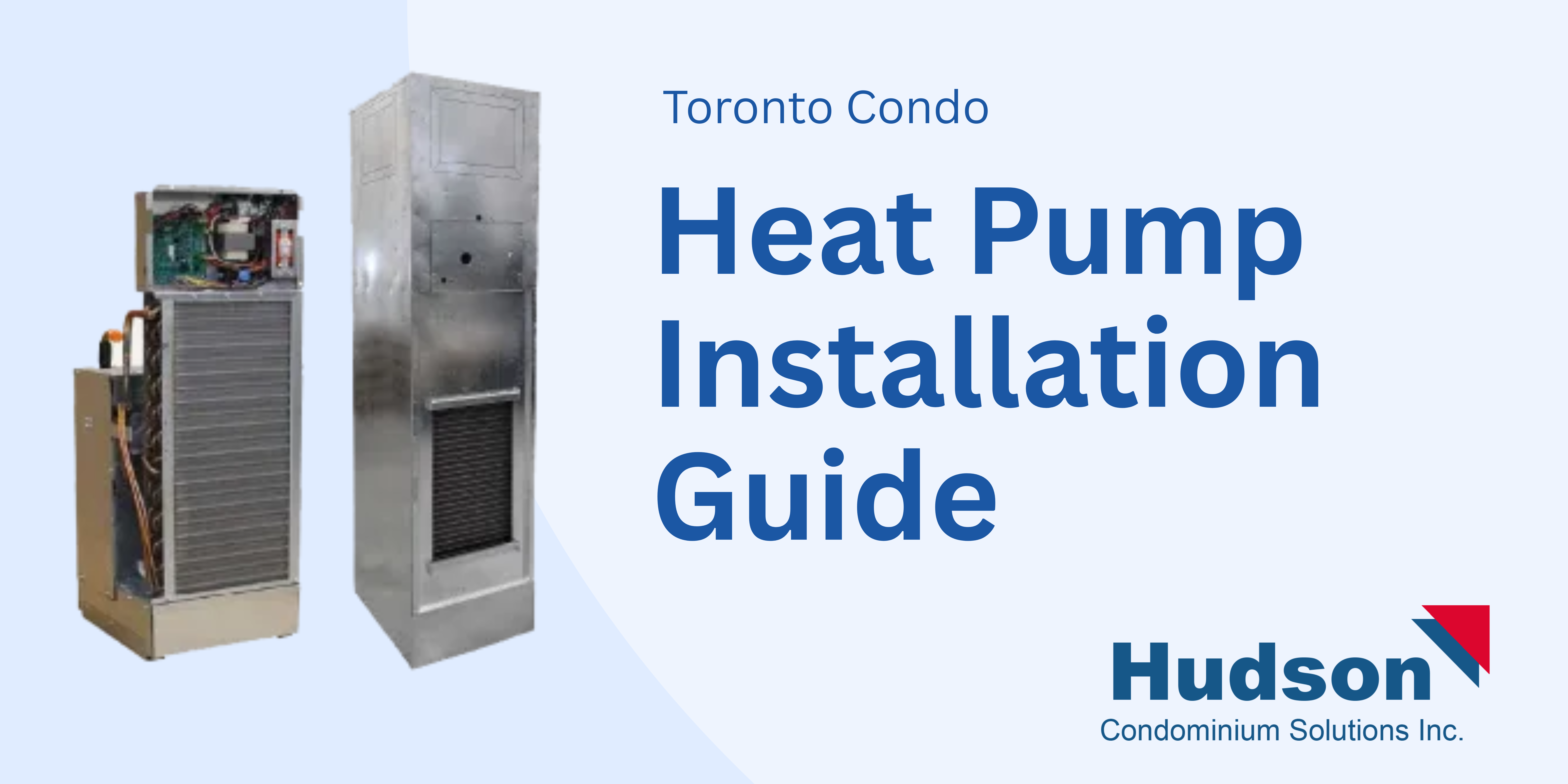
Toronto Condo Heat Pump Installation: A Complete Guide for Condo Owners
If you live in a Toronto condo, your heat pump is doing more work than you might think. It keeps your suite warm in the winter, cool in the summer, and quietly runs off the building’s central water loop behind the scenes.
Until it stops.
No heat, no cooling, loud grinding noises, leaks in the ceiling, or a burnt smell from the unit are all common signs that your condo heat pump is failing. At that point, most Toronto condo owners have the same questions:
- Can it be repaired, or does it need to be replaced?
- How does heat pump installation work in a high-rise building?
- What does “building-approved” even mean?
This guide breaks down everything you need to know about Toronto condo heat pump installation, from when to replace your unit to what to expect on installation day.
What Is a Condo Heat Pump, and How Is It Different?
In most Toronto condos, you don’t have a typical furnace or outdoor AC condenser. Instead, your suite likely has a:
- Water-source heat pump, or
- Vertical stack heat pump, or
- Fan coil-style heat pump tied into a central building loop
These units:
- Use the building’s hot/cold water loop instead of outdoor air
- Are usually built into a wall, closet, or cabinet
- Provide both heating and cooling through one unit
- Are customized to match your building’s design, water temperatures, and controls
Because of this, condo heat pumps are not one-size-fits-all. The replacement model must be compatible with:
- The building’s water temperatures and pressures
- Electrical supply in your suite
- The cabinet dimensions and connections behind your walls
- The condo’s approved model list, if they have one
That’s why professional, condo-specific heat pump installation in Toronto is so important.
When Should You Replace a Condo Heat Pump? (Short Answer)
Here’s a quick rule of thumb for Toronto condo owners:
Age 12–15+ years:
Your heat pump is approaching the end of its typical lifespan. If it needs a major repair, replacement is usually the smarter long-term move.Multiple breakdowns in a short period:
Frequent no-heat or no-cool issues, capacitor failures, fan motor problems, or control board issues often signal deeper wear.Major symptoms that suggest internal failure:
- Compressor is extremely noisy or seized
- Coils are badly corroded or leaking
- Significant rust and water damage in the pan or cabinet
Chronic comfort problems:
- Unit never quite heats or cools properly
- Huge temperature swings between rooms
- Very poor airflow even after cleaning
In many Toronto buildings, once the original heat pump fails, residents choose full replacement rather than repeatedly investing in band-aid repairs on a 15–20-year-old unit.
Why Professional Heat Pump Installation Matters in a Toronto Condo
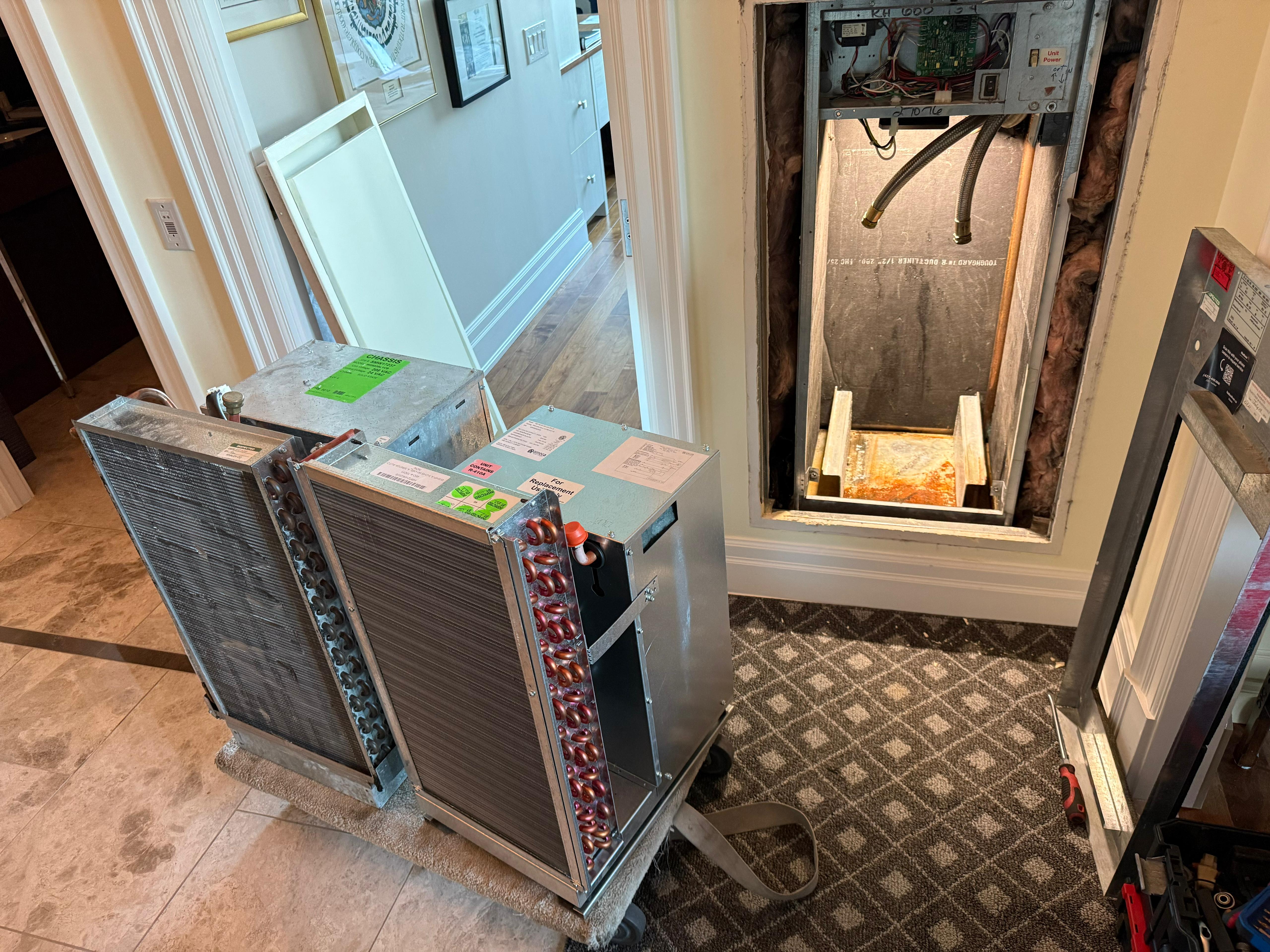
Installing or replacing a heat pump in a high-rise condo is very different from swapping a furnace in a house. Here’s why you want an experienced Toronto condo heat pump installer:
1. Building Compatibility and Approved Models
Many condo corporations:
- Have a list of approved replacement models
- Require that the new unit’s capacity, configuration, and connections match the original
- Want to avoid units that might overload the electrical system or conflict with the central loop
A professional installer will:
- Match your existing unit’s tonnage, voltage, and configuration
- Confirm compatibility with building water temperatures and pressures
- Work with management if they need spec sheets or submittals before installation
2. Protecting Against Leaks, Water Damage, and Mould
Condo heat pumps often sit over:
- Drywall ceilings
- Closets, kitchens, or entryways
- Shared walls with hallways or neighbouring suites
If the condensate drain or pan isn’t handled properly during installation, you can end up with:
- Water leaks into your unit or the suite below
- Mould growth in wall cavities and ceilings
- Costly repairs that may involve insurance and the condo corporation
A proper installation includes:
- Checking and clearing drain lines
- Inspecting and upgrading drain pans or float switches if required
- Ensuring proper slope and secure piping to carry water away
3. Noise, Vibration, and Comfort
In a condo, your heat pump is usually just a few feet from:
- Your bedroom
- Your living room
- Your neighbour’s ceiling or wall
Poor installation can lead to:
- Constant rattling or vibration
- High fan noise at every speed
- Airflow that is either too weak or uncomfortably strong
An experienced installer will:
- Properly isolate the unit to minimize vibration
- Balance fan speeds where possible
- Confirm that airflow is ideal through all supply grilles
What Happens During a Toronto Condo Heat Pump Installation?
Every building and model is a little different, but a typical condo heat pump replacement looks like this:
1. Site Visit and Assessment
A technician will usually:
- Inspect your existing heat pump
- Take photos and measurements of the cabinet and connections
- Check electrical supply, water valves, and drain setup
- Ask about noise, comfort, and past issues
This ensures the new unit is properly sized and configured for your suite and building.
2. Quotation and Model Selection
After the assessment, you should receive a detailed quote that includes:
The heat pump model and capacity
What’s included:
- Removal and disposal of the old unit
- Delivery and installation of the new unit
- Connection to existing electrical and water lines
- Testing, startup, and basic balancing
Any add-ons recommended:
- New thermostat
- New condensate safety switch
- Cabinet sealing or insulation upgrades
Your property manager or condo board may need to approve the model before installation.
3. Scheduling with Building Management
In Toronto condos, installations often need to be coordinated around:
- Service elevator bookings
- Water shut-offs, if needed for your riser
- Building rules about work hours and noise
Your installer will typically:
- Work with management to confirm date and time
- Make sure all access arrangements are in place
- Provide proof of liability insurance and WSIB, if required
4. Removal of the Old Heat Pump
On installation day, the crew will:
- Protect floors and nearby finishes
- Safely shut off power and isolate water to the unit
- Disconnect electrical, water, and drain lines
- Remove the old heat pump from the cabinet
- Inspect the cabinet, riser, and drain pan for damage or mould
If there are signs of long-term leaks or rust, they’ll discuss options before proceeding.
5. Installing and Connecting the New Heat Pump
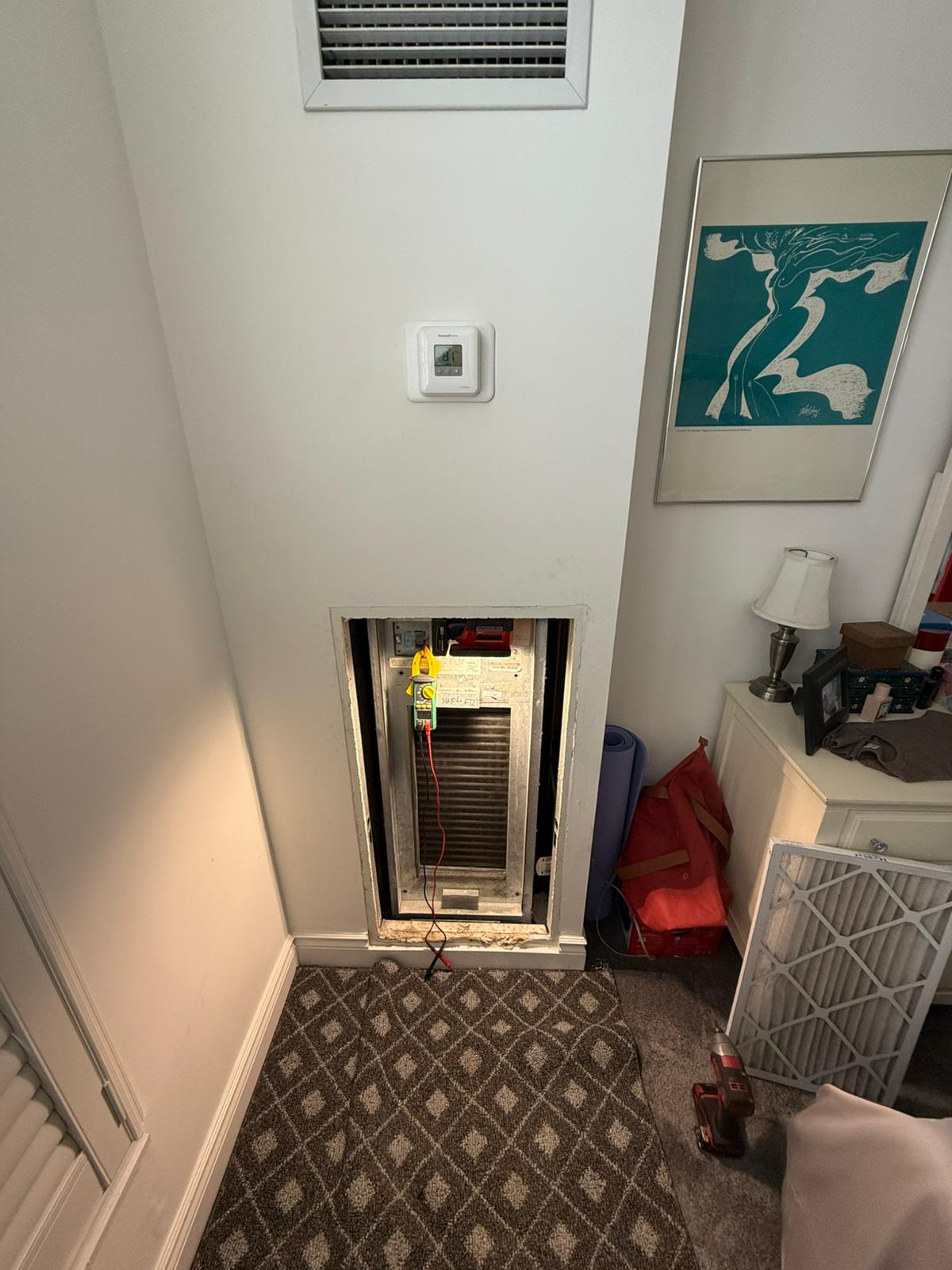
The new unit is:
- Carefully positioned into the existing cabinet or stack
- Connected to the hydronic loop (supply and return water lines)
- Connected to the drain pan and condensate piping
- Wired into the existing electrical supply and thermostat
The installer will then:
- Open valves and purge air from the lines if required
- Check for leaks, drips, or unusual noises
- Start the unit in both heating and cooling modes (season permitting)
6. Testing, Balancing, and Clean-Up
A proper condo heat pump installation should always end with:
- Measuring supply and return temperatures
- Checking airflow at registers
- Confirming thermostat operation
- Verifying condensate drainage and pan function
Finally, the old unit is removed from the building (often via service elevator), and the workspace is cleaned up so your suite is left tidy.
How Long Does Heat Pump Installation Take in a Condo?
Most Toronto condo heat pump replacements can be completed within:
Half a day to a full day for a straightforward, like-for-like swap
Longer if:
- There are cabinet modifications
- Additional drain or electrical work is needed
- There are multiple units in the same suite (e.g., one in the living room and one in the bedroom)
You’ll usually be without heating or cooling only during the installation window, and your installer should let you know in advance what to expect.
How Much Does a Condo Heat Pump Installation Cost in Toronto?
Costs can vary based on:
- Brand and model of the heat pump
- Whether it’s new vs refurbished
- Complexity of access and cabinet work
- Whether you’re replacing one unit or multiple units
A good quote will clearly outline:
- Equipment price (heat pump itself)
- Labour for removal and installation
- Disposal, materials, and any add-ons
- Warranty details (parts and labour)
Be wary of quotes that seem far below the typical market range—condo heat pump installation is not a simple DIY job, and cutting corners can lead to expensive water damage or repeat failures.
Who Is Responsible for Heat Pump Replacement in a Condo?
Responsibility can differ from building to building, but generally:
- The heat pump inside your suite is often treated as a unit owner responsibility
- The building water loop, risers, and central plant are typically the condo corporation’s responsibility
Always check your:
- Condo declaration
- Rules and bylaws
- Any building-specific guidelines about heat pump replacement
Some corporations may:
- Require you to use approved contractors
- Ask for spec sheets before approving a new model
- Have set standards for drain pans, safety switches, and insulation
Common Mistakes to Avoid With Condo Heat Pump Installation
To protect your investment (and avoid headaches with the condo board), avoid these common pitfalls:
1. Buying a Random Unit Online
Units bought online may not fit your cabinet or may be incompatible with the building’s water loop. Always confirm compatibility first.
2. Using a Contractor With No Condo Experience
Installing heat pumps in houses or townhomes is not the same as working in a downtown Toronto high-rise. Choose a company that:
- Has condo references
- Understands building rules, risers, and water loops
- Is comfortable coordinating with management
3. Ignoring Drain Pans and Safety Features
Replacing just the mechanical unit but leaving a rusted, cracked, or undersized drain pan in place is asking for trouble. Make sure drain pans, float switches, and drains are evaluated and upgraded if needed.
4. Skipping Regular Maintenance After Installation
Even a brand-new heat pump needs:
- Filter changes or cleaning
- Periodic coil and drain cleaning
- Basic checks to keep it running efficiently
Talk to your installer about a maintenance schedule once the new unit is in place.
Final Takeaway: Toronto Condo Heat Pump Installation
If your condo heat pump is old, noisy, leaking, or constantly breaking down, replacement is often the most reliable, long-term solution—especially in a Toronto high-rise.
To get the best result:
- Choose a Toronto condo heat pump installer who understands high-rise buildings
- Make sure the new unit is fully compatible with your building’s system
- Pay attention to drainage, noise, and safety features, not just the box being installed
- Ask for a detailed quote that clearly explains what’s included and what’s warranted
A properly installed heat pump will keep your condo comfortable, quiet, and efficient for years to come—with fewer surprises and fewer emergency calls.
Book a Toronto Condo Heat Pump Installation
If you’re ready to replace a failing heat pump in your Toronto condo, professional help makes all the difference.
Hudson provides expert condo heat pump installation and replacement across the GTA.
- 🌐 Website: hudsonhvac.ca
- ✉️ Email: service@hudsonhvac.ca
- 📞 Phone: +1 (437) 448-0640
- 📍 Serving Toronto, Etobicoke, Mississauga, North York, and Scarborough
- ⚡ Emergency and priority replacement available
Hudson — Toronto’s Condo Heat Pump & HVAC Experts.
- Tags:
- Toronto Condo Heat Pump Installation
- Condo Heat Pump Replacement Toronto
- Toronto Vertical Stack Heat Pump Installation
- High Rise Condo Heat Pump Replacement
- Condo Heat Pump Installers Toronto
- How to Replace a Heat Pump in a Toronto Condo
- Water Source Heat Pump Installation Toronto
- Vertical Fan Coil and Heat Pump Replacement Toronto
- Condo Corporation Heat Pump Responsibility Toronto
- Professional Heat Pump Installation for Condos