
Condo Drain Pan Problems: Leaks, Odours, Clogs, and When to Call a Pro
Learn why condo fan coil drain pans overflow, smell, or leak, what you can safely do now, and when Hudson HVAC should inspect and clean it professionally.
- Hudson HVAC
- 5 min read
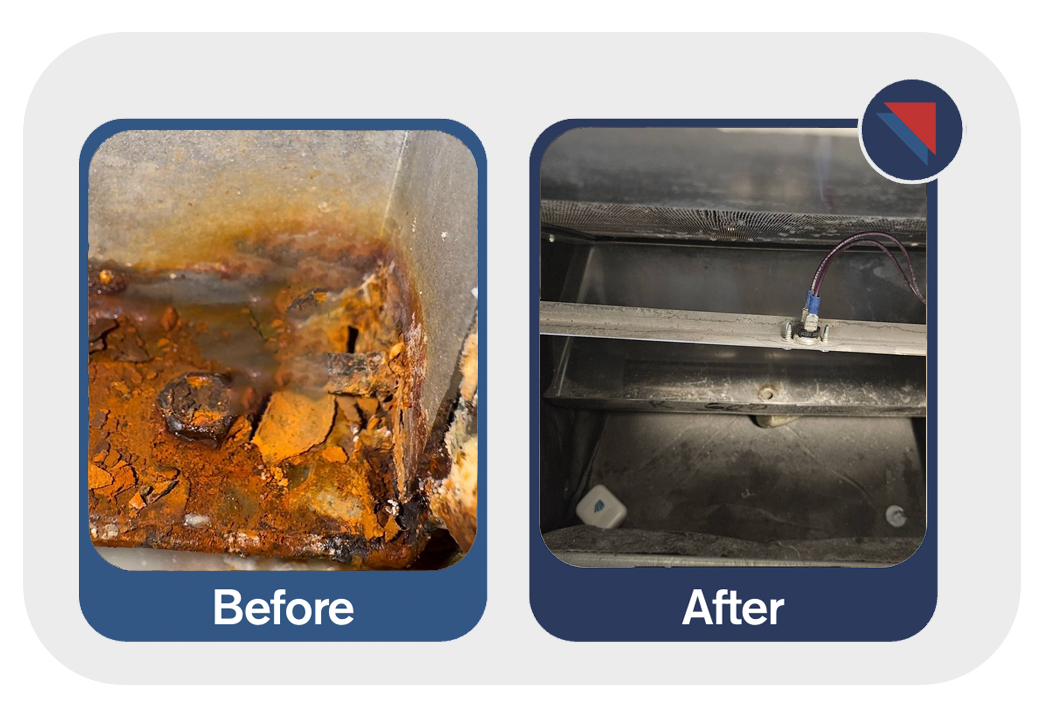
Condo Drain Pan Cleaning in Toronto Condos: Causes, Warning Signs, and What to Do Next
Quick summary: Your condo fan coil or heat pump pulls moisture out of the air—then it’s supposed to drain safely through a drain pan and condensate line. If that path clogs or the pan fails, you can end up with odours, leaks, and water damage. Below is how to spot it early, what you can safely do right now, and when it’s time to book professional drain pan cleaning.
The fast diagnosis (what this usually means)
- Water on the floor near the HVAC cabinet → drain pan overflow, clogged condensate drain, or a cracked/rusted pan
- Musty / “wet towel” smell when cooling runs → standing water + biofilm in the pan or drain line (common in summer)
- Dripping from the unit or staining on baseboards → ongoing overflow or a slow leak that’s been happening for a while
- Ceiling stain in the suite below you → water escaping the pan/drain and traveling through the building (treat as urgent)
- HVAC shuts off randomly → some systems have safeties that trip when water backs up (or the surrounding area gets wet)
- Gurgling / bubbling sound while cooling is on → restricted drain flow or partial blockage
Common causes (what’s actually happening)
Most condo “drain pan problems” come down to one thing: condensate water can’t leave the unit fast enough.

Here are the usual reasons:
- Sludge/biofilm buildup in the drain pan or drain line
Dust + moisture can form a slimy buildup that slowly narrows the drain path until it backs up. - A partially blocked condensate drain line
Even a small restriction can cause overflows during heavy cooling days (hot/humid Toronto summers are the worst for this). - A cracked, corroded, or poorly supported drain pan
Older metal pans can rust through. Some pans can also warp or shift over time and start leaking at seams. - Improper slope or poor drainage setup
If the drain line doesn’t pitch correctly, water sits longer and debris settles faster. - Airflow issues that increase condensate or create icing
Dirty filters, blocked returns, or coil issues can change how water forms and drains—sometimes leading to overflow when the ice melts.
What you can do right now (safe steps)
Use this safe checklist to reduce damage risk while you wait for help:
- Turn cooling off (and set the fan to “Auto” if you can) to reduce new condensate.
- If you see active water, stop using the unit until it’s assessed.
- Protect floors and nearby finishes with towels and a shallow tray (if accessible).
- Check and replace your HVAC filter if it’s overdue (a dirty filter can contribute to coil issues and extra mess).
- Take clear photos/videos of: the water location, any staining, and the thermostat settings.
- Notify property management ASAP if there’s any chance water is entering walls/ceilings or affecting another suite.
- Avoid pouring chemicals/bleach into the unit—this can damage components and doesn’t reliably clear the blockage.
When to call a professional
Call a professional promptly if any of these are true:
- Active leak or recurring puddles (even if it “stops sometimes”)
- Any ceiling staining (especially if it could affect the suite below)
- Musty smell that returns after basic drying
- Visible rust, cracks, or water marks around the drain pan area
- You suspect mould (or you have allergy/asthma sensitivity in the suite)
- You’re in cooling season and the problem keeps coming back—that usually means a partial clog or pan failure, not a one-off spill
Typical timeline & what to expect
What usually happens during a visit:
- A tech confirms whether the water is condensate-related (vs. plumbing or another source).
- The drain pan and drain path are inspected for blockages, biofilm, corrosion, and drainage issues.
- The unit is tested to ensure it drains properly under normal operation.
Typical timeframes (varies by access and unit type):
- Basic inspection + drain pan cleaning: often within the same visit
- If a pan is damaged or a part is needed: a return visit may be required
What helps speed things up:
- Photos of the leak/stain
- A quick note on when it happens (only during cooling? only after long runs? after humid days?)
- Clear access to the HVAC cabinet (move stored items if possible)
Common delays:
- Limited suite access windows
- Parking/loading constraints
- Parts availability for older fan coil configurations
Cost factors (if relevant)
Drain pan cleaning and related repairs can vary based on:
- Is it a simple cleaning vs. a recurring blockage?
- Condition of the drain pan (intact vs. rusted/cracked)
- Access difficulty (tight cabinetry, condo rules, limited shutoff access)
- Whether additional issues are found (coil condition, drainage design problems, safety switch triggers)
- After-hours urgency if water damage risk is active
FAQs
How often should a condo drain pan be cleaned?
For many Toronto condos, annual maintenance is a good baseline. If your unit runs heavy cooling (or you’ve had past clogs/odours), you may benefit from more frequent checks.
Is a musty smell always “mould”?
Not always—but standing water and biofilm in the drain pan/drain line can smell very similar and can contribute to mould risk if left long enough.
Can I fix a drain pan clog myself?
You can safely stop cooling, replace a dirty filter, and document the issue, but clearing the drain path and verifying proper drainage is usually best left to a pro to avoid damage or missed causes.
Why does it leak only sometimes?
Partial clogs often fail only during peak humidity/long cooling runs. It can look “random,” but it’s usually tied to how much condensate is being produced that day.
If the suite below has a ceiling stain, is it urgent?
Yes. Treat it as urgent and involve management right away—water migration can be fast and damage can escalate even if the leak seems small.
Next steps (CTA)
If you’re dealing with odours, recurring overflow, or any sign of water damage risk, the safest move is to get it assessed and corrected.
- Book drain pan cleaning or repair: drain pan cleaning & repair
- Prevent repeats with routine service: fan coil maintenance
- If you suspect odours/mould exposure: HVAC mold remediation
- If you want help, contact us: Hudson HVAC contact
Contact Hudson
- https://hudsonhvac.ca/contact
- 📞 +1 (437) 448-0640
- 📧 service@hudsonhvac.ca