
HVAC Mold in Toronto Condos: Causes, Risks, and How to Stop It
Discover why mold grows in condo HVAC systems, how to spot it early, and the practical steps Toronto owners can take before it becomes a health risk.
- Hudson HVAC
- 4 min read
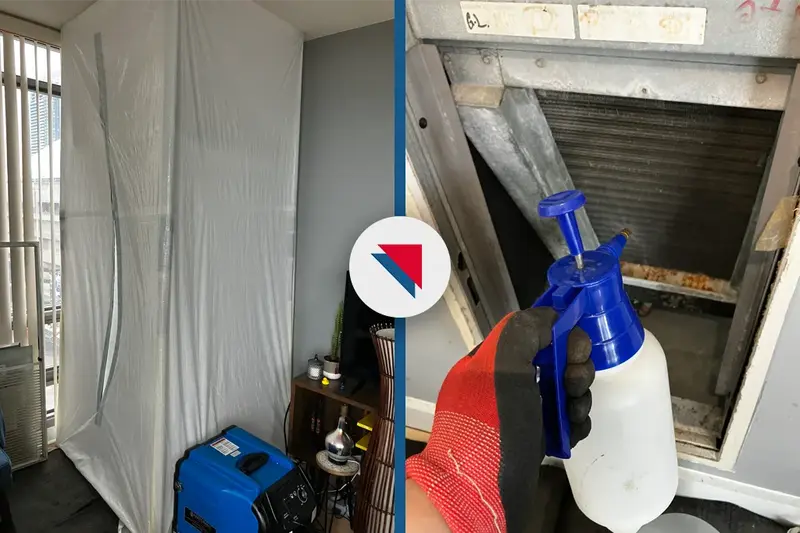
HVAC Mold in Toronto Condos: Causes, Risks, and How to Stop It
Quick summary: HVAC mold in Toronto condos usually starts with moisture, dust, and poor drainage inside fan coils or heat pumps. This guide shows you how to spot the signs early, what you can safely do now, and when to bring in a pro to fix the root cause.
The fast diagnosis (what this usually means)
- Musty or earthy smell from vents → Mold or mildew growing on coils, drain pans, or inside the cabinet
- Visible dark spots around vents or inside the unit → Active mold colonies feeding on moisture + dust
- More allergies, coughing, headaches indoors → Spores circulating through your suite
- Water pooling under the unit → Blocked drain line or cracked drain pan creating a mold-friendly environment
- System runs but air feels “stale” → Dirty components and bio-growth reducing airflow and air quality

Common causes (what’s actually happening)
Most condo HVAC mold problems come down to persistent moisture plus organic debris:
- Clogged condensate drains: Condensation can’t escape, so water sits in the pan and grows mold.
- Dirty coils and blowers: Dust becomes food for mold when it gets wet.
- High indoor humidity: Bathrooms, cooking, and poor ventilation keep moisture in the air.
- Infrequent maintenance: Fan coils and heat pumps in condos need routine cleaning—skipping it lets moisture and grime build up quietly.
- Hidden leaks: Small leaks inside the cabinet can go unnoticed and create ongoing dampness.
What you can do right now (safe steps)
- Turn the system off if you see standing water or active leaks.
- Wipe visible moisture around the cabinet and nearby surfaces.
- Check your drain line for obvious blockages (don’t open sealed components).
- Run your bathroom/kitchen fans to lower humidity after showers or cooking.
- Book routine cleaning for in-suite equipment like fan coils or heat pumps to prevent regrowth.
When to call a professional
- You see visible mold inside the HVAC unit or on internal components
- There’s repeated water pooling or a slow drip you can’t trace
- Health symptoms appear or worsen when the system runs
- The system smells musty even after basic cleaning
- Any no-cooling or no-heating issues tied to moisture (urgent in winter)
Professional help is key because proper remediation means cleaning the source, fixing drainage, and preventing moisture from coming back.
Typical timeline & what to expect
- Initial visit (60–120 minutes): Tech inspects the unit, drain pan, coils, and drain line; documents mold/moisture sources.
- Service work: Cleaning, drain pan repair/cleaning, and targeted mold remediation if needed.
- Follow-up: You’ll get prevention tips and maintenance recommendations.
- What helps speed things up: Clear access to the unit, photos of leaks or mold, and details on when the smell or water started.
- What delays service: Blocked access panels, water shutoffs not available, or building approval requirements.
Cost factors (if relevant)
Costs vary based on:
- Severity and spread of mold
- Whether the drain pan or line needs repair
- Unit type (fan coil vs. heat pump)
- Accessibility of the equipment
- Whether ongoing maintenance is added to prevent recurrence
FAQs
Is HVAC mold dangerous?
It can be. Mold spores may worsen allergies and asthma and reduce indoor air quality, especially in tightly sealed condos.
Can I just spray bleach on it?
Surface cleaning won’t solve the root problem. Mold often grows inside coils and drain pans—professional cleaning and moisture control are needed.
Will mold come back after cleaning?
Not if the moisture source is fixed and you keep up with maintenance. Skipping drain cleaning or coil cleaning invites regrowth.
How often should condo HVAC systems be maintained?
At least annually for most suites; more often if your unit runs year-round or has had moisture issues.
Does my condo board need to be involved?
Sometimes. Access to risers, drains, or approvals may be required depending on your building’s rules.
Next steps (CTA)
- If your unit is a fan coil, book routine cleaning and inspections with In-Suite Maintenance for fan coils: https://hudsonhvac.ca/fan-coil-maintenance
- For heat pump systems, schedule preventive service with Heat pump maintenance: https://hudsonhvac.ca/heat-pump-maintenance
- If you already see mold, get targeted help with HVAC mold remediation: https://hudsonhvac.ca/hvac-mold-remediation
- Ongoing water issues often start at the pan—learn about drain pan cleaning & repair: https://hudsonhvac.ca/drain-pan-cleaning-repair
If you want help, contact us and we’ll walk you through the next steps.
Contact Hudson
- https://hudsonhvac.ca/contact.html
- 📞 +1 (437) 448-0640
- 📧 service@hudsonhvac.ca