
Condo HVAC Lifecycle Planning for Toronto Property Managers
Learn essential HVAC lifecycle planning tips for Toronto condos, ensuring smooth transitions and optimal performance year-round.
- Hudson HVAC
- 4 min read
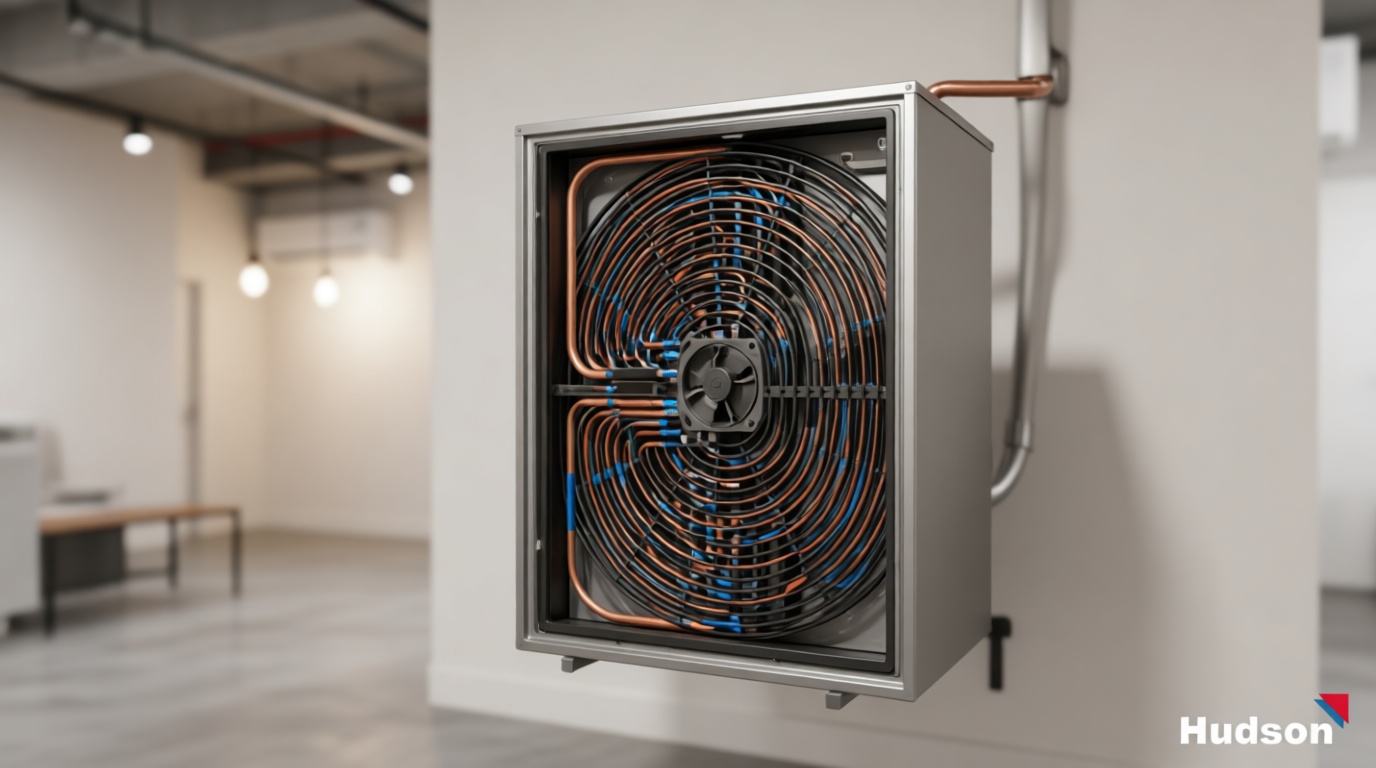
Condo HVAC Lifecycle Planning for Toronto Property Managers
Quick summary: HVAC lifecycle planning is essential for Toronto property managers to ensure efficient condo heating and cooling systems. With proper planning, managers can optimize performance, budget for replacements, and maintain comfort in all seasons.
Understanding HVAC Lifecycle Planning
For property managers overseeing high-rise condos in Toronto, Mississauga, and Vaughan, understanding the lifecycle of HVAC systems is crucial. HVAC lifecycle planning involves assessing the current state of heating, ventilation, and air conditioning systems, predicting when major components like fan coil units and heat pumps will need replacement, and setting aside funds accordingly. This proactive approach can save time, money, and prevent unexpected breakdowns that disrupt residents’ comfort.
The Importance of Lifecycle Planning
Toronto’s fluctuating temperatures—from hot, humid summers to freezing winters—put a strain on condo HVAC systems. Effective condo HVAC replacement planning ensures that systems are updated before they fail, maintaining continuous service and energy efficiency. This not only enhances residents’ comfort but also safeguards the building’s infrastructure and reputation.
Common Causes of HVAC Wear and Tear
Several factors contribute to the wear and tear of condo HVAC systems:
- Frequent Use: Continuous operation, especially during peak seasons, accelerates wear.
- Inadequate Maintenance: Neglecting regular maintenance can shorten the lifespan of systems.
- Aging Equipment: Older systems, particularly those from the 80s and 90s, may struggle to meet modern efficiency standards.
If you are managing a property with aging systems, consider exploring comprehensive mechanical maintenance to extend their lifespan.
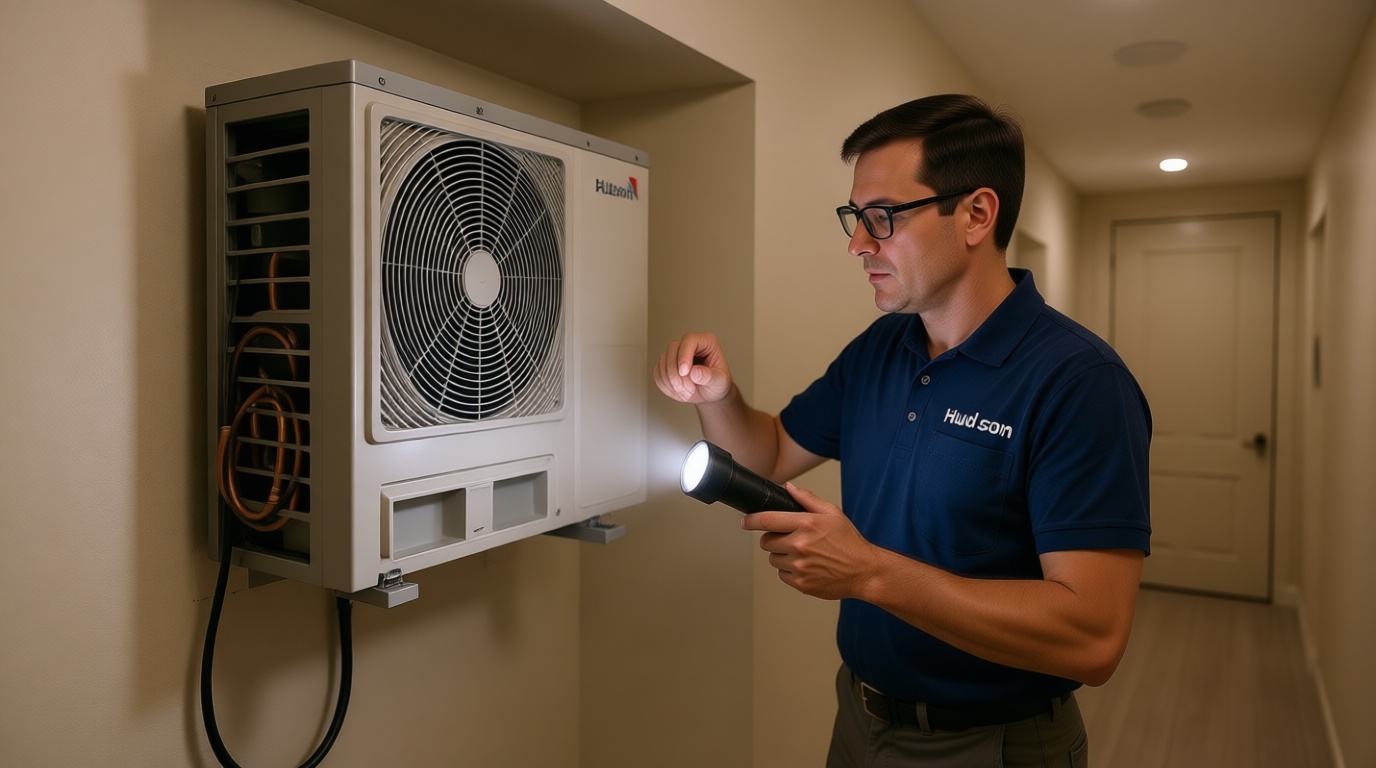
DIY Steps for Better HVAC Management
While professional help is essential for major repairs and replacements, property managers can undertake several steps to prolong the life of current systems:
- Regular Inspections: Schedule bi-annual inspections to catch issues early.
- Filter Changes: Ensure filters are replaced regularly to maintain air quality and system efficiency.
- Resident Education: Encourage residents to report unusual noises or inefficiencies promptly.
For seasonal transitions, check out our spring maintenance checklist for fan coil units to prepare for warmer months.
When to Call a Professional
There are clear signs that indicate the need for professional intervention:
- Frequent Breakdowns: If repairs are becoming more frequent, it might be time for a replacement.
- Rising Energy Bills: A sudden increase in energy costs can indicate inefficiency.
- Inconsistent Temperatures: Uneven heating or cooling often signals failing components.
Hudson offers expert fan coil repair and replacement services to address such issues promptly.
What to Expect from a Service Visit
A typical service visit from Hudson involves:
- Diagnostic Assessment: Technicians will evaluate the system’s current health.
- Detailed Reporting: You’ll receive a comprehensive report outlining findings and recommendations.
- Efficient Repairs or Replacements: Depending on the assessment, immediate repairs or scheduling for replacements can be arranged.
If you’re exploring capital reserve HVAC planning for larger projects, our team can provide insights and timelines for HVAC retrofit projects.
Cost Factors to Consider
Budgeting for HVAC replacements in condo buildings involves several considerations:
- System Type and Size: Larger systems or those with advanced features will naturally cost more.
- Age and Condition: Older systems may require more extensive work, impacting costs.
- Building Specifications: Unique building layouts can affect installation complexity and cost.
FAQs
What is HVAC lifecycle planning?
HVAC lifecycle planning involves forecasting the lifespan and replacement timelines of HVAC systems to ensure continued efficiency.
Why is HVAC planning important for condos?
It helps property managers budget for replacements and avoid unexpected failures or disruptions in service.
How often should condo HVAC systems be replaced?
Typically, every 15-20 years, but this varies depending on use, maintenance, and system type.
What are common signs that an HVAC system needs replacing?
Frequent repairs, decreased efficiency, and failing to meet heating or cooling demands are key indicators.
Next Steps for Property Managers
If you’re a property manager in Toronto or surrounding areas like North York or Etobicoke, consider scheduling a consultation with Hudson to discuss your condo’s HVAC lifecycle. Proactive planning can prevent costly emergencies and ensure a comfortable environment for residents year-round.
Contact Hudson
For expert consultation and service, Contact Us today.
Phone: +1 (437) 448-0640
Email: service@hudsonhvac.ca