
Signs of Hidden Mold in Condo HVAC Systems: What Toronto Residents Need to Know
Discover the subtle signs of hidden mold in condo HVAC systems and protect your Toronto home from musty odors and health risks.
- Hudson HVAC
- 3 min read
Signs of Hidden Mold in Condo HVAC Systems: What Toronto Residents Need to Know
Quick summary: Mold in condo HVAC systems is a common issue, especially after Toronto’s damp winter. This guide helps you identify subtle signs of hidden mold, from musty smells to respiratory issues, and provides steps to address it.
The Fast Diagnosis: Is There Mold Lurking in Your HVAC?
You might not see it, but mold can silently thrive in your condo’s HVAC system, especially after Toronto’s moisture-laden winter. As spring arrives, and you switch from heating to cooling, the presence of hidden mold can lead to musty odors and health concerns. Residents in North York and Mississauga often overlook the subtle signs, mistaking them for seasonal allergies or typical condo smells.
Common Causes: Why Does Mold Develop in Condo HVAC Systems?
Condo HVAC systems, particularly fan coil units and heat pumps, are prone to mold for several reasons:
- Humidity: Winter condensation can linger in HVAC units, leading to mold growth.
- Poor Drainage: Clogged drain pans from winter can cause water to stagnate, providing a breeding ground for mold.
- Ventilation Issues: Limited airflow in compact condo spaces can trap moisture.
- Neglected Maintenance: Without regular preventive maintenance, mold can quickly take hold.
What You Can Do Right Now: DIY Safe Steps
Before calling a professional, there are a few steps you can take to assess and mitigate mold:
- Smell Test: A musty odor emanating from vents is a primary indicator of mold.
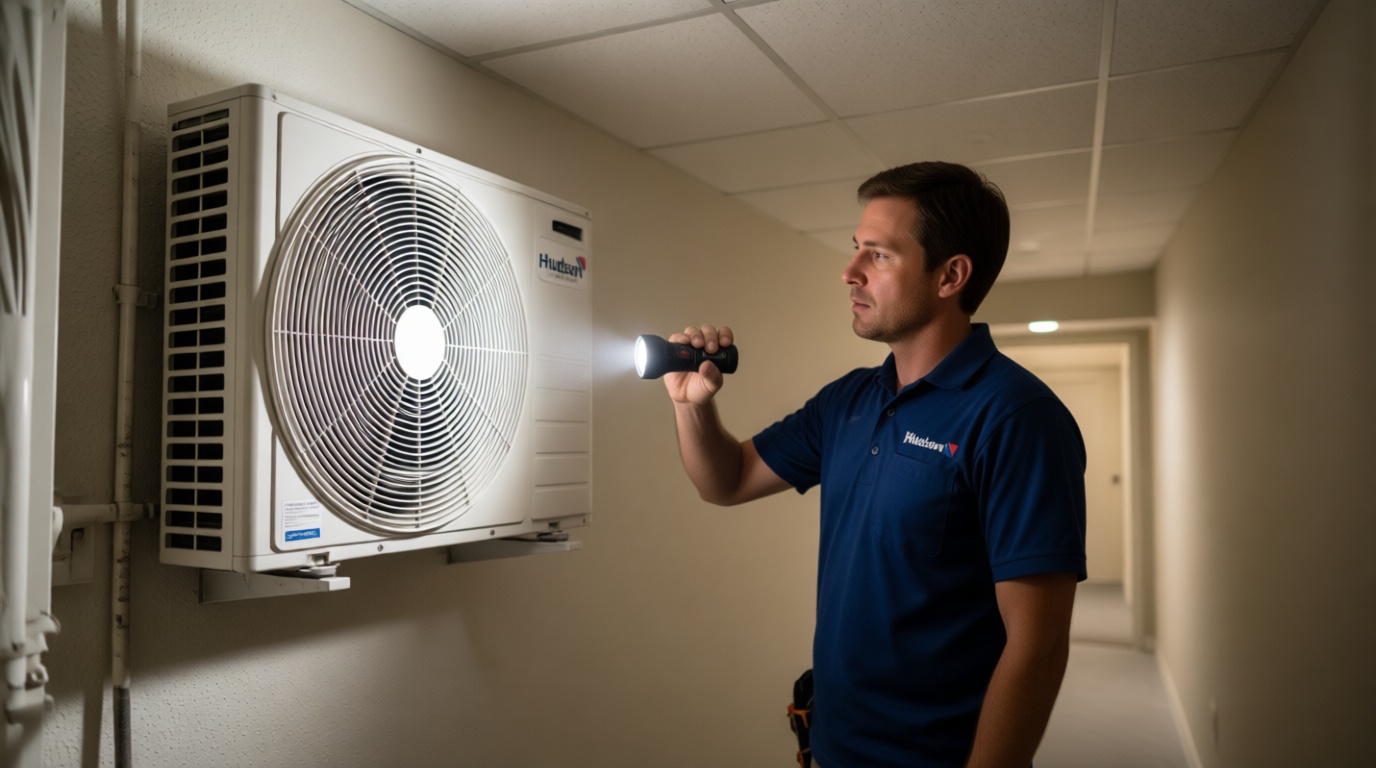
- Visual Inspection: Use a flashlight to check visible parts of your fan coil unit for discoloration or mold patches.
- Change Filters: Replace air filters to improve air quality and hinder mold spread.
- Reduce Humidity: Use a dehumidifier to maintain indoor humidity levels below 60%.
When to Call a Professional: Signs You Need Help
If DIY methods don’t alleviate the issue, or if you notice persistent symptoms, it’s time to consult a professional. Look for these signs:
- Persistent Musty Odor: Despite cleaning and dehumidifying, the smell lingers.
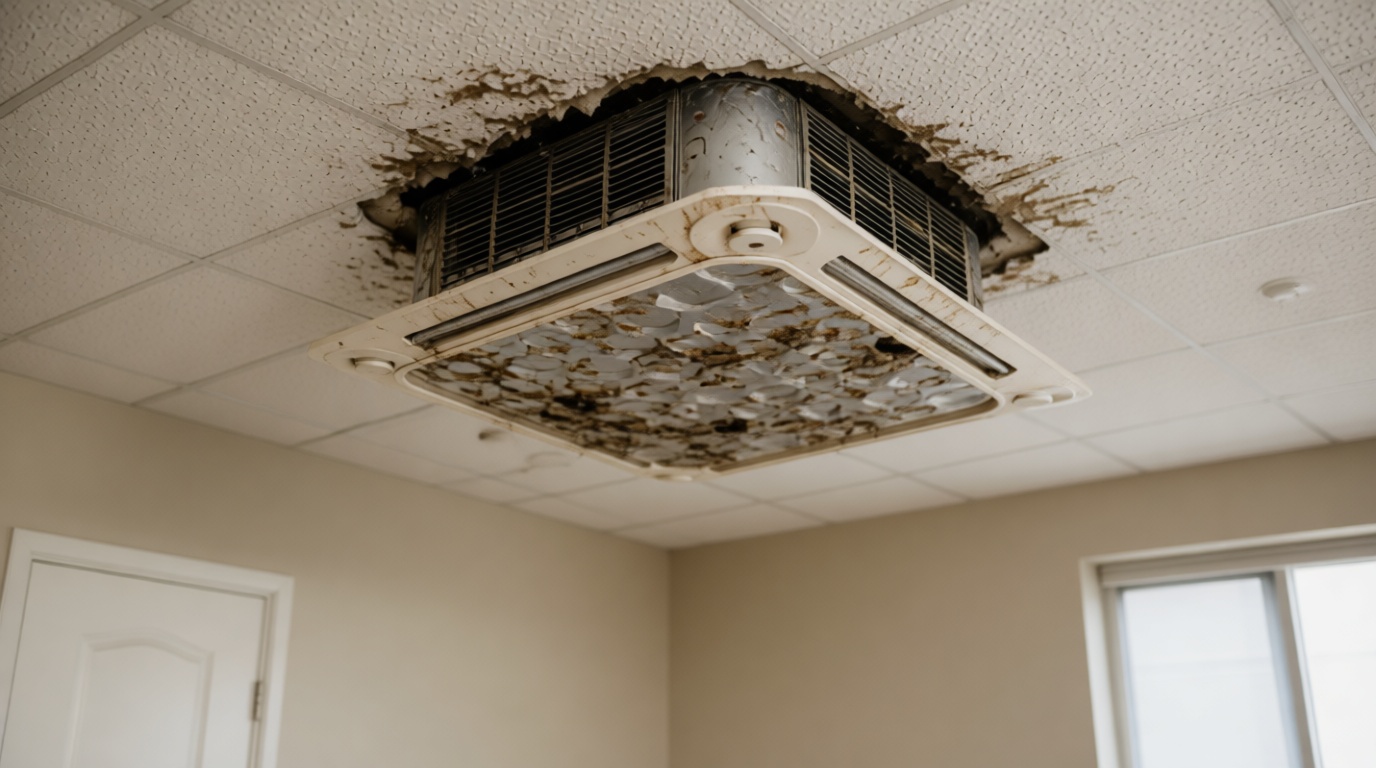
- Visible Mold Growth: Mold spots appear on vents or around the fan coil unit.
- Health Symptoms: Increased respiratory issues, allergies, or asthma attacks.
What to Expect from a Service Visit: Typical Timeline
A professional mold remediation service involves:
- Inspection: A thorough check of your HVAC system, including ductwork and drain pans.
- Cleaning: Specialized cleaning and sanitizing of affected areas.
- Preventive Measures: Recommendations for ongoing fan coil maintenance and humidity control.
FAQs
How can I tell if mold is affecting my health?
Common symptoms include allergies, asthma, and respiratory irritation. If these symptoms worsen indoors, mold might be the culprit.
Can I clean mold in my HVAC system myself?
While minor mold can be managed with cleaning products, extensive mold requires professional mold remediation.
How often should I have my condo HVAC system inspected?
Schedule inspections at least annually, ideally in spring or fall, to catch mold early and ensure system efficiency.
What are the costs associated with mold removal?
Costs vary based on the extent of the mold and the size of the system. Contact Hudson for a personalized quote.
Next Steps: Protect Your Condo from Mold
Don’t let hidden mold compromise your comfort and health. If your condo HVAC system hasn’t been inspected this season, consider booking an in-suite maintenance visit to ensure your air quality is top-notch.
Contact Hudson
For professional mold detection and remediation in Toronto and the GTA, contact Hudson HVAC today. Contact us | Phone: +1 (437) 448-0640 | Email: service@hudsonhvac.ca