
Understanding the 3-Way Valve in Your Toronto Condo's Fan Coil
Learn about the 3-way valve in Toronto condo fan coils. Essential for temperature regulation, it blends hot and chilled water effectively.
- Hudson HVAC
- 4 min read
Understanding the 3-Way Valve in Your Toronto Condo’s Fan Coil
Quick summary: The 3-way valve in your Toronto condo’s fan coil unit plays a crucial role in regulating temperature by mixing hot and chilled water. It’s vital for comfortable indoor climates and can exhibit signs of failure such as leaks or temperature inconsistencies.
What Is a 3-Way Valve?
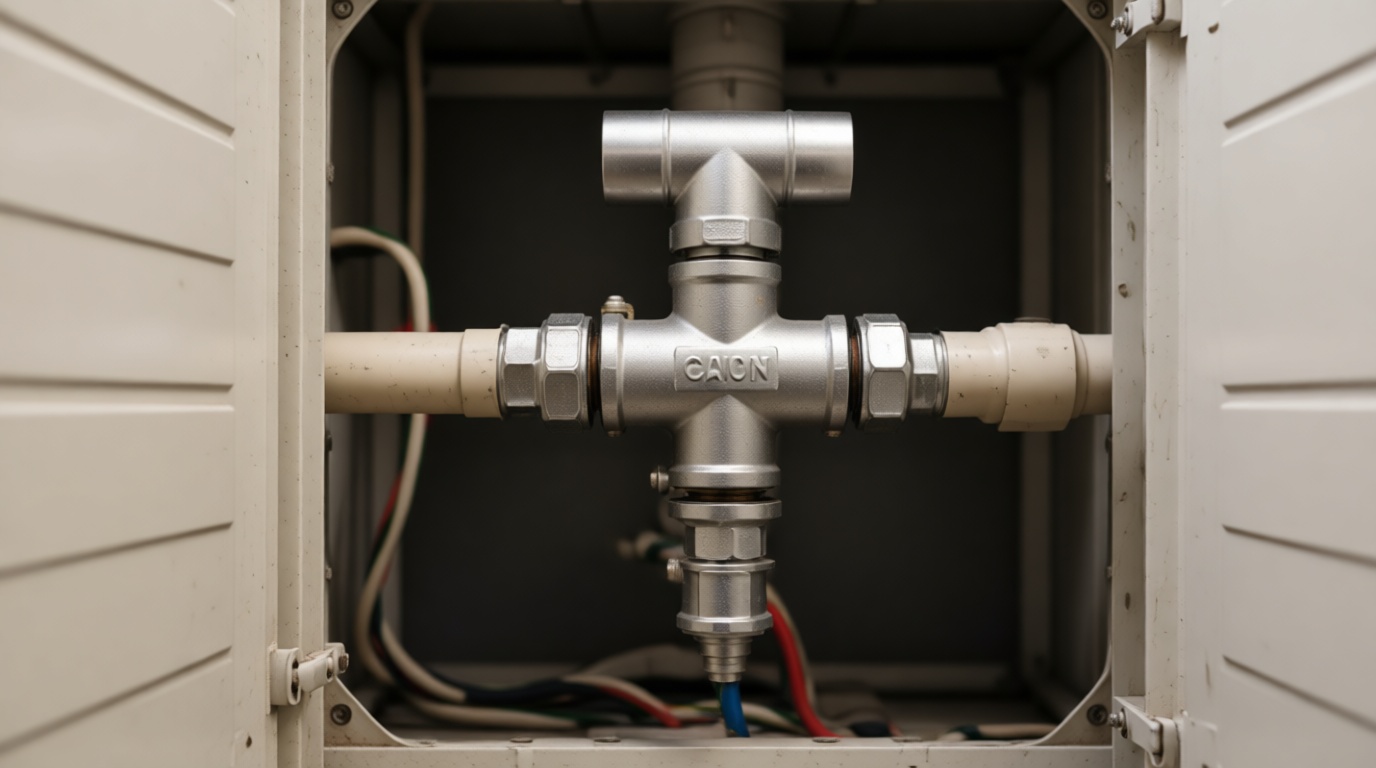
The 3-way valve is a critical component in your condo’s fan coil unit, especially common in Toronto high-rise buildings. Think of it as a traffic director for water flow. It blends hot and chilled water to maintain the desired room temperature, making it an essential part of your heating and cooling system. Located inside the fan coil unit, it works closely with the actuator to adjust the water flow based on your thermostat settings.
What Does It Look Like?
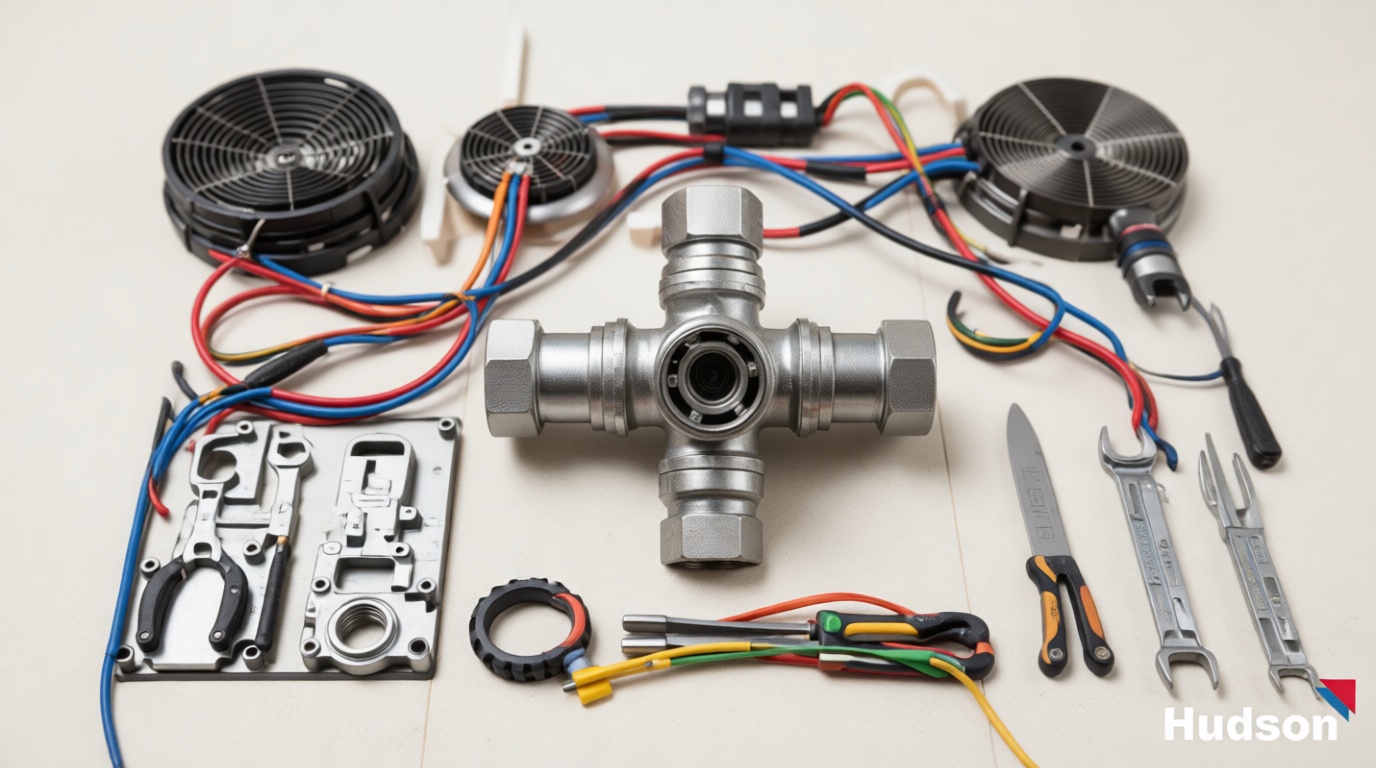
The 3-way valve resembles a T-shaped pipe fitting, typically made of brass or another durable metal. It’s about the size of a small fist and is usually mounted near the water pipes inside the fan coil unit. You’ll often find it connected to three separate pipes—one for hot water, one for chilled water, and one leading to the fan coil.
How Does It Work?
In the fan coil system, the 3-way valve functions by allowing varying amounts of hot and chilled water to mix before entering the fan coil unit. Depending on the thermostat’s demand, the valve shifts to allow more hot or chilled water to maintain your desired temperature. This dynamic adjustment helps keep your condo comfortable year-round.
Signs It Might Be Failing
If your 3-way valve is on the fritz, you’ll likely notice some of the following symptoms:
- Inconsistent room temperatures: If your condo feels too hot or cold despite the thermostat setting, the valve might not be mixing water properly.
- Leaking water: Any visible leaks around the valve area could indicate a seal failure.
- Unusual noises: Strange sounds like knocking or hissing from the fan coil unit might point to a malfunctioning valve.
- Slow temperature response: A delay in reaching the desired temperature can be a sign of valve issues.
Can You Test It Yourself?
While a full inspection should be left to professionals, there are a few safe checks you can perform:
- Visual inspection: Look for any visible leaks or corrosion around the valve.
- Listen for noises: Pay attention to any unusual sounds when adjusting the thermostat.
- Check thermostat response: Observe how quickly the temperature changes after adjusting the thermostat.
Avoid touching the valve or attempting to disassemble it; these actions can lead to further damage.
When to Replace vs Repair
The lifespan of a 3-way valve can vary, but they generally last around 5-10 years. If you’re experiencing frequent issues or the valve is leaking, replacement might be more cost-effective than repair. Hudson HVAC provides expert advice on whether a repair or a complete 3-way valve replacement is the best course of action.
How Hudson Handles This Repair
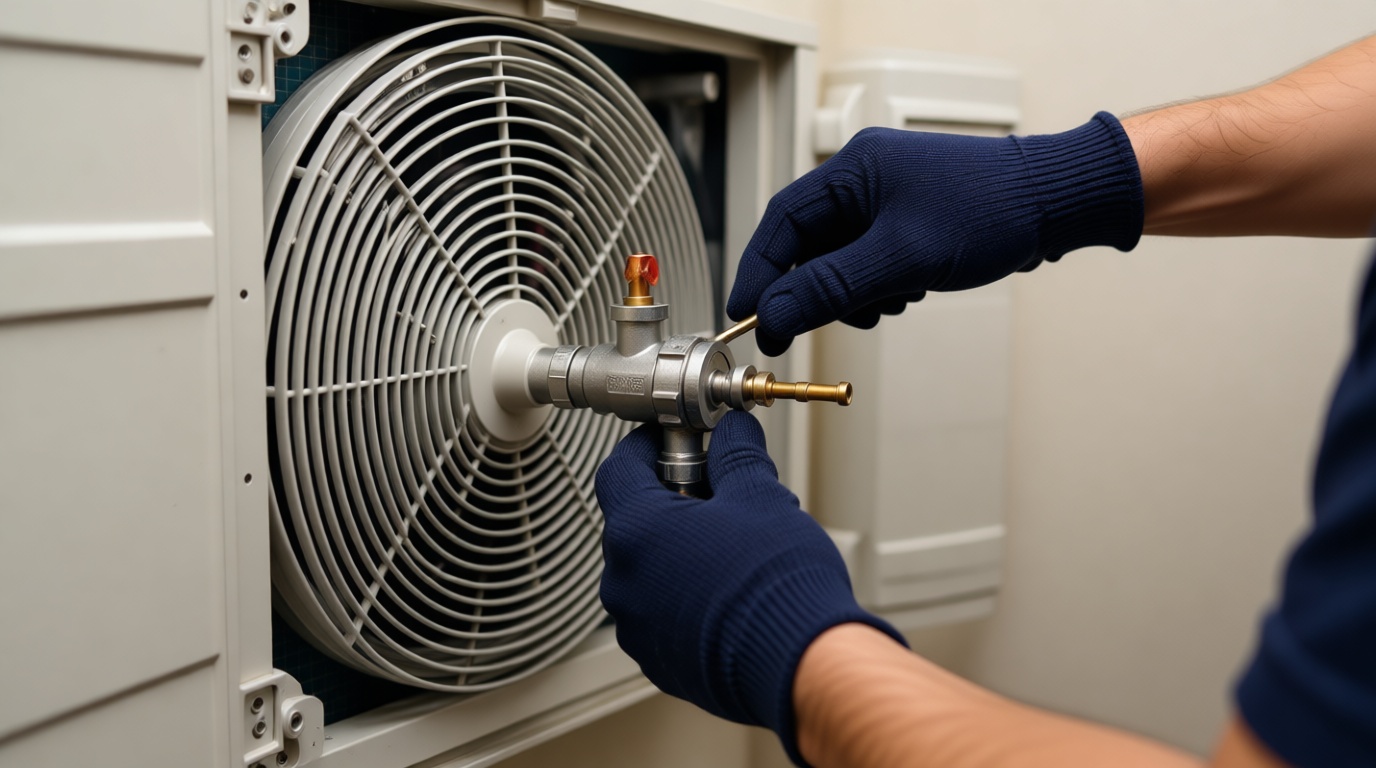
At Hudson HVAC, our technicians are skilled in diagnosing and repairing 3-way valve issues in Toronto condos. Here’s what you can expect:
- Initial assessment: We conduct a thorough inspection to understand the problem.
- Repair or replacement: Depending on the valve’s condition, we’ll either repair or replace it with minimal disruption to your home.
- Testing and verification: After repair, we ensure everything is functioning smoothly before we leave.
- Timeline: Most repairs can be completed within a few hours.
FAQs
What causes a 3-way valve to fail?
Common reasons include wear and tear, corrosion, and mineral build-up from hard water.
Can a faulty 3-way valve affect my energy bills?
Yes, if the valve isn’t working properly, your HVAC system may run inefficiently, leading to higher energy consumption.
How often should the 3-way valve be maintained?
Regular maintenance is recommended annually, especially during seasonal transitions like spring and fall.
Is a 3-way valve repair covered under warranty?
This depends on your specific warranty terms. It’s best to check with both Hudson HVAC and your warranty provider.
Call to Action
If your fan coil isn’t maintaining the right temperature and you suspect the 3-way valve, call Hudson for a same-day diagnostic.
Contact Hudson:
- Contact Us
- Phone: +1 (437) 448-0640
- Email: service@hudsonhvac.ca