
Fan Coil Replacement vs Repair: Guide for Toronto Condo Owners
Repair or replace your condo fan coil? Compare the diagnosed fault, retained components, quote exclusions and building coordination before choosing a scope.
- Hudson HVAC
- 4 min read
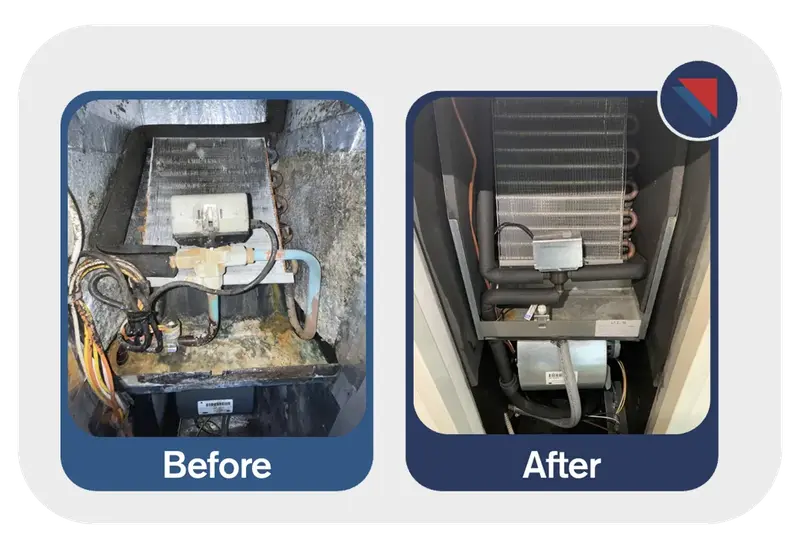
Choose between repair and replacement after the fault and the proposed work are defined. A noisy unit, a leak or the equipment’s age is a reason to arrange an assessment; none, on its own, tells you which option to buy. Ask for a written repair scope and, where appropriate, a separate replacement or retrofit option that identifies what will stay and what will change.
Updated November 7, 2026. Manufacturer references checked on this date; originally published March 2, 2026.
Address an active problem before comparing upgrades
Report an active leak or suspected electrical hazard to building management promptly. Follow the building’s emergency procedure, stay away from wet electrical equipment and do not open panels to investigate. For water appearing overnight, use our resident leak-response checklist.
For a non-emergency appointment, note the symptom, when it occurs, the thermostat setting and any earlier repair records. Provide the model only if it is already known or visible without opening the unit. Internal work belongs with qualified personnel; for example, the Ice Air FCVC/FCVE manual expressly reserves servicing for trained technicians. Follow the instructions for the equipment actually installed in your suite.
Separate these three scopes
A component repair addresses an identified fault. Ask which part is being repaired or replaced, what tests support the diagnosis and what remains outside the work. Replacing one component is not the same as renewing the entire fan coil.
A retrofit needs a component-by-component description. Some manufacturer systems fit replacement equipment into an existing cabinet: Unilux’s retrofit overview describes that approach. It does not establish that a particular product fits your suite or that every existing connection will be replaced. Have the contractor identify the proposed model and confirm the installation requirements.
A replacement quote should still state what “replacement” means. Confirm the cabinet, coil, blower, drain pan, insulation, controls, valves and connections individually. If your suite has more than one unit, identify which units the price covers. Two quotes with the same headline can cover different work.
Six questions to ask before accepting a quote
- What fault was found? Ask for the findings and why the proposed work addresses the reported symptom. If something remains untested or inaccessible, have that limitation recorded.
- What condition are the retained parts in? Ask which components were inspected and which were not. A repair quote should make its limits clear; a retrofit quote should identify the parts it leaves in place.
- Are the specified parts available and suitable? Request the proposed part or equipment model, availability and any alternatives that would require a revised approval.
- What is included in the price? Check diagnosis, labour, equipment, removal, disposal, taxes, finishing work and exclusions. Ask for applicable parts and labour warranty terms in writing.
- What must the building coordinate? Confirm management’s access and approval process, any required water isolation, working hours and who is arranging each step. Obtain the expected service interruption and installation schedule for your actual job.
- What supports a savings claim? Ask what equipment and operating assumptions were compared, which energy use is being measured and how it relates to your own bill. Do not treat a general product claim as a guaranteed saving for your suite.
When is it worth comparing both options?
Request both scopes when the assessment leaves a reasonable choice—for example, where a repair is available but the condition of other components also warrants discussion. Bring earlier invoices so the contractor can distinguish a recurring unresolved fault from unrelated repairs.
Avoid making the decision from a universal age cutoff or an assumed payback period. Compare the documented condition, work included, disruption, exclusions and warranty. If replacement is recommended, ask why the repair option would not adequately address the findings. If repair is recommended, ask what it leaves unresolved.
Arrange the right assessment with Hudson
Hudson’s fan-coil repair and replacement service explains what to discuss when arranging a diagnosis. For a proposed equipment upgrade, our fan-coil retrofit service covers suite and building project enquiries.
Request service or call (437) 448-0640 with the building address, suite, symptoms and available equipment records. Confirm appointment and parts availability directly. After the immediate issue is addressed, agree on an appropriate fan-coil maintenance plan for the installed equipment and building program.