
Actuator Replacement in Etobicoke Condos: What to Know
Need actuator replacement in Etobicoke? Learn condo HVAC warning signs, repair costs, timelines, and fall maintenance tips for winter-ready suites.
- Hudson HVAC
- 15 min read
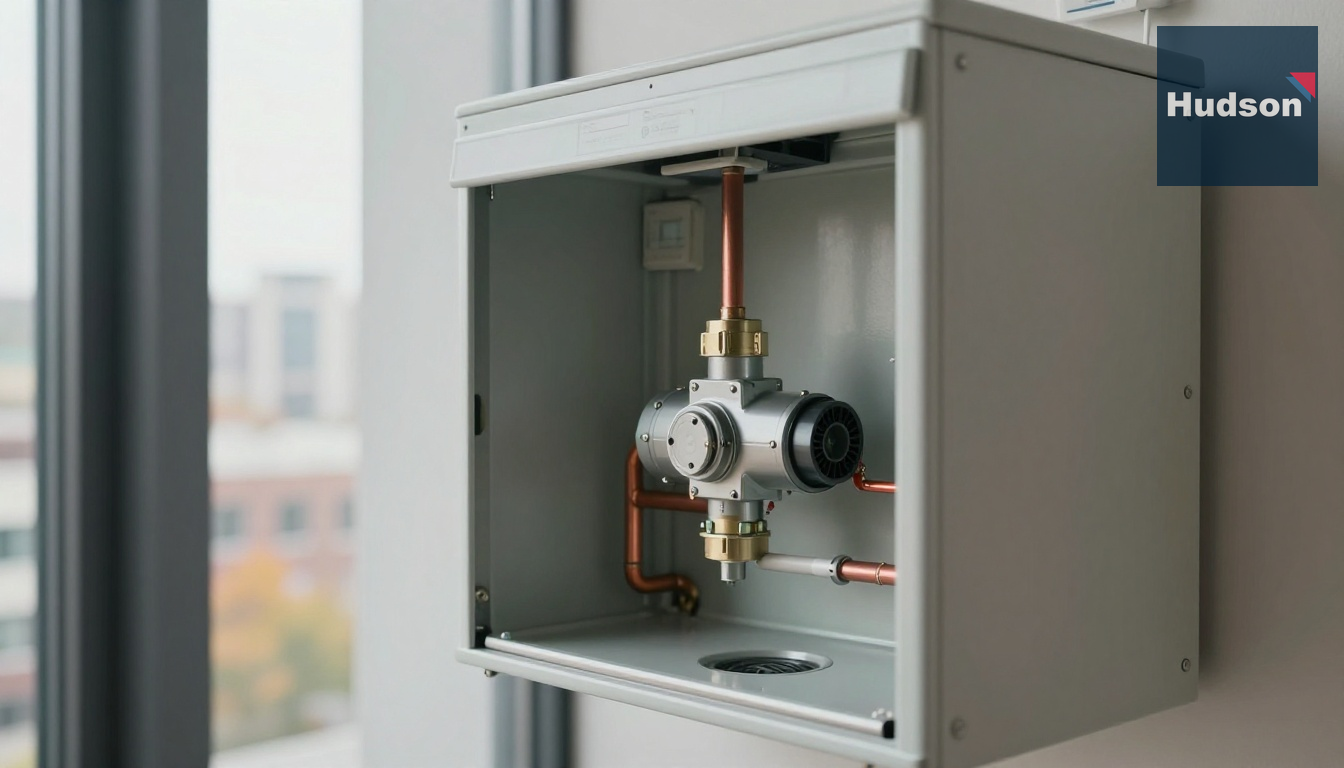
Actuator Replacement in Etobicoke Condos: What to Know
Quick summary: If your Etobicoke condo is blowing air but not heating properly, the problem may be a failed fan coil actuator rather than the entire HVAC unit. In fall, Hudson HVAC sees a spike in actuator replacement in Etobicoke because condo systems are switching over for winter and hidden heating control issues finally show up.
Etobicoke has one of the most varied condo stocks in the west end of Toronto. You have newer towers in Humber Bay Shores, established high-rises along The Queensway, older apartment-style condominiums near Islington City Centre, and mid-rises stretching toward Mimico, Long Branch, and Bloor West edges near Kipling. That matters for HVAC diagnosis because the type of suite equipment, piping layout, and control hardware in an Etobicoke condo often depends more on the building era than the brand on the thermostat.
At Hudson HVAC, we’ve worked in condo buildings throughout Etobicoke where residents assumed they needed a major repair, only to find that a small but critical control part had failed. The actuator is one of those parts. It tells a hydronic valve to open or close so hot or chilled water can move through your fan coil unit or heat pump coil. When it stops working, your suite may overheat, stay cold, short-cycle, or ignore thermostat commands completely. That is why actuator replacement is one of the most common fall service calls we handle before Toronto winter sets in.
For residents looking for condo HVAC repair in Etobicoke, this is one of the issues worth catching early. A weak actuator in October is inconvenient. The same failed actuator in January, during a cold snap off Lake Ontario, becomes an urgent no-heat problem.
Why actuators fail so often in Etobicoke condo buildings
In most Etobicoke condos, the actuator is a small motorized device mounted on a two-way or three-way control valve. Its job sounds simple, but it works in a demanding environment: heat, condensation, dust, vibration, and years of repetitive movement inside a compact mechanical cabinet.
The first pattern we see in Etobicoke is age-related wear in 1998-2012 buildings. Many towers built around the waterfront boom in Humber Bay Shores and along Marine Parade Drive use vertical fan coils or concealed horizontal fan coils with zone valves that are now well into the failure window. Plastic gears fatigue. Small synchronous motors weaken. Internal springs stop returning cleanly. Residents often notice the symptom only when the building enters heating season.
The second pattern is sticking valve assemblies after long seasonal inactivity. In fall, the actuator may be trying to move a valve stem that has not cycled properly in months. Sometimes the actuator is the failed part; sometimes the actuator burns out because the valve beneath it is already binding. This is why a proper visit should check both the actuator and the valve body. Replacing one without testing the other is one of the most common shortcuts in condo HVAC.
The third Etobicoke-specific issue is condensation and cabinet moisture. In lakeside buildings near Park Lawn Road, Legion Road, and Lake Shore Boulevard West, shoulder-season humidity can linger in mechanical closets longer than residents expect. If a drain pan is dirty, a coil has been sweating, or the cabinet has had repeated moisture exposure, the wiring connections around the actuator can corrode. Hudson often recommends pairing actuator diagnosis with drain pan cleaning and repair if there is evidence of overflow, rust staining, or biological growth.
A fourth issue that condo residents rarely hear about is low-voltage control mismatch after thermostat changes. We’ve seen Etobicoke suites where an owner replaced a thermostat during a renovation, but the new control logic did not match the original fan coil sequence. The actuator gets partial or inconsistent calls, causing erratic heating. In those cases, the fix may involve both actuator testing and thermostat installation or replacement.
What a failing actuator looks like in real life
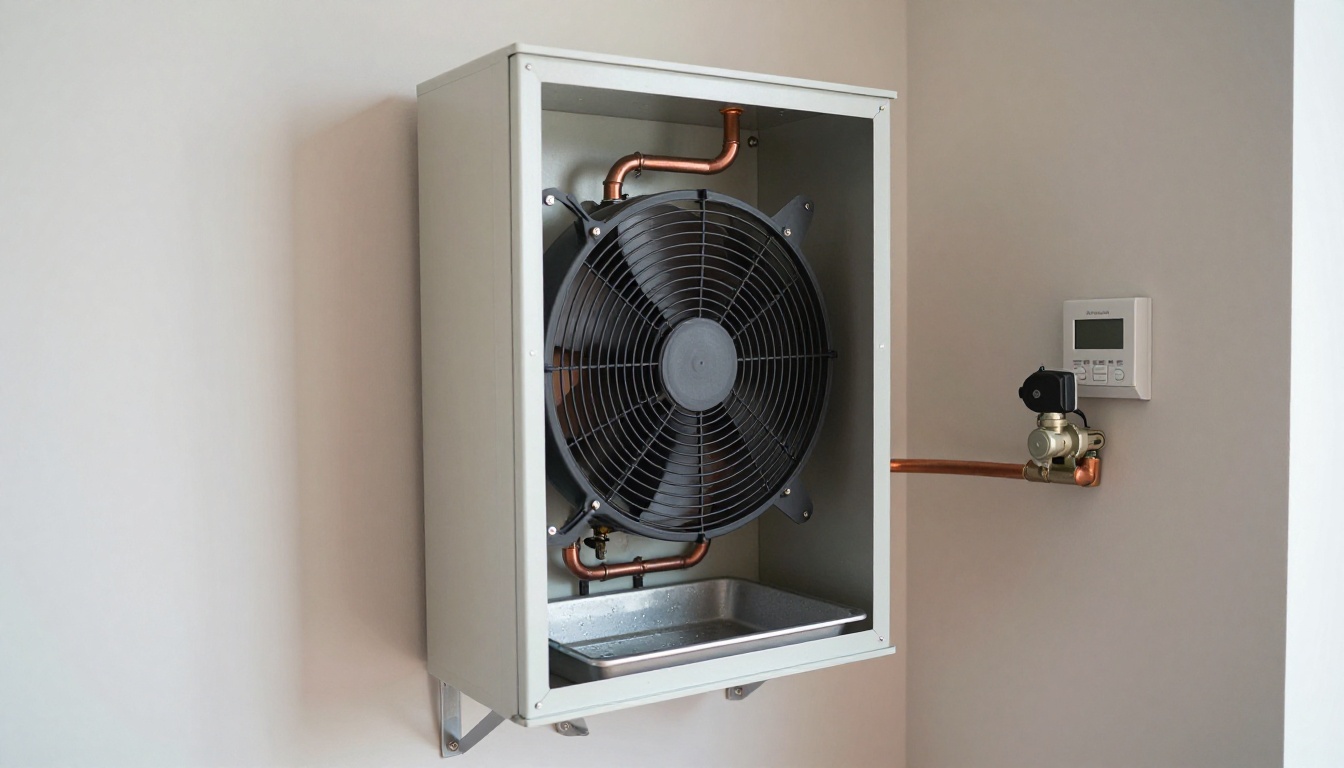
Most residents do not open the fan coil cabinet and watch the valve move. They feel the symptoms in the room. In Etobicoke condos, these are the warning signs Hudson sees most often:
1. The suite never really warms up
The thermostat is set to 23°C, the fan runs, but the air feels lukewarm or room temperature. In many cases, the actuator is not opening the hot-water valve fully, so the coil never gets enough flow.
2. The condo is overheating even when the thermostat is turned down
This happens when an actuator fails in the open position or when the valve sticks open beneath it. We see this in shoulder season quite a bit in Etobicoke, especially in south-facing glass-heavy suites near Humber Bay where solar gain already makes temperature control harder.
3. Clicking, humming, or repeated cycling from the cabinet
A worn actuator motor may try repeatedly to drive the valve without completing the stroke. Residents describe it as a faint buzz or clicking from the fan coil closet.
4. Heat works intermittently
The system may behave normally in the morning and fail by evening. That can happen when an actuator works only once it warms internally, or when loose low-voltage connections expand and contract with cabinet temperature.
5. The building has switched to heat, but your unit still acts like it is in cooling mode
This is common in two-pipe condo systems during changeover. Residents assume the whole building is at fault, but sometimes the building has already changed over and the suite-level actuator simply is not responding.
If you are already seeing these symptoms, booking Etobicoke HVAC services before true winter weather arrives is usually the smarter move.
The condo-specific reasons diagnosis matters
In a detached home, HVAC problems are often isolated to one furnace or one air conditioner. In Etobicoke condos, the situation is different. Your suite equipment sits inside a larger building system with shared risers, central boilers or chillers, building management rules, and access restrictions.
That means an actuator issue can be confused with several other problems:
- A failed thermostat not sending a heat call
- A blower motor moving air but not enough air across the coil
- A building-level hydronic balancing issue on upper floors
- A three-way valve that is seized even though the actuator is energized
- A dirty coil or blocked filter causing poor heat transfer
- Air trapped in the coil circuit after maintenance
Hudson’s approach in Etobicoke is to test the sequence, not guess the part. We verify thermostat output, check for 24V at the actuator, inspect actuator travel, confirm valve stem movement, and compare supply/return temperature response where accessible. If airflow is weak, we also inspect for blower issues and may recommend blower motor repair or fan coil repair and replacement depending on what we find.
One original point many blogs miss: in condo work, the smallest part is not always the cheapest repair path. If a $180-$250 actuator is replaced on top of a seized valve body, the resident pays twice for labour. That is why a full diagnosis matters more than the sticker price of the actuator itself.
A recent Etobicoke condo repair Hudson handled
Last fall, Hudson was called to a 25-storey condo near Park Lawn Road and Lake Shore Boulevard West in Etobicoke, in a unit on the 17th floor. The resident in a one-bedroom-plus-den suite said the thermostat was set to 24°C, but the unit would not rise above 20°C after the building’s heating season started. The fan ran continuously, and the resident noticed that the air felt cool for the first few minutes, then only slightly warm.
The suite had a concealed horizontal fan coil above the entry closet, roughly 11 years old. Building management had already confirmed the central heating loop was live and other residents on nearby floors had heat. That immediately pointed us away from a building-wide issue and toward a suite-level control problem.
Hudson’s technician started with thermostat verification and found the control was correctly calling for heat. At the valve assembly, we had 24V present at the actuator during the heat call, but the actuator head was only partially stroking. When removed, the actuator showed internal gear wear and inconsistent return. The good news: the valve stem itself was still free and moved normally by hand, so the repair could stay limited to the actuator.
There was a second issue too, which is exactly why condo diagnosis in Etobicoke has to be methodical. The drain pan beneath the coil had heavy debris and signs of past standing water. While that was not the reason for the no-heat complaint, the moisture exposure had already started oxidizing nearby wire connections. We cleaned the cabinet, secured the low-voltage splices, installed a compatible replacement actuator, and tested the heating cycle through multiple thermostat calls.
From arrival to final testing, the job took about 1 hour and 45 minutes. The resident had stable warm air within the first service visit. The total repair, including diagnosis, actuator replacement, cabinet cleaning around the valve area, and performance verification, landed in the $430 to $560 range. If the valve body had also been seized, the likely total would have moved closer to $850 to $1,150, especially with additional labour for hydronic isolation.
The practical lesson from that Etobicoke call: many residents wait because the fan still runs, so they assume the system is “mostly working.” In reality, a fan coil can sound normal while the actuator prevents proper hot-water flow. By the time the first real cold weekend hits Etobicoke, that delay becomes uncomfortable fast.
What actuator replacement usually costs in Etobicoke
Residents often ask whether actuator replacement is a minor tune-up item or a major repair. In most Etobicoke condo units, it sits in the middle.
Here are realistic in-suite ranges Hudson sees most often:
- Diagnostic visit only: about $149 to $249 depending on timing, urgency, and access conditions
- Straightforward actuator replacement: about $325 to $650 total
- Actuator plus valve-related repair: about $700 to $1,250
- After-hours or urgent no-heat service: may run higher if booked as emergency HVAC repair
Three factors move the price in Etobicoke more than residents expect:
Building access
Some concierge-managed towers near Humber Bay have tight service elevator windows, paid visitor parking, and booking requirements that add time. That does not change the part cost, but it can affect labour.
Equipment accessibility
A fan coil behind a simple louvered closet door is faster to service than a unit buried above custom millwork or behind stacked laundry. In several Etobicoke retrofits, we’ve had to remove trim panels just to reach the valve train safely.
Whether the actuator is the root cause or the victim
If the underlying valve is stiff, replacing only the actuator will not last. Proper testing avoids that mistake.
Another useful local insight: in many condo buildings, preventive service in fall costs less than emergency heating repair in January not just because of urgency pricing, but because winter failures are more likely to involve frozen occupant schedules, limited part availability, and same-day demand spikes across Toronto.
What Etobicoke condo residents can check themselves first
There are a few safe steps residents can take before calling for HVAC repair in Etobicoke. These will not replace professional diagnosis, but they can rule out simpler issues.
Confirm the building is actually in heating mode
In two-pipe buildings, there is a seasonal changeover. Ask concierge or management if heating has been activated for the tower. In Etobicoke, this comes up every fall, especially in buildings where warm days continue into October.
Check thermostat settings
Make sure the thermostat is in heat mode if applicable, not on fan-only, and that the setpoint is above room temperature. If battery-powered, replace the batteries.
Listen for the fan coil
If the fan runs but there is no real heating response after 10 to 15 minutes, that points more toward a water-flow or control issue such as the actuator or valve.
Inspect for visible water or rust
Open the fan coil or utility closet door and look for rust marks, staining, musty odours, or water around the drain pan area. If you see those signs, ask about HVAC mold remediation or drain pan cleaning and repair as part of the visit.
Replace or clean the filter if your unit uses one
Restricted airflow can make a heating problem feel worse. If you are unsure what filter type your Etobicoke condo uses, a technician can identify it during regular fan coil maintenance.
Book dryer vent cleaning at the same time if it is due
Fall is the right time to reduce winter fire risk and improve appliance performance. In condo towers, long vent runs and lint accumulation are common. Hudson often pairs heating prep with dryer vent cleaning for Etobicoke residents who want a more complete seasonal visit.
Why fall is the right time for actuator issues in Etobicoke
October and November are when hidden heating control problems reveal themselves. That is particularly true in Etobicoke because the local condo stock spans waterfront towers, transit-oriented mid-rises, and older high-rises with mixed retrofit histories.
Here is what makes fall important:
- Parts are easier to schedule before the winter rush
- Building management is often still in seasonal maintenance mode, so access coordination is easier
- You can catch weak actuators before they fail during a cold snap
- Related issues like dirty drain pans, mould growth, and clogged dryer vents can be handled in one visit
Hudson also recommends that condo residents in Etobicoke think beyond the actuator itself. If your building uses fan coils or water-source heat pumps and your suite equipment is 10+ years old, fall is the right time to schedule broader in-suite maintenance or, where applicable, heat pump maintenance. For boards and property managers, this is also when building-wide planning starts to matter, especially if recurring valve and control issues are appearing across multiple stacks. In those cases, Hudson can support larger programs through our mechanical services and mechanical comprehensive maintenance work.
When it is time to call Hudson HVAC
You should call Hudson if any of these are happening in your Etobicoke condo:
- The fan runs but your suite will not heat
- Your unit overheats and ignores thermostat settings
- The problem started right after seasonal changeover
- You hear buzzing or clicking from the valve area
- Your thermostat has been replaced recently and heating became inconsistent
- You have had repeat no-heat issues in past winters
For residents who need condo HVAC repair in Etobicoke, a focused diagnostic visit is usually the fastest path. We work specifically in condominium environments, which means we understand service elevator booking, concierge coordination, hydronic fan coil layouts, and the difference between suite-level faults and building-level issues.
One more technical point worth knowing: actuator replacement should be done with attention to electrical safety and equipment compatibility. Even though many suite actuators are low-voltage devices, wiring integrity still matters, and any associated electrical work must be performed appropriately under Ontario requirements. If moisture, failed splices, or thermostat miswiring are present, simply snapping on a new actuator is not a full repair.
FAQs about actuator replacement in Etobicoke condos
How do I know if I need actuator replacement in my Etobicoke condo?
The most common signs are a suite that stays too hot or too cold, no response when the thermostat changes mode, or a fan coil that blows air but never seems to heat properly. In many Etobicoke condos, Hudson finds failed 24V valve actuators that no longer open or close fully, especially in buildings from the late 1990s to early 2010s. A proper diagnosis usually takes 30 to 60 minutes and should include thermostat testing, voltage checks, and confirmation that the valve body itself is still mechanically sound.
How much does condo actuator replacement usually cost?
In-suite actuator replacement in a GTA condo typically falls in the $325 to $650 range depending on access, actuator type, and whether the issue is only the actuator or also the valve assembly. If the technician also finds a seized three-way valve, corroded wiring, or a thermostat communication issue, the total can rise to roughly $700 to $1,250. In Etobicoke high-rises, costs can also shift slightly if building access, parking, or management booking windows add labour time.
Can I replace a fan coil actuator myself?
Most condo residents should not treat actuator replacement as a DIY job because the diagnosis often involves live low-voltage testing, hydronic control verification, and confirming whether the valve is passing water properly. In some Etobicoke buildings, shutting down or isolating the wrong component can create leaks or leave the suite without heat before winter. Simple checks like replacing thermostat batteries or confirming schedule settings are reasonable, but actuator replacement itself is better handled by a qualified condo HVAC technician.
How long does actuator replacement take in a condo unit?
If the problem is limited to the actuator and the correct part is available, the work itself often takes about 1 to 2 hours inside the suite. Diagnosis, access coordination, and testing can add another 30 to 60 minutes, especially in Etobicoke towers with fan coil cabinets tucked behind laundry closets or entry millwork. If the valve body is also stuck and requires a broader repair, the appointment can extend to 2 to 4 hours depending on isolation requirements.
Why do actuator problems show up in Etobicoke during fall?
Fall is when Etobicoke condo residents first switch from cooling season to heating season, so dormant actuator problems finally become obvious. After sitting through summer, weak motors, brittle gears, or sticky valves often fail on the first real call for heat. Hudson also sees more complaints in lakeside Etobicoke buildings because shoulder-season temperature swings near Humber Bay can cause frequent cycling that exposes borderline components faster.
Don’t wait until your Etobicoke condo loses heat in January
If your suite temperature has been inconsistent, if your fan coil sounds normal but the air never warms properly, or if your thermostat has become unreliable since seasonal changeover, this is the time to deal with it. In Etobicoke, fall HVAC appointments are about prevention as much as repair. A small control failure today can become a no-heat emergency once winter arrives.
Hudson HVAC can inspect the actuator, valve, thermostat, blower operation, and drain condition in one visit so you know exactly what is happening inside your condo HVAC system. If you are in Humber Bay, Mimico, The Queensway, Islington, or anywhere else in Etobicoke, now is the right time to get your suite winter-ready.
For more local service information, visit our Etobicoke HVAC services page, or browse more condo-specific guidance on the Hudson blog.
Contact Hudson
- Contact Us
- Phone: +1 (437) 448-0640
- Email: service@hudsonhvac.ca