
Actuator Replacement in Markham Condos: Fall Guide
Need actuator replacement in Markham? Learn condo HVAC warning signs, repair costs, timelines, and fall heating prep for Markham residents.
- Hudson HVAC
- 16 min read
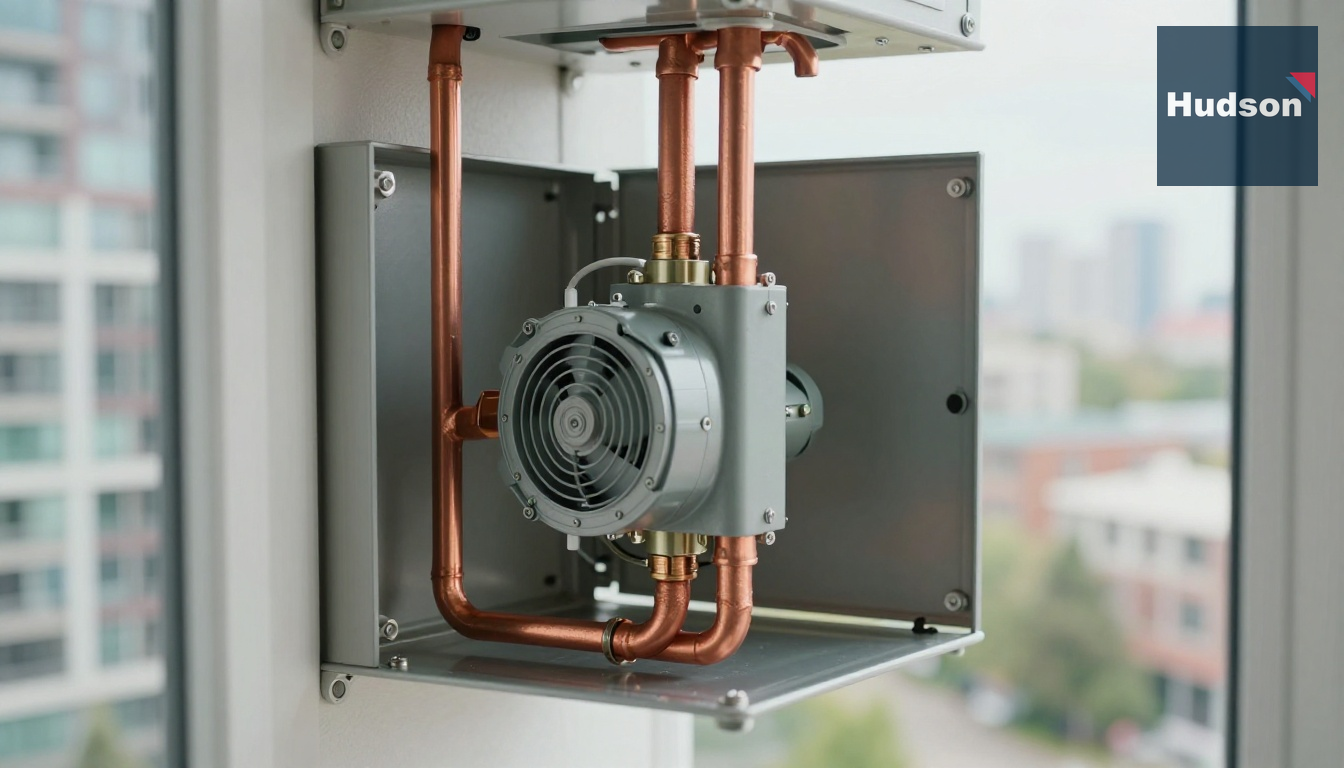
Actuator Replacement for Markham Condo Residents
Quick summary: If your condo is blowing air but not heating properly, overheating one room, or making clicking noises from the fan coil cabinet, you may need actuator replacement in Markham. In fall, this is one of the most common suite-level issues Hudson HVAC sees across Markham condos, especially in buildings along Highway 7, downtown Markham, Unionville, and the Warden corridor where hydronic fan coil and heat pump systems are now old enough for control components to start failing.
For condo owners and tenants, actuator problems are frustrating because they often feel like “mystery” heating issues. The thermostat looks normal, the fan runs, and building management may confirm the central system is on — but your suite still never gets comfortable. That is exactly where experienced condo HVAC repair in Markham matters.
Why actuator failures are so common in Markham condos
Markham has one of the most varied condo inventories in the GTA. You have newer towers near Downtown Markham and Birchmount, established high-rises around Highway 7 and Warden, mid-rises near Unionville GO, and growing condo communities around Cornell and Markham Centre. From an HVAC standpoint, those buildings often share one thing: suite-level equipment depends on small control parts doing very precise work.
In many Markham condos, the in-suite heating system is a fan coil unit or water-source heat pump with a motorized actuator attached to a valve. That actuator opens or closes water flow through the coil based on the thermostat signal. When it fails, the suite may get no heat, too much heat, delayed heat, or heat only intermittently. Residents often think they need a thermostat replacement, but in practice we find that the actuator is a frequent culprit in Markham buildings that are 10 to 20 years old.
A condo-specific detail many homeowners do not realize: your suite can have a perfectly healthy blower motor and still feel cold because the hydronic side is not being controlled properly. That is why Hudson never treats “no heat” in a condo the same way we would in a detached house. The diagnosis starts at the suite equipment, the valve package, the thermostat signal, and the building’s seasonal operating mode.
If you are dealing with erratic comfort right now, our Markham HVAC services page outlines the condo-specific support Hudson provides across the city.
What an actuator actually does in a condo HVAC system
In plain terms, the actuator is the small motorized component that tells the valve to open or close. In a typical fan coil closet in Markham, it is mounted on a two-way or three-way valve assembly near the coil piping. When the thermostat calls for heat, the actuator energizes and moves the valve so hot water can circulate through the coil. When the room reaches setpoint, it relaxes back and reduces or stops flow.
This matters because the actuator is a control device, not a high-visibility part. Residents do not hear about it until it breaks. Yet one failed actuator can cause:
- No heat even though the fan runs
- Overheating because the valve remains open
- Short cycling comfort complaints where the suite warms and cools unpredictably
- Clicking, buzzing, or faint motor noise from the fan coil cabinet
- Higher hydro use when the blower runs longer trying to satisfy temperature
In Markham condos, especially high-rises with compact mechanical closets, actuators also fail early when dust, humidity, past condensate issues, or poor access make maintenance harder. We see this frequently in units where the fan coil has not had routine in-suite maintenance in several years.
The fall pattern we see every year in Markham
October and November are when actuator problems become obvious. During summer, a weak actuator may not show itself clearly if the system is mostly cooling or if the valve has stayed in one position. Once the building transitions for heating season, the actuator suddenly has to move reliably again.
That is why Markham residents often call us after the first cold snap with one of these descriptions:
- “The fan is on but the air is lukewarm.”
- “My bedroom is freezing but the living room is stuffy.”
- “The thermostat says 24°C but the suite feels like 20°C.”
- “It only heats if I turn the temperature way up.”
- “The unit clicks, then nothing happens.”
Those are classic shoulder-season symptoms. In condo towers around Enterprise Boulevard, Warden Avenue, South Unionville, and near Markville Mall, we often find that the central plant is functioning and neighboring suites are fine. The issue is local to the suite: failed actuator, stuck valve stem, bad control wiring, or a thermostat not sending 24V properly.
A technical point most blogs skip: on many condo systems, the actuator can fail in a partially open position. That creates the most confusing complaints because the suite gets some heat, just not enough. Residents then spend weeks lowering and raising the thermostat when the real fix is replacing the actuator or, in some cases, the three-way valve beneath it.
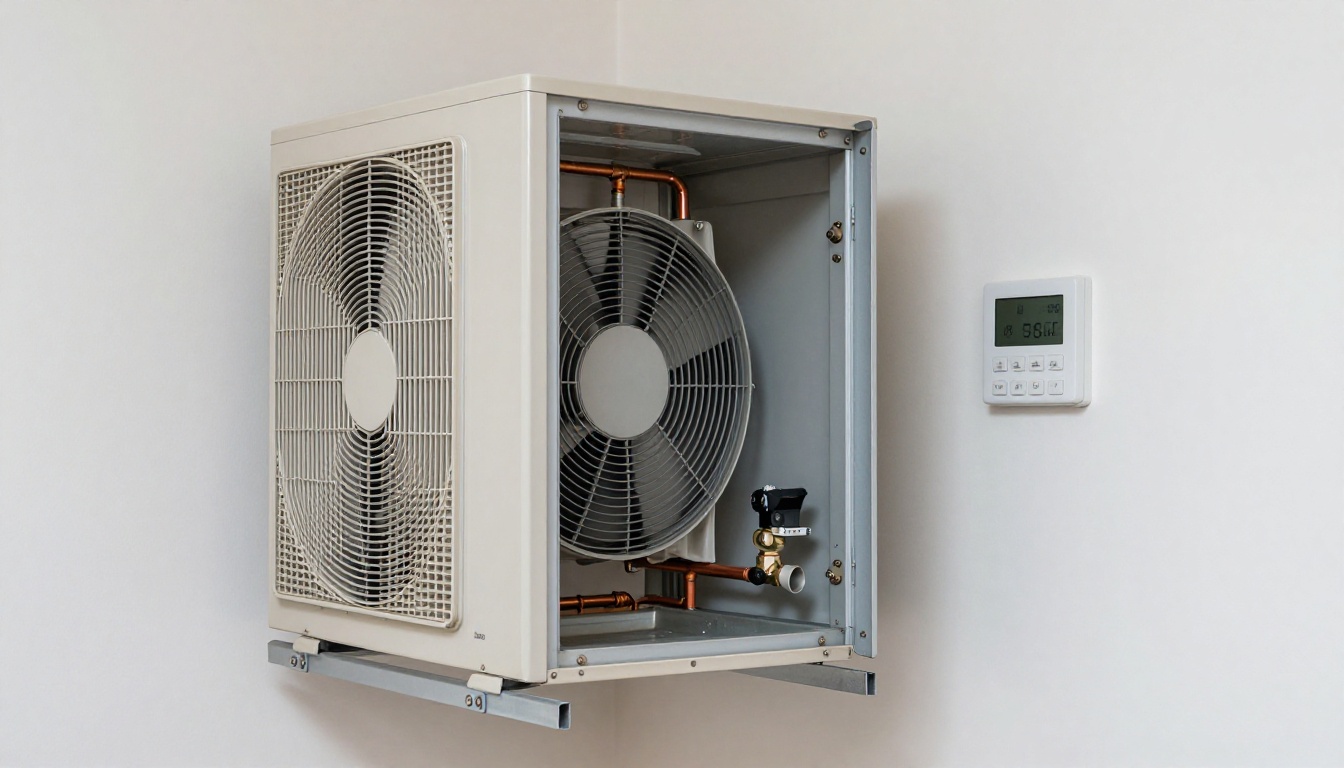
Common causes of actuator replacement in Markham
1. Age-related motor failure
Most condo actuators are small electric motors with gears or thermal elements that wear out. In Markham buildings completed roughly between 2004 and 2016, we are now seeing a steady wave of first-time actuator replacements. Once these components cross the 8- to 15-year mark, failure rates rise sharply, especially if they have been cycling through multiple seasonal changeovers.
2. Valve resistance or mineral buildup
Sometimes the actuator is not the original problem. If the valve stem becomes stiff from scale, debris, or long periods without movement, the actuator has to work harder until it burns out. This is why Hudson checks the valve stem manually during diagnosis. Replacing the actuator without checking the valve can lead to a repeat failure within one heating season.
3. Electrical signal issues
In Markham condos, we occasionally find low-voltage control issues caused by aging thermostats, loose spade connections, or damaged wiring in tight fan coil cabinets. A resident may think they need actuator replacement, but the actuator is actually fine and the thermostat is not sending a clean call for heat. That is where proper testing matters, including voltage checks and continuity verification. If needed, Hudson also handles thermostat installation and replacement.
4. Condensation and past drain issues
This is a condo-specific insight many people overlook in Markham: a neglected drain pan or blocked condensate line can contribute to corrosion and premature failure of nearby controls. We have opened fan coil cabinets in towers near Highway 7 where old moisture marks around the valve package told the whole story. That is one reason fall is a smart time to combine actuator inspection with drain pan cleaning and repair and full fan coil maintenance.
5. Wrong replacement parts from previous service
Not every actuator is interchangeable. Stroke length, voltage, normally-open versus normally-closed operation, and valve compatibility matter. We have seen Markham condos where a previous contractor installed a “close enough” part that led to chronic overheating because it never fully seated the valve. Accurate model matching is one of the biggest differences between general HVAC work and true condo HVAC work.
A recent Markham condo repair Hudson handled
The most useful way to explain this is with a realistic example.
In late October, Hudson was called to a 27-storey condo near Enterprise Boulevard and Birchmount Road in Markham. The resident on the 19th floor had a vertical fan coil unit in the front hall closet. The suite owner described the problem this way: “The fan runs, but the unit only gives warm-ish air for a few minutes, then the condo cools off again. At night it drops below 21°C unless we set the thermostat to 26°C.”
Building management had already confirmed that the heating loop was active and neighboring suites were receiving heat. That immediately told us the issue was likely inside the suite.
What Hudson found
We removed the front panel and tested the system while the thermostat called for heat. The blower responded normally, but the valve actuator was only partially traveling. Voltage to the actuator was present, which ruled out the thermostat as the primary fault. The valve stem underneath was also noticeably stiff — not seized solid, but resistant enough that the actuator had been struggling.
The fan coil itself was about 13 years old, typical for many Markham condo towers built during that development cycle. The resident had also noticed occasional ticking from the cabinet over the previous winter, which was an early warning sign. We explained that replacing only the actuator might restore operation temporarily, but because the valve stem was binding, there was a strong chance of another breakdown.
The repair plan
Hudson recommended replacing both the actuator and the valve assembly during the same visit if building isolation could be coordinated. We worked with concierge and management to confirm access procedures and hydronic shut-off timing. This is an important condo detail in Markham: some buildings can isolate a suite branch quickly, while others need engineering staff or a scheduled mechanical window.
Once access was confirmed, we replaced the failed actuator and completed a three-way valve replacement. We also cleaned the coil face, verified thermostat operation, checked amperage on the blower, and inspected the drain pan because the closet showed minor historical moisture staining.
Timeline and cost
- Diagnosis: about 45 minutes
- Building coordination and access wait: about 1 hour
- Valve and actuator replacement: about 2.5 hours
- Functional testing and temperature verification: 20 minutes
The total repair landed in the $780 to $1,050 range, depending on the final valve configuration and isolation conditions. If the valve stem had been free and healthy, a straightforward actuator-only repair would likely have been closer to $375 to $595.
Result
After repair, supply air temperature stabilized, room temperature rose normally, and the resident no longer had to overdrive the thermostat. We advised them to schedule yearly fan coil repair and replacement support reviews as the equipment continues to age.
This kind of job is exactly why residents looking for actuator replacement Markham should choose a company that understands condos, not just HVAC in general. In Markham, building access, hydronic controls, and suite equipment layouts matter as much as the part itself.
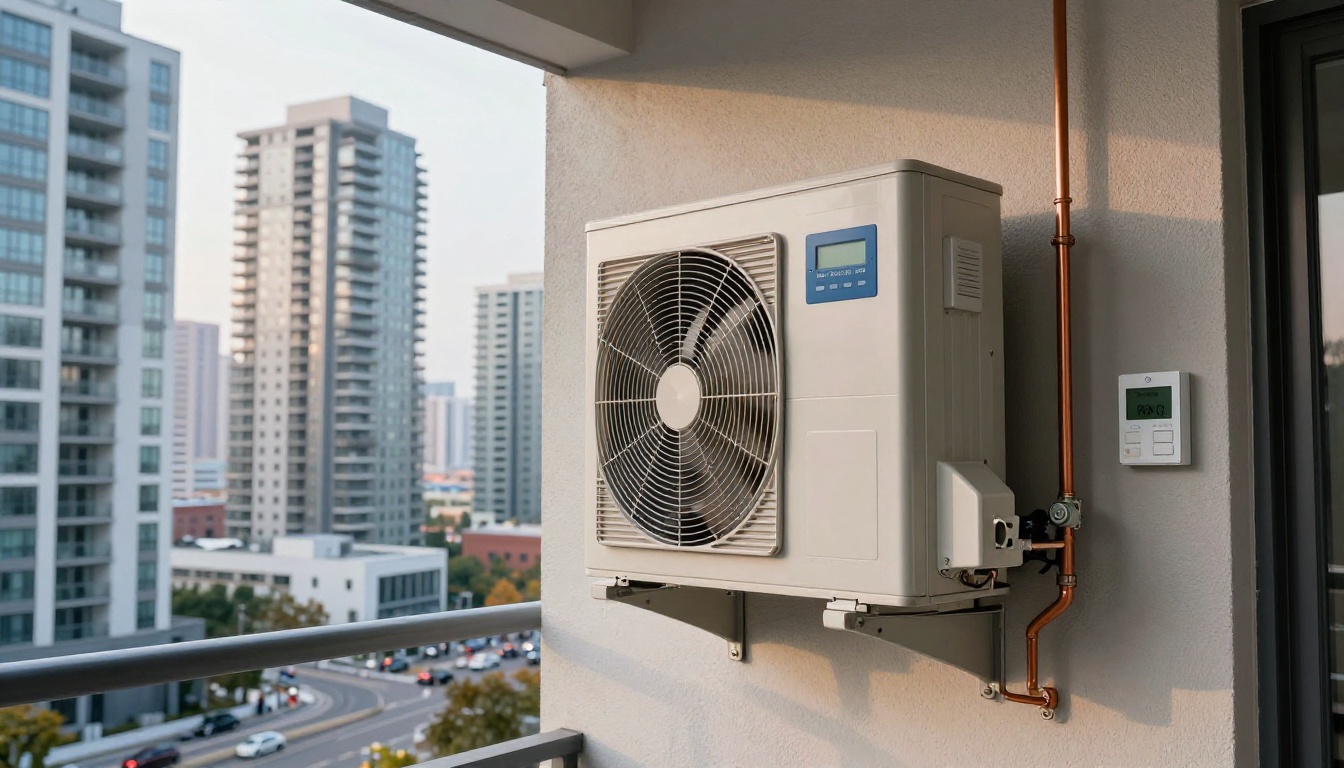
What Markham condo residents can do before calling for service
There are a few useful checks you can do safely before booking a repair. These steps will not solve every actuator issue, but they can help narrow down the problem and save time.
Confirm the building is in heating mode
In shoulder season, some Markham condos switch centrally between cooling and heating. If your building has not completed the seasonal changeover, your suite may not be able to deliver heat no matter what the thermostat says. Check notices from management or concierge first.
Raise the thermostat by 2 to 3 degrees
If the fan turns on but the air stays cool after several minutes, that points toward a water flow or control problem, not a simple setpoint issue. If nothing at all changes, the thermostat or control circuit may be involved.
Listen for clicking at the valve area
A repeated click or hum from inside the fan coil cabinet can indicate an actuator trying and failing to move. Do not remove covers unless you are comfortable and permitted to do so under your condo rules, but note the sound and timing for the technician.
Check the filter and airflow path
Restricted airflow will not cause a bad actuator, but it can make heating performance seem worse. If your unit has a serviceable filter, confirm it is not clogged. This is also a good time to think about seasonal heat pump maintenance or ERV maintenance if your suite includes those systems.
Book dryer vent cleaning in fall too
This may sound unrelated, but in Markham condos, fall is the right time to handle both heating prep and dryer vent cleaning. Restricted dryer vents increase drying times, waste energy, and can create excess lint and heat in compact utility closets where HVAC equipment is also located. In several condo stacks we service, poor housekeeping in these shared service areas contributes to dust loading in fan coil compartments.
Repair or replace? What makes sense in a Markham condo
Not every actuator problem means major work. Here is how Hudson usually approaches it in Markham:
Replace the actuator only when:
- The valve stem moves freely
- There is no leakage at the valve body
- Voltage and control logic are correct
- The actuator motor or internal drive has clearly failed
Replace both actuator and valve when:
- The stem is stiff or sticking
- The valve body leaks or shows corrosion
- The unit has repeat seasonal heating complaints
- The actuator likely failed because the valve load was too high
Consider broader equipment planning when:
- The fan coil or heat pump is nearing end of life
- Multiple components are failing together
- The cabinet has chronic corrosion, mold, or drainage issues
- The building is discussing a larger in-suite retrofit program
In some older Markham towers, it is more economical to plan for future fan coil retrofit projects rather than keep patching multiple aging components year after year. Hudson also supports building-wide and board-level planning through our mechanical services and mechanical comprehensive maintenance programs.
Real cost ranges and technical details Markham residents should know
Here are a few practical numbers we share with condo owners in Markham:
- Diagnosis only: often $150 to $250, depending on after-hours timing and complexity.
- Actuator-only replacement: commonly $325 to $650 in a standard condo application.
- Actuator plus valve replacement: often $650 to $1,250, especially if shut-off coordination is required.
- Emergency same-day heating calls: may run higher, especially evenings or weekends. Hudson offers emergency HVAC repair when the situation cannot wait.
Three original technical insights condo owners in Markham rarely hear from generic blogs:
A failed actuator can mimic a blower problem. If air volume feels normal but room temperature never climbs, the issue is often water-side control, not the fan. Replacing a blower motor without confirming valve operation is a common misstep.
Ontario condo work often involves multiple layers of responsibility. The suite owner may own the fan coil, while the building controls the riser isolation or access protocol. Good HVAC service in Markham means understanding not just the equipment, but also management approvals and service elevator procedures.
Electrical safety and code matter even on “small” repairs. If thermostat wiring or control voltage issues are present, work must be done correctly and safely. Depending on the repair scope, ESA-compliant practices are essential, and if broader hydronic or mechanical changes are involved in common elements, building engineering oversight becomes important. That is one reason condo-specific experience is so valuable.
When to call Hudson HVAC
Call Hudson if any of the following are happening in your Markham condo:
- The suite is not heating even though the fan runs
- One room overheats while another stays cold
- You hear clicking or buzzing from the fan coil cabinet
- Your thermostat seems to work, but the temperature never stabilizes
- The problem returns every fall or every seasonal switchover
- Building management says the central system is operating normally
If you are already seeing these signs in Markham, do not wait for the first deep freeze. Actuator issues rarely improve on their own, and once the valve begins sticking, a minor repair can become a bigger one. Hudson handles actuator replacement, diagnostics, and related condo repairs across the city.
For residents who want local support, start with our page for condo HVAC repair in Markham. If your issue turns out to be part of a larger system problem, Hudson can also assess whether you need heat pump repair or replacement, mold remediation, or broader in-suite service.
FAQs
How do I know if I need actuator replacement in my Markham condo?
The most common signs are inconsistent heating, a fan coil that blows air but never gets properly warm, clicking near the valve body, or a suite that overheats even when the thermostat is satisfied. In many Markham condos, especially buildings from the mid-2000s around Highway 7 and Warden or downtown Markham, failed actuators show up first during fall switchover because the valve no longer opens or closes fully. A proper diagnosis usually takes 30 to 60 minutes and should confirm whether the actuator failed, the thermostat is not sending signal, or the three-way valve is sticking mechanically.
How much does condo actuator replacement cost?
In GTA condos, a straightforward actuator replacement typically falls between $325 and $650 including diagnosis, labour, and a standard residential-grade part, depending on access, wiring configuration, and whether the valve body is still usable. If the actuator failed because the underlying valve is seized, the total can rise to roughly $650 to $1,250 when a valve replacement and hydronic isolation are needed. In Markham high-rises, costs also vary based on concierge booking rules, shut-off coordination, and whether the fan coil cabinet is difficult to access in a tight laundry or entry closet.
Can a bad actuator cause no heat even if the fan coil still runs?
Yes. The blower motor can run normally while the actuator fails to open the hot-water valve, which means air moves through the suite but the coil never receives enough heating water. This is common in condo fan coil and vertical stack systems, where residents assume the thermostat or fan is the problem when the real issue is the small motorized actuator controlling water flow.
Should I replace just the actuator or the valve too?
If the valve stem moves freely, there is no leakage, and the actuator failure is electrical or motor-related, replacing only the actuator is usually the most cost-effective option. If the stem is stiff, the valve body is leaking, or the unit has a history of seasonal sticking, replacing both the actuator and the valve often prevents a second service call within the same heating season. In older Markham condo towers, we often see actuator failure as the symptom and mineral buildup inside the valve as the root cause.
Why do actuator problems show up in Markham condos during fall?
Fall is when many Markham condo residents first switch from cooling expectations to heating demand, so dormant hydronic components finally have to move after months of limited use. In buildings near Unionville, Cornell, and the Highway 7 corridor, we often find actuators that survived summer but fail during October or November when the heating valve is asked to open repeatedly. That is why fall preventive maintenance is the best time to test the actuator, inspect the valve, clean the drain pan, and confirm the thermostat is staging properly before winter arrives.
Don’t wait until your Markham condo goes cold
If your suite in Markham is already showing signs of weak heat, overheating, or inconsistent temperature control, fall is the right time to deal with it. Once winter really sets in, service demand rises fast across Markham, and a small actuator issue can turn into a no-heat emergency when overnight temperatures drop.
Hudson HVAC works in condos every day — not just houses, not just commercial rooftops, but real in-suite fan coils, heat pumps, valves, and controls in occupied residential towers. If you want a clear answer on whether you need actuator replacement, valve work, or a broader in-suite maintenance visit, contact us before the seasonal rush.
You can also explore more condo-specific guidance on the Hudson blog or review our projects to see the kind of building work Hudson supports across the GTA.
Contact Hudson
- Contact Us
- Phone: +1 (437) 448-0640
- Email: service@hudsonhvac.ca