Building Automation Systems: Save Money with Smart Controls in Toronto Condos
Discover how building automation systems enhance efficiency and cut costs in Toronto condos. Learn about smart HVAC controls and their impact.
- Hudson HVAC
- 4 min read
Building Automation Systems: Save Money with Smart Controls in Toronto Condos
Quick summary: As spring blooms across Toronto, it’s the perfect time to explore how building automation systems (BAS) can revolutionize energy management in your condo. By leveraging smart HVAC controls, condos can significantly reduce energy costs, improve efficiency, and enhance comfort, making them a wise investment for both new and older buildings in the GTA.
The Fast Diagnosis: What’s Going On
In many condo buildings across Toronto, inefficient HVAC systems are responsible for a significant chunk of energy waste. With fluctuating spring temperatures, energy bills can skyrocket if systems aren’t optimized. A building automation system (BAS) can provide a solution by integrating and automating HVAC operations, ensuring systems run only when necessary and at optimal efficiency.
Common Causes: Why This Happens
Traditional HVAC systems in condos often operate on fixed schedules regardless of occupancy or external temperature changes. This lack of dynamic control results in energy wastage, particularly during spring when heating and cooling needs can fluctuate throughout the day. Moreover, without real-time data, it’s challenging to detect and address inefficiencies or malfunctions promptly.
What You Can Do Right Now: DIY Safe Steps
While implementing a full BAS requires professional installation, there are immediate steps you can take to enhance efficiency:
- Adjust Thermostats: Ensure thermostats are programmed to reflect current occupancy and seasonal needs. Consider smart thermostats that can be integrated into a future BAS.
- Seal Windows and Doors: Simple drafts can lead to significant energy loss. Check for and seal any gaps in windows and doors.
- Inspect Ducts and Vents: Ensure all ducts and vents are unobstructed and clean, allowing for optimal airflow.
When to Call a Professional: Signs You Need Help
If you’re noticing inconsistent temperatures across units, unexpected spikes in energy bills, or frequent HVAC malfunctions, it might be time to consider a BAS. Professional assessment can identify inefficiencies and offer tailored solutions to optimize your building’s HVAC system.
What to Expect from a Service Visit: Typical Timeline and Process
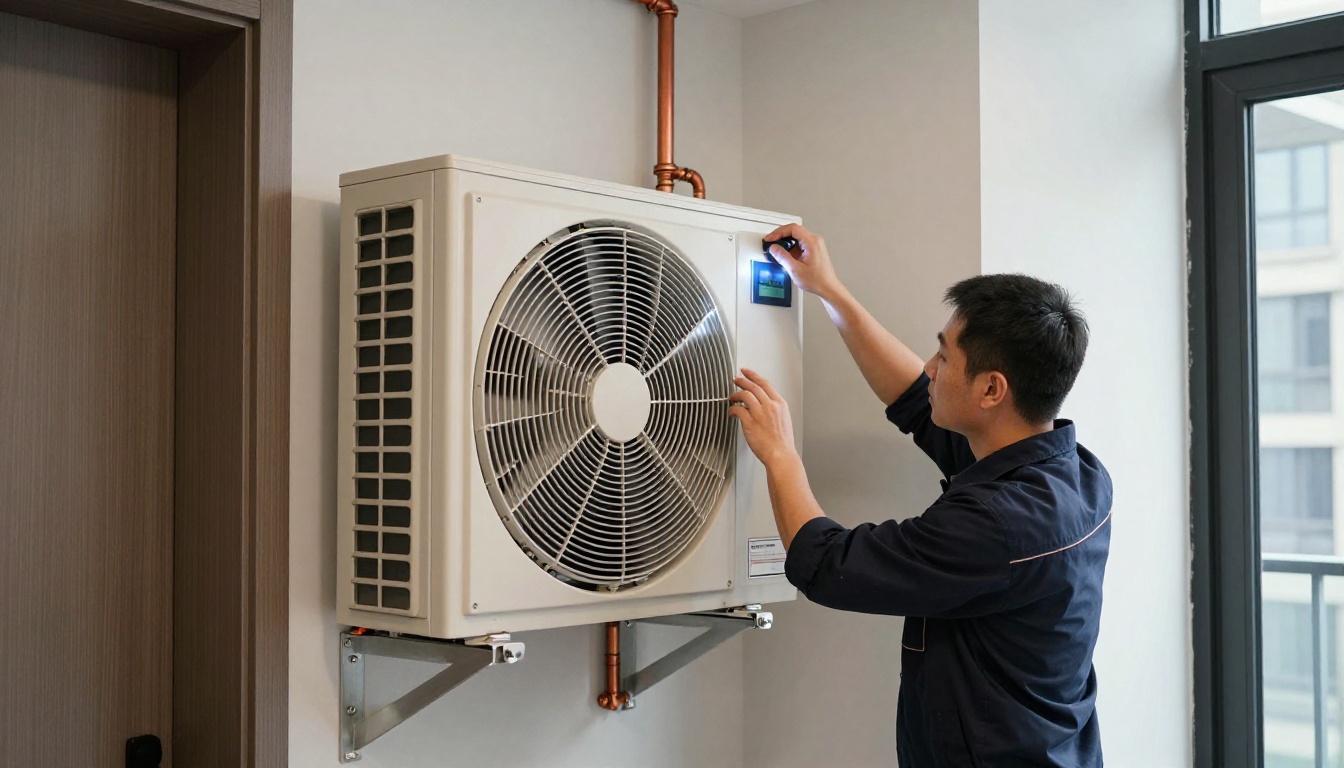
A comprehensive BAS installation begins with a detailed audit of your building’s current systems. This process usually takes 1-2 weeks, involving data collection, system analysis, and proposal development. Implementation varies depending on complexity but typically is completed within 3-6 months. Hudson HVAC offers free assessments to determine the best approach for your building.
Cost Factors with Real Ranges
The cost of installing a BAS in a Toronto condo varies, generally between $2,500 and $7,500 per zone. Factors influencing cost include system complexity, the number of integrated components, and the existing infrastructure’s capability to support automation. Despite the upfront cost, many buildings see a return on investment within 3-5 years due to energy savings.
Comparison: BAS vs. Traditional Controls
| Feature | Traditional Controls | Building Automation System |
|---|---|---|
| Energy Efficiency | Moderate | High |
| Real-Time Monitoring | No | Yes |
| Cost Savings | Limited | 10-30% reduction possible |
| Occupant Comfort | Variable | Consistently high |
FAQs
What is a Building Automation System (BAS)?
A BAS integrates building operations like HVAC, lighting, and security into a centralized control system. It optimizes performance by adjusting operations based on real-time data, offering energy savings and increased comfort in condo buildings.
How does a BAS save money for condo buildings?
BAS maximizes energy efficiency by optimizing HVAC operations, reducing energy waste, and enabling precise control of building systems. This can lead to a 10-30% reduction in energy costs.
What are the initial costs for implementing a BAS in a Toronto condo?
Implementation costs can vary widely based on the building’s size and complexity, ranging from $2,500 to $7,500 per zone. However, the investment often pays for itself within 3-5 years through energy savings.
Can a BAS help with seasonal transitions like spring HVAC changes?
Yes, a BAS can automatically adjust systems for seasonal transitions, optimizing heating and cooling settings. This ensures efficient operation and maintains occupant comfort during fluctuating spring temperatures.
How does a BAS improve HVAC system lifespan?
By reducing unnecessary wear and tear through optimized control and monitoring, a BAS extends the lifespan of HVAC components, delaying the need for costly replacements and repairs.
Next Steps: Call to Action
If you’re ready to explore the benefits of a building automation system, contact Hudson HVAC for a free assessment. Whether you’re managing a North York high-rise or a Mississauga mid-rise, our experts can tailor a solution to meet your needs. Don’t wait for summer heat waves to hit—optimize your building’s efficiency today.
Contact Hudson
- Contact Us
- Phone: +1 (437) 448-0640
- Email: service@hudsonhvac.ca