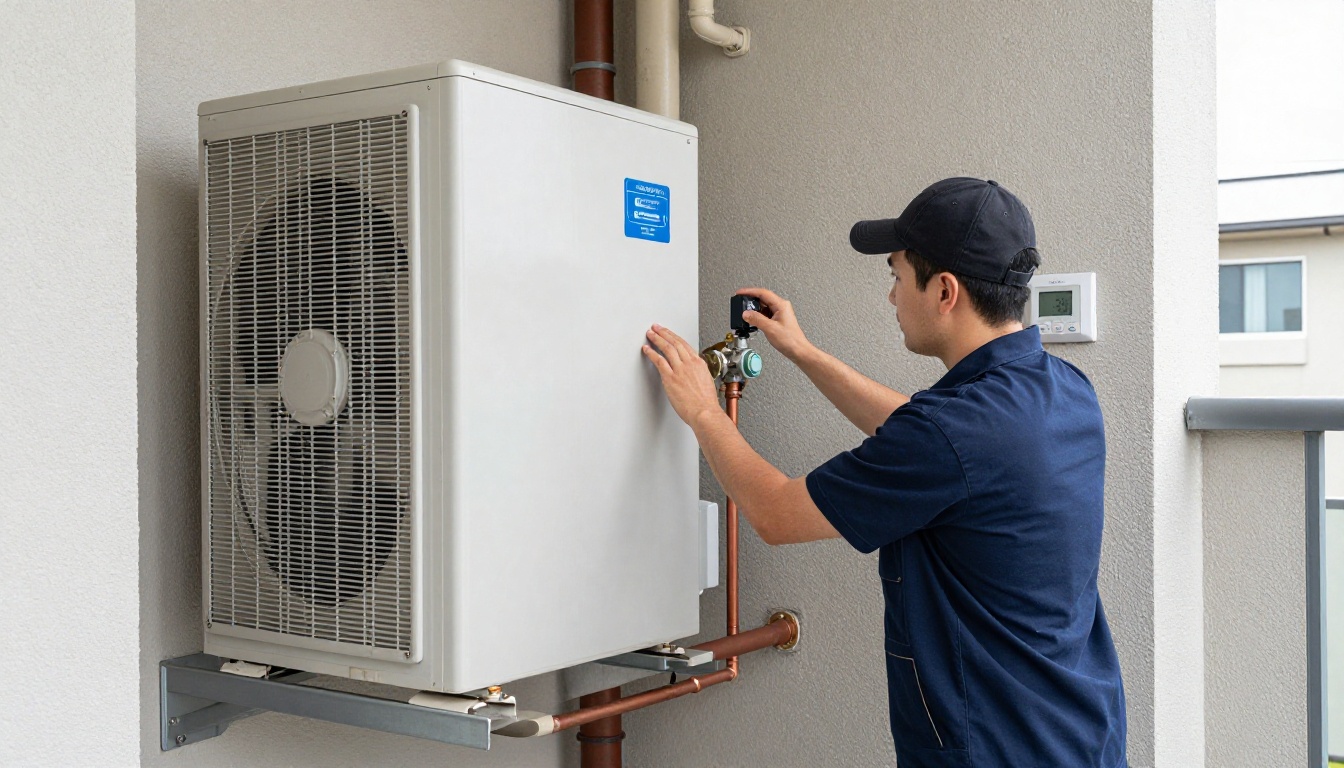
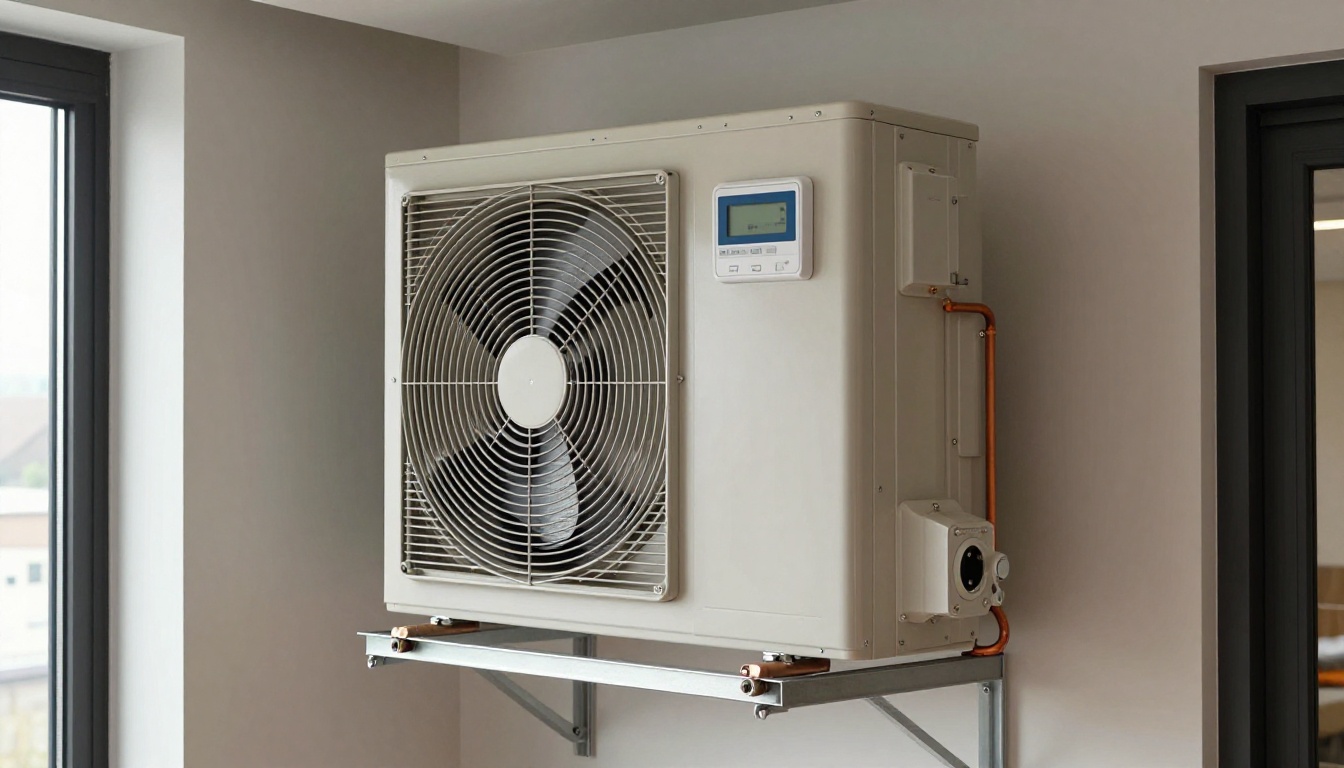
Carbon Monoxide Risks from Condo HVAC Systems: Warning Signs and Prevention in Toronto
Learn about the carbon monoxide risks posed by condo HVAC systems in Toronto and how to prevent them with expert insights and steps.
- Hudson HVAC
- 4 min read
Carbon Monoxide Risks from Condo HVAC Systems: Warning Signs and Prevention in Toronto
Quick summary: Carbon monoxide (CO) is a silent, odorless threat that can arise from condo HVAC systems. Understanding the warning signs, preventive measures, and when to seek professional help is crucial for ensuring safety in Toronto’s high-rise living environments.
The Fast Diagnosis: What’s Going On?
Carbon monoxide is a potentially deadly gas that can leak from various HVAC components in condos, especially during the transition to winter heating. As Toronto’s fall temperatures dip, residents begin to rely more heavily on heating systems, which increases the risk of CO leaks from boilers, fan coils, and heat pumps. Understanding these risks is essential for preventing exposure and ensuring a safe living environment.
Common Causes: Why This Happens
The primary sources of carbon monoxide in condos include:
- Malfunctioning Boilers and Heat Pumps: Poor maintenance can lead to incomplete combustion, producing CO.
- Blocked Ventilation Systems: Leaves and debris can clog vents, trapping CO inside the building.
- Aging Equipment: Older condos, particularly those built before the 2000s in areas like North York or Etobicoke, may have outdated systems prone to leaking.
- Poorly Installed Units: Improper installation can cause gas leaks.
In older buildings, such as those in Scarborough and Hamilton, we often encounter issues like rusted heat exchangers or degraded flue pipes, both of which can facilitate CO leaks.
What You Can Do Right Now: DIY Safe Steps
- Install Carbon Monoxide Detectors: Ensure detectors are placed in every sleeping area and near HVAC equipment. Test them monthly.
- Check for Visible Issues: Look for rust or cracks on heat exchangers and pipes.
- Ensure Adequate Ventilation: Regularly clean and inspect exhaust vents and chimneys.
- Monitor for Warning Signs: Be alert to symptoms like headaches or dizziness, and check for signs of incomplete combustion, such as yellow burner flames.
When to Call a Professional: Signs You Need Help
Professional help is crucial if:
- A carbon monoxide detector alarms.
- Unusual smells or symptoms occur, such as headaches or nausea.
- There are visible signs of corrosion or soot around HVAC units.
Hudson HVAC offers emergency HVAC repair services and can conduct thorough inspections to ensure your systems are safe.
What to Expect from a Service Visit: Typical Timeline and Process
When Hudson HVAC visits for a carbon monoxide concern, the process usually involves:
- Initial Assessment: A thorough inspection of HVAC equipment and detectors.
- Diagnostics: Using specialized tools to measure CO levels and check combustion efficiency.
- Repairs and Recommendations: Addressing any immediate risks and advising on preventive measures. This process typically takes 1-2 hours per unit.
Cost Factors with Real Ranges
The costs for addressing carbon monoxide risks can vary based on the issue:
- CO Detector Installation: $50-$150 per unit, depending on the brand and features.
- Boiler or Heat Pump Repair: $300-$800, including parts and labor.
- Comprehensive Inspection: $150-$300, which includes a full system check.
FAQs
What are the common sources of carbon monoxide in condos?
Common sources include improperly maintained boilers, malfunctioning heat pumps, and blocked ventilation systems. Condo residents should ensure regular maintenance to mitigate these risks.
How can I tell if my condo HVAC system is leaking carbon monoxide?
Signs include a yellow burner flame, soot around the appliance, excessive condensation on windows, and stale or stuffy air. A carbon monoxide detector should be installed to alert you to any leaks.
What preventive measures can I take against carbon monoxide leaks?
Regular maintenance, installing carbon monoxide detectors, ensuring proper ventilation, and checking for rust or cracks in heat exchangers are critical preventive measures.
When should I call a professional for carbon monoxide concerns?
If you notice any warning signs like unusual smells, headaches, or if your detector alarms, contact an HVAC professional immediately for inspection and repair.
How often should carbon monoxide detectors be tested in condos?
Detectors should be tested monthly, and batteries replaced at least once a year. It is recommended to replace the detectors every 5-7 years to ensure they function properly.
Next Steps
To ensure your condo is safe from carbon monoxide risks this winter, contact Hudson to schedule an inspection or maintenance service. Our team can help secure your home and provide peace of mind.
Contact Hudson
- Contact Us
- Phone: +1 (437) 448-0640
- Email: service@hudsonhvac.ca