
Circulation Pump Guide for Toronto Condo HVAC
Learn how a circulation pump works in a Toronto condo HVAC system, failure signs, costs, lifespan, and hydronic pump repair guidance.
- Hudson HVAC
- 15 min read
Circulation Pump Guide for Toronto Condo HVAC
Quick summary: A circulation pump is the heart of a condo hydronic system. It moves hot or chilled water through the building so every fan coil, vertical stack unit, or water-source heat pump can actually heat or cool your suite. In Toronto condos, circulation pump problems often get mistaken for thermostat, valve, or fan coil issues, but when the building pump is weak or failing, the entire system struggles.
Most Toronto high-rise condos rely on some form of hydronic circulation, whether the suites use fan coils, vertical stack units, or water-source heat pumps. Hudson HVAC sees this all the time in Toronto, North York, Mississauga, and Vaughan: residents complain that the blower is running, but the air just is not getting warm enough in fall heating season or cool enough during summer demand. Very often, the problem starts in the mechanical room with the riser circulation pump.
If you are dealing with weak heating, uneven temperatures from floor to floor, or repeated building-wide comfort complaints, this guide explains what a circulation pump does, how it fails, what it costs to replace in Toronto, and what Hudson looks for during diagnosis. For related suite-level issues, Hudson also handles fan coil repair, heat pump repair, and building-level preventive maintenance.
What Is a Circulation Pump?
A circulation pump is the mechanical device that pushes water through a condo building’s closed-loop HVAC piping system. Think of it like the building’s cardiovascular pump: the boiler or chiller creates the heating or cooling energy, but the circulation pump is what actually delivers that energy through the risers and out to the suites.
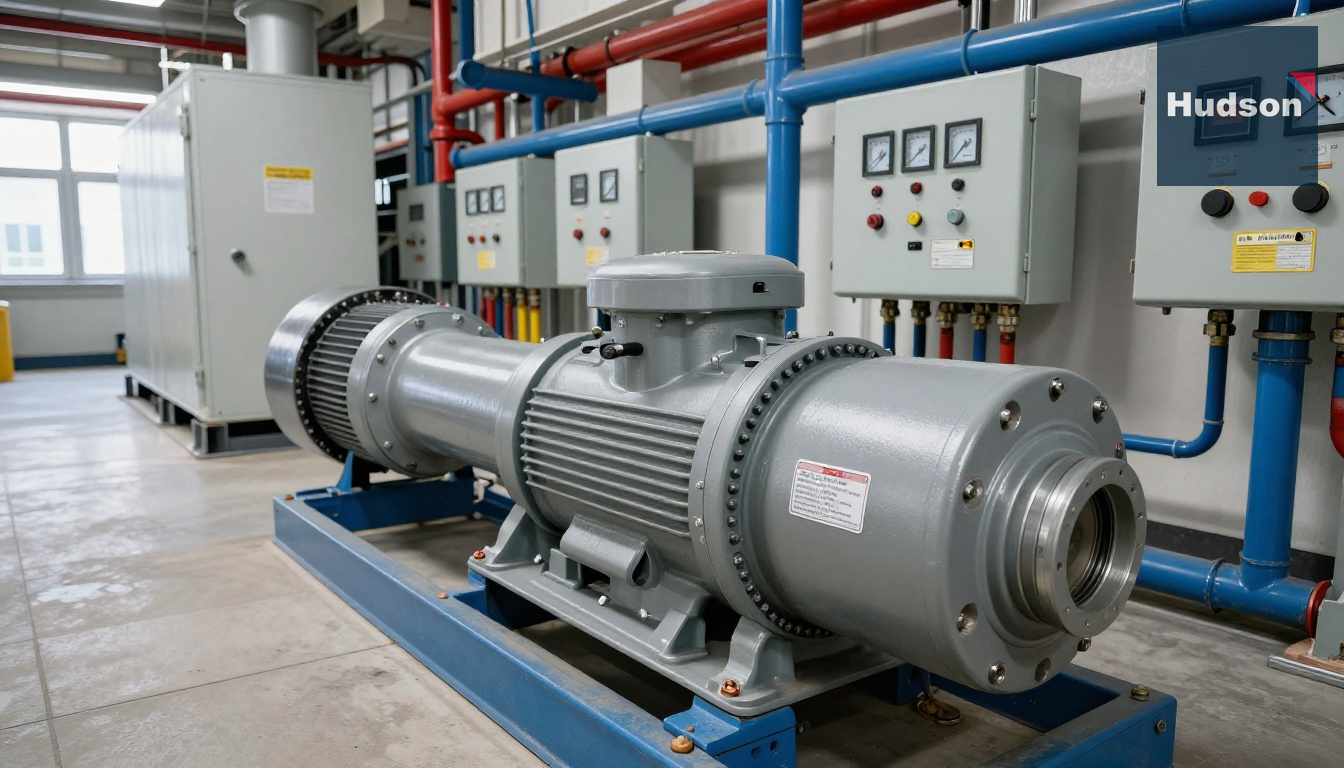
In most Toronto condo mechanical systems, the pump is not inside your suite. It is usually located in the main mechanical room, often beside boilers, heat exchangers, strainers, air separators, and expansion tanks. In some buildings there are separate pumps for heating water, chilled water, condenser water, or secondary distribution loops.
A lot of condos have duty/standby pump pairs. That means two pumps are installed side by side so one can run while the other is isolated, serviced, or held in reserve. This is more important than many residents realize. When a building has only one active pump and no reliable standby, one seal failure or motor issue can affect dozens or hundreds of suites very quickly.
The most common failure we see is not a dramatic total pump explosion. It is gradual loss of performance: worn bearings, a failing mechanical seal, a slipping coupling, air in the loop, a clogged strainer upstream, or a VFD speed issue. To a resident, that often feels like “my fan coil is on, but it is barely heating.” That is why building-side pump diagnosis matters just as much as in-suite fan coil maintenance or heat pump maintenance.
One non-obvious insight: many circulation complaints show up first on upper floors or at the end of long pipe runs. That happens because marginal pump performance usually affects the hardest-to-serve zones first.
What Does It Look Like?
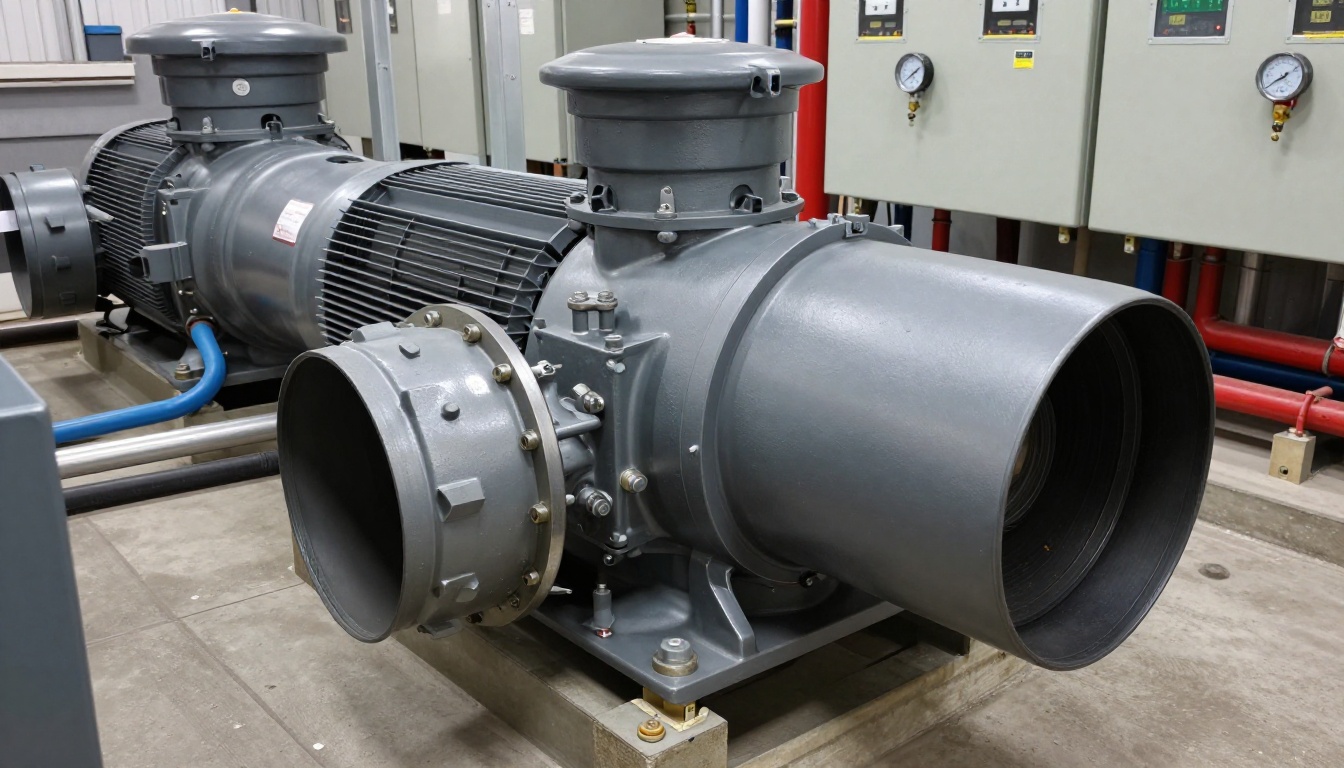
A condo hydronic circulation pump is usually a cast-iron or bronze-bodied pump connected directly into the building’s piping. Smaller pumps may be in-line, where the motor sits right on the pipe. Larger ones are often base-mounted end-suction pumps with a separate motor, flexible coupling, bearing assembly, and a volute casing.
Typical visual details include:
- A heavy motor, often painted black, blue, green, or grey
- A pump body or volute with flanged pipe connections
- Isolation valves on each side so the pump can be serviced
- Pressure gauges or Pete’s plugs nearby for differential readings
- A starter, disconnect, or VFD mounted close by
- A nameplate showing voltage, horsepower, RPM, and flow data
Common mechanical room pump motors in Toronto condos are 208V/3-phase, 575V/3-phase, or sometimes 600V-class equipment depending on the building. Many older high-rises still run fixed-speed pumps with 1750 RPM motors, while newer retrofits often use variable speed drives to save energy and reduce noise.
Common Brands and Models
In our experience, these are some of the brands and model families commonly found in Toronto condo mechanical rooms:
- Bell & Gossett Series 60 and Series e-80 pumps
- Armstrong 4300, 4380, and Compass H style hydronic pumps
- Taco FI/CI Series in-line and end-suction pumps
- Motors by Baldor, Marathon, WEG, and Leeson
- VFD packages from ABB, Danfoss, and Yaskawa
One thing many non-experts do not know: the pump body itself often survives longer than the motor, seal, coupling, bearings, or controls. We regularly see older Bell & Gossett and Armstrong casings still in usable shape while the rotating assembly or motor is what actually needs replacement.
If your building also has suite-level comfort issues, Hudson can inspect the terminal equipment too, including 3-way valve, actuator replacement, and thermostat problems that can look similar from the resident’s perspective.
How Does It Work?
A circulation pump creates the pressure difference needed to move water through the hydronic loop. In simple terms, it pulls water from one side of the system and pushes it through the piping network so the water can carry heat where it needs to go.
Here is the bigger picture in a condo building:
- A boiler heats water, or a chiller cools water.
- The circulation pump moves that water through supply risers.
- Water passes through suite equipment like fan coils or water-source heat pumps.
- The coil inside the suite unit transfers heat to or from the air.
- The water returns through the return riser to be reheated or recooled.
If the pump is not moving enough water, the suite blower can still run normally, but the coil does not have enough hot or chilled water flow to do its job. That is why residents often think they need blower motor service when the actual issue is hydronic flow.
In a properly running system, the pump is sized for a target flow rate and head pressure. The exact numbers vary by building, but many condo pumps are designed around a specific gallons-per-minute target to support all suites under peak demand. With variable speed systems, the VFD adjusts pump speed based on differential pressure sensors or control logic so the building is not wasting energy when demand is low.
A field insight that matters in fall: during shoulder season, buildings switching from cooling to heating often expose weak pumps because air pockets, sticky check valves, or neglected strainers become more obvious after months of different operating conditions. We see a lot of first cold-week complaints in October and November that trace back to poor circulation rather than a failed suite thermostat.
Another non-obvious detail: a pump can be spinning and still not circulating properly. We have seen couplings shear, impellers erode, air lock conditions develop, or VFD minimum speed settings get changed during unrelated service work. To a superintendent, the motor sounds alive. To the system, flow is still inadequate.
For a complete building health approach, this is why Hudson recommends scheduled mechanical preventive maintenance rather than only reacting once residents start opening service tickets.
Signs It Might Be Failing
When a riser circulation pump starts to fail, the symptoms can look different depending on whether you are a resident, superintendent, or property manager.
Here are the most common warning signs we see:
- Uneven heating or cooling between floors: Upper floors, corner suites, or the end of a riser may lose performance first.
- Blower is running but supply air is weakly warm or weakly cool: The suite unit sounds normal, but the coil is not getting enough water flow.
- Mechanical room noise: Grinding, whining, rattling, or a rumbling sound from bearings, couplers, or cavitation.
- Visible water around the pump: A leaking mechanical seal often leaves rust streaks, mineral deposits, or dampness beneath the seal plate.
- Motor overheating or nuisance trips: The pump may shut down on overload, especially during high-demand periods.
- Complaint spikes during seasonal changeover: Fall heating startup is when hidden circulation problems often show up.
A telltale sign that many condo residents miss is this: if your thermostat is calling for heat, the fan is blowing, and the air is only lukewarm for a long period, the problem may not be in your suite at all. If neighbours above or below you say the same thing, that is a strong clue pointing toward the shared hydronic system.
From the property management side, one of the most useful indicators is complaint clustering. If multiple service requests come from the same vertical stack or the top third of the building, Hudson starts thinking about flow, balancing, air elimination, and pump differential pressure before replacing in-suite parts.
If the problem is urgent or affecting multiple suites, Hudson offers emergency HVAC repair for condo mechanical systems and in-suite equipment.
Can You Test It Yourself?
For most residents, not directly. The circulation pump is usually in a locked mechanical room, and it involves live electrical equipment, rotating parts, and pressurized hot or chilled water piping. That is not a DIY component.
What you can do safely is gather useful information before calling for service:
- Check whether your thermostat is actually calling for heat or cooling.
- Listen to whether your suite fan coil or heat pump blower is running normally.
- Note whether the air is moving strongly but not changing temperature enough.
- Ask nearby neighbours if they are having the same issue.
- Record whether the problem is worse at certain times of day, especially early morning or peak evening demand.
If you have a fan coil with accessible piping, you may notice whether the supply pipe gets warm in heating mode or cool in cooling mode, but do not touch bare metal piping if you are not sure what it is. Mechanical room pumps, isolation valves, and electrical panels should never be handled by residents.
For supers or building staff with mechanical access, a basic visual check can still be helpful before Hudson arrives:
- Is the duty pump actually enabled?
- Is the standby pump available and isolated correctly?
- Are there any visible seal leaks?
- Is the VFD showing faults or running at an unexpectedly low speed?
- Are suction and discharge pressures roughly where they should be?
One original insight from the field: we often find that the “pump problem” is partly a controls problem. A failed differential pressure sensor, incorrect BAS command, or manual override left in place after previous work can make a healthy pump behave like a bad one. That is why swapping parts too early can waste thousands of dollars.
If your suite unit still needs inspection, Hudson also handles fan coil repair, heat pump repair, and thermostat replacement.
When to Replace vs Repair
This is where experience matters. Not every noisy or leaking pump needs full replacement, but not every old pump is worth rebuilding either.
Typical Lifespan and Cost
In our experience, most condo circulation pumps last 12 to 20 years. Some older Armstrong and Bell & Gossett pumps go longer if the building has clean water chemistry, proper lubrication practices where applicable, and regular seal inspection. Pumps in neglected systems can fail much earlier.
Typical Toronto pricing in 2026:
- Minor repair or diagnostic work: $900-$2,500 including parts and labour
- Seal, coupling, or bearing-related repair: $1,500-$4,000 depending on size and access
- Small in-line pump replacement: $2,500-$5,500 including parts and labour
- Larger base-mounted end-suction pump replacement: $6,500-$18,000+ including parts and labour
- Motor plus VFD/control-related replacement work: often $4,500-$12,000+ depending on horsepower and controls scope
Those numbers can rise if the building needs after-hours shutdowns, crane or rigging coordination, asbestos protocol, difficult mechanical room access, or replacement of seized isolation valves at the same time.
When Repair Makes Sense
Repair is often worthwhile when:
- The pump casing and volute are still in good condition
- The issue is a seal, bearing, coupling, or motor starter problem
- The pump is still a supported model with available parts
- The standby pump can carry the load during service
- Energy performance is still acceptable for the building
When Replacement Makes More Sense
Replacement is usually the better choice when:
- The pump is near or beyond 15-20 years old
- Parts are obsolete or lead times are unreasonable
- The motor has failed and the rotating assembly is also worn
- The casing is corroded or the impeller is damaged
- The building has repeated complaints despite previous repairs
- The pump is oversized, inefficient, or mismatched to current building demand
A non-expert insight that saves money: replacing only the motor on a badly worn pump can be a false economy. If the seal, bearings, impeller, and coupling are all at end of life, the new motor ends up attached to an old hydraulic assembly that still cannot deliver design flow.
Fall is a smart time to address this. If your building has even minor circulation issues in October, they usually become major comfort issues by the first real cold snap. Hudson often recommends pre-winter inspection as part of mechanical maintenance planning.
How Hudson Handles This Repair
When Hudson is called for a hydronic pump Toronto service issue, we do not start by guessing. We verify the problem from the system side first, then work down to the component level.
A typical Hudson circulation pump visit includes:
- System review: We confirm the complaint pattern, affected floors or risers, and whether the issue is heating, cooling, or both.
- Pump inspection: We check the pump body, motor, seal area, coupling, alignment, valves, strainers, and nearby controls.
- Electrical testing: We verify supply voltage, phase balance, amperage draw, overload condition, starter/VFD status, and command signal.
- Hydronic performance checks: We compare suction/discharge conditions, differential pressure, temperature drop, and signs of air or restriction.
- Control verification: We confirm BAS commands, setpoints, safeties, sensor inputs, and whether the duty/standby sequence is working.
- Repair or replacement plan: If parts are available and the repair is sensible, we proceed. If not, we provide a clear replacement recommendation.
For a straightforward serviceable issue like a coupling or seal, the work may be completed the same day if isolation is possible and parts are available. A full pump replacement usually requires planning, parts sourcing, and sometimes a building shutdown window.
In our experience, one of the most valuable things we do is separate building-side flow problems from suite-side equipment problems. That prevents unnecessary replacement of valves, actuators, or fan coil parts in multiple units when the real issue is upstream. If the suite equipment is also affected, Hudson can coordinate actuator replacement, 3-way valve replacement, drain pan, or mold remediation work where needed.
Another field detail many boards appreciate: on paired pump systems, Hudson checks whether the standby pump is truly ready. We often find the backup pump has not been exercised properly, has a seized bearing, or has a control issue that only becomes obvious when the duty pump fails.
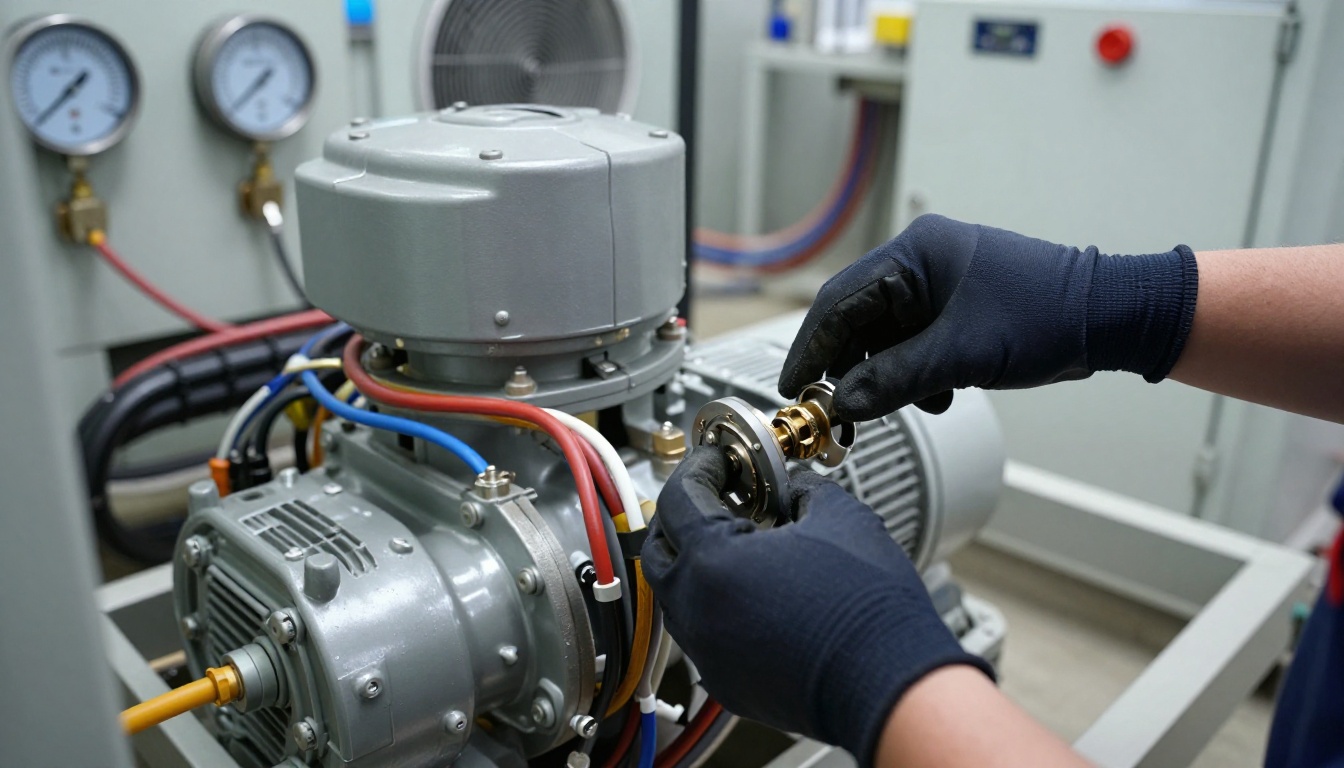
For building teams that want fewer winter surprises, Hudson strongly recommends scheduled preventive maintenance and suite-level fan coil maintenance before heating demand peaks.
FAQs
What does a circulation pump do in a condo HVAC system?
A circulation pump moves heated or chilled water through the building’s hydronic loop so fan coils, vertical stack units, and water-source heat pumps can exchange heat properly. In most Toronto high-rise condos, these pumps sit in the mechanical room and push water through risers to every suite. If the pump slows down, air delivery may still seem normal at the suite unit, but the water side loses capacity and residents notice weak heating or cooling.
How long does a condo circulation pump usually last?
In our experience, most condo circulation pumps last about 12 to 20 years, depending on run hours, water quality, bearing condition, and whether the building has proper preventive maintenance. Older constant-speed pumps from brands like Bell & Gossett or Armstrong often make it past 15 years if seals and couplers are monitored. ECM and VFD-driven pumps can be efficient, but the electronics become another failure point if the mechanical room runs hot or damp.
What are the signs of a failing hydronic pump?
Common warning signs include uneven heating between floors, noisy bearings, seal leaks, overheating motors, nuisance trips, and poor temperature control during peak demand. A telltale sign many property managers miss is a rising temperature delta or complaint pattern only on upper floors, which often points to reduced flow rather than a fan coil issue inside each suite. Technicians also watch for vibration at the volute, rust tracks near the seal plate, and amperage that is either too high from drag or too low from a spinning coupler failure.
How much does circulation pump repair or replacement cost in Toronto?
For Toronto condos, minor circulation pump repairs such as coupling, seal, or bearing-related service typically fall in the $900 to $2,500 range depending on pump size, isolation valve condition, and access. Full replacement of a small in-line pump may run about $2,500 to $5,500 including parts and labour, while larger base-mounted mechanical room pumps commonly land between $6,500 and $18,000 or more. If a VFD, starter, balancing work, or after-hours shutdown is required, project pricing can go higher.
Can a condo resident test a circulation pump themselves?
Not directly in most buildings, because the circulation pump is usually in the central mechanical room, not inside the suite. A resident can still help by noting whether the issue affects heating, cooling, or both, whether neighbours on the same stack have similar complaints, and whether the suite unit blower is running normally. If your in-suite equipment is operating but the coil never gets properly warm or cold, Hudson can determine whether the root cause is the suite unit, control valve, or the building’s hydronic circulation.
Call to Action
If your condo building has weak heating, uneven temperatures by floor, or repeated resident complaints that the fan is running but the air is not warm enough, the circulation pump may be the real issue. Hudson HVAC diagnoses both suite-level and mechanical-room problems, so you do not waste time replacing the wrong parts.
For same-day support with condo HVAC pump repair, building hydronic issues, or in-suite comfort problems, contact Hudson. We service Toronto condos as well as buildings in North York, Mississauga, Vaughan, and surrounding GTA communities. You can also explore more condo equipment guides on the Hudson blog.
Contact Hudson
- Contact Us
- Phone: +1 (437) 448-0640
- Email: service@hudsonhvac.ca