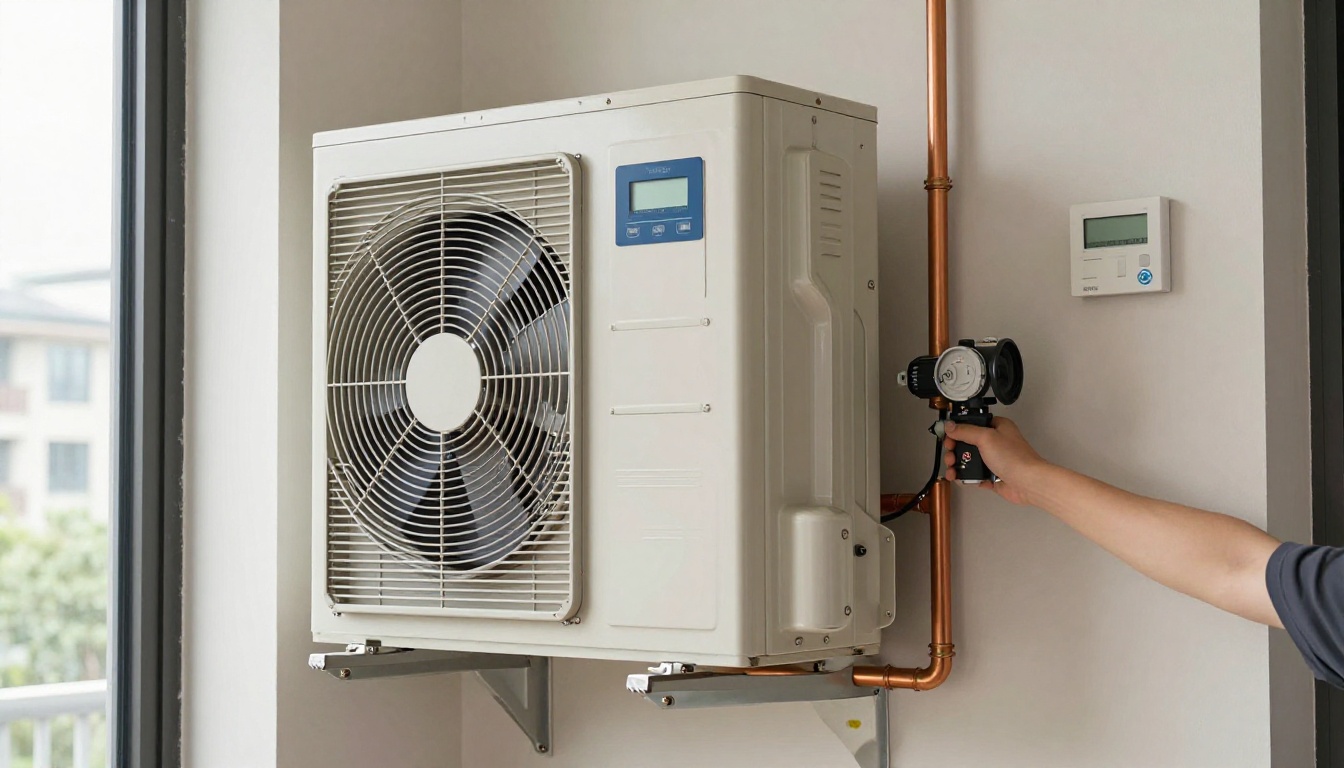
CO2 Levels in Condos: Ventilation's Role in Toronto Health
Discover how proper ventilation can mitigate high CO2 levels in Toronto condos and enhance health and comfort.
- Hudson HVAC
- 4 min read
CO2 Levels in Condos: Ventilation’s Role in Toronto Health
Quick summary: In Toronto’s bustling condo environment, maintaining optimal indoor air quality is crucial. This article explores the impact of CO2 levels, the importance of proper ventilation, and practical steps to ensure healthy living spaces in high-rise condos.
The Fast Diagnosis: What’s Going On?
In our experience servicing Toronto condos, we’ve noticed that many residents are unaware of the significant impact that indoor CO2 levels can have on health and comfort. During summer, when units are closed up to keep the heat out, CO2 levels can spike due to insufficient ventilation. High-rise condos in areas like North York and Etobicoke, where older buildings often have less efficient ventilation systems, are particularly susceptible.
Common Causes: Why This Happens
CO2 levels rise primarily due to human activity – breathing, cooking, and using gas appliances all contribute to increased carbon dioxide indoors. Without adequate ventilation, these levels can quickly surpass the 1,000 ppm threshold, where air quality begins to degrade. In older condo buildings from the 80s and 90s, ventilation systems may not be equipped to handle the high occupancy levels seen today, leading to stale air and elevated CO2 concentrations.
What You Can Do Right Now: DIY Safe Steps
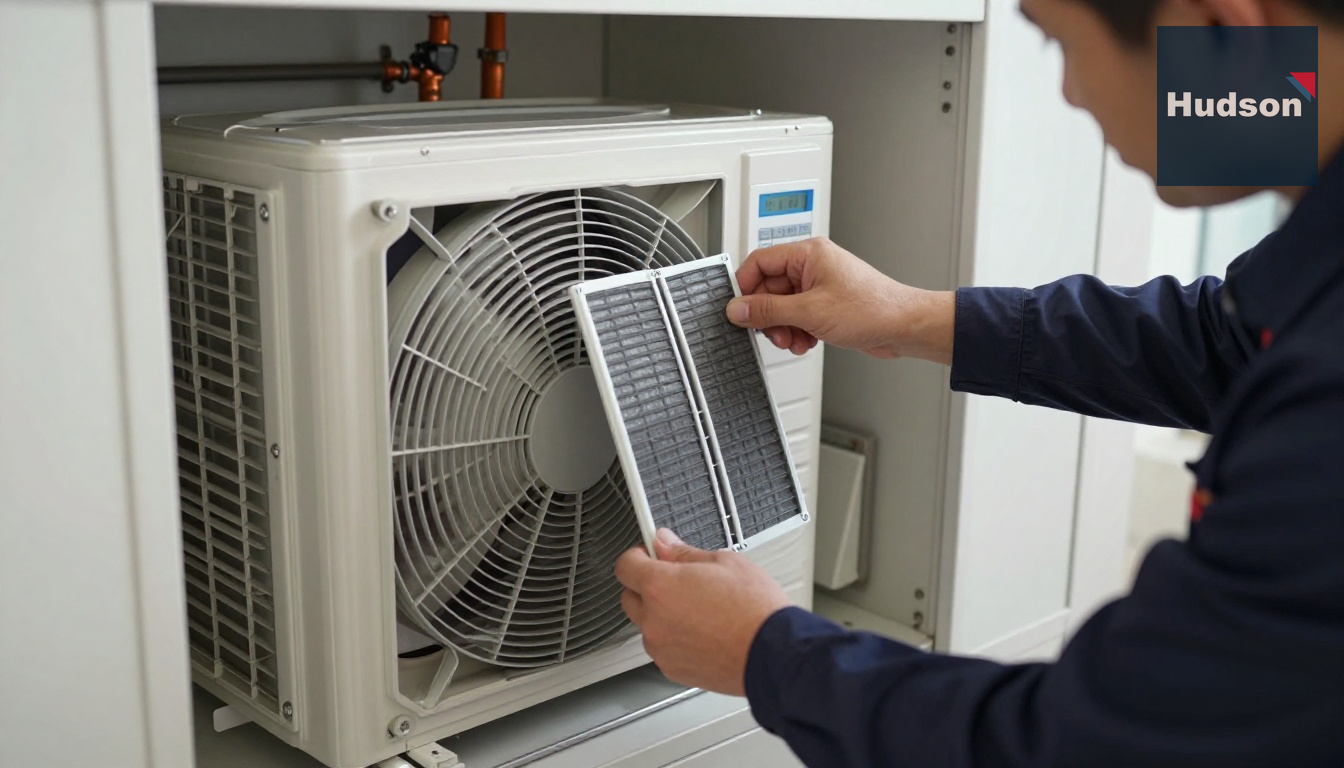
To combat high CO2 levels, start by ensuring your condo’s ventilation system is functioning properly. Locate your ERV (Energy Recovery Ventilator) or HRV (Heat Recovery Ventilator) unit—usually found in a utility closet. Ensure the air filters are clean: remove the cover, slide out the filter, and if you can’t see through it, it needs replacement. Additionally, use portable air purifiers with activated carbon filters to help reduce CO2 levels and improve ventilation by opening windows during cooler parts of the day.
When to Call a Professional: Signs You Need Help
If you notice persistent symptoms like headaches or fatigue, or if CO2 monitors show levels consistently above 1,500 ppm, it’s time to call in a professional. A qualified technician can assess and upgrade your condo’s ventilation system to ensure it meets the demands of modern living.
What to Expect from a Service Visit: Typical Timeline and Process
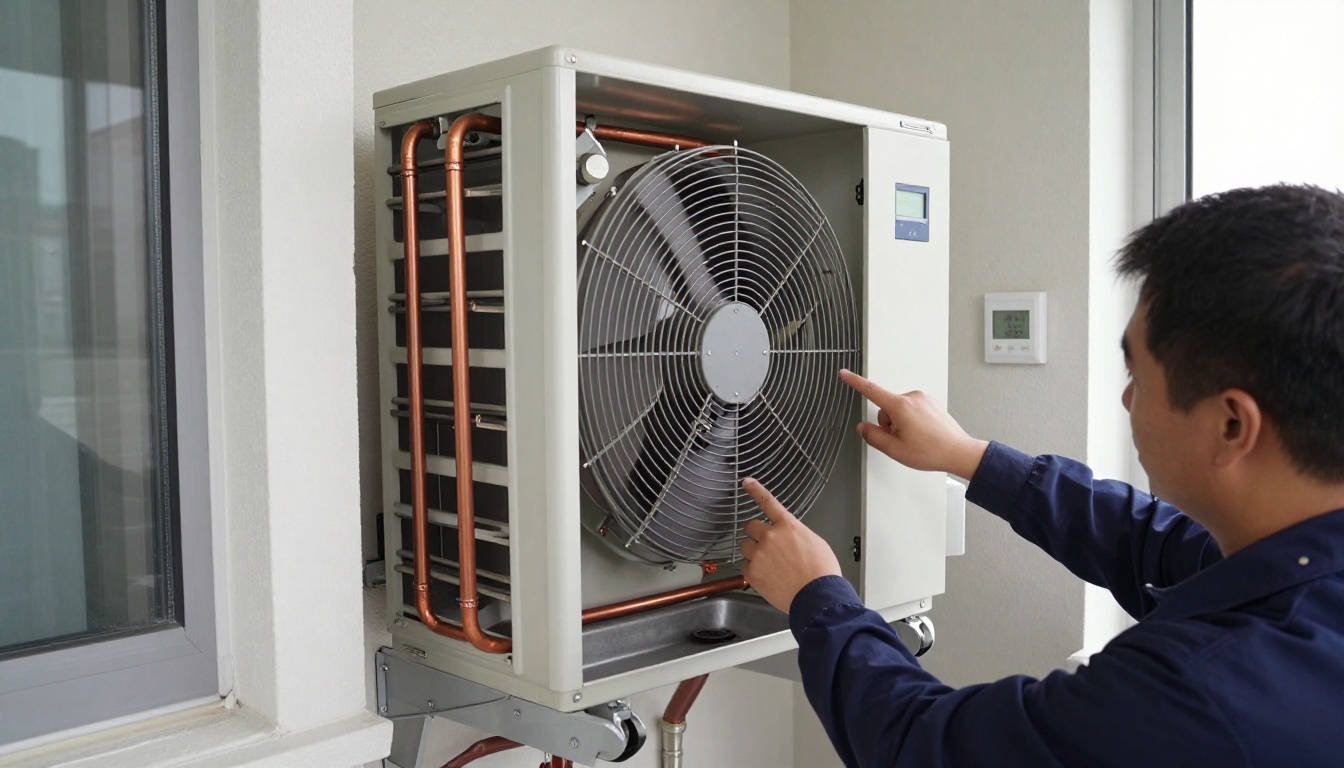
Expect a service visit to last about 1-2 hours, during which a Hudson HVAC technician will inspect, clean, and optimize your ventilation system. This process involves checking ductwork for blockages, calibrating controls on ERV or HRV units, and ensuring all components are in good working order.
Cost Factors with Real Ranges
The cost for a typical ventilation system inspection and tune-up in a Toronto condo can range from $200-$400. If components like the ERV core or motorized dampers need replacement, costs could rise to $800-$1,200, depending on parts and labor.
FAQs
What causes high CO2 levels in condos? High CO2 levels typically result from inadequate ventilation, where air exchange is insufficient to dilute indoor carbon dioxide produced by occupants and appliances.
How can I measure CO2 levels in my condo? You can use a CO2 monitor, which is readily available online or at home improvement stores, to check indoor carbon dioxide levels. Look for levels below 1,000 ppm for good air quality.
What are the health effects of high CO2 levels? High CO2 levels can cause headaches, fatigue, and shortness of breath. Prolonged exposure can lead to more severe health issues, especially for sensitive individuals.
How often should condo ventilation systems be maintained? Ventilation systems should be checked and maintained at least annually, but bi-annual checks are ideal for ensuring optimal performance and air quality.
What is a typical CO2 level in a well-ventilated condo? In a well-ventilated condo, CO2 levels should ideally remain under 800 ppm during peak occupancy to maintain good air quality and occupant comfort.
Next Steps
Proper ventilation is critical for maintaining healthy CO2 levels and ensuring comfort in your condo. If your condo hasn’t had a ventilation check in over a year, or if you’re experiencing poor air quality, it’s time to schedule a service visit.
Contact Hudson
For a detailed assessment and expert solutions tailored to your condo’s needs, Contact Us at Hudson HVAC.
- Phone: +1 (437) 448-0640
- Email: service@hudsonhvac.ca