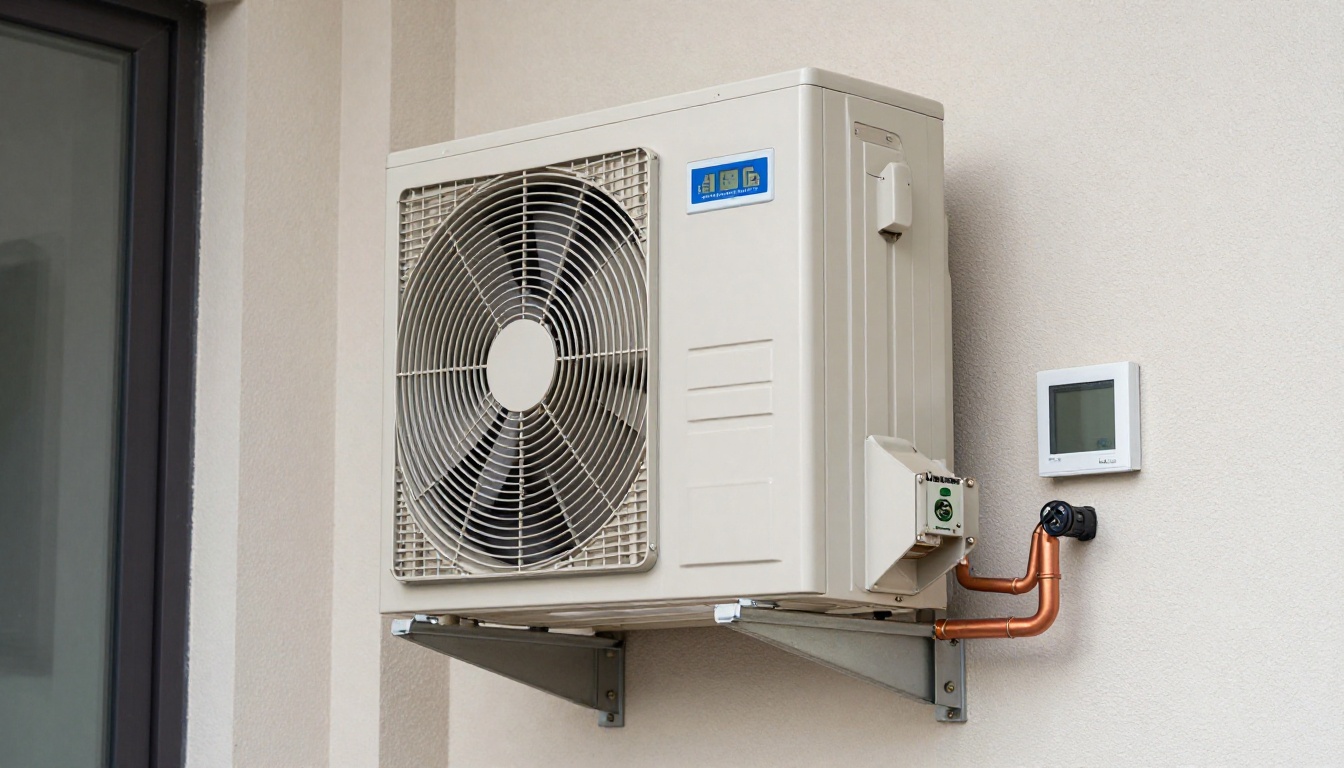
Condo Board HVAC Decisions: Repair, Replace, or Retrofit in Toronto?
Explore expert insights on HVAC repair, replacement, or retrofitting for Toronto condo boards to make informed decisions this spring.
- Hudson HVAC
- 5 min read
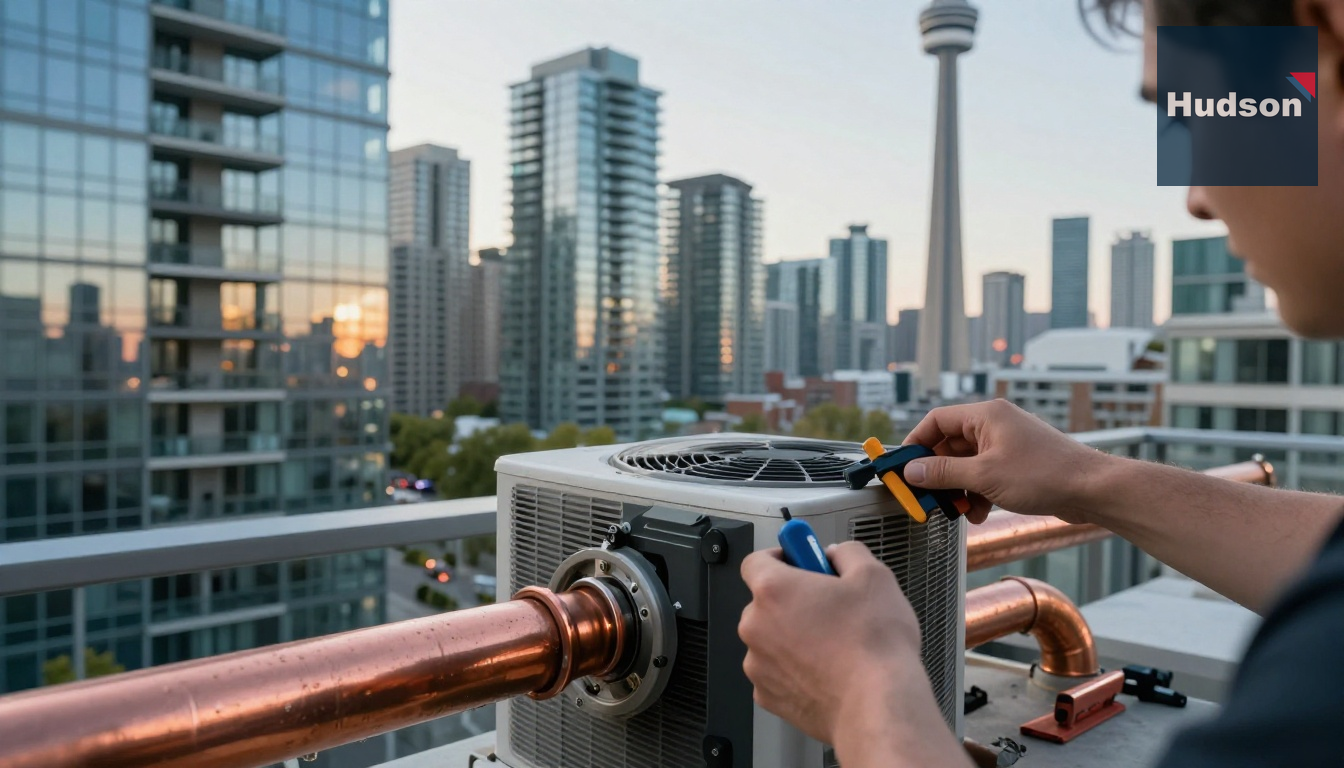
Condo Board HVAC Decisions: Repair, Replace, or Retrofit?
Quick summary: As spring arrives in Toronto, condo boards face the critical decision of whether to repair, replace, or retrofit their HVAC systems. This guide provides expert insights to help boards make informed decisions that balance efficiency, cost, and future-proofing their buildings.
The Fast Diagnosis: Understanding Your System’s Condition
Spring in Toronto is an ideal time for condo boards to reassess their HVAC systems as the demand shifts from heating to cooling. Many buildings, especially those in North York and Mississauga, rely on fan coil units or heat pumps that may have aged significantly. Regular assessments can reveal underlying issues like decreased efficiency or potential failures that often go unnoticed during the busy heating months.
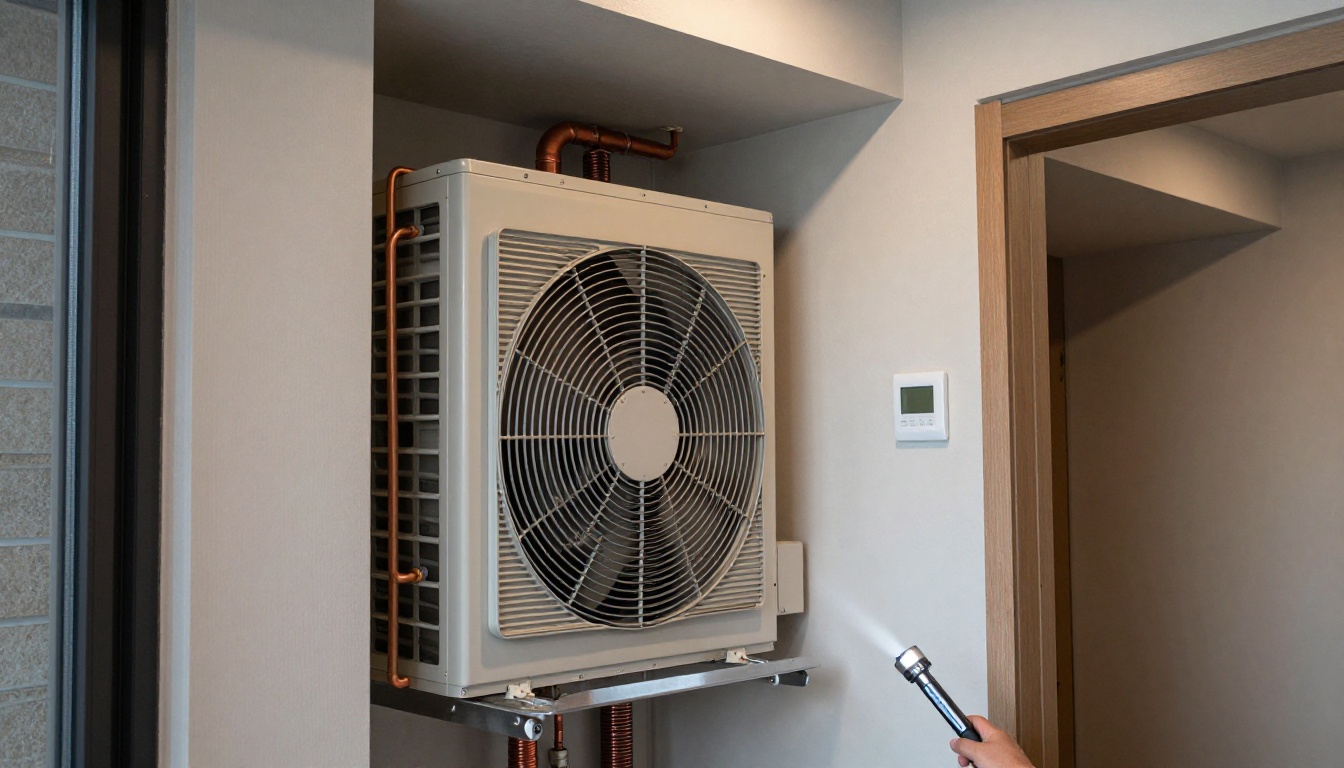
In our experience servicing numerous Toronto condos, conducting a thermal imaging scan can help identify insulation issues or leaks within the ductwork. Such diagnostic practices are invaluable for deciding whether a system merely needs repairs or more significant interventions.
Common Causes: Why Systems Fail
HVAC failures in condo buildings can often be traced back to a few common causes:
- Age and Wear: Systems over 15 years old, like the Carrier 42 Series fan coils, often face efficiency issues due to worn-out components such as blower motors or actuators.
- Lack of Maintenance: Skipped or inadequate fan coil maintenance leads to clogged filters and drain pans, causing water damage and inefficiency.
- Design Limits: Older buildings, particularly those constructed before 2000, may have systems that weren’t designed to handle current demands for energy efficiency.
Understanding these causes can help property managers and condo boards decide whether to repair, replace, or retrofit their systems.
What You Can Do Right Now: DIY Safe Steps
While professional intervention is often required, there are some initial steps condo boards can take:
- Review Maintenance Records: Check if regular in-suite maintenance has been conducted. Look for patterns in the records that indicate recurring issues.
- Visual Inspection: Ensure the filters are clean. Locate the 1-inch or 2-inch pleated filter behind the lower access panel of your fan coil, slide it out, and hold it up to light—if you can’t see through it, it needs replacing.
- Assess Energy Bills: Compare current energy bills with those from previous years to identify any spikes that could indicate inefficiency.
When to Call a Professional: Signs You Need Help
Signs that professional intervention is required include:
- Persistent Noise: High-pitched whining from the blower motor often indicates worn bearings, necessitating blower motor repair.
- Water Leaks: Continuous water around the fan coil or heat pump signals a need for drain pan cleaning.
- Inconsistent Temperatures: If certain areas are warmer or cooler than others, it might indicate issues with the thermostat or ductwork that need professional assessment.
What to Expect from a Service Visit: Timeline and Process
A typical service visit for a condo HVAC system involves:
- Initial Assessment: A thorough inspection of the system’s components, typically taking 1-2 hours per unit.
- Diagnostic Testing: Using tools like thermal imaging and airflow meters to pinpoint issues.
- Action Plan: Based on findings, the technician will recommend repairs, replacements, or retrofitting options.
For larger buildings, these assessments might extend over a few days to ensure comprehensive coverage.
Cost Factors: Real Ranges in Toronto
Understanding costs is crucial for condo boards planning their budgets:
- Repair Costs: Range from $200 for minor fixes to $1,500 for more complex issues like actuator replacements.
- Replacement Costs: New fan coil or heat pump installations range from $3,000 to $7,500 per unit, depending on the model and building complexity.
- Retrofit Costs: These can vary significantly from $1,000 for simple component upgrades to $10,000 for comprehensive retrofits involving system-wide changes.
FAQs
How do condo boards decide between HVAC repair, replacement, and retrofit?
Condo boards must evaluate the current system’s condition, energy efficiency, cost of repairs, and potential savings from upgrading. Consulting with an HVAC expert can provide insights into the lifespan and performance of existing equipment.
What are the benefits of retrofitting HVAC systems in condos?
Retrofitting can improve energy efficiency, reduce operating costs, and extend the system’s lifespan. It often involves updating components like controls or adding variable speed drives rather than full system replacements.
When is HVAC replacement necessary for condos?
Replacement is often necessary when systems are beyond repair, extremely inefficient, or when the cost of repairs exceeds the value of new equipment. Systems older than 15-20 years typically fall into this category.
What are typical costs for HVAC repairs and replacements in Toronto condos?
HVAC repairs can range from $200 to $1,500 depending on the issue, while replacements can cost $3,000 to $7,500 per unit. Retrofitting costs vary widely based on the scope of upgrades.
How can condo boards budget for HVAC capital expenditures?
Boards should conduct regular assessments with HVAC professionals, set aside reserve funds, and consider phased approaches to upgrades to manage costs effectively.
Next Steps: Call to Action
If your condo board is facing the decision to repair, replace, or retrofit your HVAC system, consider reaching out to Hudson HVAC for a free assessment. Our team can provide detailed insights that help you make informed decisions tailored to your building’s needs.
Contact Hudson
- Contact Us
- Phone: +1 (437) 448-0640
- Email: service@hudsonhvac.ca