
Condo HVAC Actuator Replacement: What They Do and Why They Fail
Discover the role of actuators in condo HVAC systems, common failures, and the replacement process in Toronto.
- Hudson HVAC
- 4 min read
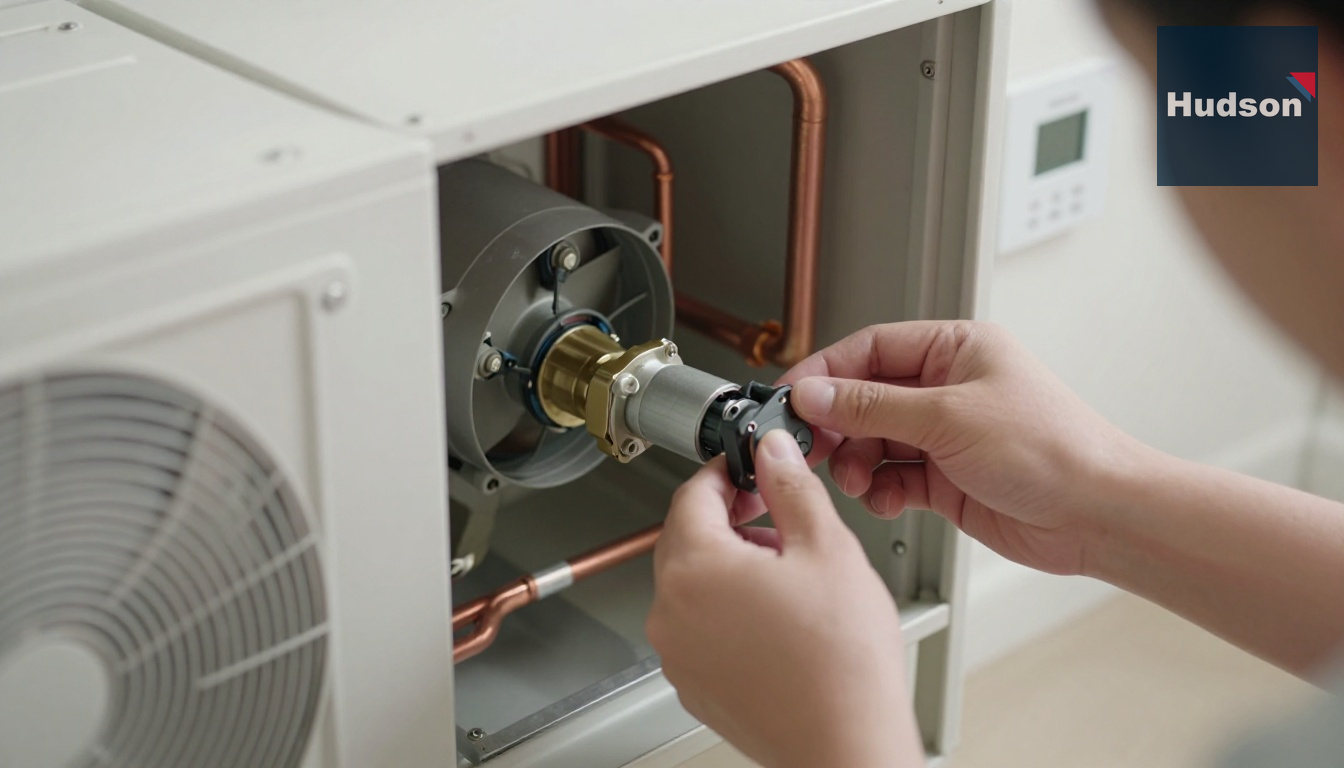
Condo HVAC Actuator Replacement: What They Do and Why They Fail
Quick summary: Actuators are vital components of condo HVAC systems, responsible for controlling air flow by opening and closing valves. Common issues like actuator failure can lead to discomfort, inefficiency, and increased energy costs. Understanding their function, common failure modes, and replacement process in Toronto’s condos can help maintain optimal comfort.
The Fast Diagnosis: What’s Going On?
If your condo unit isn’t maintaining the desired temperature, even though your thermostat settings are correct, the culprit could be a faulty actuator. This small but essential device is tasked with regulating the flow of hot or cold water through your HVAC system, thus controlling your room’s temperature. In our experience servicing Toronto condos, particularly those in high-rise buildings throughout North York and Etobicoke, actuator issues often manifest as inconsistent cooling or heating.
Common Causes: Why This Happens
Actuators fail primarily due to mechanical and electrical wear and tear. In older condo buildings, such as those constructed in the 1980s and 1990s, the actuators might be reaching the end of their operational life. Here are some specific causes of failure:
- Motor Burnout: Actuators contain small motors that can burn out from overuse, especially during Toronto’s intense summer heat.
- Electrical Failures: Short circuits or power surges can damage the motor or the control board within the actuator.
- Mechanical Wear: Over time, the mechanical parts like gears and linkages may degrade, leading to malfunction.
What You Can Do Right Now: DIY Safe Steps
Before calling a professional, you can perform a few simple checks:
- Listen for Noises: A clicking noise every 10-15 seconds often indicates an actuator struggling to operate.
- Inspect for Physical Movement: Locate the actuator on your fan coil unit, usually behind an access panel, and observe whether it moves when the thermostat is adjusted.
- Check Thermostat Settings: Ensure your thermostat is set correctly. Misconfigurations can sometimes mimic actuator problems.
When to Call a Professional: Signs You Need Help
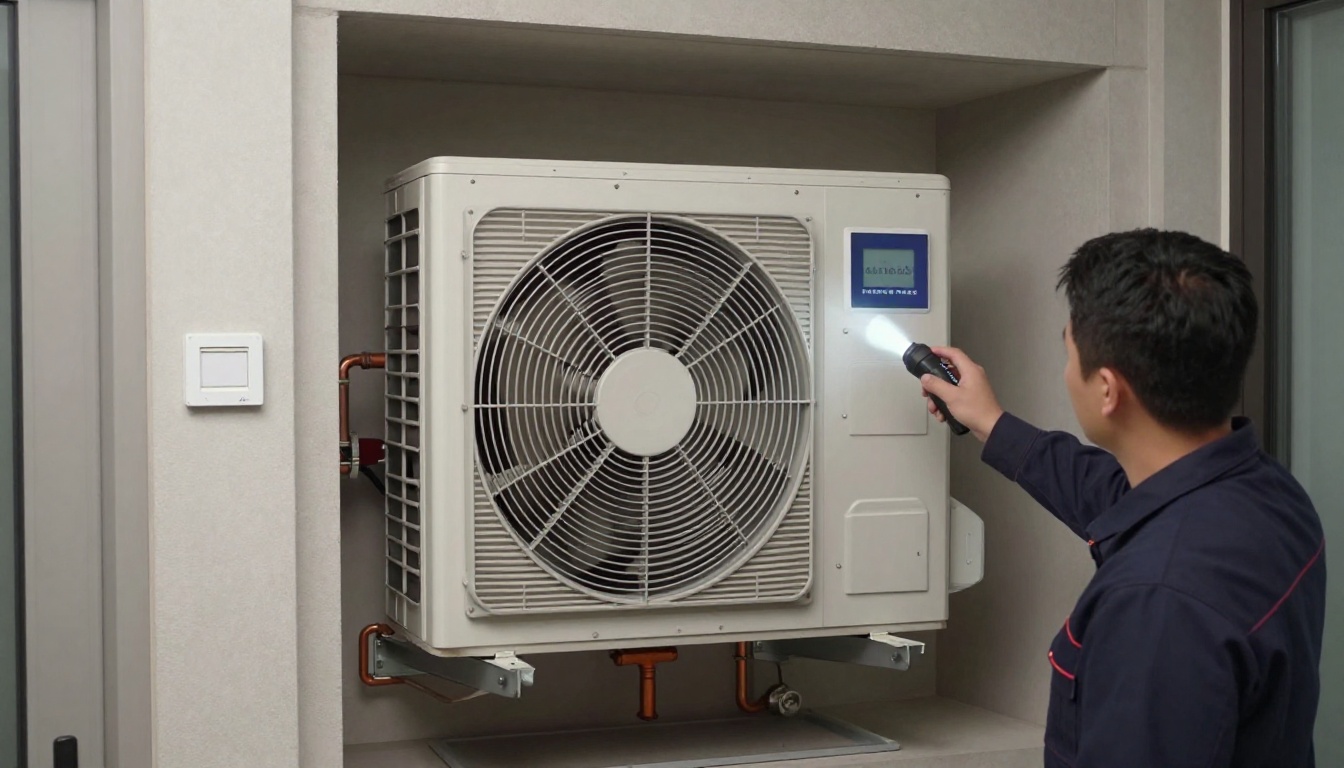
If you notice persistent room temperature inconsistencies, or if the actuator doesn’t respond after basic checks, it’s time to call a professional. Actuator replacement involves handling electrical components and ensuring the new part is correctly calibrated with your system. Hudson offers comprehensive fan coil repair and replacement services to address these issues efficiently.
What to Expect from a Service Visit: Typical Timeline and Process
A professional service visit begins with a diagnosis of the actuator and related components. Once confirmed, the replacement process typically involves:
- System Shut Down: Safely turning off the HVAC system to prevent electrical hazards.
- Actuator Removal: Detaching the old actuator from the valve and disconnecting electrical wiring.
- Installation: Mounting the new actuator, reconnecting wires, and testing for functionality.
This process generally takes 1-2 hours. Hudson’s technicians ensure minimal disruption, especially in busy condo environments.
Cost Factors with Real Ranges
Replacing an actuator in a Toronto condo can cost between $350-$600. This range depends on:
- Actuator Model and Brand: Some models, like Honeywell or Belimo, can be more expensive than others.
- System Complexity: More complex systems might require additional labor.
- Building Access: High-rise access in densely populated areas like downtown Toronto can affect labor costs.
For details on pricing and service options, check out our actuator replacement services.
FAQs
What does an HVAC actuator do?
An HVAC actuator is a small motorized device that opens and closes valves in a fan coil or heat pump unit, controlling the flow of hot or cold water to regulate room temperature. It’s crucial for maintaining desired comfort levels in your condo.
How can I tell if my condo’s HVAC actuator has failed?
Signs of actuator failure include inconsistent room temperatures, a clicking noise every 10-15 seconds, or your system not responding to thermostat adjustments. In some cases, you may also notice higher energy bills due to the system working inefficiently.
What causes HVAC actuators to fail?
Common causes of failure include motor burnout due to overuse, electrical issues like short circuits, or mechanical wear from continuous operation. In Toronto, the high summer demand for cooling can accelerate wear and tear.
Can I replace an HVAC actuator myself?
While technically possible, replacing an HVAC actuator involves handling electrical wiring and precise positioning, which can be challenging without the right tools and expertise. It’s usually best left to a professional to ensure safe and effective replacement.
How much does it cost to replace an HVAC actuator in a Toronto condo?
In Toronto, replacing a fan coil actuator typically costs between $350-$600, including both parts and labor. Costs can vary based on the complexity of the system and the specific actuator model required.
Next Steps: Call to Action
If your fan coil has been showing signs of actuator failure, don’t wait for the problem to escalate. Contact Hudson for a professional assessment and ensure your condo stays comfortable during Toronto’s hot summers.
Contact Hudson
- Contact Us
- Phone: +1 (437) 448-0640
- Email: service@hudsonhvac.ca