Condo Insurance & HVAC Damage: Coverage Insights for Toronto Residents
Discover how condo insurance covers HVAC damage in Toronto, including water damage and claim essentials.
- Hudson HVAC
- 4 min read
Condo Insurance and HVAC Damage: What’s Covered and What’s Not
Quick summary: Understanding what condo insurance covers when it comes to HVAC damage is critical for Toronto residents. This guide provides insights into what’s typically covered, what isn’t, and how to manage claims effectively, especially in the spring season when HVAC systems transition from heating to cooling.
The Fast Diagnosis: What’s Going On
Spring in Toronto is a time of transition, not just for the weather but also for your condo’s HVAC system. As many residents switch from heating to cooling, it’s crucial to understand how your insurance interacts with potential HVAC issues. From our experience at Hudson HVAC, we’ve seen how water damage from HVAC failures can lead to complex insurance claims, particularly in spring when systems can be overburdened by humidity and leftover winter moisture.
Common Causes of HVAC Damage
Understanding the common causes of HVAC damage can help condo residents in Toronto better navigate insurance claims. Here are a few typical scenarios:
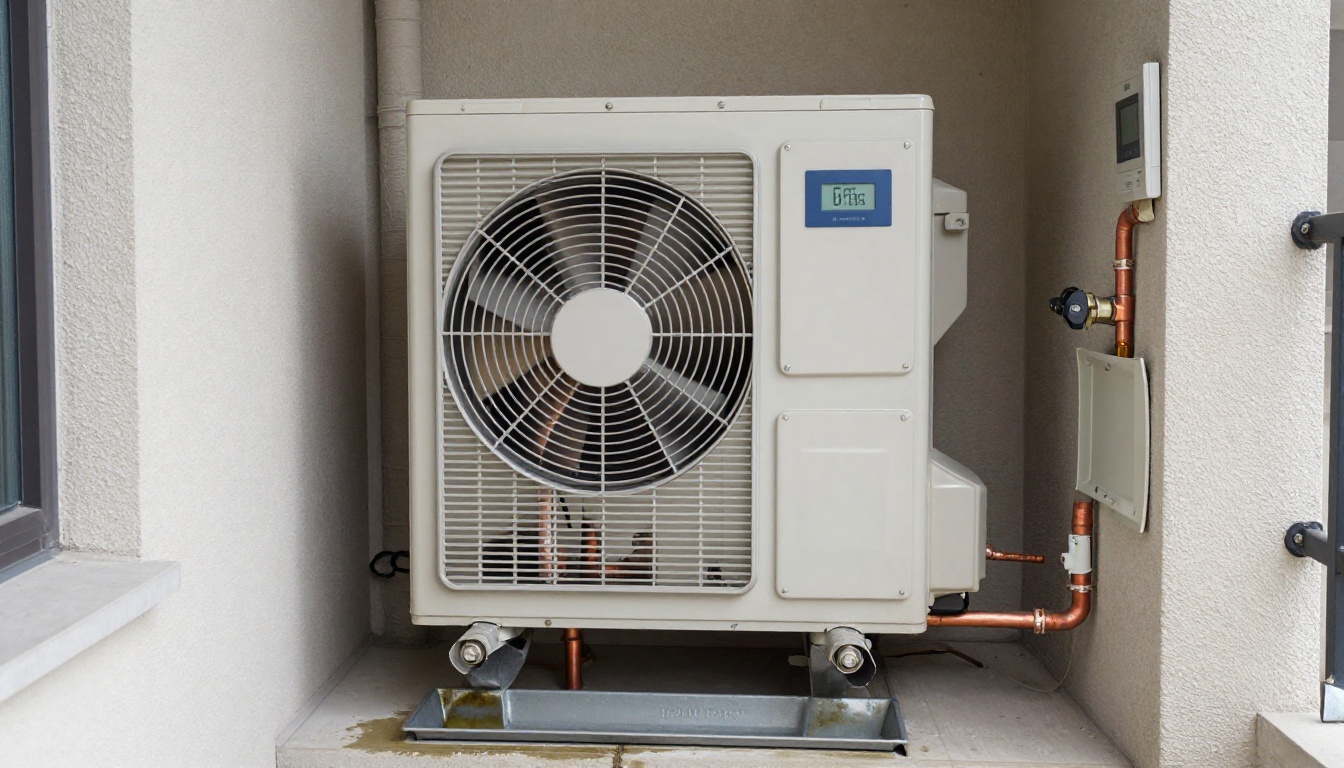
- Water Leaks: Condensation lines can clog, leading to water backing up and causing damage. This is common in older condo buildings in areas like North York and Mississauga.
- Burst Pipes: Freezing temperatures in winter can cause pipes to burst, and undetected leaks become evident as systems switch to cooling.
- Mold Growth: Moisture buildup over winter can lead to mold in ductwork or fan coils, particularly if the system hasn’t been maintained properly.
What You Can Do Right Now
Here are some steps you can take to mitigate potential HVAC damage — and ensure your insurance remains valid:
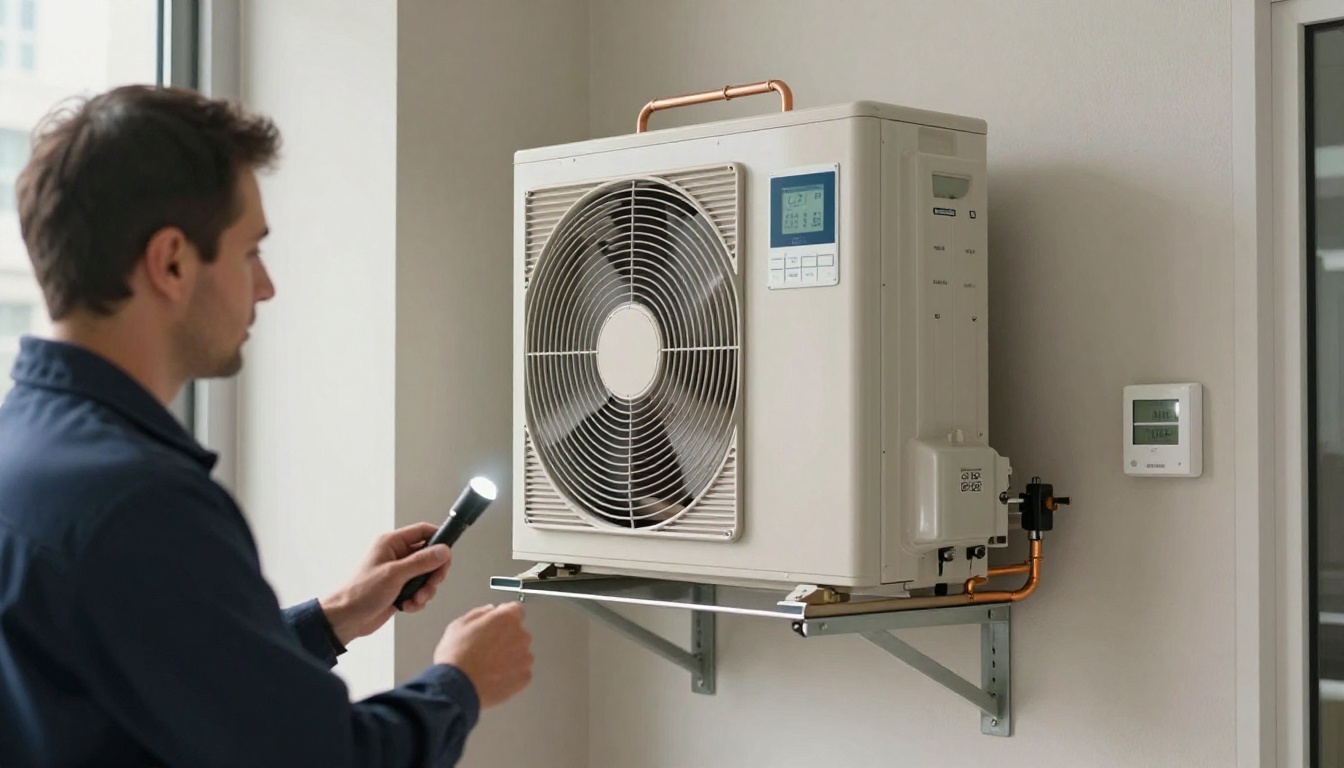
- Inspect Your System: Check for visible signs of wear and tear or water leaks. Locate your fan coil’s condensate line (typically a white PVC pipe) and ensure it’s clear of blockages.
- Schedule a Maintenance Check: Engage a professional like Hudson for a fan coil maintenance service to ensure your system is in top condition as you transition to cooling.
- Document Everything: Keep detailed records of all maintenance activities and any incidents of HVAC failure or damage.
When to Call a Professional
If you notice persistent issues like unusual noises, water leaks, or ineffective cooling, it’s time to call a professional. Unresolved problems can lead to more significant damage and complicate insurance claims. Hudson offers emergency HVAC repair services throughout the GTA, ensuring you’re covered 24/7.
What to Expect from a Service Visit
During a service visit, a technician will:
- Inspect your HVAC system thoroughly for any signs of damage or failure.
- Perform necessary repairs or recommend a replacement if needed.
- Provide documentation that can be crucial for insurance claims. A typical inspection and minor repair visit can last between 1-2 hours, depending on the complexity of the issue.
Cost Factors and Real Ranges
Understanding potential costs is essential for budgeting and insurance purposes. Here are some typical costs you might expect:
- Fan Coil Repair: $350-$600 per unit, depending on the severity of the issue.
- Mold Remediation: Costs can range from $500 to $3,000, depending on the extent of the spread and areas affected.
- Full HVAC System Replacement: This can cost anywhere from $2,500 to $8,000 per unit, making regular maintenance a wise investment.
Comparison: Insurance Coverage vs. Out-of-Pocket Costs
| Scenario | Likely Coverage | Out-of-Pocket Costs |
|---|---|---|
| Sudden Pipe Burst | Usually Covered | Deductible + Repairs |
| Gradual Wear and Tear | Not Covered | Full Repair Cost |
| Mold Due to Leaks | May Be Covered (if sudden) | Mold Remediation Costs |
| Regular Wear or Neglect | Not Covered | Maintenance & Repairs |
FAQs
Does condo insurance cover HVAC water damage?
Condo insurance often covers sudden and accidental HVAC water damage. This includes burst pipes or flooding due to system failures. However, gradual damage from neglect might not be covered.
What HVAC issues are typically not covered by condo insurance?
Insurance usually doesn’t cover HVAC damage due to wear and tear, lack of maintenance, or pre-existing issues. Mold resulting from neglect may also be excluded.
How can I ensure my HVAC system doesn’t void my insurance?
Regular maintenance, like spring HVAC tune-ups, is crucial. Ensure your HVAC is inspected annually, and keep records of professional services to support any insurance claims.
What should I do if my condo HVAC system causes damage?
Immediately document the damage with photos, report it to your insurer, and contact a professional HVAC company like Hudson for repairs. Timely action can prevent claim denial.
Are mold issues from HVAC systems covered by insurance?
Mold coverage varies. If mold results from a covered peril like a sudden leak, it might be included. However, mold from poor maintenance is often excluded. Check your policy details.
Next Steps
For Toronto condo residents, understanding your insurance policy’s specifics regarding HVAC damage can save you from unexpected expenses. Ensure your system is well-maintained and document everything to make the claims process smoother.
Contact Hudson
If your HVAC system hasn’t been serviced this spring, contact Hudson for a comprehensive inspection. Call us at +1 (437) 448-0640 or email service@hudsonhvac.ca to book your spring maintenance visit.