
Condo Renovation HVAC Rules in Toronto: What You Can Change
Planning a condo renovation in Toronto? Learn condo HVAC rules, permits, and what unit owners can and cannot change before work begins.
- Hudson HVAC
- 17 min read
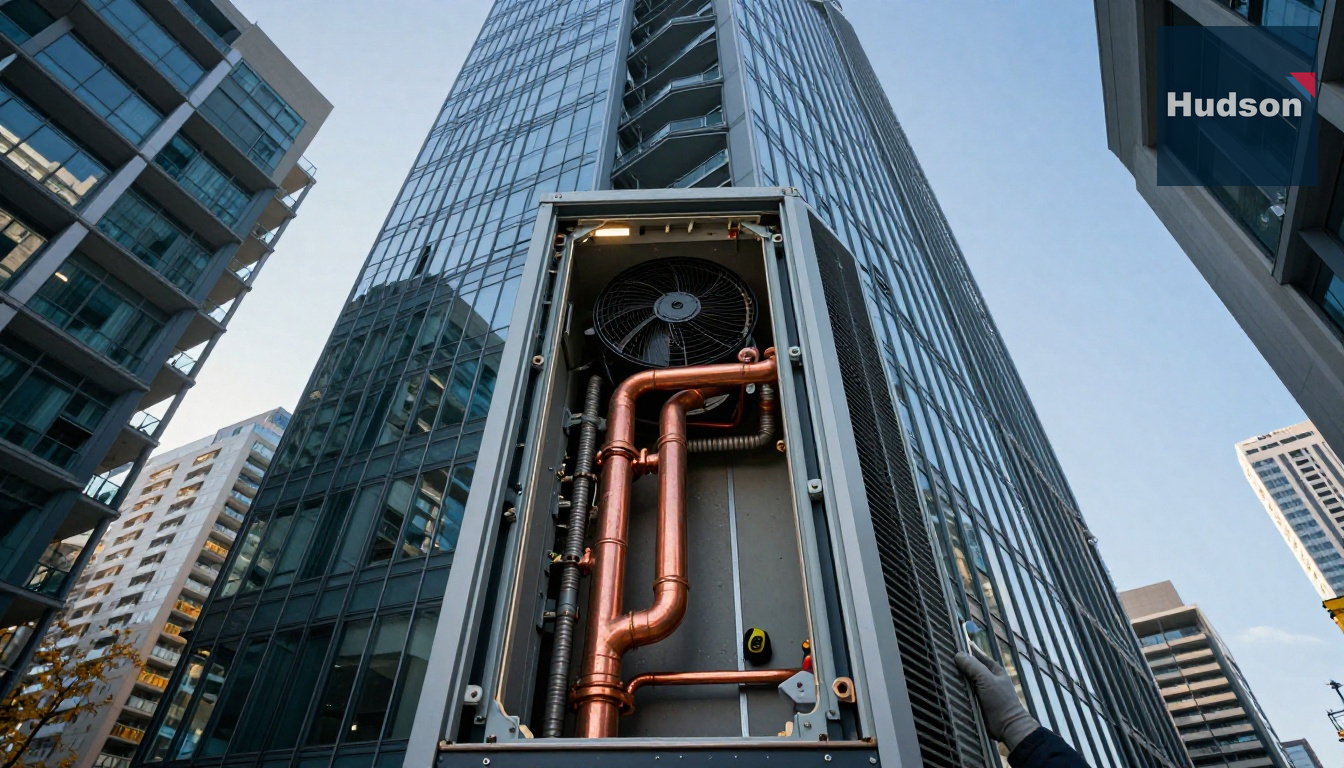
Condo Renovation HVAC Rules in Toronto: What You Can Change
Quick summary: Renovating a condo in Toronto does not mean you can freely move, replace, or hide HVAC equipment. In most high-rise condos, your fan coil, heat pump, thermostat, ductwork, and exhaust are tied into shared building systems, so one bad renovation can create leaks, airflow problems, noise complaints, or even board enforcement issues.
If you’re asking “can I change HVAC in a condo?”, the practical answer is: some things are straightforward, some require approval, and some should almost never be touched without engineering review. In Hudson HVAC’s experience servicing Toronto condos, the most expensive renovation mistakes are usually the ones owners thought were minor.
The renovation mistake that keeps showing up in Toronto condos
Every fall, as owners rush to finish renovations before winter, Hudson gets called into suites where the design looked clean on paper but ignored the HVAC reality hidden behind the walls. A common example in Toronto and North York high-rises: an owner installs custom millwork around a vertical fan coil cabinet to gain storage space, then discovers the lower access panel can no longer be removed far enough to service the blower wheel, drain pan, or control valve.
That matters more than most people realize. A typical condo fan coil unit needs front clearance not just for filter changes, but for future removal of the blower assembly, actuator, 3-way valve, and condensate components. In many 80s and 90s buildings, these components were never designed for side access. If your cabinetry leaves only a 6-inch opening where 18-24 inches is needed, the next repair can turn into drywall demolition. If your unit already has airflow or leak issues, start with fan coil repair and replacement before a renovation closes everything in.
Another recurring issue in Mississauga condo towers is owners relocating flooring levels or adding built-ins that interfere with condensate drainage pitch. Even a change of 1/4 inch per foot on a drain line can be the difference between normal drainage and recurring water in the pan. During Toronto’s shoulder seasons—especially September and October when cooling may still run on humid days—those mistakes show up fast as odors, overflow, or microbial growth. That’s why a pre-renovation inspection tied to in-suite HVAC maintenance is often cheaper than one post-renovation correction.
What you can usually change without major problems
There are condo HVAC upgrades that are commonly allowed, provided they follow the building’s renovation package and are done properly. The key word is allowed by the building, not just technically possible.
1. Thermostat replacement
In many condos, replacing an aging thermostat with a compatible model is one of the lowest-risk changes. But compatibility matters. Older suites may use line-voltage controls (often 120V or 240V), while newer fan coil and heat pump systems may use 24V controls or proprietary interfaces. Installing the wrong thermostat can burn a control board, leave the fan running continuously, or prevent the valve from opening. Hudson often sees this after cosmetic renovations where a designer chose a thermostat based on appearance, not control logic. If your control is outdated or unreliable, thermostat installation or replacement should be matched to the exact equipment and wiring in the suite.
2. Like-for-like equipment replacement
If your building permits it, a like-for-like fan coil or heat pump replacement is often possible. “Like-for-like” does not just mean similar size. It means matching:
- Voltage and MCA/MOP electrical characteristics
- Coil connection orientation and pipe size, often 1/2-inch or 3/4-inch
- Cabinet dimensions and service clearances
- Airflow/ESP performance
- Control sequence and valve compatibility
- Condensate connection location and elevation
For example, replacing an older vertical stack fan coil with a unit that has different water connection centres can add hours of piping modifications and may require shutoffs that affect the stack. In condo settings, that usually means management coordination and, in some cases, notifications to neighboring suites. For owners facing end-of-life equipment, fan coil retrofit projects or heat pump replacement projects need to be scoped around the building’s standards—not just the suite finish plan.
3. Access panel improvements
One of the smartest upgrades during a renovation is not glamorous at all: making equipment more serviceable. In our experience servicing Toronto condos, adding a properly sized removable grille or access door can save hundreds of dollars on future service calls. If a blower motor can be extracted in 20 minutes instead of requiring trim removal and protection setup, your future repair bill is lower. This is especially relevant if your unit may eventually need blower motor repair or actuator replacement.
What you usually cannot change, or should not change casually
This is where most owners run into trouble. Condo HVAC equipment looks self-contained, but much of it is part of a shared system.
Moving the fan coil or heat pump
Relocating an in-suite unit is rarely simple and is often prohibited. The equipment is usually tied to:
- Shared hydronic risers or condenser water loops
- Existing condensate drain routing
- Dedicated electrical supply
- Existing duct transitions or return air paths
- Acoustic assumptions built into the original design
In older North York and Toronto towers, moving a fan coil even a few feet can create balancing issues or require rerouting through structural or fire-rated assemblies. That triggers more than HVAC concerns—it can involve fire stopping, acoustic treatment, electrical review, and condo engineering sign-off. In practical terms, what seems like a $2,000 design change can become a $7,000-$15,000 project before finishes are restored. If the existing unit is failing, it is usually better to review fan coil repair and replacement than attempt relocation.
Changing shared piping, valves, or risers
Owners should assume that any work on risers, shutoff assemblies, balancing devices, or building-standard valves is controlled by management. In some buildings, even replacing an in-suite valve requires approved parts because the wrong Cv rating can change flow characteristics enough to affect comfort. Hudson has encountered non-approved valve substitutions that caused chronic overheating because the valve never seated properly against the building’s differential pressure. If your suite has poor temperature control, the issue may be a failed 3-way valve rather than a thermostat problem.
Where piping is corroded or isolation is no longer reliable, the right solution may be a building-level riser replacement project, not piecemeal suite modifications. That’s a reserve-fund conversation, not a decorator decision.
Blocking return air or shrinking service clearances
This is one of the most common renovation mistakes because it is visually invisible after the work is done. Owners add shelving, shoe storage, decorative doors, or tighter louver spacing around a unit. The result is reduced return air, higher external static pressure, lower coil performance, and more blower strain.
Here is the non-obvious part: when airflow drops, the suite may feel both draftier and less comfortable. Low airflow often means the coil runs colder in cooling mode or hotter in heating mode, creating wider temperature swings and more noise. In fall, that can go unnoticed until the first cold stretch, when heating complaints start. If the unit has not been serviced recently, pair renovation planning with fan coil maintenance or heat pump maintenance before walls and cabinetry are finalized.
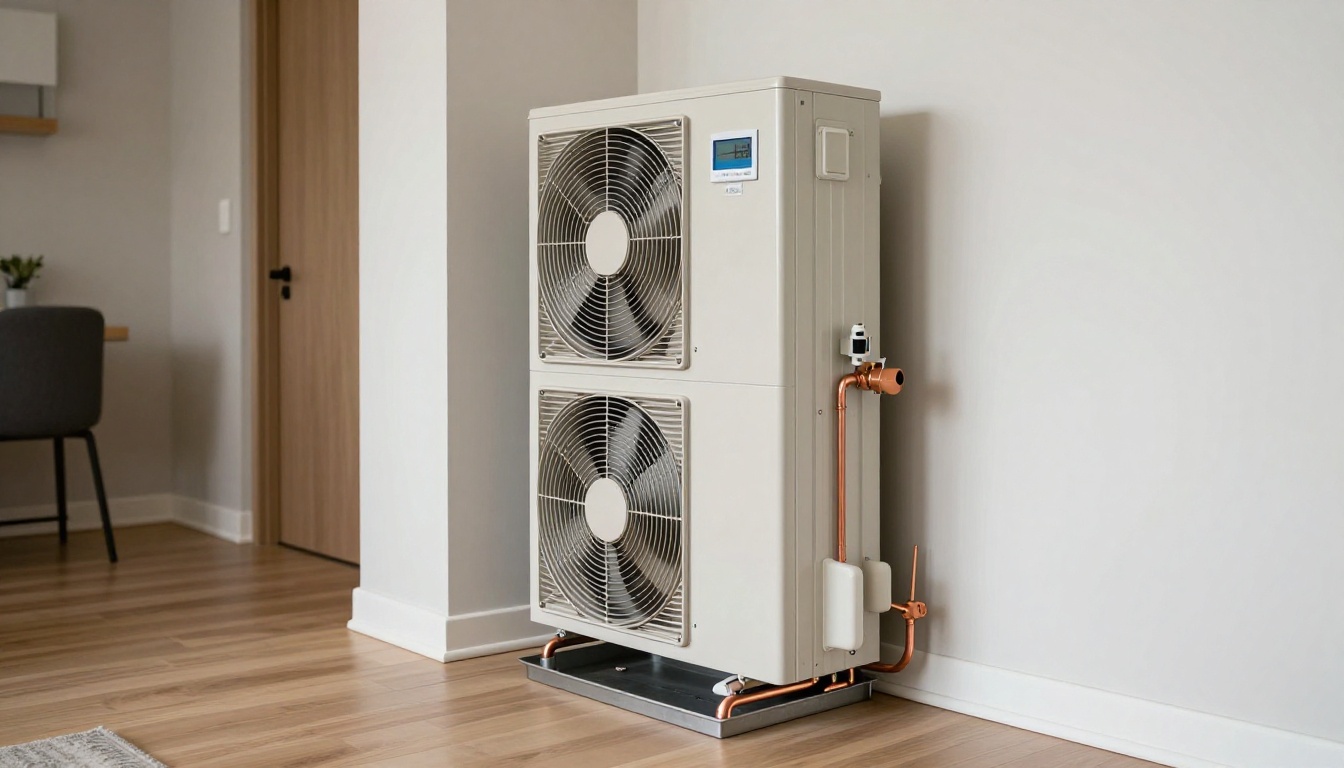
The approval process: what property management usually wants to see
Condo corporations across Toronto, Mississauga, and North York vary, but the process is more standardized than many owners expect. Before HVAC-related renovation work begins, management commonly asks for some combination of the following:
- A renovation application package
- Scope of work with suite address and equipment details
- Contractor insurance and WSIB clearance
- Electrical contractor details if controls or power are affected
- Drawings or marked-up plans showing access and dimensions
- Product submittals for replacement equipment or thermostats
- Confirmation that shutoffs, drains, and common elements are not being altered without approval
- Deposit for possible damage to common areas
What owners often miss is that some condo corporations treat portions of the HVAC system as common elements even when the owner pays for repair. That distinction matters. The declaration may say the owner maintains the unit, but management still controls how and by whom it is modified. Hudson sees this constantly in Toronto waterfront towers where fan coil replacements require scheduled isolation windows because the riser arrangement does not allow casual same-day disconnects.
If the work touches building-level systems, management may also want a mechanical consultant involved. For larger capital planning questions, boards are better served by structured mechanical maintenance programs or comprehensive mechanical maintenance rather than one-off suite decisions that create inconsistent equipment across the property.
Permit, code, and compliance questions owners get wrong
The target keyword condo hvac upgrade permit matters because owners often focus only on the City of Toronto permit question. In reality, condo compliance has three layers:
1. Building approval
This is the first gate. Even if a municipal permit is not required, the condo corporation can still reject the work if it conflicts with bylaws, house rules, access standards, or common element restrictions.
2. Electrical compliance
If HVAC work changes wiring, disconnects, breakers, control voltage, or branch circuits, Ontario electrical rules may apply. ESA involvement is often overlooked during “simple” thermostat or equipment swaps. Hudson has seen suites where a replacement unit had different amp draw than the original, but no one reviewed the breaker, conductor size, or disconnect suitability.
3. Mechanical and safety standards
Hydronic work, condensate routing, ventilation changes, and equipment clearances all need to respect manufacturer instructions and applicable code requirements. If your renovation affects ventilation performance, that can have indoor air quality consequences in tighter modern suites. In condo townhomes and newer high-rises, this is where ERV maintenance and ventilation review become relevant.
One more overlooked issue in fall renovations: dryer exhaust and ventilation are often altered during laundry closet redesigns. If a stacked washer-dryer is moved, duct length, elbows, and lint accumulation risk can increase sharply. A dryer that took 45 minutes to dry clothes before may take 80 minutes after a renovation with poor duct routing. That is why dryer vent cleaning should be part of the renovation checklist, especially before winter when windows stay closed and moisture loads rise.
A practical decision framework: safe change, risky change, likely no-go
Below is the framework Hudson uses when owners ask can I change HVAC in a condo?
| Renovation change | Usually allowed? | Risk level | Typical notes |
|---|---|---|---|
| Replace thermostat with compatible approved model | Yes | Low | Verify voltage, wiring, and control sequence first |
| Add larger access panel or service grille | Yes | Low | Often improves future repairability |
| Like-for-like fan coil replacement | Often | Medium | Requires management approval, matching specs, and shutdown planning |
| Replace actuator or valve with approved part | Yes, with approval | Medium | Part selection matters; wrong actuator torque/travel causes control issues |
| Enclose unit with custom millwork | Sometimes | High | Must preserve airflow, filter access, and repair clearance |
| Move thermostat to another wall | Sometimes | Medium | Sensor location can change comfort significantly |
| Relocate fan coil or heat pump | Rarely | High | Usually expensive and approval-heavy |
| Alter risers, shared piping, or drains | Usually no | Very high | Common-element and engineering issues |
| Tie new exhaust into existing building systems | Usually no | Very high | Fire, pressure, and code concerns |
A surprising pattern from Hudson’s condo service work: the “medium-risk” changes cause the most disputes because they look harmless. Thermostat relocation and millwork enclosure are perfect examples—they pass the eye test but fail months later during heating season.
What you can do before the contractor starts
Before demolition begins, there are several safe, practical steps owners can take.
Take photos of the equipment and label plate
Photograph the front, inside access area, piping connections, thermostat, and model/serial label. This helps identify whether you have an older Carrier 42 series style fan coil, a vertical stack unit, or an in-suite heat pump with proprietary controls. It also helps compare cabinet dimensions if replacement becomes necessary.
Measure the actual service envelope
Do not just measure the unit width. Measure:
- Front clearance to remove the lower panel
- Space below for drain pan access
- Side clearance near valves and piping
- Height needed to remove filters or blower sections
- Door swing or trim interference after millwork is installed
In Toronto condos, a unit may technically fit behind a finished panel but still be unserviceable. That difference is where future costs hide.
Replace consumables before closing things up
If the suite has not had recent maintenance, now is the time. A pre-renovation service can catch a dirty coil, worn blower capacitor, noisy motor, or early drain pan corrosion before expensive finishes go in. Common fall service items include drain pan cleaning and repair, blower motor repair, and filter replacement as part of annual fan coil maintenance.
Confirm winter readiness
Because it is September, this matters: many condo owners finish renovations only to discover in November that the suite does not heat properly after the seasonal switchover. A hidden control issue, blocked return, or disconnected thermostat wire may not show up until the building goes fully into heating mode. If your system is already inconsistent, book condo HVAC repair in Toronto or condo HVAC repair in North York before the first cold snap.
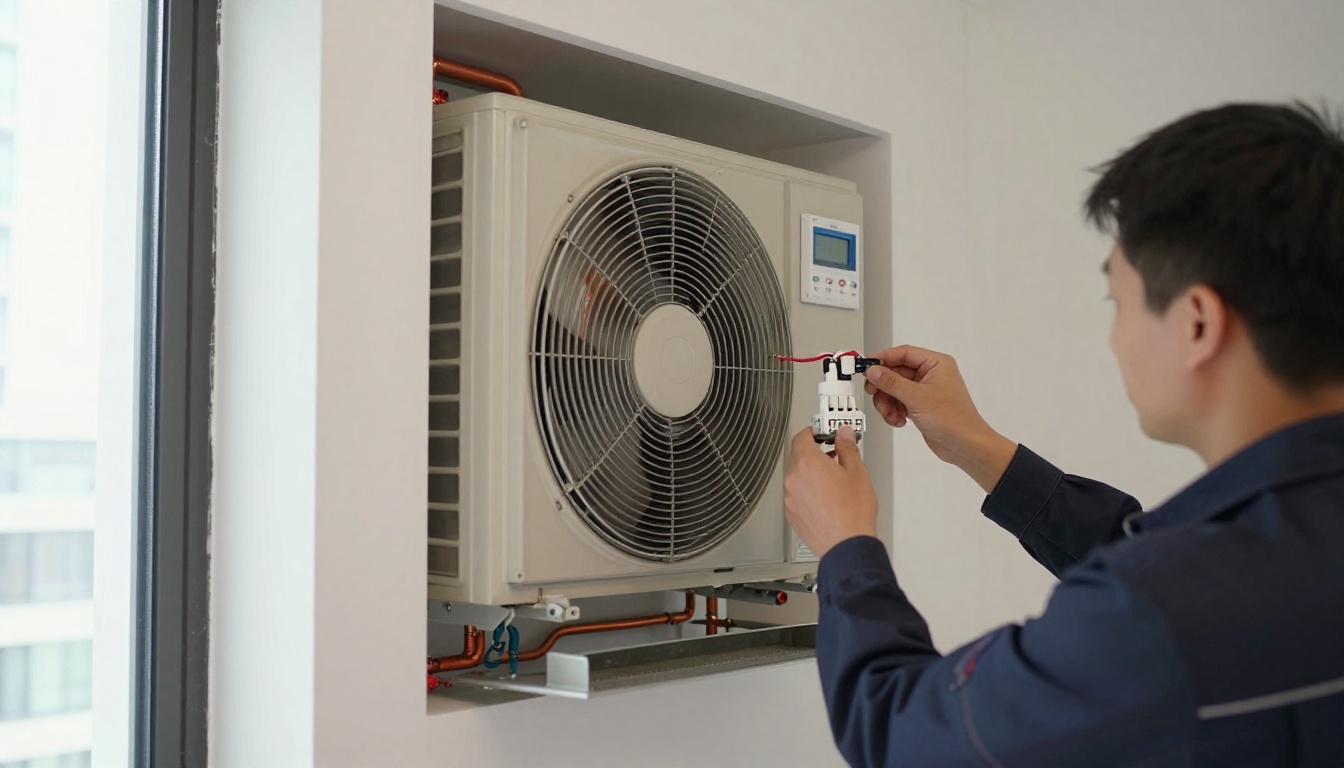
What a professional pre-renovation HVAC review looks like
A proper condo HVAC review is not a five-minute glance. For a typical suite in Toronto or Mississauga, Hudson usually spends 45-90 minutes depending on access and equipment type. The goal is to identify what is owner-controlled, what is building-controlled, and what hidden constraints will affect the renovation.
A thorough review typically includes:
- Equipment identification and age estimate
- Control type verification
- Airflow path and return air assessment
- Valve, actuator, and piping inspection
- Drain condition and slope review
- Cabinet dimensions and service-clearance check
- Basic electrical observation at disconnect/control interface
- Photos and written notes for management or contractor
If the building has recurring suite issues, Hudson may also recommend broader mechanical maintenance or city-specific support such as condo HVAC repair in Mississauga for nearby properties under the same management group. For urgent no-heat or leak conditions during renovation, emergency HVAC repair is sometimes the only practical path to keep the project moving.
Real Toronto cost ranges: approval mistakes vs doing it right
Owners are often told HVAC review is an unnecessary extra. In reality, it is usually one of the cheapest parts of the renovation.
Here are realistic GTA ranges for common condo HVAC renovation-related work in 2026:
- Pre-renovation HVAC inspection/report: $225-$450 per suite depending on complexity
- Compatible thermostat replacement: $250-$550 installed
- Actuator replacement: $350-$600 installed
- 3-way valve replacement: $650-$1,150 depending on access and isolation needs
- Blower motor replacement: $650-$1,400 depending on motor type and cabinet access
- Drain pan cleaning/service: $250-$500; pan replacement is higher if cabinetry limits access
- Like-for-like fan coil replacement: $3,500-$6,500 in many condo applications
- In-suite heat pump replacement: $5,500-$9,500+ depending on controls and building coordination
- Reopening non-compliant millwork/drywall to regain access: $900-$3,000 before HVAC repair even begins
For boards and managers, the bigger financial issue is inconsistency. Once multiple owners install different controls, valves, access methods, and cabinet constraints, future maintenance becomes slower and more expensive building-wide. That is one reason many corporations eventually move toward standardized project planning, heat pump replacement, or boiler replacement and central asset strategies instead of piecemeal suite-by-suite improvisation.
When to stop the renovation and call a condo HVAC specialist
Call a professional before proceeding if any of the following are true:
- The contractor wants to box in or relocate the unit
- The thermostat wiring is unknown or unlabeled
- The suite has a history of leaks, mold, or poor temperature control
- The fan coil or heat pump is over 15-20 years old
- The building requires submittals and no one has equipment specs
- The drain line or piping needs to be rerouted
- The access panel opening will be smaller after the renovation
- The laundry closet redesign changes dryer vent routing
One specific fall warning sign: if your unit clicks every 10-15 seconds during a call for heat, that often points to an actuator or valve issue rather than a thermostat problem. Renovating around a failing control component is a mistake; fix it first with actuator replacement or 3-way valve service. If there is visible microbial growth around the cabinet or supply air smells musty after the system runs, HVAC mold remediation should happen before finishes conceal the area.
FAQs
Can a condo owner replace their own fan coil or heat pump?
Usually not without building approval, and in many Toronto condos the answer is effectively no unless the work is coordinated through management and performed by qualified condo HVAC contractors. The reason is that fan coils and in-suite heat pumps connect to shared risers, valves, condensate systems, and electrical feeds that can affect neighboring suites if handled improperly. In Hudson HVAC’s experience, many declarations treat the equipment itself as owner responsibility but still require property management sign-off, shut-down coordination, proof of insurance, and post-work inspection before the unit can be recommissioned.
Do I need a permit to change HVAC equipment in a condo?
Sometimes yes, sometimes no—but you should never assume. A like-for-like thermostat swap may not require a municipal permit, while electrical modifications, new branch circuits, changes to controls, or refrigerant work can trigger ESA requirements, and larger alterations may require engineered drawings or management approval under the condo’s renovation rules. The bigger issue in Toronto condos is often not the city permit itself but the building’s own approval process, which can take anywhere from 1 to 6 weeks depending on the property manager and whether the board requires consultant review.
Why do condo boards restrict HVAC changes so heavily?
Because condo HVAC systems are rarely truly stand-alone. A single in-suite change can alter water balance, static pressure, condensate drainage, corridor pressurization, noise levels, or access for future maintenance, especially in older North York and Mississauga high-rises built in the 80s and 90s. Hudson has seen unapproved renovations create building-wide complaints when undersized return air openings, closed-off service clearances, or incorrect actuators caused overheating, poor airflow, and leaks into suites below.
Can I move my thermostat during a renovation?
Sometimes, but it is not just a cosmetic decision. Moving a thermostat from an interior wall to a spot near glazing, a kitchen, or a supply grille can shift the sensed temperature by 2-4°C, which is enough to create short cycling, constant fan operation, or complaints that the suite is always too hot or too cold. In condo applications, thermostat relocation should be reviewed alongside the control type—line voltage, low voltage, BACnet-linked, or proprietary controls—before any wall is opened.
What HVAC changes are most likely to be rejected by condo management?
The most common rejected changes are enclosing fan coils behind millwork with no service access, relocating equipment away from existing risers, altering duct sizes without engineering review, tying bathroom exhaust into other systems, and replacing standard equipment with non-approved models that draw different amperage or have different water connections. Another frequent issue is owners trying to gain closet space by shrinking access panels; if a blower motor or actuator cannot be removed without demolition later, management will usually refuse the renovation.
How much does it cost to bring a non-compliant condo HVAC renovation back to code or building standard?
It varies widely, but the correction cost is often much higher than doing the work properly the first time. Hudson commonly sees post-renovation corrections ranging from about $450-$900 for thermostat rewiring or access-panel fixes, $900-$1,800 for drain and valve corrections, and $3,500-$8,500+ when fan coils, cabinetry, drywall, and flooring need to be reopened to restore service clearance or replace improperly installed equipment. If a leak damages the suite below, the overall cost can rise much further once restoration, insurance deductibles, and management fees are added.
Next steps before you finalize your renovation
If your renovation touches a fan coil closet, thermostat location, laundry area, ductwork, or any built-in around HVAC equipment, get it reviewed before materials are ordered. That is especially important in fall, when Toronto condos are heading toward heating season and hidden issues tend to surface after the first cold weather changeover.
For owners, the smartest move is simple: have the suite inspected, confirm what the condo corporation allows, and make sure service access is preserved. For property managers and boards, standardizing expectations across suites can prevent years of avoidable repair delays and owner disputes. Hudson provides suite-level assessments, in-suite maintenance, building support, and renovation-related HVAC guidance for condo properties across Toronto and the GTA. More condo-specific resources are also available on the Hudson blog.
If your fan coil or heat pump has not been serviced in over a year, book a maintenance visit before renovation work closes up the space—and definitely before winter arrives.
Contact Hudson
- Contact Us
- Phone: +1 (437) 448-0640
- Email: service@hudsonhvac.ca