
Crafting an Effective HVAC RFP for Your Toronto Condo
Discover how to write an HVAC RFP for your Toronto condo to attract quality bids and ensure top-tier service.
- Hudson HVAC
- 4 min read

Crafting an Effective HVAC RFP for Your Toronto Condo
Quick summary: Writing a comprehensive HVAC Request for Proposal (RFP) is crucial for attracting quality bids and ensuring efficient management of your condo’s HVAC needs. This guide provides Toronto condo boards with the insights needed to create an RFP that garners effective bids, focusing on spring maintenance and preparation for the cooling season.
Understanding the Fast Diagnosis: What’s Going On?
As spring blossoms across the Greater Toronto Area, it’s the perfect time to assess and plan for your condo building’s HVAC needs. With fluctuating spring temperatures, transitioning from heating to cooling requires strategic planning and maintenance. Crafting an effective HVAC RFP is the first step toward ensuring your building receives the best service, whether in downtown Toronto or in vibrant Mississauga.
Common Causes: Why This Happens
Many Toronto condos, especially those along the waterfront, contend with unique HVAC challenges due to seasonal transitions. Buildings constructed in the 80s and 90s often have outdated systems requiring frequent updates or replacements. Common issues include inadequate cooling capacity during summer, particularly in high-rises with older fan coils or heat pumps. In our experience servicing North York and Vaughan condo towers, poorly executed RFPs often lead to inadequate service, higher costs, and unsatisfactory results.
What You Can Do Right Now: DIY Safe Steps
While crafting an RFP may seem daunting, understanding your building’s specific needs will streamline the process. Start by reviewing past maintenance logs to identify recurring issues, such as fan coil leaks or thermostat malfunctions. This will help tailor your RFP to address these specific concerns. Engage with residents to gather feedback on heating and cooling performance. This data will be invaluable in specifying requirements for potential contractors.
When to Call a Professional: Signs You Need Help
If your condo’s HVAC system hasn’t been assessed in over a year, or if residents report persistent issues like inadequate cooling or unusual noises, it may be time to seek professional assistance. Hudson HVAC offers fan coil maintenance and heat pump tune-ups that are crucial for identifying potential problems before they escalate.
What to Expect from a Service Visit: Typical Timeline and Process
A professional HVAC service visit involves a comprehensive system check, including fan coil and heat pump inspections, and addressing potential mold issues from winter moisture. Typically, these visits last 2-3 hours per unit. For a 300-unit high-rise, expect the full maintenance to span several weeks, allowing for thorough service without disrupting residents.
Cost Factors with Real Ranges
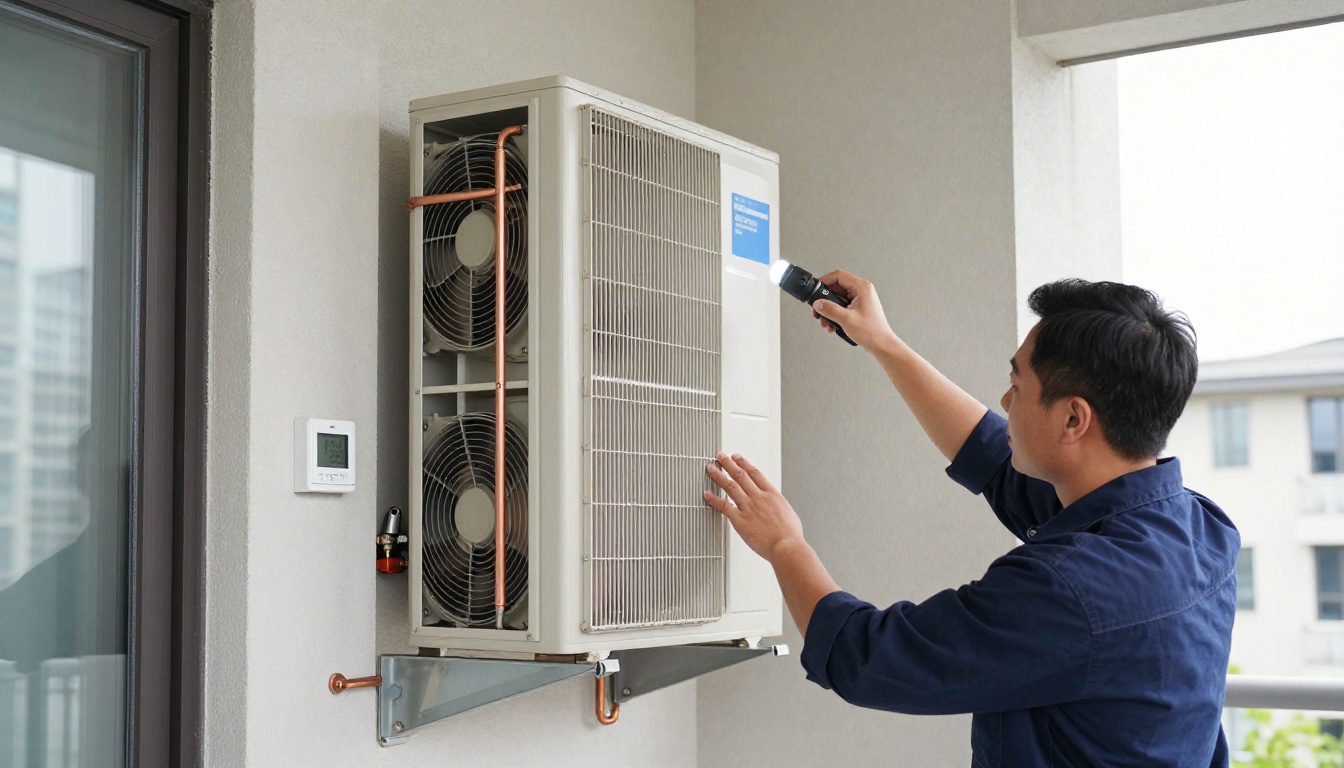
The cost of HVAC services can vary significantly based on the scope and specific needs of your building. For instance, a fan coil actuator replacement in a Toronto condo typically ranges from $350-$600, including parts and labor. Comprehensive spring maintenance packages for larger buildings might range from $50,000 to $100,000, depending on the system’s complexity and building size.
FAQs
What should be included in an HVAC RFP? An effective HVAC RFP should include a detailed project scope, specific technical requirements, timeline expectations, budget constraints, and evaluation criteria. It’s crucial to also outline the proposal submission process clearly.
How can I ensure I receive quality bids for my HVAC RFP? To attract quality bids, provide a clear and detailed RFP, outline precise selection criteria, and request references and past project examples. Engaging with reputable contractors familiar with Toronto condo environments enhances bid quality.
What common mistakes should be avoided in HVAC RFPs? Avoid vague project descriptions, unrealistic timelines, and neglecting to specify compliance with local regulations. Ensure the RFP is clear about the building’s specific needs, such as fan coil type or energy efficiency goals.
Why is spring an ideal time to issue an HVAC RFP? Spring is optimal for issuing an HVAC RFP as it aligns with seasonal maintenance needs and allows time for summer cooling preparations. It also gives your board ample time to review bids before peak HVAC service demand in summer.
How does a well-written RFP benefit a condo board? A well-written RFP ensures that the condo board receives competitive and relevant bids, leading to better decision-making. It helps maintain transparency, aligns expectations, and can result in cost-effective and timely project completion.
Next Steps: Call to Action
If your condo building is preparing for the summer cooling season, now is the time to draft an HVAC RFP that ensures quality service. Hudson HVAC specializes in fan coil repair and heat pump replacement projects tailored to Toronto’s unique climate.
Contact Hudson
For expert HVAC solutions tailored to your condo’s needs, Contact Us.
Phone: +1 (437) 448-0640
Email: service@hudsonhvac.ca