
Emergency HVAC Repair for Richmond Hill Condo Residents
Need emergency HVAC repair in Richmond Hill? Learn common condo heating failures, repair costs, timelines, and what to do before winter.
- Hudson HVAC
- 16 min read
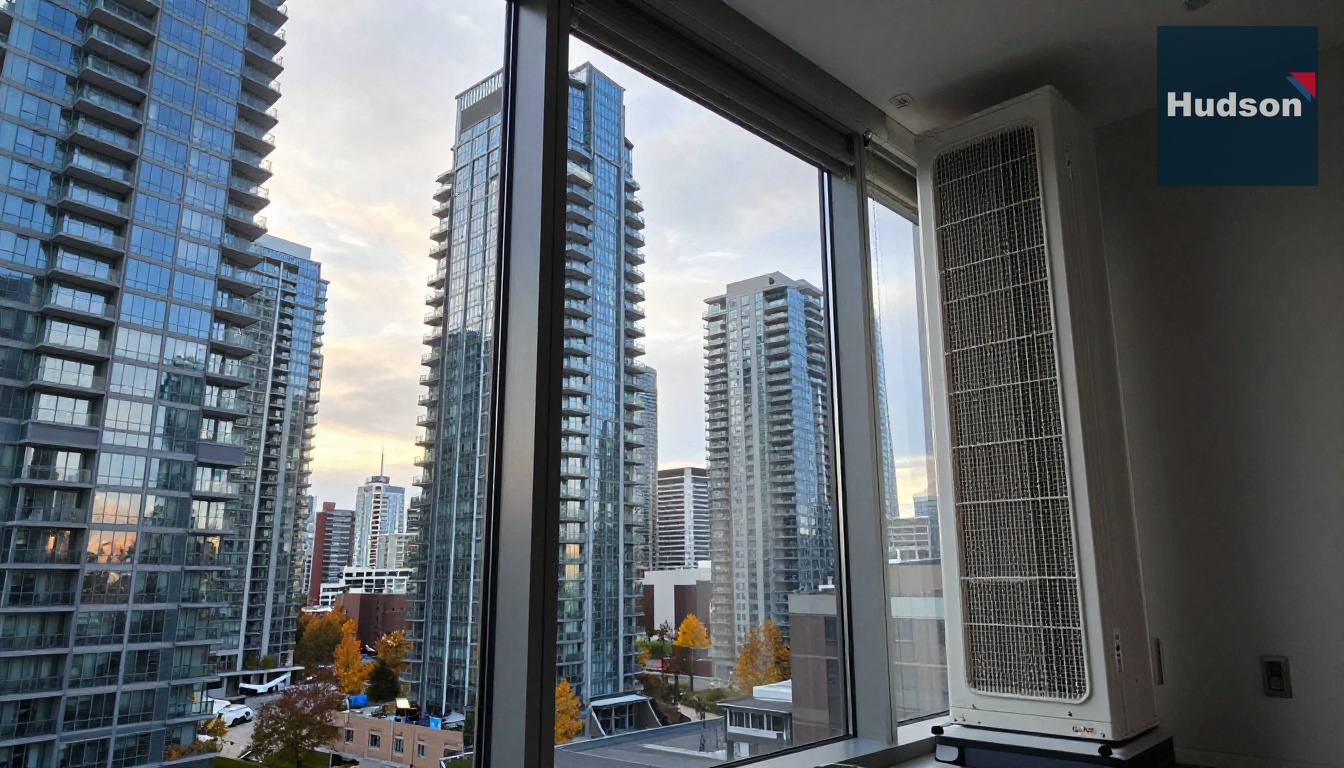
Emergency HVAC Repair for Richmond Hill Condo Residents
Quick summary: If you need emergency HVAC repair in Richmond Hill, speed matters, but condo-specific diagnosis matters even more. In Richmond Hill high-rises and mid-rises, many “no heat” or “no airflow” emergencies come down to in-suite fan coils, heat pumps, thermostats, actuators, or control issues that can be identified quickly when the technician understands condo systems, building rules, and Richmond Hill’s housing mix.
Richmond Hill condo residents deal with a different HVAC reality than detached homeowners. Between towers near Yonge Street and Highway 7, newer developments around Langstaff, buildings close to Richmond Hill Centre, and mid-rises near Bayview Avenue, suite-level equipment often depends on shared building infrastructure, strict access protocols, and older mechanical layouts that can complicate an emergency.
Why emergency HVAC repair looks different in Richmond Hill condos
A lot of emergency calls in Richmond Hill are not caused by catastrophic equipment failure. They are caused by small components failing at the worst possible time: a seized actuator during the first cold snap, a thermostat that stops sending the heating call, a blower motor that hums but will not start, or a drain pan that was dirty all summer and begins leaking when shoulder-season condensation changes. In condo buildings, those “small” failures can quickly become major because they affect comfort, create water risk, and sometimes trigger building management involvement.
In Richmond Hill, we regularly see this in condo clusters along High Tech Road, Bantry Avenue, Red Maple Road, and the Yonge corridor south of 16th Avenue. Buildings from the early 2000s often have original fan coil units or vertical stack heat pumps that are now old enough to show recurring electrical and airflow issues. Newer buildings are not immune either; tighter construction can make airflow, humidity, and control calibration problems more noticeable, especially in fall when systems switch from cooling mode to heating mode.
That is why residents searching for condo HVAC repair in Richmond Hill need more than a generic emergency contractor. They need someone who understands fan coil cabinets in condo closets, ceiling bulkhead access, building-issued shutdown procedures, and how to separate a suite problem from a central plant or riser issue.
One point many residents do not realize: in condo buildings, an HVAC emergency is often a coordination problem as much as a repair problem. If a unit is leaking, the technician may need management to authorize isolation. If the heat is not working, the issue may be in the suite thermostat, but it may also be a building-side hot water availability issue. A good emergency response starts by narrowing that down fast.
The most common emergency HVAC problems we see in Richmond Hill each fall
Fall in Richmond Hill is when hidden HVAC issues show up. The system may have seemed “fine” in September, but once overnight temperatures drop and the building shifts into heating demand, weaknesses become obvious.
1. No heat from the fan coil or heat pump
This is the most common urgent call once nights get cold. In Richmond Hill condos, no-heat complaints typically trace back to one of five causes:
- failed thermostat or incorrect programming
- stuck actuator or valve not opening to allow hot water flow
- failed blower motor or capacitor
- dirty coil restricting airflow enough to trip safeties
- building-side seasonal changeover or low hot water supply temperature
In practical terms, a resident feels cool air or no airflow at all. On site, we check line temperature, call for heat, motor amperage, control voltage, and whether the valve is actually opening. If the issue is a failed zone component, services like actuator replacement or three-way valve replacement can restore operation quickly.
2. Water leaking from the HVAC cabinet
In fall, many Richmond Hill residents assume leaks only happen in summer. That is not true. Condensate issues can appear in shoulder seasons when drain pans are already dirty, when a unit was shut off for months, or when a heat pump cabinet develops internal sweating due to airflow imbalance. We also see drain line blockages that were building up through summer finally overflow once the resident restarts the system.
A leaking fan coil is urgent in any Richmond Hill condo because the damage rarely stays inside one suite. Water can travel into flooring, baseboards, ceilings below, and electrical compartments. In many cases, prompt drain pan cleaning and repair prevents a much larger insurance claim.
3. Burning smell or repeated breaker trips
When a resident says, “it smells hot” or “the breaker keeps going,” that moves the call into emergency territory. In condo fan coils, the usual causes are overloaded blower motors, damaged wiring, failed relays, seized bearings, or debris buildup around electric components. In Richmond Hill buildings with older original equipment, we often find motors drawing high amperage after years of neglected maintenance.
This is not a DIY situation. Electrical HVAC faults in Ontario must be handled carefully, and any control or wiring repair has to respect ESA requirements and manufacturer ratings. If the system is tripping repeatedly, shut it off and arrange emergency HVAC repair rather than continuing to reset it.
4. Weak airflow and uneven heating
A surprising number of “emergencies” begin as poor airflow that residents tried to ignore. In Richmond Hill, this is especially common in condos where the original fan coil has never had proper coil cleaning. Dust, lint, pet hair, and drywall debris reduce heat transfer and force motors to work harder. In a building with a stacked vertical unit, even a partially blocked return can make a bedroom feel 4 to 6 degrees cooler than the living area.
Routine fan coil maintenance and, where applicable, heat pump maintenance often prevent these fall emergencies altogether.
5. Dryer vent and ventilation issues that look like heating problems
This is one of the most overlooked fall issues in Richmond Hill condos. Residents notice the suite feels stuffy, windows fog, or the laundry closet gets unusually hot. They think the heating system is failing, but the real problem is restricted exhaust or poor ventilation. In tighter condo envelopes, a blocked dryer vent can raise indoor humidity and make the suite feel colder and damper even when the thermostat is satisfied.
That is why fall is the right time for dryer vent cleaning and, in buildings equipped with fresh-air systems, ERV maintenance.
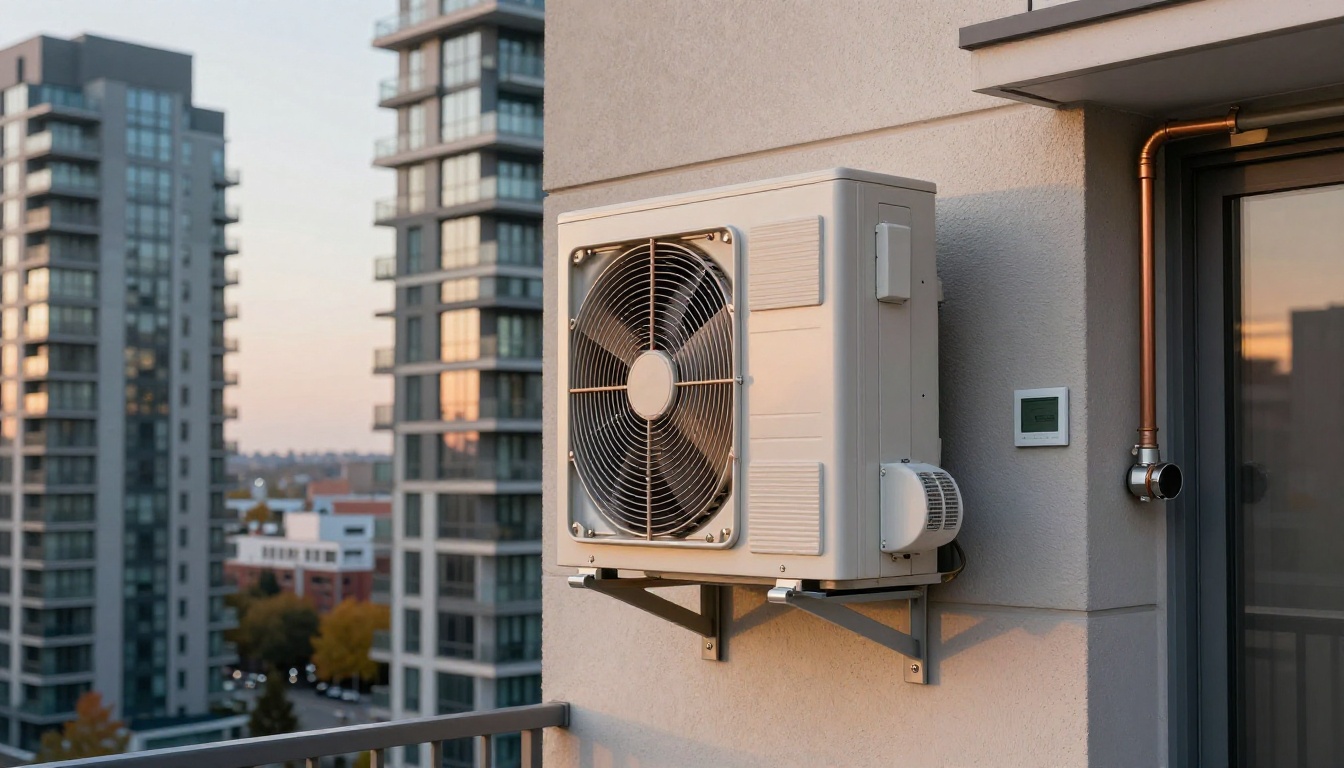
What makes Richmond Hill condo emergencies more complicated than people expect
Not every GTA city has the same condo stock. Richmond Hill has a mix of newer transit-oriented towers and older mid-rise buildings where equipment age and access vary a lot from one postal code to the next. That matters during an emergency.
In towers near Richmond Hill Centre and along Yonge Street, access rules are often strict: elevator booking, loading dock timing, security registration, and management approval for after-hours work. In older mid-rises closer to Major Mackenzie Drive or east toward Bayview Hill and Beaver Creek edges, the mechanical layouts can be less standardized, and original valves or controls may no longer match current replacement parts exactly.
One specific field insight: in 15- to 20-year-old Richmond Hill condos, we frequently find that a failed actuator was not the only issue. The actuator may have burned out because the underlying valve stem was stiff or partially seized. Replacing just the head can bring heat back temporarily, but if the valve body is binding, the problem may return. That is why experienced condo technicians manually verify valve travel before calling the repair complete.
Another point most blogs miss: some emergency “no heat” calls are actually building balancing problems. If lower floors are warm but higher floors are not, or corner units on windy exposures are struggling while interior suites are fine, the issue may involve building-side water temperature, air in the riser, or control balancing—not just the resident’s thermostat. Hudson flags those patterns quickly so the resident is not paying for repeated suite-only service calls that never solve the root cause.
For broader Richmond Hill HVAC services, that condo-specific troubleshooting is what saves time.
A recent Richmond Hill condo emergency Hudson solved
A realistic example from the kind of call we see every fall: Hudson was called to a 22-storey condo just west of Yonge Street near Highway 7, in a one-bedroom-plus-den suite on the 17th floor. The resident had returned home around 8:30 p.m. to find the unit at 18°C even though the thermostat was set to 23°C. The fan coil was making a low humming sound, but little warm air was coming from the supply grille. Earlier that week, the resident had also noticed a faint ticking noise inside the cabinet.
The building was about 16 years old and still had many original in-suite fan coil components. Security let us into the suite after management confirmed it was resident-responsible equipment. The first step was to verify whether it was a building-side heating supply issue or an in-suite fault. We checked pipe temperature at the cabinet and confirmed hot water was available. That immediately ruled out central plant changeover problems.
Next, we tested thermostat output and found the thermostat was calling for heat correctly. Then we inspected the valve assembly and actuator. The actuator had power, but the valve stem was only moving partially and sticking under light manual pressure. At the same time, the blower motor amp draw was elevated, and the wheel was heavily dust-loaded. The resident’s emergency was actually a two-part problem: restricted airflow plus a failing valve assembly.
We explained that replacing only the actuator would be risky because the valve body itself was binding. The repair plan was:
- isolate the suite-level valve section with building coordination
- replace the failed actuator
- replace the sticking control valve assembly
- clean the blower wheel and accessible coil face
- test motor operation under heating demand
The full repair took about 2.5 hours on site, plus roughly 30 minutes of coordination with building staff. Once complete, supply air temperature rose steadily and the suite recovered from 18°C to 21°C over the next hour.
The final cost landed in the $780 to $1,150 range, depending on exact part configuration and after-hours timing. If the resident had waited another week, there was a good chance the blower motor would also have failed, which would have pushed the repair into a much higher bracket—typically $900 to $1,600 for motor-related work in similar Richmond Hill condos. In some cases, a full blower motor repair or fan coil repair and replacement becomes more economical than repeated patch jobs.
The important lesson was not just “replace the bad part.” It was identifying that two aging components were failing together, which is very common in Richmond Hill buildings where original equipment is now well past the halfway point of its service life.
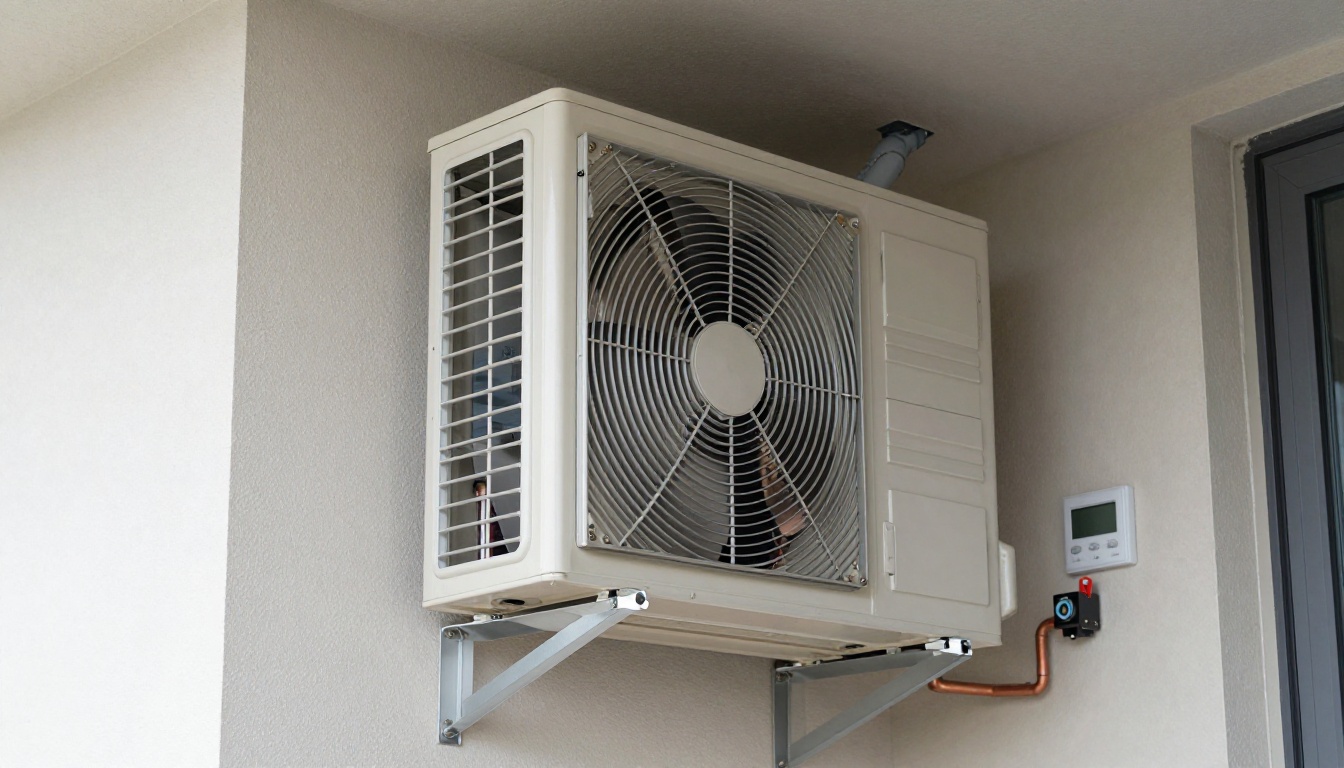
What Richmond Hill condo residents can do before calling for emergency HVAC repair
There are a few safe checks residents can do before booking an emergency visit. These steps can save time, and sometimes they reveal that the issue is building-related rather than inside the suite.
Check the thermostat settings carefully
This sounds basic, but in Richmond Hill condos with smart thermostats or replacement digital controls, mode settings are a frequent source of confusion in fall. Confirm the thermostat is actually in heat mode, not auto or fan-only mode. If the screen is blank, check batteries if the model uses them, and verify the breaker is on.
If the thermostat is outdated, unresponsive, or inaccurate, a proper thermostat installation or replacement may be the long-term fix.
Look for signs of leaking or sweating around the unit
Open the fan coil closet or access panel area if it is safe to do so. Check for water under the cabinet, rust marks, staining, or musty odor. In condo buildings, catching a small leak early is one of the best ways to avoid damage claims.
If you see active water, call building management right away and stop running the unit until it is assessed.
Replace or clean accessible filters if your unit has them
Some condo systems have easy-access filters; others do not. If yours does, a clogged filter can reduce airflow enough to make the unit feel like it has failed. If the filter is dark gray, packed with lint, or visibly collapsed, replace it with the correct size and rating.
For units that have not been professionally serviced in a year or more, a full in-suite maintenance visit is usually more useful than another emergency call later.
Check whether neighbors have the same problem
This is one of the smartest condo-specific steps. If several units on your floor or stack have no heat, the issue may be shared. In Richmond Hill, we have seen residents pay for individual service calls when the real problem was a building-side heating distribution issue. Ask concierge or management whether other suites have reported the same symptom.
Do not keep resetting breakers or forcing the system on
If the breaker trips once, that is a warning. If it trips twice, stop. Repeated resets can worsen electrical damage, overheat wiring, or turn a repairable fault into a more expensive control failure.
When it is time to call Hudson
You should call Hudson for emergency HVAC repair in Richmond Hill when any of these conditions apply:
- your condo has no heat and outdoor temperatures are dropping
- the HVAC unit is leaking water into flooring, drywall, or the suite below
- you smell burning, see smoke, or hear loud electrical buzzing
- the breaker keeps tripping when the unit starts
- airflow is suddenly weak and the system cannot maintain temperature
- your thermostat is calling, but the suite keeps getting colder
Hudson focuses on condo-specific systems, including fan coils, in-suite heat pumps, ERVs, thermostats, valves, drain pans, and blower assemblies. For urgent repairs, we also look at whether the emergency is really a symptom of overdue maintenance. That matters because many fall breakdowns in Richmond Hill can be prevented with regular mechanical comprehensive maintenance at the building level and proper suite-level service.
If your building is facing repeated breakdowns across multiple units, it may be time to look beyond one-off repairs toward mechanical services, larger projects, or even a planned fan coil retrofit or heat pump replacement strategy.
Fall prevention tips for Richmond Hill condo residents before winter arrives
October and November are the best months in Richmond Hill to get ahead of emergency calls. Once the first serious cold stretch hits, the same parts and appointment windows everybody needs become harder to secure.
Here is what we recommend every fall:
Book a heating-side inspection before temperatures crash
A preventive visit can identify weak actuators, dirty coils, noisy motors, and failing controls before they become after-hours emergencies. In many condo suites, 60 to 90 minutes of maintenance prevents the exact no-heat call that would otherwise happen on the coldest weekend of the month.
Clean the drain pan even if you think cooling season is over
This is a condo-specific detail many owners miss. Drain pans do not stop mattering in fall. A dirty pan can hold organic buildup year-round, contribute to odor, and create microbial growth inside the cabinet. If there is visible contamination, HVAC mold remediation may also be appropriate.
Service the dryer vent before winter window condensation starts
In Richmond Hill condos, poor exhaust is a major contributor to indoor humidity complaints in late fall and winter. Residents often blame the windows or the heating system, but blocked dryer exhaust and neglected ventilation are common root causes.
Keep records of prior repairs
If your condo fan coil already had an actuator replaced two years ago, or the blower motor was noisy last winter, tell the technician. That history helps distinguish a one-off fault from a pattern. In aging Richmond Hill buildings, patterns matter.
FAQs
How fast can emergency HVAC repair happen in Richmond Hill condos?
In Richmond Hill, true in-suite HVAC emergencies are often diagnosed the same day when access is available and the issue is isolated to suite equipment like a fan coil, thermostat, actuator, or blower motor. Typical diagnosis takes 45 to 90 minutes, while common repairs can take 1.5 to 3 hours if parts such as capacitors, relays, thermostats, or condensate components are on hand. Delays usually come from condo access rules, shutoff coordination with management, or older proprietary controls in buildings near Yonge Street and Highway 7.
What counts as an HVAC emergency in a condo?
A condo HVAC issue becomes an emergency when there is no heat in cold weather, active leaking from the unit, a burning smell, repeated breaker trips, smoke, or a system that could damage the suite or neighboring units. In Richmond Hill condos, the most urgent fall and winter calls are failed blower motors, stuck zone valves or actuators, thermostat/control faults, and blocked drain pans that overflow into ceilings or flooring. If the suite temperature is dropping quickly or water is escaping the cabinet, it should be treated as urgent.
How much does emergency HVAC repair usually cost for a Richmond Hill condo unit?
For Richmond Hill condo suites, after-hours diagnostic and emergency attendance commonly range from about $250 to $450 depending on timing, building access, and system type. Straightforward repairs such as thermostat replacement, minor electrical troubleshooting, or actuator replacement often land between $350 and $900 total, while blower motor or control repairs are more commonly $700 to $1,600. If the unit needs major component replacement or is beyond economical repair, a larger project quote may be more appropriate than an emergency patch.
Should I call building management first or Hudson first?
In most Richmond Hill condos, contact building management or security first if there is leaking, no heat affecting a shared system, a suspected riser issue, or if your building requires contractor authorization and elevator booking. If the problem appears limited to your in-suite equipment, Hudson can still help quickly, but management may need to open mechanical rooms, isolate water, or confirm responsibility boundaries. The fastest outcomes usually happen when residents call both: management for access and Hudson for diagnosis.
Do older Richmond Hill condo buildings need different HVAC emergency repair strategies?
Yes. Many older Richmond Hill mid-rises and early high-rises around Yonge Street, Bayview Avenue, and Highway 7 have aging fan coils, older three-speed motors, pneumatic-to-digital control retrofits, or valves that seize after sitting through shoulder seasons. Those systems often need more careful troubleshooting because replacing one failed part can expose a second weak point, especially in 15- to 25-year-old equipment. In those buildings, it is often smarter to pair the emergency repair with preventive service such as fan coil maintenance, drain pan cleaning, and thermostat verification before winter fully sets in.
Don’t wait for the first hard freeze
If your suite in Richmond Hill is already showing warning signs—slow warm-up, odd noises, weak airflow, humidity issues, or intermittent heat—this is the moment to act. Waiting until the next cold front usually means a more stressful repair, a longer discomfort window, and in some cases avoidable water or electrical damage.
For condo owners, tenants, and property managers dealing with hvac repair in Richmond Hill, the smartest move is fast diagnosis with condo-specific experience. Hudson works on the systems actually found in GTA condo towers: fan coils, heat pumps, ERVs, valves, thermostats, drain pans, and blower motors. If you need emergency HVAC repair, or you want to prevent one before winter starts, reach out now.
You can also explore local condo HVAC repair in Richmond Hill services and more maintenance guidance on the Hudson blog.
Contact Hudson
- Contact Us
- Phone: +1 (437) 448-0640
- Email: service@hudsonhvac.ca