
Evaporator Coil Maintenance for Toronto Condo Fan Coils
Learn how to maintain the evaporator coil in your Toronto condo's fan coil system for optimal HVAC performance.
- Hudson HVAC
- 5 min read
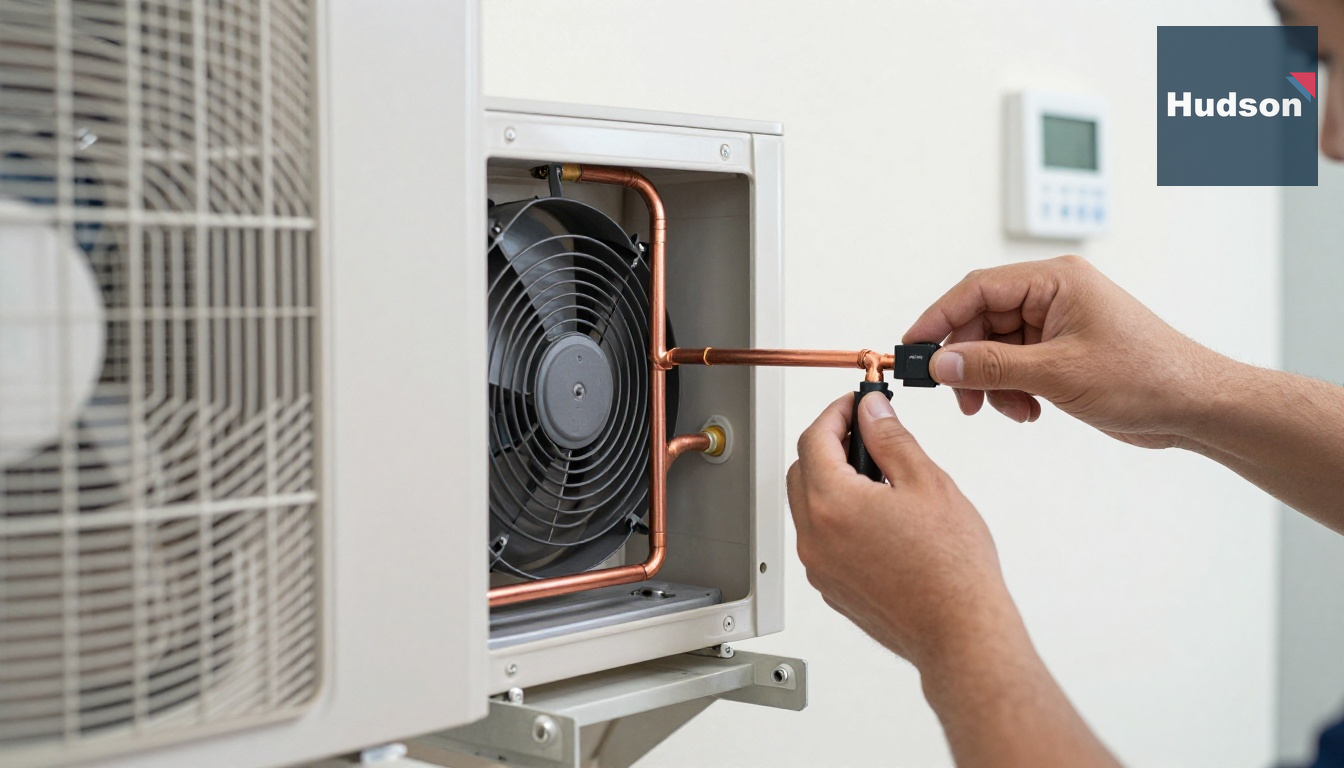
Evaporator Coil: The Heart of Your Toronto Condo’s Fan Coil System
Quick summary: The evaporator coil in your Toronto condo’s fan coil system is where heat exchange happens, crucial for effective heating and cooling. Proper maintenance, especially in spring, ensures optimal performance and air quality.
What Is an Evaporator Coil?
The evaporator coil is a critical component in your condo’s fan coil or heat pump system. It’s the part where the magic of heat exchange occurs. In simple terms, it’s where warm air is cooled in the summer and cold air is warmed in the winter. Imagine it as the heart of your HVAC system, pumping comfortable air into your living space. The coil’s job is to absorb heat from the air inside your home and either expel it outside (in cooling mode) or use it to warm the air (in heating mode).
In most Toronto high-rise condos, the evaporator coil is located inside the fan coil unit, often hidden behind a cover or panel. It’s an integral part of both the cooling and heating cycles, using chilled water in fan coils or refrigerant in heat pumps to perform its function.
What Does It Look Like?
The evaporator coil is typically a metal coil, usually copper or aluminum, with a series of fins that resemble a car radiator. This design maximizes surface area for better heat transfer.
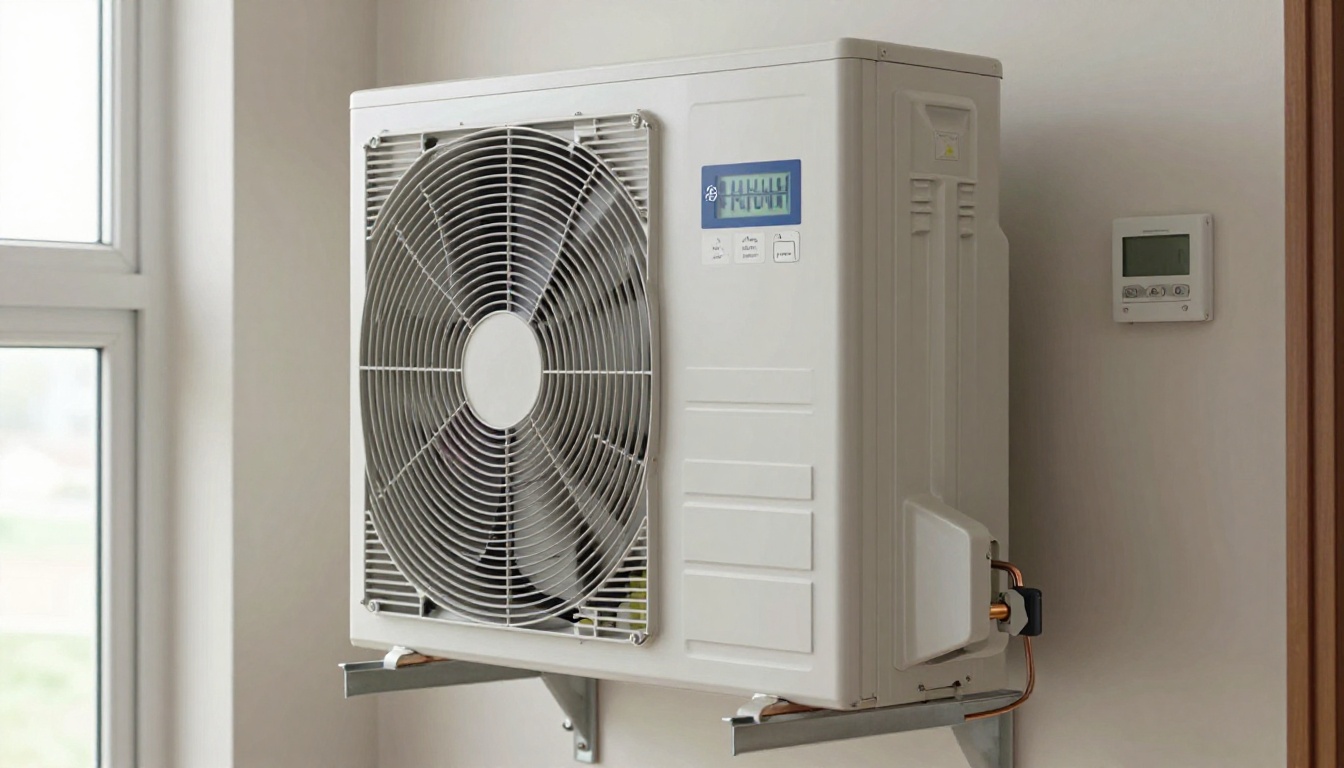
The coil is usually situated inside the fan coil cabinet, mounted vertically or horizontally, depending on your unit’s design. It’s usually silver or copper in color and can be identified by its fin-like structure.
How Does It Work?
The evaporator coil plays a pivotal role in regulating your condo’s temperature. Here’s how it works:
- Cooling Mode: Chilled water (in fan coils) or refrigerant (in heat pumps) flows through the coil. As warm air from your condo passes over the coil, the heat is absorbed by the chilled medium, cooling the air before it’s circulated back into your living space.
- Heating Mode: In heat pump systems, the process reverses, where the coil helps absorb heat from the refrigerant and warm the air passing over it.
Think of it as a sponge that either soaks up heat or releases it, depending on the mode.
Signs It Might Be Failing
Keep an eye out for these telltale signs that your evaporator coil might be on the fritz:
- Reduced Airflow: If the air coming from your vents feels weak, it could mean the coil is dirty or blocked.
- Increased Energy Bills: A struggling coil makes your system work harder, using more energy.
- Unusual Noises: Whistling or hissing sounds often indicate airflow issues related to the coil.
- Musty Odors: Mold or mildew growing on a dirty coil can cause unpleasant smells.
- Visible Leaks or Condensation: Water pooling around your unit can signal coil problems or clogs.
Can You Test It Yourself?
While a full inspection should be left to professionals, there are a few simple checks you can do:
- Visual Inspection: Peek into the fan coil cabinet (if accessible) to check for visible dirt or frost on the coil.
- Listen for Sounds: Pay attention to any unusual noises coming from your unit.
- Thermostat Response: Ensure your thermostat settings result in proper heating or cooling.
Remember, avoid touching the coil or any internal components to prevent damage or injury.
When to Replace vs Repair
Evaporator coils typically last 10-15 years. However, in Toronto’s climate, regular maintenance can extend their life. Replacement might be necessary when:
- The coil is severely corroded or damaged.
- Frequent, costly repairs have been ineffective.
- Energy efficiency has significantly decreased.
Toronto Pricing: Replacing an evaporator coil can cost between $800 and $1,500, including parts and labor. Regular cleaning and maintenance, on the other hand, is a fraction of this cost.
How Hudson Handles This Repair
At Hudson HVAC, our experienced technicians make evaporator coil maintenance and replacement a breeze. Here’s what you can expect:
- Initial Assessment: We evaluate your system to determine the best course of action.
- Cleaning or Replacement: Depending on the coil’s condition, we perform a thorough cleaning or recommend a replacement if necessary.
- Testing: We ensure the system is running efficiently post-service.
Our service is efficient, typically completed within a few hours, ensuring minimal disruption to your condo life.
FAQs
What is the function of an evaporator coil in a fan coil system?
The evaporator coil is responsible for the heat exchange process in a fan coil system. In a Toronto condo’s fan coil unit, it transfers heat between the water or refrigerant and the air, effectively cooling or heating your living space.
How often should I clean my Toronto condo’s evaporator coil?
In Toronto’s climate, seasonal cleaning is recommended, especially during spring. This ensures any mold from winter and debris from the previous cooling season are removed, optimizing performance.
What are the signs of a dirty evaporator coil?
Common signs include reduced airflow, longer heating or cooling times, unusual noises, and condensation or musty odors near the fan coil unit.
Can I clean the evaporator coil myself?
While light dusting can be done safely, deeper cleaning involves handling chemicals and components that are best left to professionals like Hudson HVAC to avoid damaging the system.
How does a dirty evaporator coil affect my HVAC system?
A dirty coil reduces efficiency, increases energy costs, strains the system, and might lead to higher maintenance or repair costs over time.
Call to Action
If your fan coil isn’t performing as it should and you suspect issues with the evaporator coil, contact Hudson HVAC for a same-day diagnostic and service.
Contact Hudson:
- Contact Us
- Phone: +1 (437) 448-0640
- Email: service@hudsonhvac.ca