
Fan Coil Mold Removal in Mississauga Condos
Need fan coil mold removal in Mississauga? Learn causes, costs, condo-specific fixes, and when to call Hudson HVAC for safe repair.
- Hudson HVAC
- 16 min read
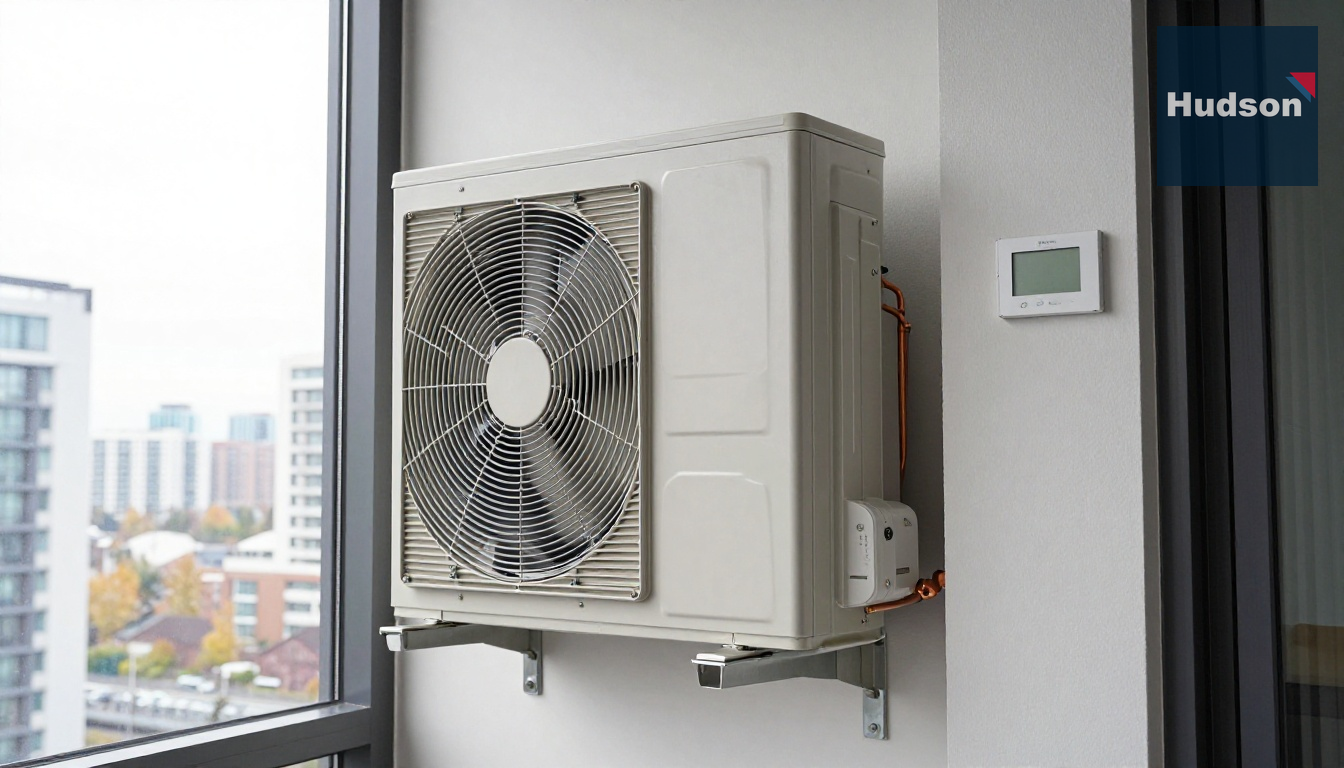
Fan Coil Mold Removal in Mississauga Condos
Quick summary: If your condo smells musty when the fan starts, you may need fan coil mold removal in Mississauga before heating season begins. In Mississauga towers, especially around Square One, Port Credit, City Centre, and Hurontario, mold inside fan coil units is usually tied to summer condensation, weak drainage, dirty blowers, and delayed fall maintenance.
Mississauga condo residents deal with a very specific HVAC reality. Unlike detached homes, most suites rely on fan coil units, vertical stack heat pumps, ERVs, and shared building water loops. That means a mold problem inside your in-suite unit is not just a cleanliness issue. It can affect airflow, heating performance, indoor air quality, and in some buildings it can trigger complaints from neighboring suites when odors move through corridors or under entry doors.
At Hudson HVAC, we have worked in condo buildings across Mississauga for years, from older towers near Burnhamthorpe and Confederation Parkway to newer high-rises around M City, Absolute World, and Parkside Village. One pattern we see every fall in Mississauga is residents turning on heat for the first time and suddenly noticing a damp, earthy smell from the unit closet or hallway return. In many cases, the mold actually developed during the humid cooling season, but it only becomes obvious when the fan starts cycling more often in October and November.
If you are looking for condo HVAC repair in Mississauga because your unit smells stale, leaks, or blows weak air, this guide will help you understand what is happening, what it costs, and what you can do before winter sets in.
Why fan coil mold is such a common Mississauga condo problem
Mississauga has one of the most varied condo stocks in the GTA. Along Duke of York, Webb Drive, and Living Arts Drive, we see many glass towers with compact mechanical closets and high cooling demand in summer. Closer to Port Credit and Lakeview, humidity loads can be heavier because of the lake effect, especially in shoulder seasons when residents open balcony doors while the unit still runs. In Erin Mills and around Eglinton and Winston Churchill, mid-rise condos often have fan coil cabinets tucked into tighter millwork, which makes basic cleaning less likely to happen regularly.
That matters because mold in a fan coil unit does not usually begin as a dramatic event. It starts as moisture plus dust. Once dust builds up on the blower wheel, coil face, or drain pan, condensate sticks around longer. Add a clogged filter, weak blower motor, or partially blocked condensate line, and you have the ideal environment for microbial growth.
In Mississauga condos, the most common mold locations we find are:
- On the blower wheel fins, where sticky dust traps moisture
- Along the evaporator coil face, especially the lower third
- Inside the drain pan and around the pan outlet
- On internal insulation lining inside older cabinets
- Around the access door where conditioned air meets warm corridor air
A non-expert usually assumes visible mold means the problem is only on the front panel. In reality, the worst contamination is often hidden deeper in the unit, particularly behind the coil or on the downstream side of the blower assembly. That is why surface spraying alone rarely solves anything.
For buildings that want preventive service, Hudson often recommends scheduled fan coil maintenance rather than waiting until there is odor, overflow, or visible spotting.
What is actually causing mold inside the fan coil?
1. Condensation that never fully dries out
In summer, fan coils remove humidity as warm suite air passes over a cold coil. That moisture is supposed to drain cleanly into the pan and out through the condensate line. But in many Mississauga buildings, especially towers built roughly between 2000 and 2015, we find drain pans with light rust scaling, shallow pitch, or slime buildup near the outlet. Even a small restriction can leave standing water in the pan after cooling cycles.
By fall, that standing moisture has had months to feed biofilm and mold. When the unit switches into heating support mode or simply starts circulating air again, the smell becomes obvious.
If the pan is damaged or repeatedly overflowing, residents may need drain pan cleaning and repair rather than cleaning alone.
2. Dirty blower wheels reduce airflow more than people realize
One of the most overlooked Mississauga condo issues is blower wheel fouling. A blower wheel packed with dust and microbial residue can lose a surprising amount of performance. In the field, we often see airflow drop enough that the coil stays colder and wetter longer during cooling season. That extends surface wetness and increases mold growth.
In practical terms, a resident notices this as:
- weaker air from supply grilles
- longer run times
- rooms that feel clammy even when the thermostat is satisfied
- a smell that gets stronger right when the fan starts
Sometimes what looks like a mold issue starts with a failing motor or capacitor equivalent in the motor assembly. When that happens, blower motor repair may be part of the solution.
3. Intermittent operation in shoulder seasons
This is particularly common in Mississauga condo towers with residents who travel often or leave the system off to “save energy.” During September and October, suites can swing between warm afternoons and cool nights. If the fan coil is shut off for long stretches after a humid summer, moisture trapped inside the cabinet does not dry properly. We see this a lot in investor-owned units around City Centre where occupancy is inconsistent.
A fan coil does not need to run constantly, but it does need to stay clean and able to drain. Units that sit dirty after summer are prime candidates for mold complaints in fall.
4. Poor filter habits
Many condo residents in Mississauga do not realize their fan coil filter should be checked far more often than a house furnace filter. In suites with pets, cooking oils, construction dust, or nearby traffic infiltration from corridors and balconies, filters can load up quickly. Once airflow drops, the coil runs colder, condensate increases, and moisture lingers.
5. Hidden building-related factors
Here is an insight most generic blogs miss: sometimes the suite fan coil is only part of the problem. In several Mississauga buildings, we have traced repeated mold complaints to negative corridor pressure, leaky suite doors, or oversized bathroom exhaust operation pulling humid air into the unit closet. This is especially noticeable in taller towers near Square One where stack effect becomes stronger in colder months. If corridor air keeps entering the suite and condensing near cold metal surfaces, mold can return even after a proper cleaning unless the underlying airflow issue is addressed.
For broader building support, Hudson also works with property managers on mechanical systems and comprehensive mechanical maintenance.
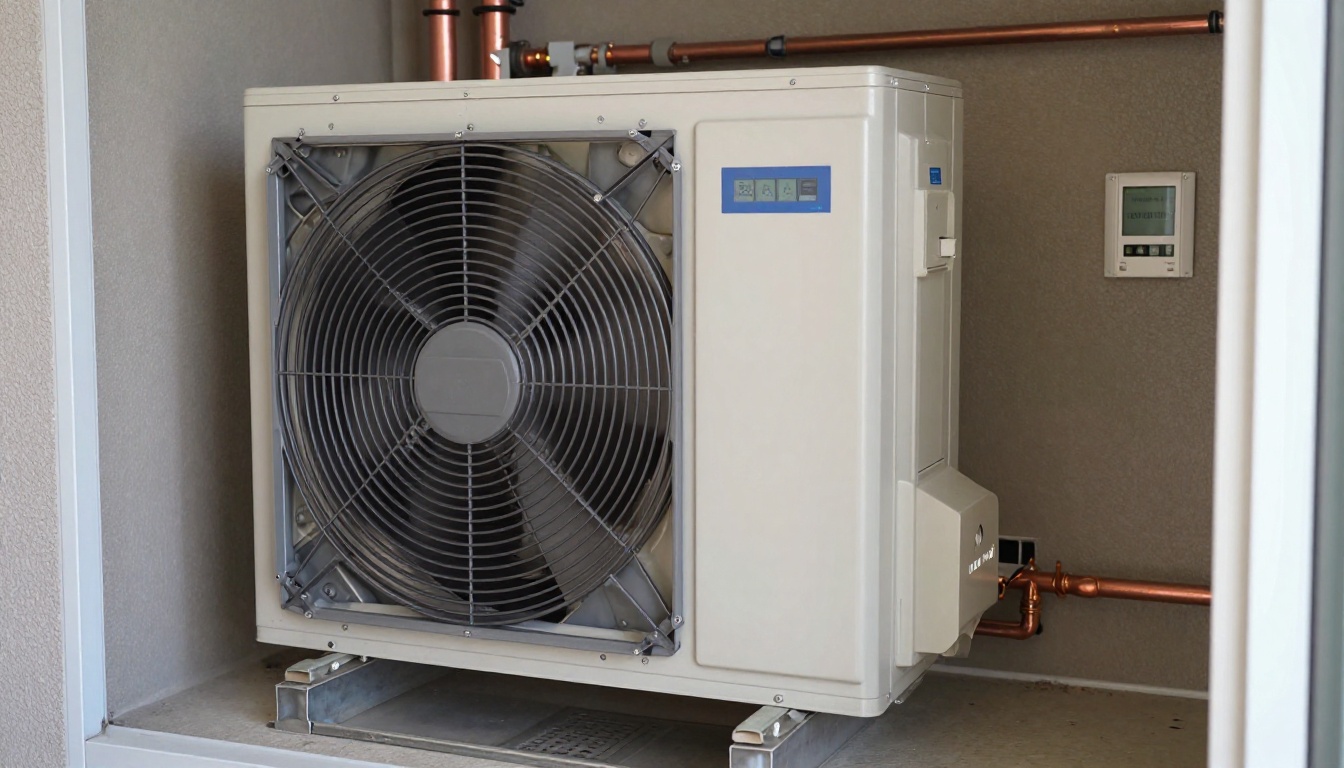
What fan coil mold removal should include in a condo
Not all “mold cleaning” services are equal. In a condo fan coil, proper removal is usually a combination of inspection, disassembly, cleaning, drainage correction, and performance testing.
A thorough fan coil mold removal in Mississauga appointment often includes:
- isolating electrical power safely
- opening and inspecting the cabinet interior
- checking the filter, blower wheel, motor, coil face, and drain pan
- removing biological debris from accessible components
- cleaning the drain pan and flushing the condensate path
- wiping or treating contaminated metal surfaces with HVAC-appropriate products
- checking actuator operation and valve function if comfort complaints are involved
- testing airflow and system operation after reassembly
If internal insulation is saturated or deteriorated, cleaning alone may not be enough. In some older Mississauga condos, the better answer is partial refurbishment or full fan coil repair or replacement. We say that carefully, because not every mold problem needs replacement. But once cabinet rust, insulation delamination, and recurring drain failures appear together, repeated cleanings become poor value.
A second insight many residents do not hear: Ontario condo access and electrical conditions matter. If a fan coil is hardwired, enclosed in finished cabinetry, or tied to a building-specific shutoff protocol, service time can increase. In Mississauga, that often means a straightforward 60-minute cleaning turns into a 2- to 3-hour repair once access panels, drain restrictions, or corroded fasteners are involved.
For contamination that has spread beyond ordinary dust and film, Hudson may recommend HVAC mold remediation instead of a lighter maintenance visit.
A recent Mississauga condo case: what the repair really looked like
Last fall, Hudson was called to a 27-storey condo near Square One, just east of Confederation Parkway and south of Burnhamthorpe Road. The resident on the 19th floor had a one-bedroom-plus-den unit with a vertical fan coil in the front hall closet. The building was about 14 years old, and the resident said the suite had “a wet towel smell” every morning when the system came on.
At first, she assumed it was coming from the hallway carpet. But the odor got stronger whenever the thermostat called for circulation. She had also noticed weaker airflow in the bedroom and a small stain at the base of the closet trim during August.
Hudson arrived for diagnosis and found several issues:
- the filter was heavily loaded and had likely been in place more than a year
- the blower wheel had visible dark buildup across multiple fins
- the lower coil face had organic residue and dust matting
- the drain pan held residual water even with the system off
- the condensate outlet was partially restricted with slime
- the cabinet insulation near the pan edge was beginning to degrade
The unit itself was original to the building. The motor was still operational, but amperage was trending high enough to suggest the blower contamination was increasing static load.
We removed the front access panels, protected the surrounding millwork, cleaned the blower assembly and accessible coil surfaces, flushed the condensate path, and cleaned the pan thoroughly. Because the resident had recurring odor complaints and visible staining, we also performed targeted HVAC mold remediation inside the cabinet and replaced the filter.
During testing, we found the thermostat was short-cycling the fan due to inconsistent contact at the wall control. That matters because short cycling can leave the coil damp between runs. We replaced the control with a new thermostat installation and replacement setup compatible with the suite’s fan coil configuration.
Total time on site was just under 3.5 hours. The resident’s total invoice landed in the $780 to $1,050 range, depending on final consumables and the thermostat model selected. If we had discovered a failed motor or rotted pan, the repair could easily have reached $1,400 to $1,900.
Two weeks later, the resident reported the odor was gone, airflow was stronger, and the hallway closet no longer felt damp. We also recommended annual in-suite maintenance every fall because the building’s closet configuration and prior drainage pattern made recurrence more likely.
That is a very typical Mississauga story: not one dramatic failure, but several smaller issues combining into a mold problem that gets worse as the seasons change.
Real Mississauga cost ranges and timelines
Residents often ask what this work actually costs in Mississauga. Here are realistic field ranges for condo fan coil mold-related work in 2026:
- Inspection and basic service call: about $150 to $250 depending on building access, parking, and after-hours timing
- Light internal cleaning with minor mold removal: about $350 to $650
- Moderate remediation with blower cleaning, pan service, and drain flushing: about $650 to $1,100
- Mold-related repair with parts such as thermostat, actuator, or minor drain correction: about $850 to $1,500
- Advanced repair or partial rebuild where corrosion, insulation damage, or motor issues are present: about $1,200 to $2,200
- Full fan coil replacement planning in older Mississauga condos: commonly $3,500 to $6,500+ depending on cabinet size, controls, and building constraints
Timeline-wise, most Mississauga condo mold jobs take 1.5 to 4 hours if access is straightforward. But there are three city-specific factors that can stretch the timeline:
- Concierge booking and elevator reservations in larger Square One towers
- Tight mechanical closets in mid-2000s City Centre layouts
- Corroded drain assemblies in older waterfront-adjacent buildings near Port Credit and Lakeview
A third original insight worth knowing: some Mississauga condo boards require advance notice for any work involving water shutoffs, drain testing, or disposal of contaminated insulation. If your unit has a more severe issue, Hudson may need coordination with management before the repair can be completed in one visit.
For residents comparing options for Mississauga HVAC services, it is important to ask whether the quote includes blower cleaning, drain flushing, and post-cleaning testing. Those are often left out of bargain pricing.
What condo residents in Mississauga can do themselves first
There are a few safe steps you can take before calling for service. These do not replace professional mold removal, but they help you limit damage and gather useful information.
Check for these warning signs
- Musty odor when the fan starts
- Weak airflow from one or more vents
- Water stains near the fan coil closet baseboard
- Condensation around the access panel
- Increased dust around supply grilles
- More allergy symptoms when the HVAC runs
Replace or inspect the filter
A clogged filter is one of the fastest ways to worsen mold conditions. If your Mississauga condo uses a simple slide-in filter, inspect it immediately. If it is gray, matted, or oily, replace it. Make sure the size and airflow direction are correct.
Keep the closet area dry and unobstructed
Do not store shoes, boxes, or linens tight against the unit. We regularly find blocked return openings in Mississauga condos because residents use the mechanical closet for storage. Restricted return air increases condensation risk and reduces performance.
Look for visible drainage issues
If you see water near the base of the cabinet, do not ignore it. Even minor overflow can feed mold in flooring, trim, and cabinet framing. If the system is actively leaking, book emergency HVAC repair right away.
Book dryer vent cleaning too
This may sound unrelated, but fall is also the right time to address dryer vent cleaning. In Mississauga condos, clogged dryer vents increase humidity in the suite and can worsen indoor moisture conditions around mechanical closets. We have seen more than one unit near Erin Mills and City Centre where laundry moisture contributed to stale air complaints that residents blamed entirely on the fan coil.
What you should not do is spray household bleach or fragrance products into the unit. That does not fix internal contamination, and in some cases it can damage metals, insulation, or coatings.
When it is time to call Hudson HVAC
You should call Hudson if any of the following are happening in your Mississauga condo:
- The musty smell returns after changing the filter
- There is any sign of overflow or standing water
- Airflow is weak even with a clean filter
- The closet or nearby drywall feels damp
- You can see dark buildup on internal components
- The unit is older and has never had a deep cleaning
Fall is the best time to deal with this. Once winter arrives in Mississauga, service demand shifts heavily toward no-heat calls, valve issues, actuator failures, and fan problems. A moldy fan coil that is also overdue for heating-season prep can easily become a comfort problem in December.
If your system also has heating performance issues, Hudson can inspect related components such as actuators, three-way valves, and even heat pump maintenance or heat pump repair and replacement where applicable in mixed-equipment buildings.
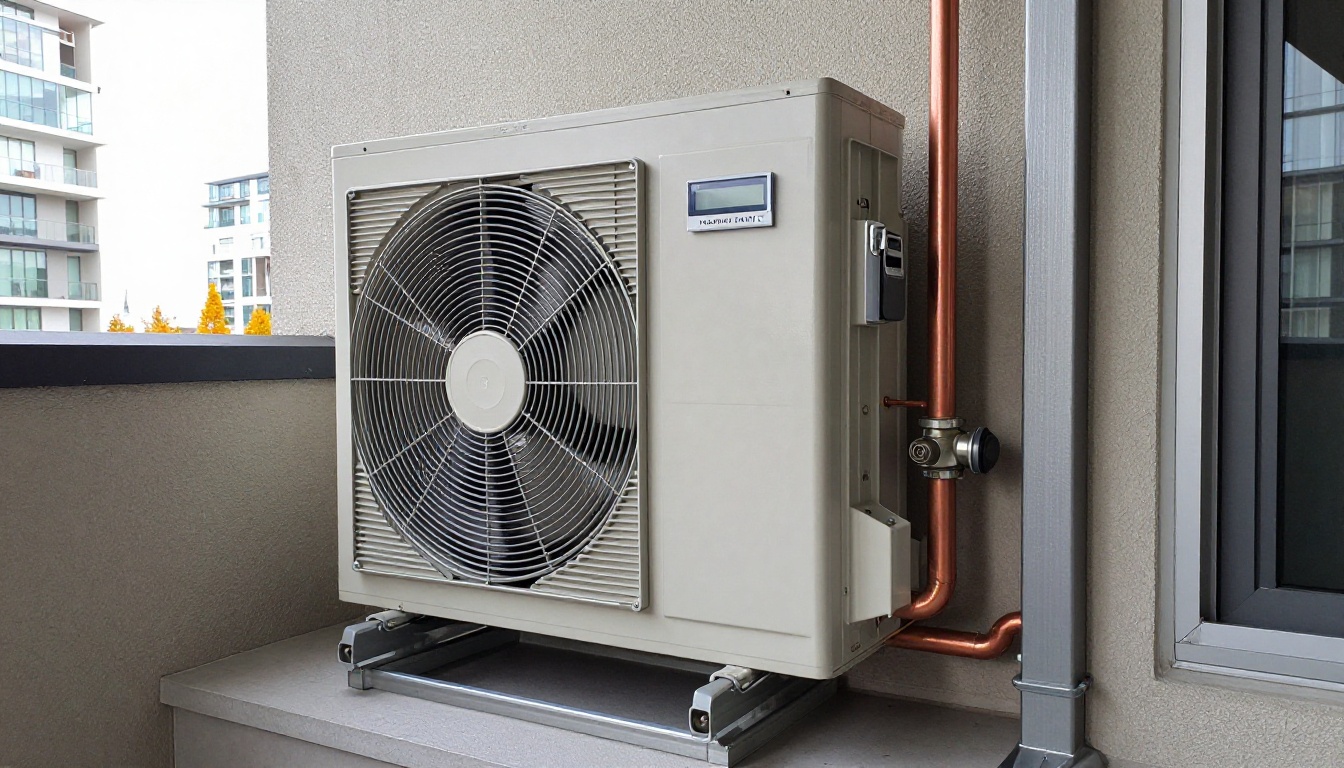
Mississauga building types: why the fix is not always the same
One reason generic advice fails is that Mississauga condos are not all built the same.
City Centre and Square One towers
These buildings often have compact in-suite closets, high occupancy turnover, and strong cooling demand from west-facing glass. We commonly see filter neglect, blower contamination, and odor complaints after summer.
Port Credit and Lakeview condos
Humidity patterns can be tougher here, especially in shoulder seasons. Units near the lake often need closer attention to condensation and drainage. Residents may notice mold smells earlier because windows are opened more often while HVAC still cycles.
Erin Mills and Churchill Meadows mid-rises
These properties often have slightly easier service access, but we still see mold driven by storage around the unit, low maintenance frequency, and blocked returns.
Older Mississauga towers along Hurontario
In older buildings, corrosion, deteriorated internal insulation, and repeated patch repairs are more common. At a certain point, a retrofit becomes the smarter investment. Hudson supports larger capital planning through fan coil retrofit projects and broader project work for condo corporations.
Frequently asked questions about fan coil mold removal in Mississauga
How much does fan coil mold removal cost in Mississauga?
In Mississauga condos, basic fan coil mold removal typically starts around $350 to $650 when the issue is limited to accessible dust, biofilm, and light mold inside the cabinet, blower wheel, and drain area. If the drain pan is rusted, insulation is contaminated, or parts like the blower motor or actuator are affected, total repair costs often land between $700 and $1,800. In older Mississauga towers near Square One and along Hurontario, we also see cases where replacement is more cost-effective than repeated cleaning once internal corrosion is advanced.
Can I clean mold out of my condo fan coil myself?
You can safely change the filter, vacuum around the return grille, and keep the area around the unit dry, but full internal mold removal is usually not a DIY job. Condo fan coils often hide mold on the blower wheel, insulation lining, drain pan edges, and coil face, and disturbing that growth without proper containment can spread spores into the suite. In many Mississauga buildings, access is tight and electrical isolation must be handled carefully before opening the cabinet.
Why do fan coil units in Mississauga condos grow mold so often?
The biggest reasons are condensation, poor drainage, and dirty internal components. In Mississauga high-rises near Lake Ontario, including Port Credit and Lakeview, summer humidity lingers in fan coil cabinets longer than many residents realize, especially if filters are clogged or the blower is weak. We also find a lot of mold in towers built from the late 1990s to early 2010s where drain pans slope poorly or where suites run the fan intermittently, allowing moisture to sit.
Is fan coil mold dangerous for condo residents?
It can be, especially for residents with asthma, allergies, or respiratory sensitivity. Even when the mold is not visibly heavy, a contaminated blower wheel can distribute musty air every time the system starts, and that often shows up as morning congestion, throat irritation, or a persistent locker-room smell near the unit closet. If there has been standing water, visible black spotting, or repeated overflow, the unit should be inspected promptly.
When should I book fan coil mold removal in Mississauga before winter?
Fall is the best time, ideally before your building fully transitions into heating season. In Mississauga condos, we recommend booking in September through November because the unit can be cleaned, tested, and drained before winter heating starts and before building schedules get crowded with no-heat calls. If your suite already smells musty when the fan turns on, or if you had condensation issues over the summer, do not wait for the first cold snap.
Book the repair before winter complaints start
If your suite in Mississauga smells musty, feels damp near the unit closet, or has weaker airflow than it did in summer, this is the time to act. Mold inside a fan coil rarely fixes itself, and once heating season starts, the service calendar fills quickly with urgent no-heat calls across Mississauga.
Hudson HVAC focuses on condos, which matters when the job involves concierge access, suite-level equipment, building rules, and the difference between a dirty blower and a true drainage failure. If you need condo HVAC repair in Mississauga, or you want a second opinion before replacing an aging unit, we can inspect the system and tell you honestly whether it needs cleaning, repair, or a larger upgrade.
You can also explore more condo-specific guidance on the Hudson blog.
Contact Hudson
- Contact Us
- Phone: +1 (437) 448-0640
- Email: service@hudsonhvac.ca