
Float Switch: The Unsung Hero of Condo Fan Coil Safety
Discover how a float switch prevents leaks in Toronto condos. Essential maintenance tips for fan coil units.
- Hudson HVAC
- 5 min read
Float Switch: The Unsung Hero of Condo Fan Coil Safety
Quick summary: Float switches, also known as overflow sensors, are vital components in Toronto condo fan coil units. They prevent water overflow by shutting down the system when the drain pan fills up, protecting your home from potential water damage.
What Is a Float Switch?
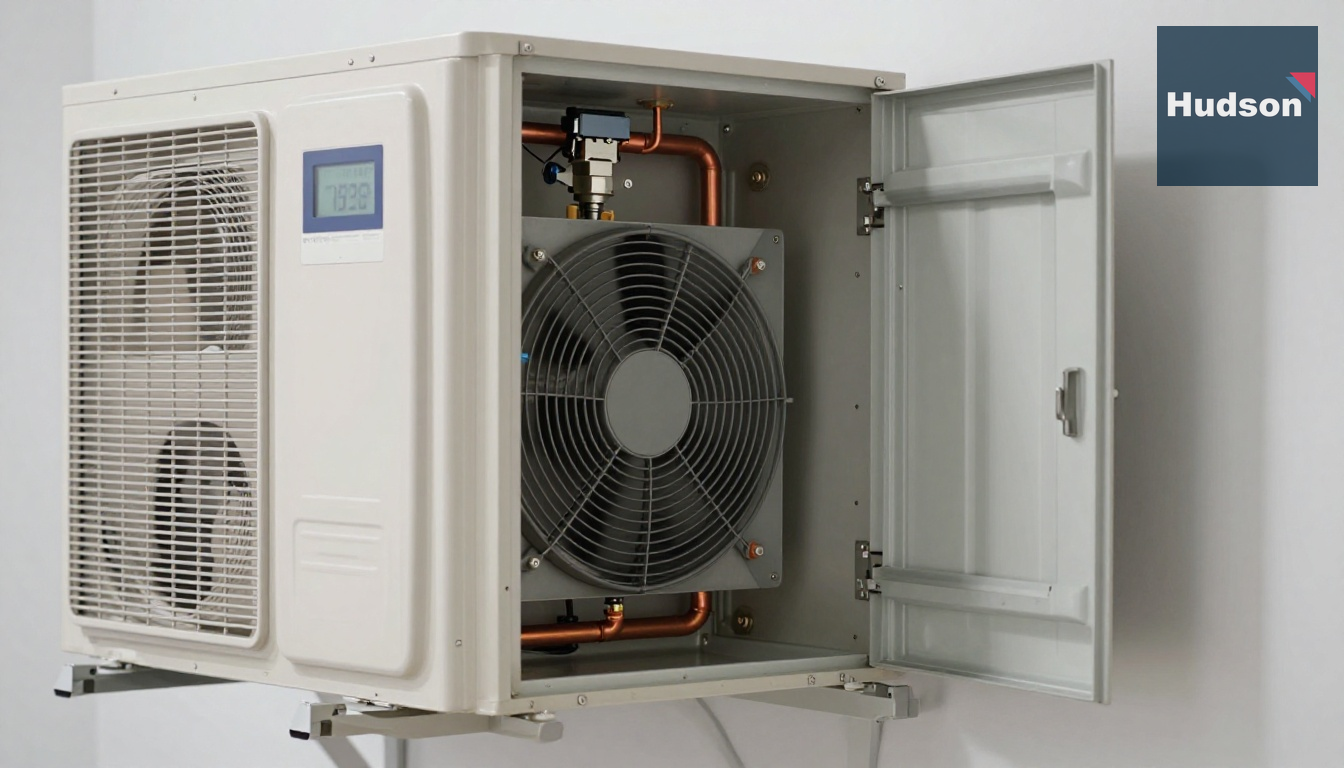
A float switch or overflow sensor is a small yet crucial device located within the fan coil unit of your condo. Its primary purpose is to act as a safety mechanism that prevents water overflow by shutting off the fan coil when the drain pan reaches a certain water level. Imagine it as a vigilant lifeguard, ensuring no leaks occur that could potentially damage your ceilings or floors.
In a typical Toronto high-rise condo, fan coil units play a pivotal role in maintaining comfortable indoor temperatures. They are often located in utility closets or behind panels, out of sight but constantly working in the background. The float switch ensures that any excess water from condensation, especially during the transition from heating to cooling in spring, is managed effectively.
What Does It Look Like?
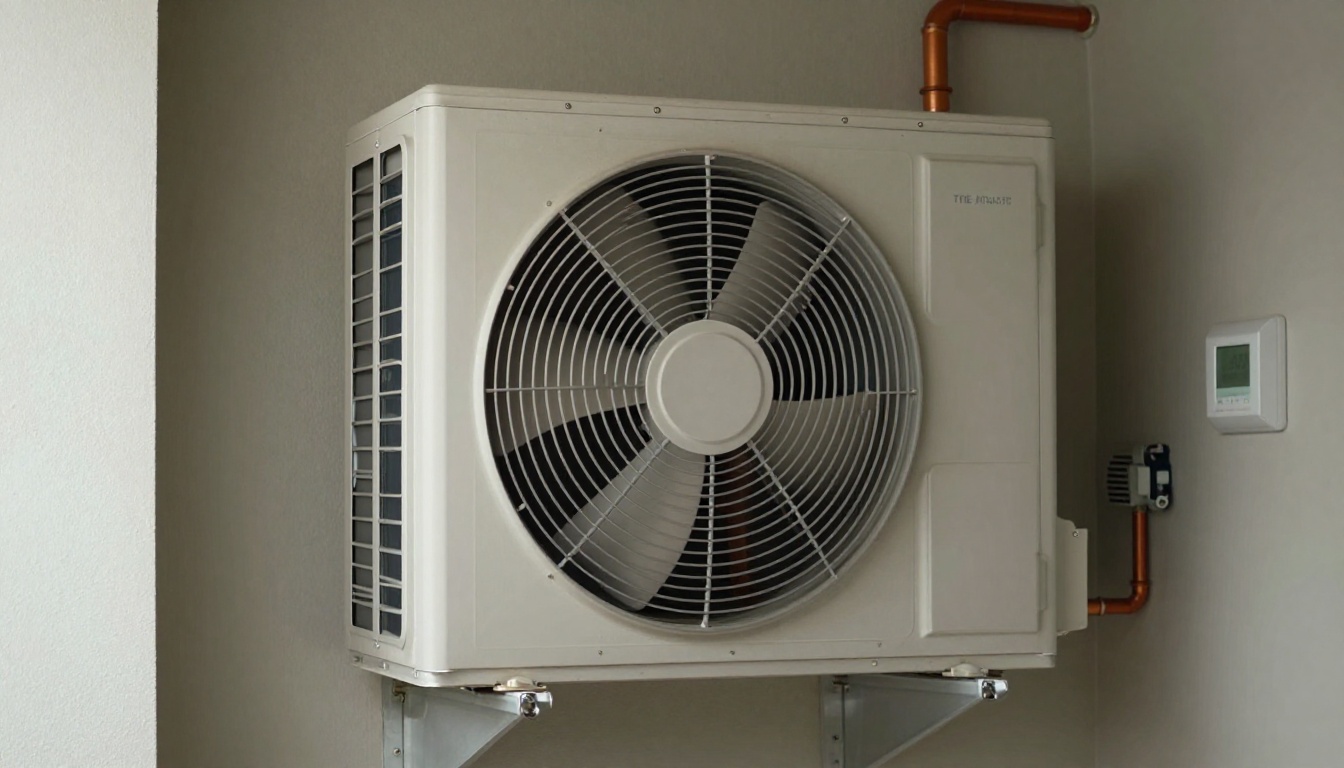
A float switch is generally a small, cylindrical or oval-shaped component. It might be white or grey and is usually attached to or near the drain pan. The switch includes a float—a small device that rises and falls with the water level.
How Does It Work?
The float switch is directly connected to the fan coil unit’s electrical system. When the water level in the drain pan rises to a certain point, the float inside the switch rises with it, triggering a mechanism that cuts off power to the fan coil. This safety feature prevents the unit from operating under potentially hazardous conditions, such as when water overflow could lead to leaks and subsequent water damage.
In the broader heating and cooling cycle, this action is critical during seasonal transitions, like in spring when moisture can accumulate due to the switch from heating to cooling. By shutting off the unit, the float switch ensures that your condo remains dry and damage-free.
Signs It Might Be Failing
- Water pooling around the unit: A clear indication that the float switch might not be functioning.
- Fan coil unexpectedly shuts off: If the unit stops working without any apparent reason, the float switch might be activating incorrectly.
- Unusual noises: Clicking or other unusual sounds coming from the fan coil unit can indicate a malfunctioning float switch.
- Musty odors: Persistent dampness or moldy smells might suggest the float switch isn’t preventing overflow effectively.
Can You Test It Yourself?
While some basic checks can be done by residents, such as visually inspecting the drain pan for excessive water or listening for abnormal sounds, it’s crucial to avoid tampering with electrical components. Here’s what you can safely do:
- Visual inspection: Look for water in the drain pan. If it’s full, the switch might not be working.
- Listen for sounds: Soft clicks or a buzzing noise can indicate the float switch is struggling.
Avoid touching any wires or attempting to remove the switch, as this could lead to further issues or void warranties.
When to Replace vs Repair
The typical lifespan of a float switch is around 5-7 years. Given the critical role it plays, if the switch fails, a replacement is often more cost-effective than a repair. In Toronto, the cost for replacement, including parts and labor, generally ranges between $150 and $250.
Replacement over repair is advisable when:
- The switch has failed multiple times.
- The cost of repair approaches that of a new switch.
- The unit is nearing the end of its lifespan.
How Hudson Handles This Repair
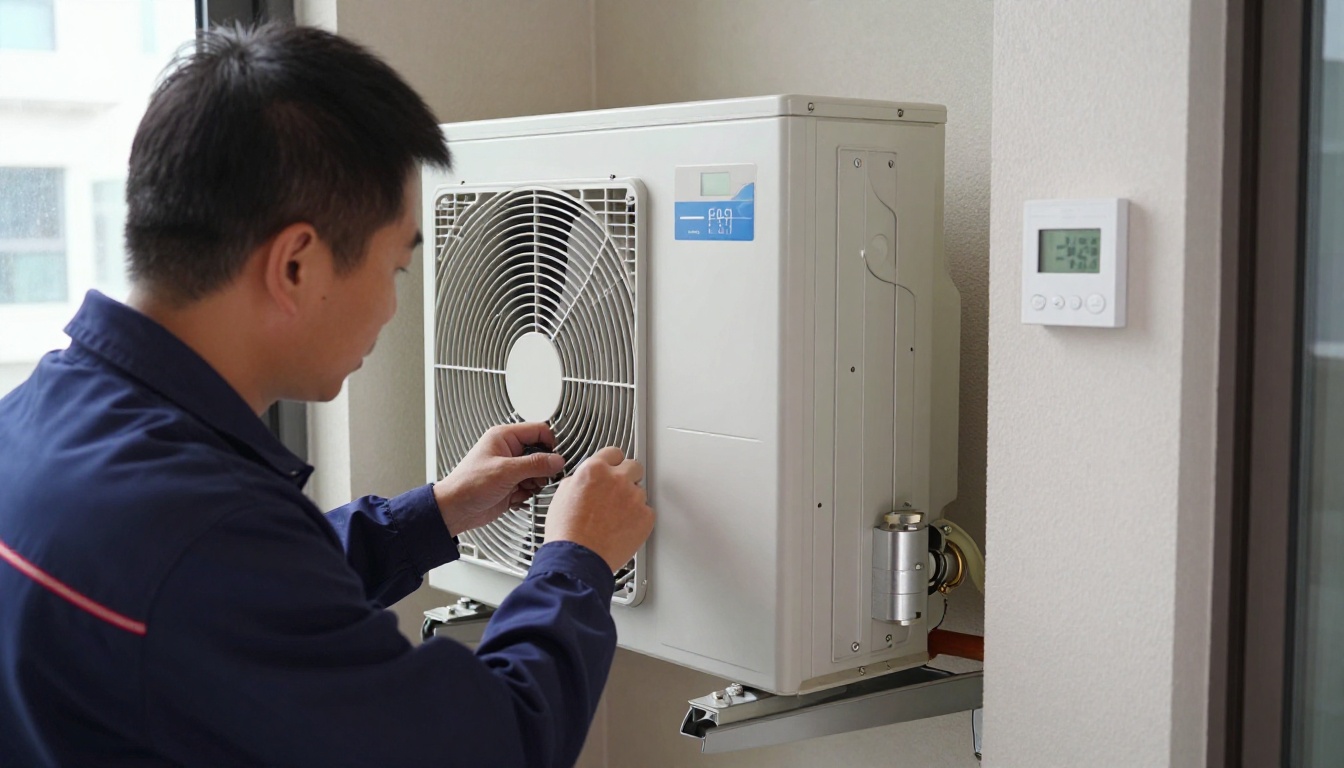
At Hudson HVAC, we understand the nuances of Toronto condo fan coil systems. Our technicians will first perform a diagnostic to confirm the float switch is the issue. Replacement is typically quick, often completed within an hour. We ensure minimal disruption to your living space and provide a full post-service check to confirm everything is functioning optimally.
FAQs
What is the function of a float switch in a fan coil?
A float switch, also known as an overflow sensor, functions as a safety device by shutting off the fan coil unit when the drain pan is full of water, preventing potential leaks and water damage.
How often should the float switch be inspected?
In Toronto condo settings, it’s recommended to inspect the float switch at least once a year, ideally during spring maintenance when preparing the system for the cooling season.
What are common signs of float switch failure?
Common signs include water pooling around the fan coil unit, the fan coil unexpectedly shutting off, or unusual noises. These could indicate the float switch is stuck or malfunctioning.
Can a homeowner replace a float switch themselves?
While technically possible, replacing a float switch involves electrical components and water-related risks. It’s safer and more effective to have a professional technician perform the replacement.
How long do float switches typically last?
Float switches generally last 5-7 years under normal conditions. Regular maintenance can help extend their lifespan.
Call to Action
If you notice any signs of float switch failure or want to ensure your fan coil unit is ready for the cooling season, call Hudson for a same-day diagnostic and ensure your home’s safety against water damage.
Contact Hudson:
- Contact Us
- Phone: +1 (437) 448-0640
- Email: service@hudsonhvac.ca