
Handling After-Hours HVAC Emergencies in Toronto Condos
Expert guide for Toronto property managers on managing after-hours HVAC emergencies, including costs, timelines, and key steps.
- Hudson HVAC
- 4 min read
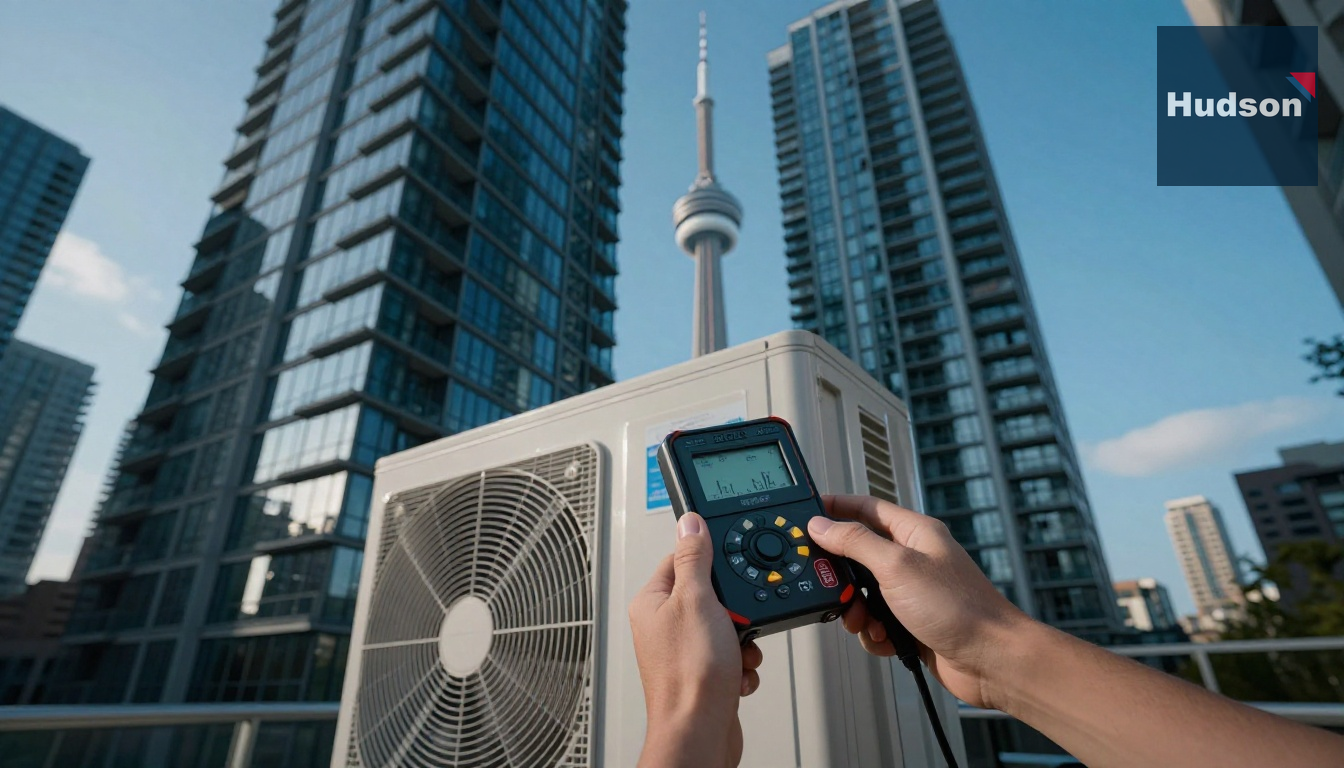
Handling After-Hours HVAC Emergencies in Toronto Condos
Quick summary: After-hours HVAC emergencies in Toronto condos can create significant discomfort and potential damage if not handled promptly. Property managers must act swiftly and efficiently, understanding the costs, timelines, and steps involved in addressing these urgent situations.
The Fast Diagnosis / What’s Going On
Imagine a typical Toronto spring evening, and you receive a frantic call from a condo resident in North York reporting that their HVAC unit has stopped working. The outdoor temperature is dropping, and the resident is concerned about a potential water leak from their fan coil unit. These scenarios require fast thinking and decisive action from property managers to mitigate discomfort and prevent damage.
Common Causes / Why This Happens
In our experience servicing Toronto condos, after-hours HVAC emergencies often result from sudden equipment failures, such as a malfunctioning fan coil unit or a heat pump system halting due to a failed capacitor (often marked CBB65). Springtime transitions can stress systems, especially older units in neighborhoods like Scarborough and Vaughan, which may have components past their prime. Additionally, mold growth from winter condensation can obstruct airflow, causing units to overheat and fail.
What You Can Do Right Now / DIY Safe Steps
Before calling in professionals, property managers can take the following steps:
- Inspect Circuit Breakers: Check the building’s breaker panel to ensure the HVAC unit hasn’t tripped a circuit.
- Verify Thermostat Settings: Often, incorrect thermostat settings are the culprit. Ensure the thermostat is set to ‘cool’ as temperatures rise.
- Visual Inspection: Look for obvious blockages in vents or air handlers and clear any visible obstructions.
When to Call a Professional / Signs You Need Help
Should initial checks not resolve the issue, calling in a professional is crucial. Signs that demand expert attention include:
- Persistent leaks or water pooling
- Electrical issues (e.g., burned smells or tripped breakers that won’t reset)
- Loud noises indicating mechanical failure
- Complete loss of heating or cooling capability
What to Expect from a Service Visit / Typical Timeline and Process
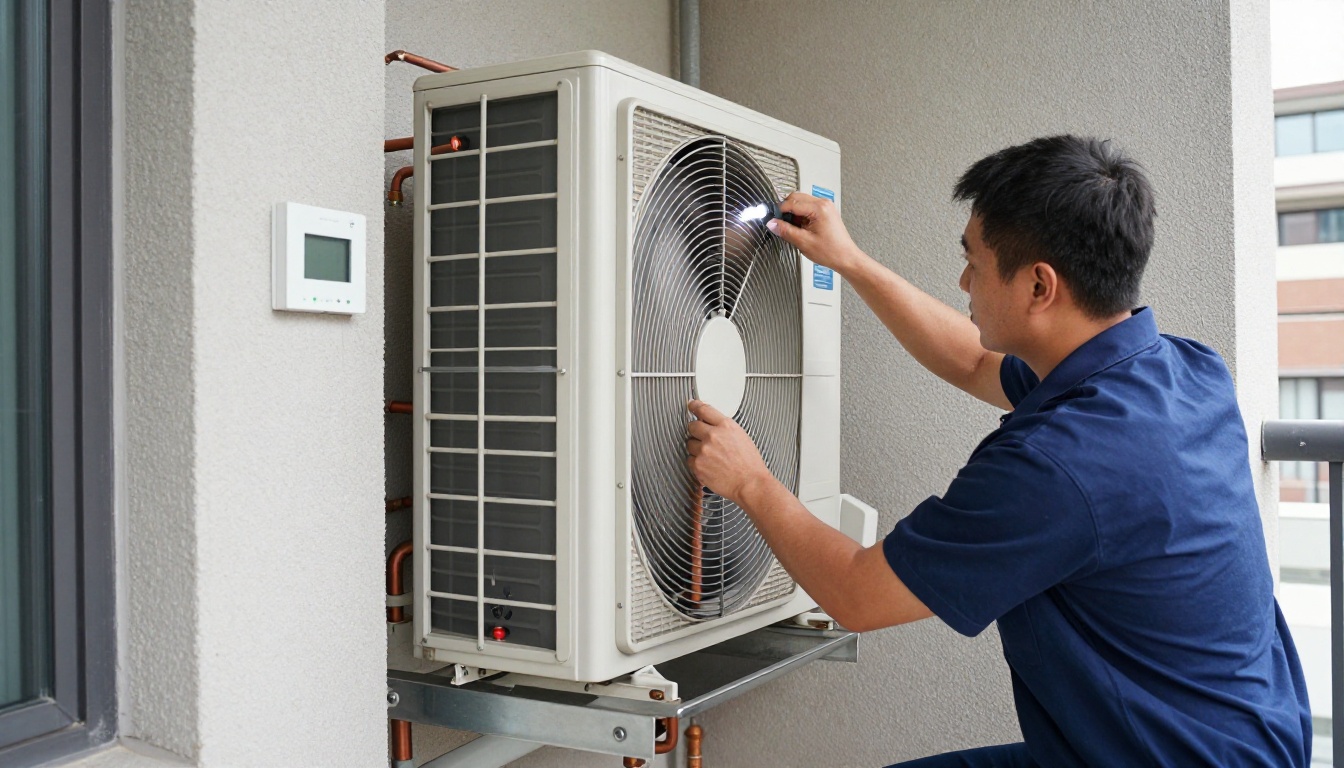
When Hudson HVAC arrives for an emergency call, property managers can expect a thorough diagnostic process. A typical visit can last 1-2 hours, starting with system diagnostics using tools like multimeters and refrigerant gauges. Technicians will focus on pinpointing the issue—be it a failed blower motor, a faulty actuator, or refrigerant leaks. Our 24/7 service ensures that even after-hours, your building’s HVAC issues are promptly addressed.
Cost Factors with Real Ranges
The cost of emergency HVAC services in Toronto can vary. Typically, after-hours service fees range from $300 to $700, factoring in the complexity and time of repair. Components like blower motors (often $400-$600) or actuators ($350-$500) add to this, laying out a clear understanding for budget-conscious property managers.
Comparison Table: DIY vs Professional Intervention
| Task | DIY Steps | When to Call a Pro |
|---|---|---|
| Tripped Circuit Breaker | Check and reset breakers | Breaker keeps tripping repeatedly |
| Thermostat Issues | Adjust settings, replace batteries | Thermostat unresponsive or erratic |
| Water Leaks | Inspect for visible leaks, clear drain lines | Persistent leaks, potential water damage |
| No Cooling/Heating | Check thermostat and breaker, ensure vents are open | Complete system failure or unusual noises |
FAQs
What constitutes an HVAC emergency in a condo? An HVAC emergency typically involves situations where the heating or cooling system fails, leading to temperature extremes, water leaks, or electrical hazards. Such issues can cause significant inconvenience or damage, especially during extreme weather.
How quickly should an HVAC emergency be addressed? In Toronto, HVAC emergencies should ideally be addressed within 2-4 hours to prevent tenant discomfort or further damage. During spring, prompt action is crucial to prepare for temperature swings and increased humidity.
What are the costs associated with emergency HVAC repairs? After-hours HVAC service in Toronto can range from $300 to $700 depending on the complexity and timing of the repair. Emergency services typically incur higher rates than scheduled maintenance.
Can property managers perform any immediate actions during an HVAC emergency? Property managers can inspect visible parts of the system for obvious issues, such as tripped circuit breakers or blocked vents, and communicate effectively with residents while arranging professional repairs.
Why is spring a critical time for HVAC maintenance in condos? Spring is essential for HVAC maintenance as it involves transitioning systems from heating to cooling. This period often reveals issues like mold from winter condensation or clogged drain pans, necessitating timely inspection and cleaning.
Next Steps / Call to Action
To ensure your condo’s HVAC system runs smoothly and to prevent costly after-hours emergencies, consider scheduling a comprehensive spring maintenance visit with Hudson HVAC. Our expert team can help identify potential issues before they escalate.
Contact Hudson
For all your HVAC emergencies and maintenance needs, contact Hudson HVAC.
- Phone: +1 (437) 448-0640
- Email: service@hudsonhvac.ca