
Heat Exchanger Fouling: Rising Heating Costs in Toronto Condos
Discover why heat exchanger fouling leads to rising heating costs in Toronto condos and learn maintenance tips to enhance efficiency.
- Hudson HVAC
- 4 min read
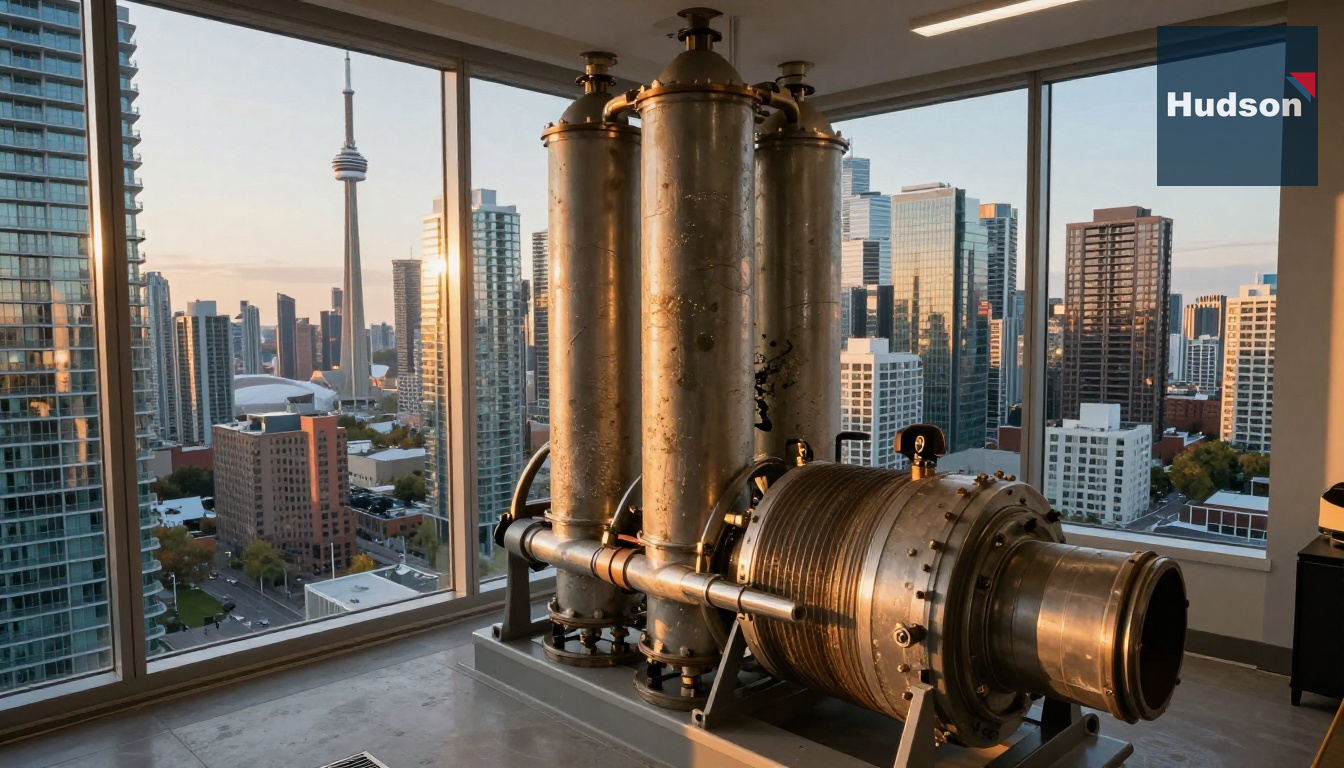
Heat Exchanger Fouling: Rising Heating Costs in Toronto Condos
Quick summary
Heat exchanger fouling can significantly increase heating costs in Toronto condos. Understanding this issue and implementing regular maintenance can prevent efficiency losses and high energy bills. Discover what causes fouling, what you can do about it, and when to call professionals for help.
The Fast Diagnosis: What’s Going On?
In Toronto condos, particularly in older high-rise buildings, heat exchangers are critical components of the HVAC system. They facilitate efficient heat transfer between fluids, such as water and air, within the system. However, the efficiency of these systems can be compromised by fouling, which leads to increased heating costs. In our experience, many buildings in neighborhoods like North York and Etobicoke face rising heating expenses due to this very issue.
Common Causes: Why This Happens
Mineral Scaling: In regions like Toronto, the hard water supply can lead to mineral scaling on heat exchanger surfaces. This scaling acts as an insulator, hindering heat transfer.
Biological Fouling: Warm, moist environments encourage microbial growth. Biofilms can form on exchanger surfaces, further reducing efficiency.
Corrosion and Sediment: Over time, corrosion can occur, particularly in older systems, leading to the accumulation of rust and sediments. This not only reduces efficiency but can cause damage if not addressed.
Technical Specifications: Many older Toronto condos use plate heat exchangers, such as the Alfa Laval M6 series, which are particularly susceptible to fouling due to their narrow passageways.
What You Can Do Right Now: DIY Safe Steps
- Visual Inspection: Open the access panel of your mechanical room and visually inspect the heat exchanger for any visible signs of scaling or residue.
- Check Temperature Differentials: Measure the temperature of the water entering and exiting the exchanger. A significant drop in performance may indicate fouling.
- Basic Cleaning: If scaling is minor, you may flush the system with a mild descaling solution. Follow manufacturer guidelines to avoid damage.
When to Call a Professional: Signs You Need Help
- Persistent Inefficiency: If heating performance remains poor despite basic cleaning.
- Unusual Noises: Sounds like hissing or rattling from the exchanger can indicate severe fouling or damage.
- Rapidly Increasing Energy Bills: A clear sign that the system is working harder than it should.
Consider contacting Hudson HVAC for comprehensive mechanical maintenance if these issues persist.
What to Expect from a Service Visit: Typical Timeline and Process
A professional service visit will include:
- Inspection: Detailed examination of the heat exchanger, typically lasting 1-2 hours.
- Chemical Cleaning: Use of specialized chemicals to break down stubborn deposits, taking an additional 1-2 hours.
- Performance Testing: Evaluating the system post-cleaning to ensure restored efficiency.
Overall, expect a full maintenance visit to take about 3-5 hours.
Cost Factors with Real Ranges
In Toronto, professional heat exchanger cleaning typically costs between $500-$1,200, depending on the extent of fouling and the need for any additional repairs. Hudson provides preventive mechanical maintenance plans that can help manage these costs effectively.
FAQs
What is heat exchanger fouling?
Heat exchanger fouling refers to the accumulation of unwanted deposits on the heat transfer surfaces, reducing efficiency. Common fouling materials include mineral scales, biological growth, and corrosion products.
How does fouling affect heating costs?
Fouling increases thermal resistance and reduces heat transfer efficiency, requiring more energy to achieve desired temperatures. This leads to higher heating costs due to increased energy consumption.
How often should heat exchangers be serviced?
In Toronto condos, it’s ideal to schedule professional maintenance for heat exchangers at least once a year, preferably during spring, to ensure optimal performance and prevent fouling-related inefficiencies.
Can I clean a heat exchanger myself?
While basic cleaning can be done, professional cleaning is recommended for thorough maintenance. Technicians use specialized equipment and chemicals to remove stubborn deposits effectively.
What are the signs of a fouled heat exchanger?
Signs include decreased heating performance, longer times to reach set temperatures, unusual noises, and increased energy bills. Visible scaling or residue on the exchanger also indicates fouling.
Next Steps / Call to Action
If your condo’s heating bills are rising unexpectedly, it’s time to consider the efficiency of your heat exchanger. Schedule a service visit with Hudson to ensure your system is running optimally before the summer heat arrives.
Contact Hudson
- Contact Us
- Phone: +1 (437) 448-0640
- Email: service@hudsonhvac.ca