
Heat Pump Not Working in Richmond Hill Condos?
Heat pump not working in Richmond Hill? Learn common condo causes, repair costs, winter prep tips, and when to call Hudson HVAC.
- Hudson HVAC
- 15 min read
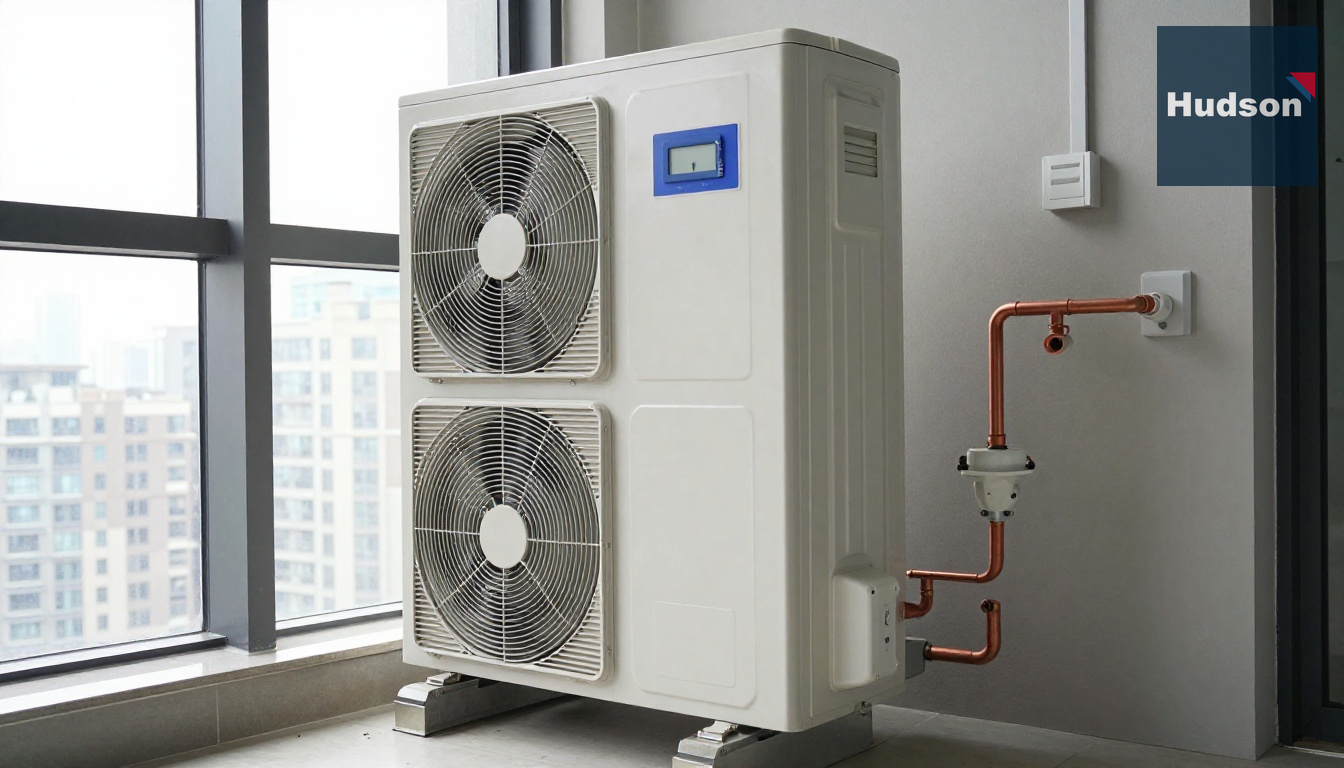
Heat Pump Not Working in Richmond Hill Condos?
Quick summary: If your heat pump is not working in Richmond Hill, the problem is often not the “whole system” but one condo-specific component: a thermostat, actuator, blower motor, valve, dirty coil, or building changeover issue. In Richmond Hill high-rises and mid-rises, especially around Yonge Street, Highway 7, Langstaff, and near Richmond Hill Centre, the right diagnosis matters because suite equipment and base-building systems are closely connected.
When a condo heat pump stops heating in October or November, residents usually feel the same thing first: the suite is cool, the fan may still run, and the thermostat says “heat” but nothing comfortable happens. That situation is common in Richmond Hill, particularly in buildings that rely on in-suite vertical stack heat pumps or fan coil-style systems tied into shared mechanical infrastructure. Hudson HVAC has worked in condo towers across Richmond Hill, from newer buildings near Yonge and Highway 7 to established mid-rises closer to Bayview, Major Mackenzie, and the Langstaff corridor, and the pattern is consistent: a no-heat complaint in a condo is rarely a one-size-fits-all repair.
For condo owners and residents looking for condo HVAC repair in Richmond Hill, the first priority is figuring out whether the issue is inside your suite, related to building changeover, or caused by deferred maintenance. That distinction can save you from replacing parts you do not need.
Why heat pump problems show up in Richmond Hill condos in the fall
Fall is when Richmond Hill condo HVAC problems become visible. During summer, a weak blower motor or sticky valve can hide behind steady cooling demand. Once overnight temperatures drop and the building begins seasonal heating operation, those same components suddenly need to switch modes, open properly, and move warm air consistently. That is when residents notice rooms staying at 19°C even though the thermostat is set to 23°C.
In Richmond Hill, we see this often in condo communities near Yonge Street, the Langstaff area, and the Highway 7 corridor where many buildings were developed in waves from the early 2000s through the mid-2010s. Those buildings commonly use:
- In-suite heat pumps in utility closets or hallway cabinets
- Vertical fan coil or water-source systems
- Electronic thermostats with basic relays or communicating controls
- Actuators and three-way valves that direct heating or cooling water through the coil
- Shared risers and central mechanical systems managed by the condo corporation
A key point most blogs miss: in condos, “heat pump not working” does not always mean compressor failure. In fact, in many Richmond Hill suites, the compressor is not the first suspect. We more often find airflow restrictions, failed control components, or water-side issues that stop heat transfer.
Another local factor is occupancy pattern. Many Richmond Hill condo residents commute, travel, or keep the suite cooler during the day. When the thermostat is suddenly raised in the evening, a marginal system gets exposed. Units on higher floors facing open wind corridors near Highway 7 or near transit-oriented towers by Richmond Hill Centre can also feel draftier, making residents think the heat pump has failed when the actual issue is reduced discharge temperature from a dirty coil or low airflow.
The most common reasons a condo heat pump stops working
1. Thermostat problems are more common than residents think
A thermostat can fail partially, not completely. We have seen many Richmond Hill condo thermostats still light up, still click, and still show the correct room temperature, but fail to send a reliable call for heating. In some suites, the thermostat calibration drifts by 2°C to 4°C, which is enough to make the unit short cycle or not start when expected.
If your screen is blank, inaccurate, or inconsistent, a targeted thermostat installation or replacement may solve the issue. Typical condo thermostat replacement in Richmond Hill runs about $350 to $650, depending on wiring compatibility and whether the building uses low-voltage conventional controls or a proprietary interface.
2. Stuck actuators and three-way valves
This is one of the biggest condo-specific heating issues in fall. In many Richmond Hill buildings, the suite-level unit relies on a valve assembly to direct hot or chilled water through the coil. If the actuator sticks or the three-way valve seizes after sitting all summer, the fan may blow but the air will feel lukewarm or cool.
Hudson handles these repairs regularly through actuator replacement and three-way valve replacement. A realistic price range in Richmond Hill is $450 to $900 depending on valve accessibility, shutoff condition, and whether building management must isolate a section.
3. Dirty coils and neglected in-suite maintenance
A surprising number of condo heat pumps in Richmond Hill simply cannot transfer heat effectively because the indoor coil is coated with dust, lint, and film. In suites where the dryer vent is also neglected, airborne lint load can be higher than residents expect. This is especially true in one-bedroom-plus-den layouts where the mechanical closet sits close to laundry.
Regular heat pump maintenance and broader in-suite maintenance matter more in condos than people realize, because compact equipment loses performance quickly when airflow drops. We often measure a 15% to 30% airflow improvement after cleaning a neglected unit.
4. Blower motor issues
If the unit hums, starts slowly, or moves almost no air, the culprit may be the motor or capacitor/module depending on model. In Richmond Hill condos built 10 to 20 years ago, we often find motors that still run but overamp under heating demand. That means the system may work intermittently before failing outright during the first cold weekend.
A proper blower motor repair can range from $550 to $1,200. The wide range comes down to motor type, cabinet access, and whether parts are universal or manufacturer-specific.
5. Drain pan and condensate issues that create secondary faults
Residents usually associate drain issues with cooling season, but in condos, blocked pans and drains can still matter in fall. A dirty pan can trigger odors, microbial growth, float switch interruptions, or corrosion around internal components. Hudson often finds that a “heat pump not working” call in Richmond Hill actually includes two problems: poor heating performance and a dirty cabinet with drain pan deterioration.
That is why drain pan cleaning and repair and even HVAC mold remediation sometimes become part of the fix.
6. Building changeover or shared mechanical conditions
This is where condo expertise matters. In Richmond Hill, some buildings complete seasonal heating changeover on a schedule set by management and the mechanical contractor, not by individual residents. If your suite calls for heat before the building has fully switched over, your unit may appear faulty even when it is technically responding correctly.
Hudson often coordinates with property management and reviews whether the issue belongs to the suite or the shared side. For larger building concerns, our mechanical services and mechanical comprehensive maintenance support both the condo corporation and residents dealing with recurring comfort complaints.
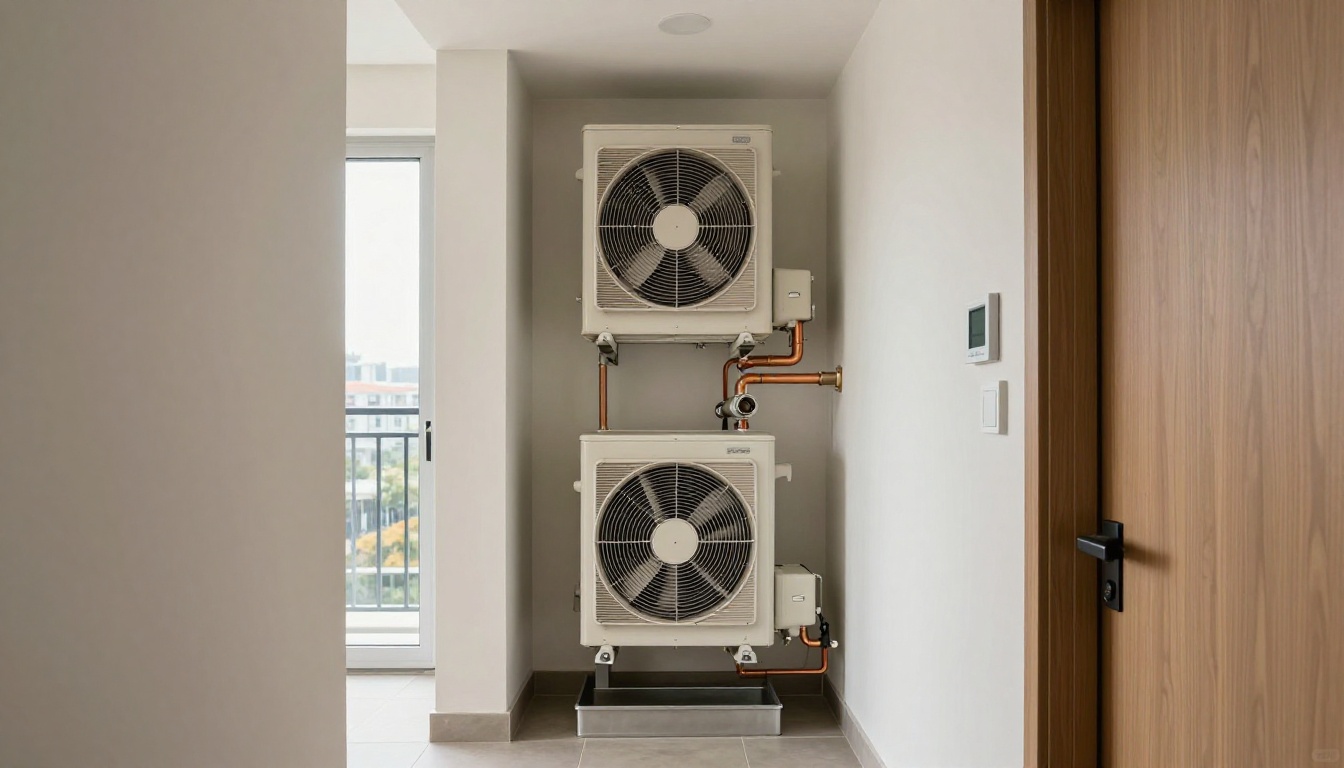
A recent Richmond Hill condo heat pump repair Hudson handled
Here is a realistic example of how these calls actually go in Richmond Hill.
In late October, Hudson was called to a 24-storey condo near Yonge Street and Highway 7 in Richmond Hill, a building completed in the early 2010s with in-suite vertical heat pump cabinets in the foyer closet. The resident on the 17th floor, in a unit in the 1700 range, reported that the suite would not warm above 20°C even though the thermostat was set to 24°C. The fan was running, but the air felt barely warm. The resident had already replaced the thermostat batteries and reset the breaker with no change.
The building itself had already completed heating changeover, so this was not a timing issue. When our technician arrived, the first clue was the supply air temperature: it was only modestly above room temperature. The second clue was sound. The blower was operating, but there was a faint clicking from the valve assembly every few minutes.
Hudson’s diagnostic process took about 70 minutes and included:
- Verifying thermostat call for heat
- Checking line voltage and low-voltage control response
- Confirming blower motor amperage was within range
- Measuring entering and leaving water temperatures at the in-suite coil
- Testing the actuator stroke and valve response
- Inspecting the coil face and drain pan condition
The result: the actuator had failed in a half-open position, and the three-way valve was sticking internally after sitting through cooling season. The unit was technically “running,” but it was not receiving full hot-water flow across the coil. On top of that, the coil had a visible dust layer that was reducing heat transfer.
Because this was a common model and we had a compatible actuator available, Hudson completed the repair the same visit. The work included:
- Replacing the failed actuator
- Freeing and testing the valve assembly, then recommending future valve replacement if sticking returned
- Cleaning the accessible coil face
- Clearing debris from the drain pan area
- Rechecking discharge air temperature and thermostat response
Total on-site time was just under 2.5 hours. The resident felt a clear temperature improvement within the first 20 minutes after restart. The final invoice landed in the $680 to $820 range, depending on part configuration and service timing. Had the valve body needed full replacement that same day, the cost likely would have moved closer to $900 to $1,100.
What made this a classic Richmond Hill condo repair was not just the failed part. It was the combination of suite-level hardware, seasonal transition, and the need to rule out building-side causes before replacing anything. That is the difference between generic HVAC service and condo-specific troubleshooting.
If your situation sounds similar, Hudson offers heat pump repair and replacement and local Richmond Hill HVAC services specifically for condo residents.
What Richmond Hill condo residents can check before booking service
There are a few safe steps you can take yourself before calling.
Confirm the building has switched to heating mode
This sounds basic, but in Richmond Hill condos it matters. Ask concierge, property management, or the superintendent whether the building has completed heating changeover. In shoulder season, a suite can be functioning normally while the base system is still in transition.
Check thermostat mode and setpoint
Make sure the thermostat is set to heat, not auto or cool, and set it at least 2°C to 3°C above room temperature to create a clear demand. If the display is dim, unresponsive, or showing an obviously wrong room temperature, the thermostat may be the issue.
Inspect and replace the filter if accessible
Some condo heat pump cabinets in Richmond Hill have resident-accessible filters; some do not. If yours is accessible and visibly dirty, replace it. Restricted airflow can make a working system feel broken.
Listen for clues
A fan that runs with no warmth often points to valve or water-side issues. Repeated clicking can indicate actuator trouble. A buzzing motor, burning smell, or repeated breaker trips should not be ignored.
Look around the cabinet
Check for water staining, rust around the lower cabinet, or musty smells. Those signs suggest overdue cleaning or drain pan issues. Hudson offers fan coil maintenance and ERV maintenance as part of broader condo air-quality and performance care when applicable.
Don’t ignore the dryer vent
This is especially relevant in fall. In many Richmond Hill condos, dryer vent lint contributes to dust load in tight suites and can worsen HVAC fouling over time. It is not the direct cause of every heat pump failure, but it absolutely affects indoor air movement and housekeeping around mechanical closets. Seasonal dryer vent cleaning is one of the simplest preventive steps before winter.
Three Richmond Hill-specific insights most residents never get told
Older condo towers often need valve and actuator attention before they need full replacement
In Richmond Hill buildings from roughly 2003 to 2012, many no-heat calls are fixed without replacing the entire heat pump. Residents are sometimes told they need a whole new unit when the real issue is a valve train problem, failed control, or neglected maintenance. A full replacement can be the right choice, but not before the water-side controls are tested properly.
Cost planning is easier if you know the real ranges
For Richmond Hill condo owners, realistic fall and winter budgeting looks like this:
- Diagnostic/service visit: $195 to $325 depending on timing and urgency
- Thermostat replacement: $350 to $650
- Actuator/valve repair: $450 to $900
- Blower motor repair: $550 to $1,200
- Deep maintenance/cleaning: $250 to $550
- Full in-suite heat pump replacement: $4,500 to $8,500
If replacement is necessary, Hudson also handles heat pump replacement and larger project work for condo equipment upgrades.
Ontario condo work is not just about the equipment
In condo settings, access and compliance affect the timeline. Depending on the building in Richmond Hill, technicians may need elevator booking, loading dock coordination, and management approval for shutoffs or invasive work. If electrical modifications are required, they must meet ESA expectations; if the repair touches building water-side infrastructure, coordination with site staff matters. That is one reason a same-day repair can sometimes become a 1- to 3-day process even when the failed part itself is straightforward.
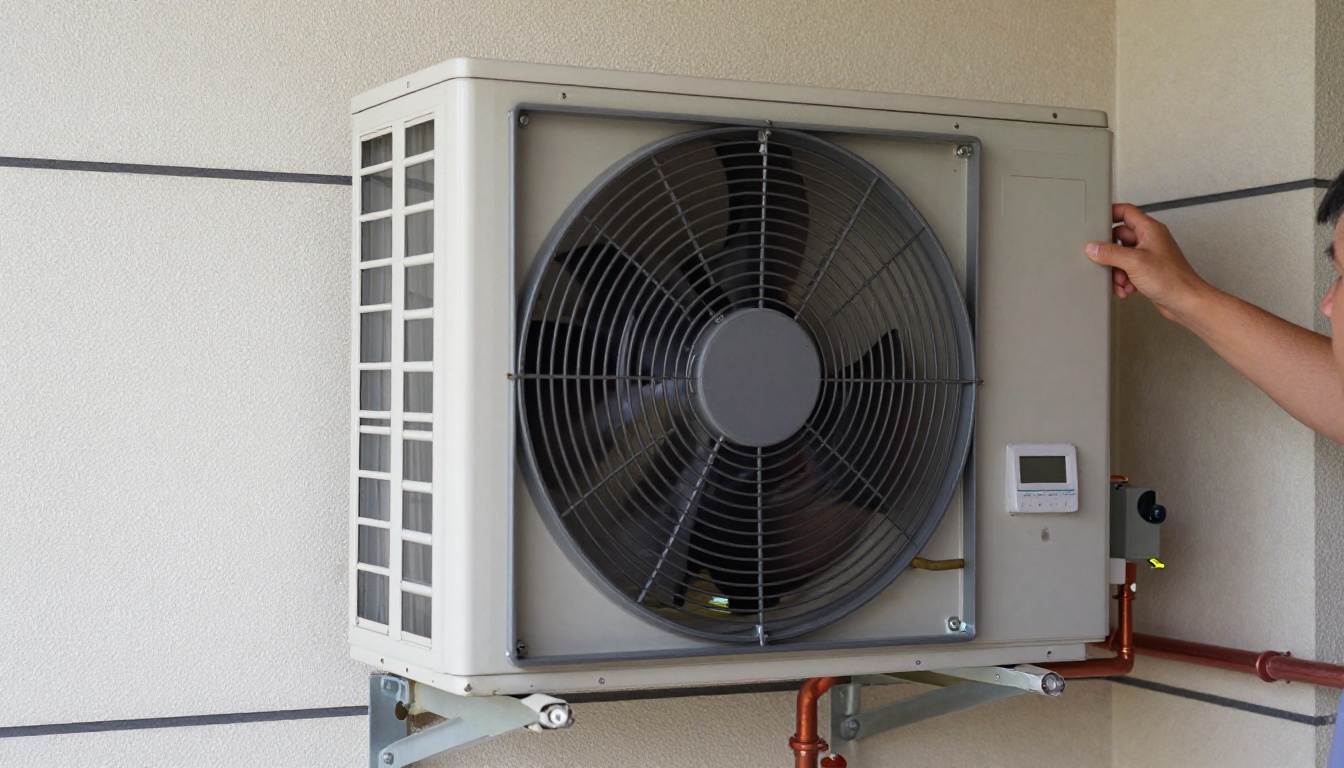
When it is time to call Hudson HVAC
Call Hudson if any of these apply in your Richmond Hill condo:
- The fan runs but the air never gets properly warm
- The thermostat is calling for heat and nothing starts
- The unit clicks, hums, or trips the breaker
- The suite temperature drops overnight and never recovers
- You see water, rust, or microbial growth around the cabinet
- Building management confirms heating changeover is complete but your suite still has no heat
For urgent no-heat situations, especially as temperatures fall in Richmond Hill, emergency HVAC repair may be the right move. If your equipment is older and reliability has been declining for a few seasons, Hudson can also help you decide whether repair or replacement makes more financial sense.
The biggest mistake residents make is waiting until the first real cold snap. Once Richmond Hill temperatures swing hard in late fall, parts lead times get longer, service demand jumps, and condo booking logistics become slower. Preventive service in October is almost always easier than emergency service in December.
Preventive steps that make a real difference before winter
If you want to reduce the chance of your heat pump not working in Richmond Hill this winter, focus on practical condo steps:
- Book fall maintenance before sustained cold weather.
- Replace or clean accessible filters on schedule.
- Ask management when heating changeover occurs.
- Have suspicious thermostats tested before they fail fully.
- Keep the mechanical closet clear for airflow and access.
- Schedule dryer vent cleaning if it has been more than a year.
- Address minor clicking, weak airflow, or musty smells early.
This is where regular condo HVAC repair in Richmond Hill and maintenance pay off. A 60- to 90-minute preventive visit can catch the exact issues that would otherwise turn into a no-heat call.
FAQs
Why is my heat pump not working in my Richmond Hill condo?
In Richmond Hill condos, the most common causes are failed thermostats, stuck actuators or three-way valves, dirty fan coils, blocked condensate drains, and blower motor problems. In newer high-rises near Highway 7 and Yonge, we also see communication faults between suite controls and the in-suite heat pump cabinet. A proper diagnosis usually takes 45 to 90 minutes because the technician has to separate suite-level faults from building-side heating changeover or control issues.
How much does condo heat pump repair cost in Richmond Hill?
Most Richmond Hill condo heat pump repairs fall between $295 and $950 depending on the failed part and site access. Thermostat replacement often lands around $350 to $650, actuator or valve work is commonly $450 to $900, and blower motor repairs can range from $550 to $1,200 if the motor module is specific to the unit model. If a full heat pump replacement is needed in an older condo, many owners should budget roughly $4,500 to $8,500 for in-suite equipment and related labour.
Can condo residents troubleshoot a heat pump before calling for service?
Yes, but only at the suite level. Check thermostat mode, setpoint, breaker status, filter condition, and whether the fan runs on manual mode; also confirm with concierge or management whether the building has completed seasonal heating changeover. If the unit hums, clicks repeatedly, leaks into the drain pan, or blows room-temperature air for more than 15 to 20 minutes after startup, it is time to book professional service.
Does fall maintenance help prevent winter heat pump failures?
Absolutely. In Richmond Hill, fall is the best time to clean coils, test blower amperage, inspect actuators, verify condensate drainage, and calibrate thermostats before the first cold snap. Preventive service typically takes 60 to 90 minutes in a condo suite and can catch the exact problems that become no-heat calls in November and December, especially in buildings from the early 2000s with aging fan coil and heat pump components.
Should I call Hudson for emergency HVAC repair in Richmond Hill if my condo has no heat?
If your Richmond Hill condo has no heat and indoor temperatures are dropping below a comfortable range, yes. This is especially important for seniors, families with young children, or residents in upper floors where exposure and wind can make suites feel colder faster. Hudson can determine whether the issue is your in-suite heat pump, thermostat, blower motor, valve assembly, or a building-side condition that needs to be coordinated with property management.
Need help now?
If your heat pump is not working in Richmond Hill, do not wait for the suite to get colder or for a minor control issue to become a major repair. Fall is the best time to act, especially before the first stretch of sub-zero weather and before building service schedules get crowded.
Hudson HVAC specializes in condo systems, not detached-house setups. That matters in Richmond Hill, where in-suite equipment, building changeovers, and management coordination all affect how fast a problem gets solved. If you are dealing with weak heat, strange noises, poor airflow, or a full no-heat situation, book service while the issue is still manageable.
You can also explore more condo-specific advice on the Hudson blog.
Contact Hudson
- Contact Us
- Phone: +1 (437) 448-0640
- Email: service@hudsonhvac.ca