
Heat Pump Rebate Planned for 2027: Should You Replace or Wait?
Canada has announced a 2027 heat pump rebate launch. Use Hudson’s decision checklist to weigh urgent repairs, planned replacement and unresolved rebate timing.
- Hudson HVAC
- 9 min read
Information checked October 17, 2026.
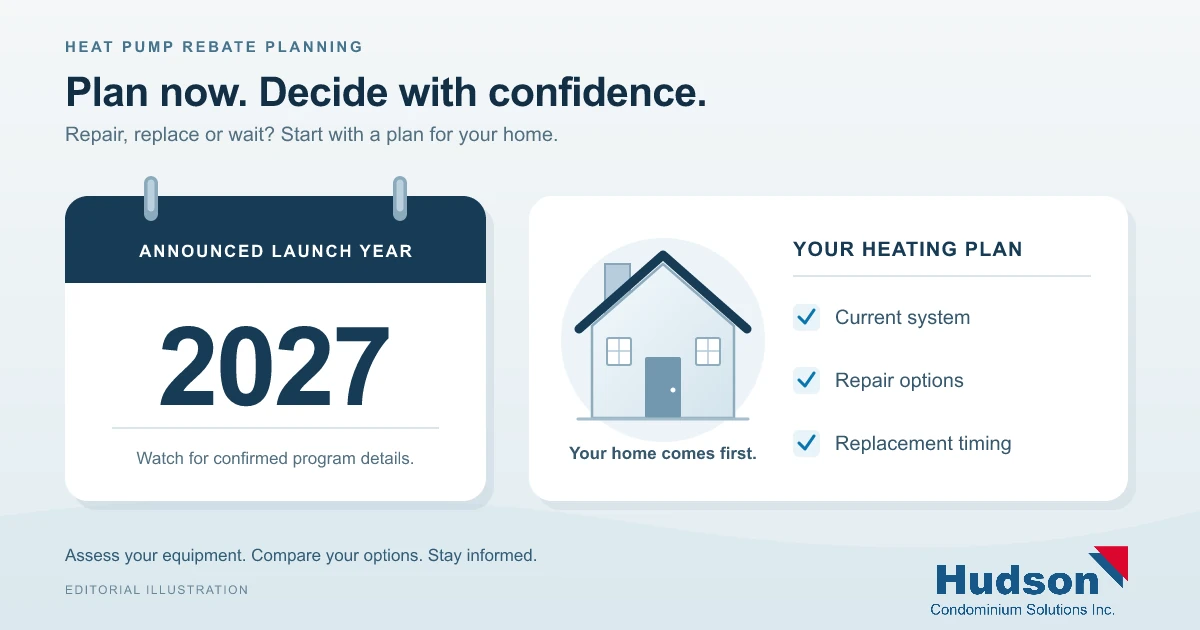
Canada has announced a 2027 launch for the new National Heat Pump Rebate. If your heating system is failing now, get it assessed before deciding to wait for funding. The year appears in an October 16 federal news release; an exact application-opening date is not given.
For a Toronto or GTA homeowner, the useful question is whether the current system can reasonably remain in service while you plan. A repairable problem, a working system due for replacement, and a home without reliable heat are three different decisions. The headline rebate amount cannot answer that question on its own.
This guide separates the immediate heating decision from the incentive decision, with a practical checklist you can use when speaking with Hudson or another qualified contractor.
What changed in the latest federal announcement?
The October 16 release mainly concerns a separate Newfoundland and Labrador retrofit agreement. It also expressly identifies 2027 as the National Heat Pump Rebate launch year. That national timing update does not transfer the provincial agreement’s benefits or requirements to Ontario homeowners.
The October 8 backgrounder describes a $2 billion program for eligible cold-climate air-source heat pumps. These are announced program terms, rather than an approval for a particular home.
As checked today, the federal campaign page still describes the program as upcoming and offers an updates signup. The reviewed sources do not establish an exact opening day or permission to install now and claim later.
For planning purposes, keep these distinctions clear:
| What you know | What you should not assume |
|---|---|
| A launch year has been announced | Applications open on January 1, or on another specific day |
| A future application process has been described | A contractor’s quote is a government approval |
| You can gather information and compare options | A purchase or deposit today qualifies under future rules |
| Other rebate programs may have current application routes | Their rules automatically apply to the new federal program |
The practical implication is to prepare now while treating any unapproved incentive as conditional. A calendar year is useful context, but it is not an installation instruction.
Start with two separate questions
Question one: what does the home need now? Ask a qualified contractor to assess the present fault or condition, explain the repair options, and identify what would make continued operation inappropriate. Do not ask the rebate announcement to stand in for that assessment.
Question two: what program can this particular project actually use? Confirm the program name, equipment requirements, application sequence and approval status. A system that suits the home still needs a separate eligibility check.
Write the answers separately. “The repair is feasible” and “we hope to receive a rebate later” are different statements, with different evidence behind them. Keeping them separate makes it easier to decide what you are authorizing today.
Use this repair, replace or plan decision table
This is a discussion guide, not a remote diagnosis. Your contractor’s assessment and your household’s circumstances should determine the next step.
| Your situation | Useful next step | Point to resolve before deciding |
|---|---|---|
| The home has lost heat | Arrange a qualified assessment promptly and explain the immediate heating problem | What can restore heat, and on what realistic timetable? |
| A specific repair is offered | Get the repair scope, cost and limitations in writing | Does it address the diagnosed fault, and what other issues remain? |
| The system works but replacement is being considered | Begin a site assessment and replacement plan | What would cause you to bring the replacement forward? |
| You want a heat pump regardless of a future rebate | Compare suitable designs and the full price before incentives | Is the project workable without an unapproved rebate? |
| You have already accepted a quote or paid a deposit | Review the actual contract and program status with the contractor | What has been ordered, what dates apply, and what changes are possible? |
There is no universal equipment age or repair-price percentage that settles every case. Ask for the reasoning tied to your system rather than a rule that treats every home the same way.
If the heating problem is urgent
Start the service conversation with the problem, not a request to hold a rebate place. Explain whether the system has stopped, whether it operates intermittently, which areas are affected and whether someone has already inspected it. Use the existing-heating checklist if you need help organizing the equipment information.
Then ask for three clear answers:
- The diagnosis: what has been identified, and what still needs checking?
- The practical options: what repair or replacement is being proposed, what is included, and when can the work happen?
- The limits: what the proposed work does not resolve, and what follow-up may be needed.
A repair can be considered on its own merits. It should not be sold as a guarantee that the entire system will last until an incentive opens. Equally, a replacement decision should not rely on a promise that a future program will reimburse a purchase made before its rules are confirmed.
If the contractor says a repair is not a suitable option, ask them to explain why and document the finding. Keep that assessment with the proposal. You can then make the immediate heating decision using the information actually available, rather than an assumed future payment.
If your current system is working
Use the planning time to reduce uncertainty about the installation. NRCan’s heat pump guidance discusses home heating and cooling requirements, existing distribution systems, supplementary heat and electrical considerations. Those are site-specific questions to work through before equipment is ordered.
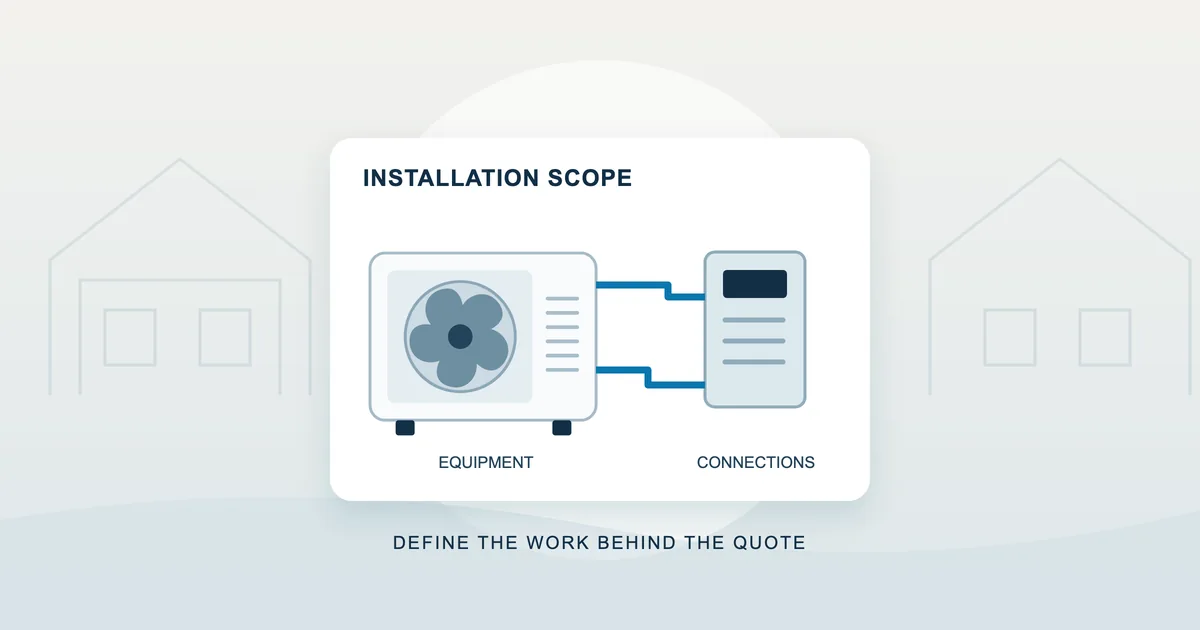
Ask the contractor to identify which parts of the proposal need a site check, what existing equipment may remain, and which decisions can wait. Request an expiry date on the quote and ask whether the equipment availability or proposed schedule is provisional.
Set a review point, not an assumed installation day. For example, agree to revisit the plan after the site assessment, after a material change in the current system’s condition, or when the relevant program publishes its application instructions. A review point lets you prepare without treating an unknown date as a commitment.
Keep a short list of things that would change your decision: a new diagnosis, a materially different repair estimate, confirmed eligibility, a changed equipment proposal, or a household timing constraint. This makes the next conversation more useful than simply asking whether the rebate has opened yet.
Ontario’s current program has its own sequence
Ontario’s Home Renovation Savings heat pump program currently directs homeowners to a participating contractor who submits a pre-installation application. Approval must come before installation; work completed before approval is ineligible. Its published eligibility also depends on the home and existing primary heating source.
That gives eligible homeowners a separate route to investigate now. It does not guarantee that an urgent replacement can meet the program’s process in time. Ask the participating contractor what has been submitted, whether approval has actually arrived, and how that affects the installation schedule.
For a breakdown, do not assume urgency creates an exception. For a planned replacement, do not assume an Ontario approval also approves a later federal claim. Our federal-versus-Ontario rebate guide explains why the programs need separate records.
What if you install before the new federal program opens?
The official sources reviewed do not confirm retroactive eligibility for a 2026 installation. The announced federal process is not evidence that every earlier purchase will be covered. If a contractor suggests otherwise, ask for the current official rule that applies to your exact purchase and installation dates.
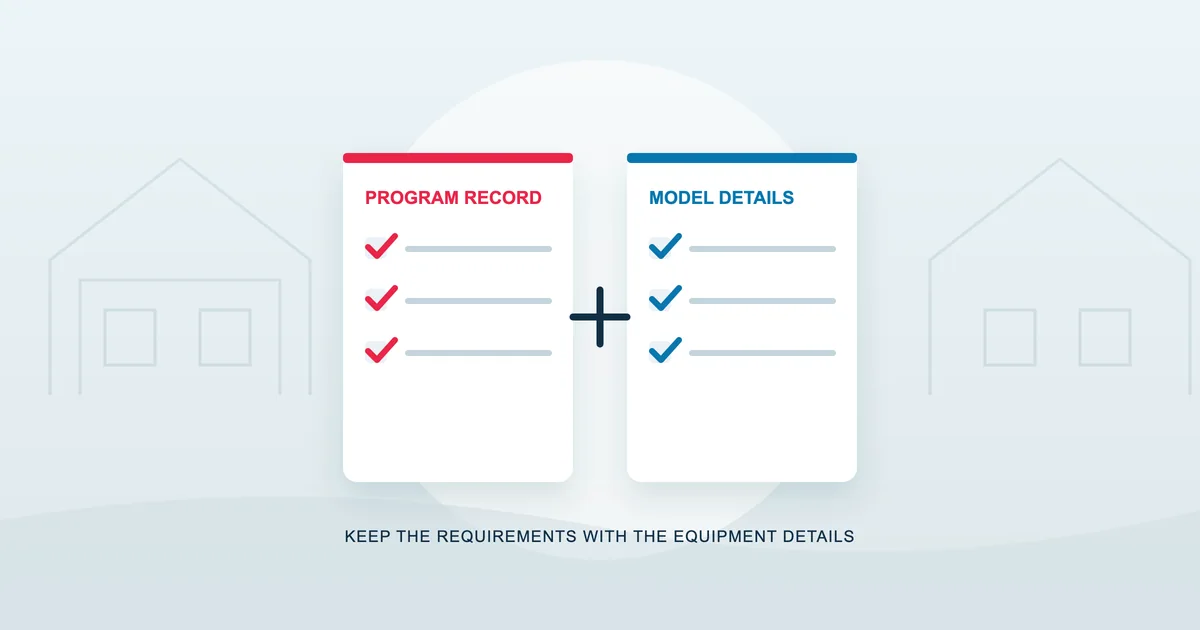
Keep your quote, signed agreement, approval correspondence if any, invoice, payment record and equipment details. Those records are useful for warranties, service and any valid application process. Keeping them does not create eligibility where a program’s timing requirements are not met.
If you already have a project booked, establish the facts before changing it: what has been ordered, what work has begun, which program was named, and what the agreed payment and change terms say. Ask for any revised scope or date in writing. Do not cancel a necessary heating solution solely because a general announcement sounds more attractive.
Make a one-page decision record
This worksheet records why you chose a timeline. It complements, rather than replaces, a detailed installation quote.
| Record | Fill in before authorizing work |
|---|---|
| Current condition | Contractor’s findings and assessment date |
| Immediate need | Work needed now and the proposed completion date |
| Repair option, if suitable | Scope, price, limitations and unresolved issues |
| Replacement option | Complete project price before incentives and proposed timing |
| Rebate status | Exact program; estimated, submitted or approved; evidence received |
| Amount payable | Deposit and later payments under the actual agreement |
| Unknowns | Questions that could change the choice |
| Review trigger | The next event or information that will prompt a reassessment |
When discussing affordability, start with the amount you would have to pay under the agreement. Keep an unapproved rebate out of the amount you treat as secured funding. If the project only works financially with that incentive, resolve its status before relying on it.
For a detailed comparison of competing offers, use Hudson’s heat pump quote worksheet. It helps separate the complete installation price from rebate assumptions and payment timing.
How to take the next step with Hudson
Hudson provides heat pump installation, service and rebate guidance in Toronto and the GTA. Contact Hudson with your current heating type, the problem or planned replacement, and your timing needs. For an existing condo heat pump, our heat pump repair and replacement service is a relevant starting point; a condo service request does not establish eligibility for a residential air-source rebate.
If your system is working and you want program updates, join Hudson’s Heat Pump Rebate Interest List. It connects you with updates and guidance. It does not submit a government application, reserve funding, or book an installation date.
For official application announcements, follow the federal program page. Bring the confirmed rules back into the installation discussion when they are available, alongside the assessment of what your home needs.
Frequently asked questions
When is Canada’s new National Heat Pump Rebate expected to launch?
An October 16, 2026 federal news release identifies 2027 as the launch year. It does not give an exact opening date. Follow the official program page for application details.
Should I wait for the rebate if my furnace has stopped working?
Get a qualified assessment and address the immediate heating need first. Ask about a viable repair and replacement options. Do not base an urgent decision on a rebate that has not been approved for your project.
Will a heat pump installed in 2026 qualify for the new federal rebate?
The official sources reviewed on October 17, 2026 do not confirm retroactive eligibility for a 2026 installation. Keeping a receipt does not establish eligibility. Verify the final timing and approval rules before relying on a future payment.
Does joining Hudson’s interest list secure a rebate or an installation date?
No. Hudson’s interest list provides updates and guidance. It is not a government application, funding reservation or installation booking. A service or installation appointment must be arranged separately.