
What Heating System Do I Have? A Heat Pump Rebate Checklist
Identify your current heating fuel, equipment and backup before planning a heat pump. Use Hudson’s checklist to prepare for rebate and installation questions.
- Hudson HVAC
- 9 min read
Information checked October 16, 2026.
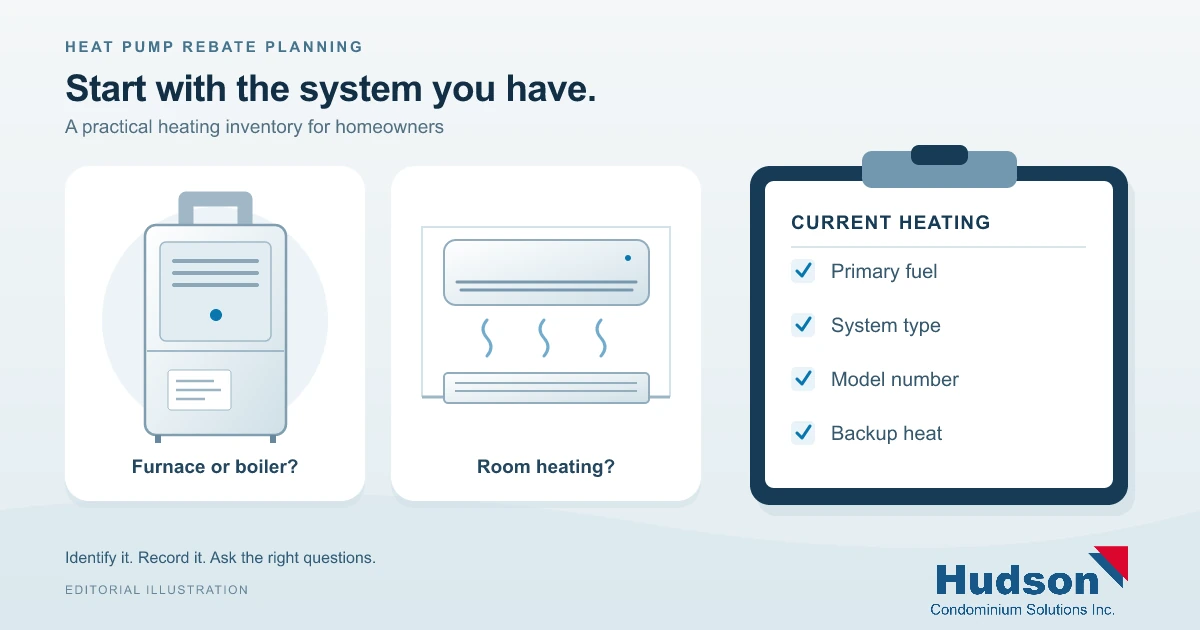
Before planning a heat pump around a rebate, identify three things: your main heating fuel, how heat reaches your rooms, and any backup system. These details help a contractor assess the installation and can affect which existing Ontario program rules apply. They do not, by themselves, establish eligibility for Canada’s newly announced National Heat Pump Rebate Program.
A description such as “gas heating” or “electric heating” is a useful start, but it leaves important questions unanswered. Does the gas equipment heat air through ducts or water through radiators? Are electric baseboards the main heat source, or do they only serve an addition? Is the outdoor unit an air conditioner or a heat pump?
This guide helps you prepare an accurate home heating inventory without taking equipment apart. Bring it to a conversation with Hudson or another qualified contractor, and mark anything you cannot confirm as unknown. An honest gap is more useful than a confident guess.
What is confirmed about the rebate programs today?
The federal announcement sets out a $2 billion National Heat Pump Rebate Program for eligible cold-climate air-source heat pumps. The official campaign page still calls it upcoming. The sources reviewed today do not provide a complete fuel-by-fuel eligibility table or final equipment-list access. Do not apply another program’s rules to this announcement.
Ontario’s existing Home Renovation Savings heat pump program does distinguish between existing primary heating sources. It also requires a participating contractor and pre-installation approval. Installation before that approval is ineligible. Identify the specific program before scheduling work around an incentive.
For the broader comparison, see federal versus Ontario heat pump rebates. The checklist below is about describing your home accurately, rather than calculating a rebate amount.
Separate fuel, equipment and heat distribution
Think of your heating description as three separate answers:
- Fuel or energy source: natural gas, electricity, oil, propane or another source. Record more than one when your home uses several.
- Equipment: the furnace, boiler, heat pump or other heater that produces or moves heat.
- Distribution: the ducts, indoor units, baseboards, radiators or floor system that deliver warmth to rooms.
NRCan’s heat pump basics distinguishes ducted systems, which distribute conditioned air through ductwork, from ductless systems with indoor units serving spaces directly. That difference is why two homes using the same fuel may need different installation plans.
Try completing this sentence: “Our main heat comes from ___ equipment using ___, delivered through ___. We also have ___ serving ___.” If you cannot fill every blank, record what you do know and ask the contractor to confirm the rest.
Use this first-pass equipment checklist
These are clues for a planning conversation, not a diagnosis or a program eligibility decision. A label, manual or service record is stronger evidence than equipment appearance alone.
| What you have or suspect | Information to collect | Question to bring to the contractor |
|---|---|---|
| A furnace and air vents | Furnace model; recorded fuel; outdoor-unit model, if present | What stays, what changes, and how would the controls manage heating? |
| A boiler with radiators or heated floors | Boiler model; fuel; rooms and heating zones served | What heat pump design would suit this distribution system? |
| Electric baseboards | Rooms with baseboards; separate thermostats; any other heaters | Which rooms would a proposed system cover, and what would remain? |
| An electric furnace or air handler | Indoor and outdoor model numbers; available installation paperwork | Is resistance heating the main source, backup, or part of an existing heat pump system? |
| Oil or propane equipment | Equipment model; fuel records; any separate heating systems | What changes are proposed to the existing heating and fuel equipment? |
| Wall-mounted indoor units | Models of indoor and outdoor units; rooms served | Are these heating-capable units, and is this a replacement or a new system? |
| A shared condo or building system | In-suite equipment model and management’s system description | What belongs to the suite, what is shared, and who approves changes? |
Keep domestic hot water on a separate line. Your water heater may use a different fuel from your space heating. Likewise, having a gas bill does not tell a contractor which appliance supplies most of your home’s heat.
Four details that are easy to get wrong
1. An outdoor unit does not settle the question
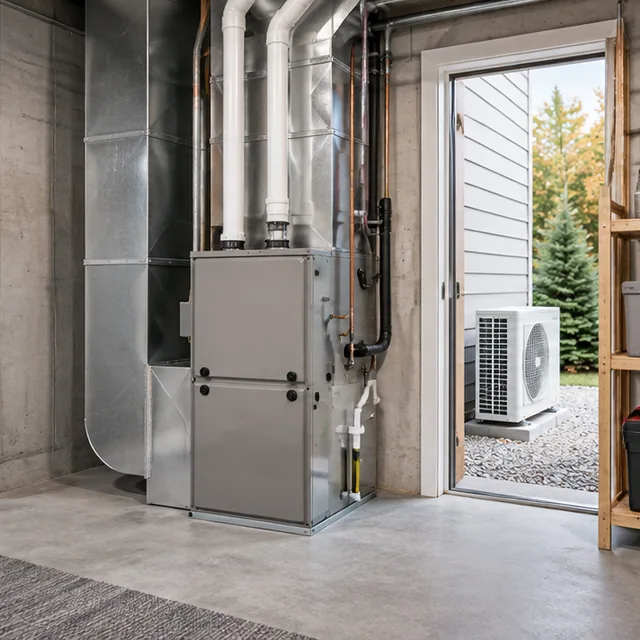
An outdoor air conditioner and an air-source heat pump can look similar. Do not identify yours solely by its shape, age or the fact that it runs in summer. Find the model in your installation paperwork, or photograph an accessible label and ask the contractor to confirm the function.
If the answer is uncertain, write “outdoor unit present; heating capability unconfirmed.” This also avoids accidentally describing a heat pump replacement as a first installation.
2. Electricity powers more than electric heating
A system can use electricity for a fan or controls while relying on a different fuel for heat. Conversely, an electrically powered system may combine a heat pump with resistance backup. A thermostat with an auxiliary-heat indicator is a clue to discuss, not enough information to classify the whole installation.
Record the equipment model and the fuel information you can verify. Let the contractor resolve the system configuration before an application relies on it.
3. A second heater may serve only part of the home
A basement baseboard, bedroom mini-split or gas fireplace does not necessarily describe the whole house. Make a room list: what heats the main floor, upper floor, basement and any addition? Note separate thermostats and rooms that depend on supplementary equipment.
For HRS specifically, the program FAQ says a gas fireplace does not count as primary heating for qualification. Ask the participating contractor how the program treats your actual arrangement rather than choosing whichever label appears most favourable.
4. Existing heat pumps need a different question
Ontario HRS requires a first-time space-heating heat pump installation. Its current FAQ excludes homes with an existing space-heating heat pump, along with single-component mini/multi-split replacements and added indoor units.
Those are Ontario rules. They do not resolve how the new federal program will treat your project. Keep the old and proposed model numbers together so the applicable program can be checked accurately.
Build a useful record in one short walkthrough
Start with a phone, a blank note and any service or installation paperwork already available. Only photograph labels you can reach safely without opening equipment or electrical panels.
- Give each system a name. “Basement furnace,” “living-room wall unit” and “upstairs baseboards” are clearer than a folder of unexplained photographs.
- Take an overview and a label photo. The overview shows where the equipment is; the readable label helps identify it. If a label is inaccessible, leave the model unconfirmed.
- Record the rooms served. List separate thermostats, additions and areas that need another heater. Do not assume one unit serves every room.
- Check existing records. Use installation invoices, manuals or service reports to confirm model and approximate installation date. Mark estimated dates as estimates.
- List fuel sources and suppliers. Distinguish space heating from water heating and cooking. Keep account numbers out of general enquiry messages.
- Write down the unresolved questions. Examples include whether the outdoor unit provides heat, whether the basement heater is primary, or whether the furnace is intended to remain.
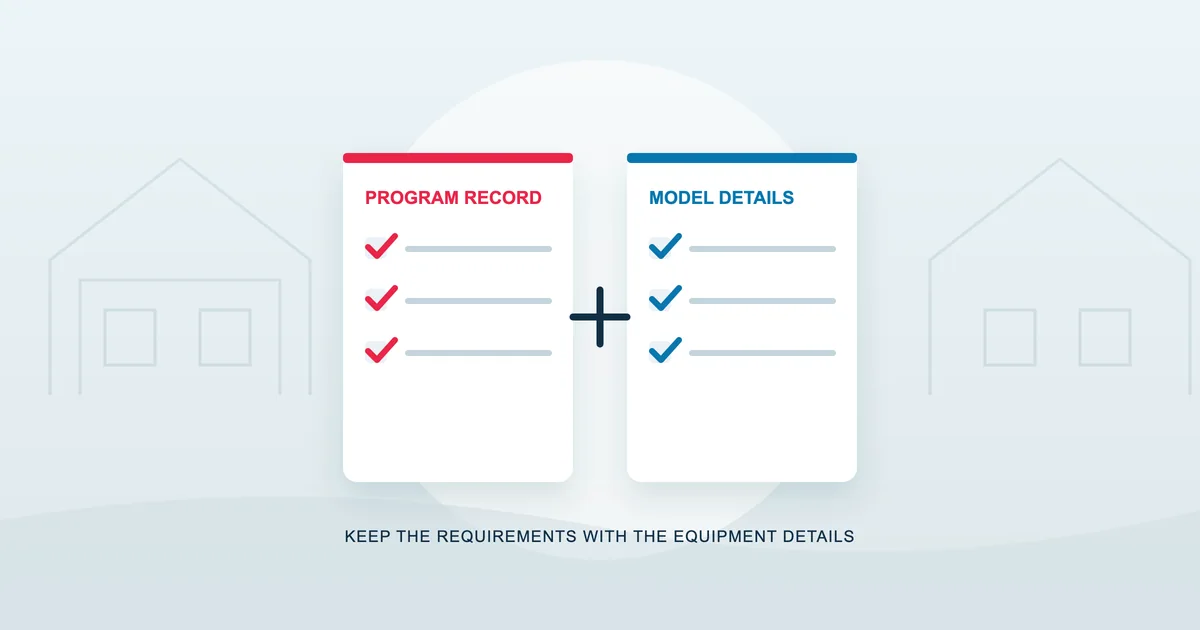
This is Hudson’s planning checklist, not a document list issued for the new federal rebate. Ask the relevant program which evidence it actually requires before submitting an application.
Copy this inventory into your notes
| Inventory field | Your answer | Evidence or person who can confirm it |
|---|---|---|
| Main space-heating equipment and fuel | ___ | ___ |
| How heat reaches the rooms | ___ | ___ |
| Indoor model number | ___ | ___ |
| Outdoor model number, if present | ___ | ___ |
| Existing heat pump: yes, no or unknown | ___ | ___ |
| Backup or separate heaters and rooms served | ___ | ___ |
| Approximate installation dates | ___ | ___ |
| Shared building equipment or approvals | ___ | ___ |
| Program being considered | ___ | ___ |
| Questions still unresolved | ___ | ___ |
The last column is useful when household members have different recollections. Instead of deciding by memory, note “check installation invoice” or “ask building management.” Save the completed version with the date so the information follows the project from the first call to the proposal.
Turn the inventory into an installation discussion
Your inventory helps explain the home, but it does not size a new system. NRCan’s heating and cooling guide discusses heating and cooling requirements, existing duct capacity, supplementary heat and electrical-service needs. These depend on the home and proposed design; a panel upgrade or furnace removal should not be assumed from the words “heat pump” alone.
Ask the contractor to walk through what the proposed system will serve, how cold-weather operation will work, and which existing components remain.
If you live in a condo, establish ownership and building requirements before treating an in-suite change as a detached-home installation. Hudson’s condo heat pump repair and replacement service addresses a separate service context; the service name alone does not establish eligibility for an air-source rebate.
Once the configuration is clear, use the heat pump quote comparison worksheet to compare the proposed work. It is easier to assess two offers when both contractors start with the same home information.
How Hudson can help you prepare
Hudson offers heat pump installation, service and rebate guidance in Toronto and the GTA. Share your current heating type and the questions you have not resolved, so the conversation starts with your home’s equipment and needs.
Join Hudson’s Heat Pump Rebate Interest List for updates and guidance, or contact Hudson to discuss your system. If you are unsure how to describe it, say so in your enquiry rather than guessing at eligibility.
Hudson’s list is not a government application, approval or funding reservation. Use the official federal page for program updates and confirm the relevant rules before committing to a rebate-dependent installation.
Frequently asked questions
Does having a gas furnace qualify me for the new federal heat pump rebate?
A gas furnace alone does not establish eligibility. As checked October 16, 2026, the federal program was still described as upcoming, and the reviewed announcements did not provide a complete fuel-by-fuel eligibility table. Confirm the final rules before relying on funding.
Is my outdoor air conditioner already a heat pump?
Appearance alone is not a reliable way to tell. Record its model number and check the equipment documentation or ask a qualified contractor to identify it. Mark it unconfirmed on your planning checklist until you know.
Can I get Ontario’s Home Renovation Savings rebate to replace an existing heat pump?
No. HRS requires a first-time installation and excludes homes with an existing space-heating heat pump. This Ontario rule does not establish the rules for the new federal program. Check the applicable program before ordering equipment.
What if I do not know my heating type when contacting Hudson?
Tell Hudson that it is unconfirmed and describe the equipment you can see. An accessible model-label photo and a description of how heat reaches your rooms can help start the discussion. Hudson’s interest list provides updates and guidance; it is not a government application or a funding reservation.