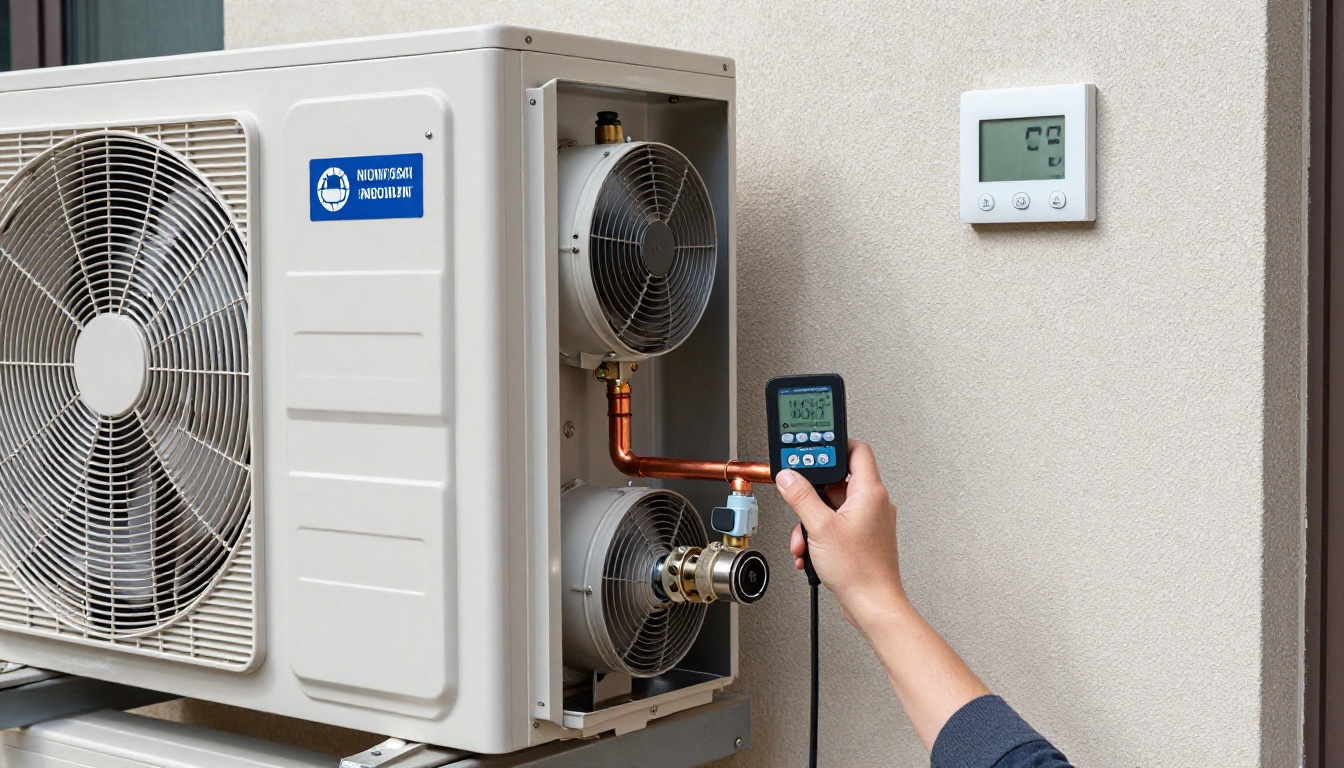
Heat Pump Reversing Valve Issues in Toronto Condos: Solutions for Mode Switching Problems
Struggling with heat pump mode changes this spring? Discover common reversing valve issues in Toronto condos and effective solutions.
- Hudson HVAC
- 4 min read
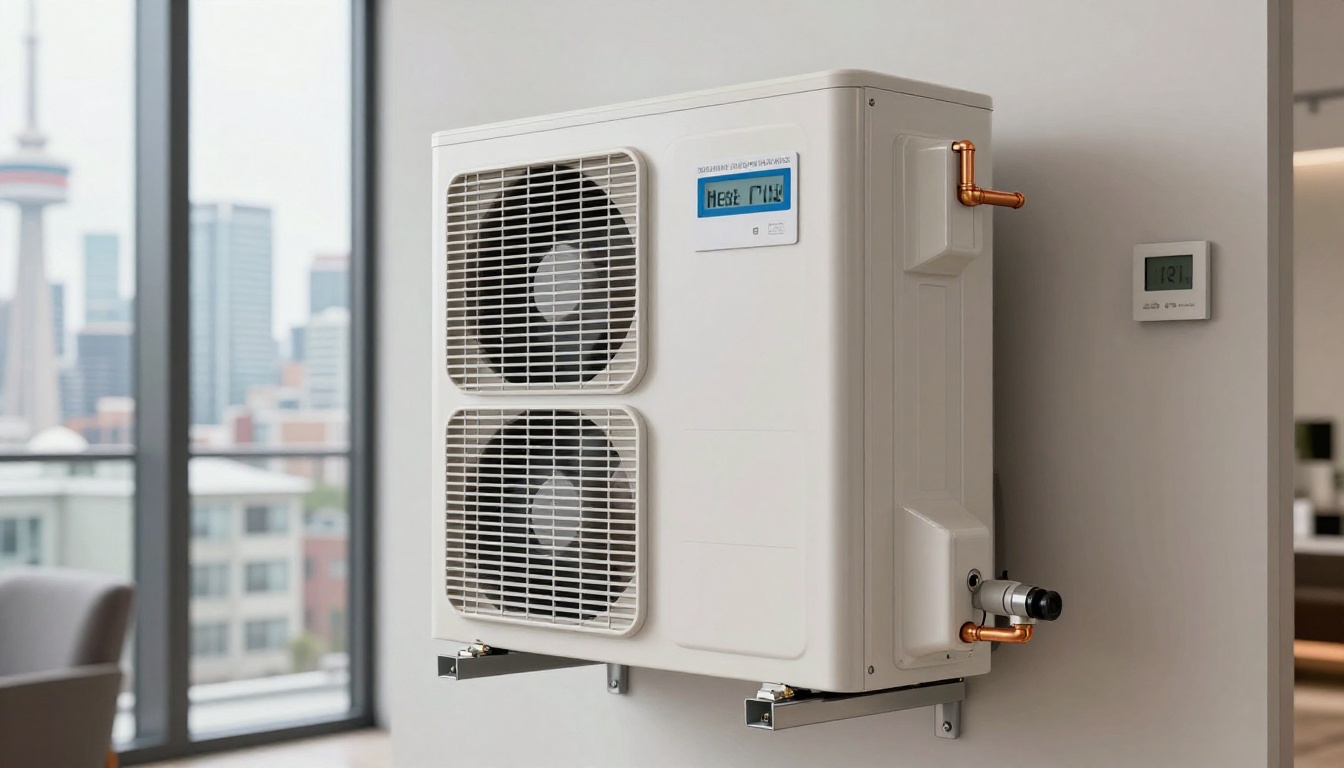
Heat Pump Reversing Valve Issues in Toronto Condos: Solutions for Mode Switching Problems
Quick summary
With Toronto’s unpredictable spring weather, having a heat pump that seamlessly switches between heating and cooling is crucial. This post delves into common reversing valve problems that prevent mode switching and how they affect your condo’s comfort.
The Fast Diagnosis: What’s Going On?
In our experience servicing Toronto condos, one of the most frustrating issues for residents is a heat pump stuck in either heating or cooling mode. The culprit is often the reversing valve—a critical component that switches the direction of refrigerant flow, allowing the system to change modes. If your heat pump isn’t switching modes, this valve might be stuck or malfunctioning.
Common Causes: Why This Happens
Reversing valves can fail for several reasons:
- Mechanical Obstruction: Mineral deposits or debris can block the valve, preventing the internal slide from moving. This is common in older systems or those not regularly maintained.
- Electrical Issues: The solenoid coil that controls the valve can fail, leaving the valve stuck in its current position. This is often due to wire fatigue or a failed solenoid.
- Refrigerant Problems: Low refrigerant levels can hinder the valve’s ability to shift modes. It requires a specific pressure differential across the valve to function correctly.
- Wear and Tear: Over time, the internal components of the valve may wear out, especially in high-use systems common in condos.
What You Can Do Right Now: DIY Safe Steps
Before calling for professional help, there are a few checks you can perform:
- Thermostat Settings: Ensure your thermostat is set to the correct mode. It may seem simple, but incorrect settings are a frequent cause of confusion.
- Power Cycle: Try resetting the system by turning off the power for a few minutes and then back on. This can occasionally reset minor electrical issues.
- Listen for Sounds: A clicking sound near the heat pump indicates that the solenoid coil is trying to engage but may be failing. This can help isolate the issue.
If these steps don’t resolve the issue, it’s time to consider professional intervention.
When to Call a Professional: Signs You Need Help
If your heat pump remains unresponsive after basic troubleshooting, professional service is required. Signs that you need expert help include:
- Persistent mode lock despite thermostat changes
- Unusual noises continue after a reset
- Reduced efficiency and increased energy bills
Hudson HVAC offers heat pump repair services throughout Toronto and surrounding cities like Mississauga and North York.
What to Expect from a Service Visit: Typical Timeline and Process
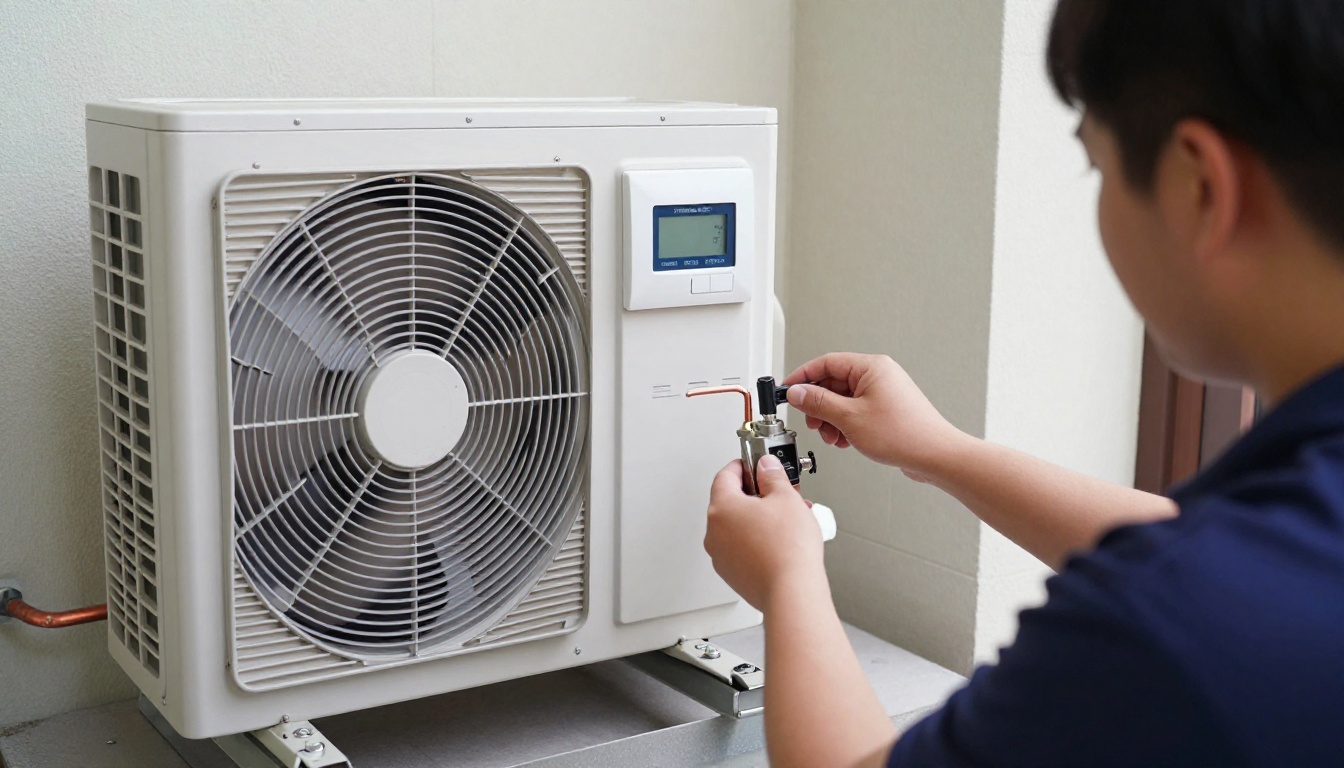
A professional service visit for a reversing valve issue usually involves:
- Diagnosis: Confirming the reversing valve as the problem through precise testing and visual inspection.
- Part Replacement: If the valve is faulty, it will be replaced. This requires evacuating the refrigerant, replacing the valve, and recharging the system.
- Testing: Ensuring the new valve operates correctly and the heat pump switches modes as expected.
This process typically takes 3-4 hours, depending on the complexity of the system and accessibility.
Cost Factors with Real Ranges
The cost of repairing or replacing a reversing valve can vary significantly:
- Part Costs: A reversing valve itself can range from $200 to $500, depending on the brand and model.
- Labor Costs: Labor typically ranges from $400 to $700, reflecting the complexity and time involved.
Overall, expect to pay between $600 and $1,200 for a complete replacement in the Toronto market.
FAQs
What are common signs of a faulty reversing valve?
Common signs include your heat pump being stuck in heating or cooling mode, a clicking sound from the unit, and reduced efficiency. If the valve’s internal slide isn’t moving properly, the heat pump may not switch modes effectively.
How much does it cost to replace a reversing valve in Toronto?
Replacing a reversing valve in a Toronto condo typically costs between $600 and $1,200, including parts and labor. Prices can vary based on the specific model and accessibility of the unit.
Can I fix a reversing valve issue myself?
While some basic checks can be done yourself, such as ensuring the thermostat is set correctly, repairing or replacing a reversing valve requires professional HVAC expertise and equipment.
How long does it take to replace a reversing valve?
Replacing a reversing valve usually takes about 3-4 hours. This includes diagnosing the issue, sourcing the correct part, and completing the replacement.
Why is my heat pump stuck in heating mode?
A heat pump stuck in heating mode often indicates a problem with the reversing valve, such as an electrical failure or a mechanical obstruction preventing it from switching to cooling mode.
Next Steps: Call to Action
If your heat pump is struggling to switch modes, it’s crucial to address the problem before peak summer demand. Hudson offers comprehensive heat pump maintenance services to ensure your system runs smoothly. Don’t wait for discomfort; schedule your service today.
Contact Hudson
- Contact Us
- Phone: +1 (437) 448-0640
- Email: service@hudsonhvac.ca