
High-Rise vs Low-Rise Condo HVAC in Toronto
Learn how high-rise condo HVAC in Toronto differs from low-rise systems, including pressure, maintenance, costs, and winter prep.
- Hudson HVAC
- 16 min read
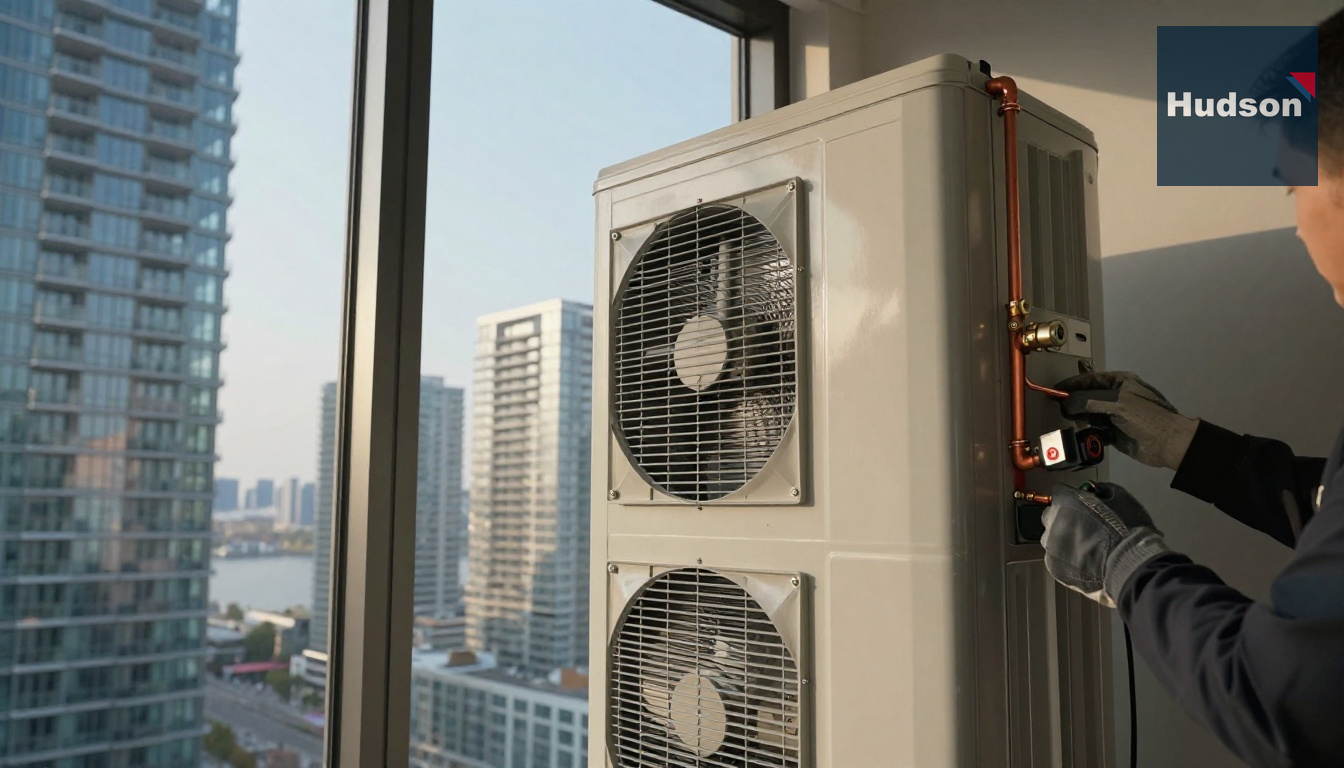
High-Rise vs Low-Rise Condo HVAC in Toronto
Quick summary: High-rise condo HVAC in Toronto is not just a bigger version of low-rise HVAC. Tall buildings behave differently because of stack effect, pressure relationships, longer piping runs, shared mechanical systems, and access logistics, which changes how systems are designed, maintained, diagnosed, and budgeted. If your building is heading into winter, understanding those differences can prevent expensive comfort complaints and emergency calls when the first real cold snap hits.
In October, Hudson starts seeing the same pattern across Toronto, North York, and Mississauga: boards assume a heating issue is “just a bad fan coil,” when the real cause is often building-wide. In a 6-storey mid-rise, that assumption is wrong sometimes. In a 40-storey tower, it is wrong a lot more often.
The field reality: why tall buildings are a different HVAC animal
After servicing more than 200 condo buildings across the GTA, one lesson comes up constantly: height changes everything. A low-rise condo might have the same basic components as a high-rise — fan coils, pumps, boilers, thermostats, ERVs, make-up air — but the way those components interact is fundamentally different.
In a typical low-rise condo, especially a 4- to 8-storey building in Toronto or Mississauga, HVAC problems tend to stay local. A dirty coil, failed blower capacitor, stuck actuator, or plugged drain pan will usually affect one suite or one small section of the building. In a high-rise, the same complaint can be tied to pressure imbalance, riser temperature drop, valve authority issues, or a make-up air sequence that is slightly off and only shows itself on certain floors.
That is why condo-specific diagnosis matters. Hudson handles both in-suite HVAC maintenance and larger mechanical maintenance programs, because in towers, suite-level and building-level systems are inseparable.
One common mistake we encounter in older North York high-rises from the late 80s and 90s is assuming every overheating complaint is thermostat-related. In reality, many of those buildings have aging 2-pipe fan coil systems with worn valve assemblies or actuators that no longer close tightly, so hot water continues to bleed through the coil even when the thermostat is satisfied.
What’s really going on inside a high-rise HVAC system
A high-rise condo is a pressure vessel in slow motion. That sounds dramatic, but it is the easiest way to explain why tall building HVAC behaves differently.
1. Stack effect changes airflow from bottom to top
As outdoor temperatures fall in Toronto, warm indoor air naturally rises. In a 30-storey or 50-storey tower, that creates negative pressure on lower floors and positive pressure on upper floors. The result is not just draftiness. It affects corridor pressurization, elevator lobby comfort, suite infiltration, odour transfer, and even how easily unit entry doors close.
Residents on lower floors may feel cold air pulling in around corridor doors or window frames. Residents near the top may report stale air, dry conditions, or doors that feel pressurized when opened. In low-rise condos, stack effect exists too, but it is much weaker because the vertical pressure difference is smaller.
This is one reason boards should not ignore complaints that seem “minor” in October. If the building’s make-up air unit is not tracking properly now, those complaints get much louder in January. Hudson often ties these comfort issues back to deferred ERV maintenance or make-up air deficiencies that were masked during milder weather.
2. Longer piping runs mean slower, messier diagnosis
Most condo residents never see the hydronic side of the system, but piping length matters. In a high-rise with vertical risers serving dozens of floors, hot or chilled water may travel hundreds of feet before reaching the suite coil. Every elbow, balancing valve, control valve, and pressure drop point affects delivery.
In practical terms, that means a suite can have a perfectly functional fan coil and still underperform because the coil is not getting the right water temperature or flow. On a 40-storey tower, a 10°F to 15°F temperature drop across a poorly performing riser loop is not unusual when balancing has drifted over the years. In a low-rise, the shorter loop length makes those distribution problems easier to contain.
If your building is seeing repeated no-heat calls in clusters, it may be time to look beyond suite repairs and review the hydronic side with a comprehensive mechanical maintenance program.
3. Shared systems create hidden dependencies
High-rises usually depend on central boilers, chillers, cooling towers, pumps, expansion tanks, and make-up air units. A low-rise may have some of the same components, but often with less complexity, fewer zones, and less dependence on central sequencing.
That matters because one weak link can create symptoms that look unrelated. A drifting supply air temperature sensor in a make-up air unit can cause hallway temperature swings. Those hallway swings affect infiltration into suites. Residents then raise thermostats, which increases suite heat demand and can expose weak actuators or partially seized 3-way valves that were barely hanging on.
That chain reaction is common in shoulder season. If your building still has aging pneumatic or early-generation DDC controls, fall is the right time to inspect them before winter demand ramps up. Hudson frequently combines fan coil maintenance with targeted thermostat installation and replacement in buildings where control drift is causing false complaints.
High-rise vs low-rise: the biggest technical differences that matter to boards
Below is the comparison that property managers usually find most useful when planning budgets and maintenance.
| Factor | High-Rise Condo HVAC | Low-Rise Condo HVAC |
|---|---|---|
| Pressure management | Major issue due to stack effect and corridor pressurization | Usually less severe and easier to stabilize |
| Mechanical complexity | Central boilers, chillers, MAUs, long risers, many control points | Often simpler distribution and fewer dependencies |
| Access logistics | Elevator booking, security, suite coordination, shutdown planning | Easier access and shorter travel time |
| Complaint patterns | Often clustered by stack, floor band, or exposure | More often isolated to individual suites |
| Seasonal changeover risk | Higher, especially in 2-pipe systems | Still important, but usually easier to manage |
| Capital planning | Larger reserve fund implications, building-wide programs | Smaller project scope and lower coordination burden |
| Diagnostic time | Longer due to need to rule out upstream causes | Faster in many cases |
A major example is the 2-pipe vs 4-pipe difference. Many older Toronto condo towers built before about 2005 use 2-pipe fan coil systems. That means the same piping serves either heating or cooling depending on season, but not both at once. During October and November, this creates the classic “my unit is too hot in the afternoon and too cold at night” complaint because the building must choose one mode for everyone.
Newer high-rises are more likely to use 4-pipe systems that can deliver heating and cooling simultaneously. That flexibility improves comfort but adds more valves, more controls, and more maintenance points. In low-rise buildings, changeover still matters, but the consequences are usually less amplified because the building envelope and pressure conditions are less extreme.
For buildings facing repetitive failures, Hudson often recommends evaluating whether recurring repairs are just delaying larger work such as a fan coil retrofit, riser replacement, or boiler replacement project.
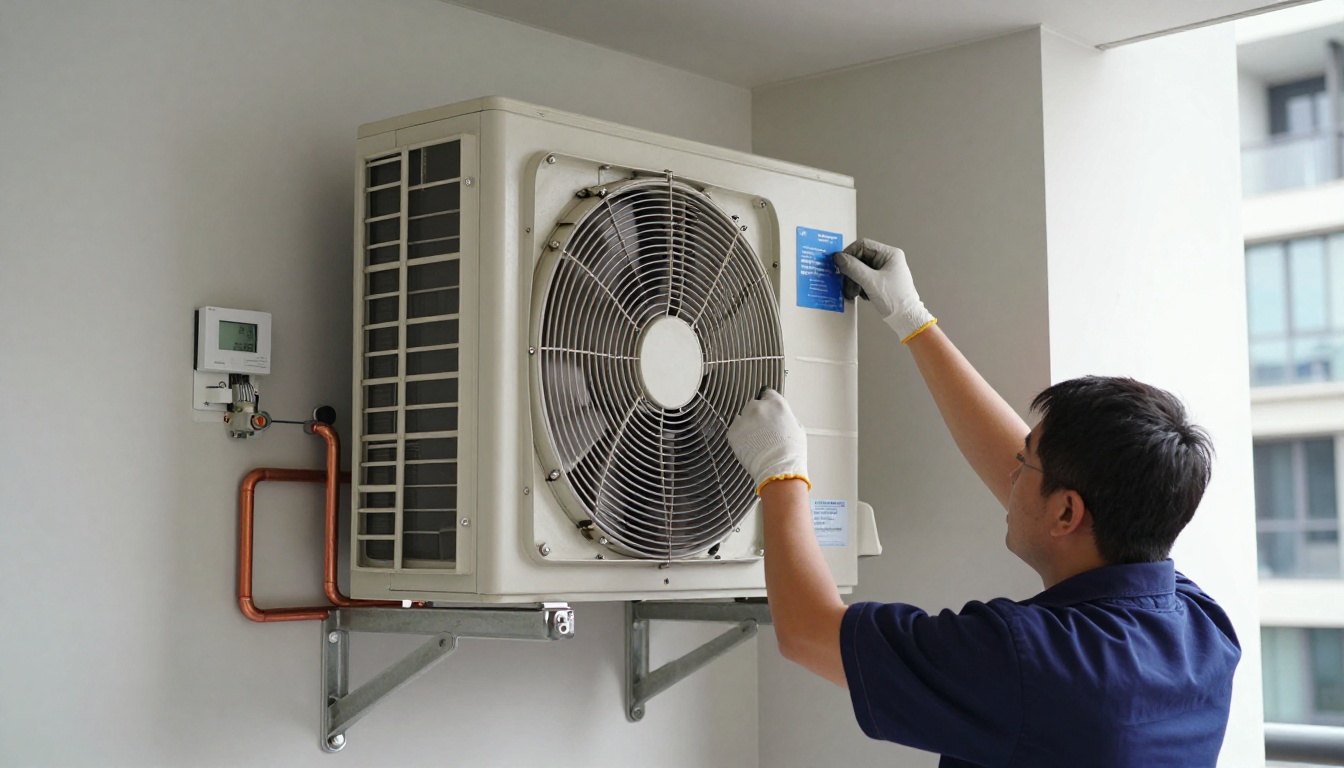
The failure patterns Hudson sees most often in tall Toronto buildings
When people search “tall building HVAC challenges”, they usually expect something abstract. In practice, the most expensive problems are surprisingly repeatable.
Repeated actuator failures on upper-floor stacks
Actuators are small, but they cause outsized headaches. In many fan coil systems, a failed actuator means the valve no longer opens or closes correctly, leading to no heat, overheating, or temperature swings. In taller buildings, upper floors often expose borderline valve and actuator performance first because pressure relationships and balancing are less forgiving.
A typical actuator replacement in a Toronto condo runs $350-$600, depending on access, part type, and whether the valve body is still usable. If the valve stem is seized or the full assembly needs attention, a 3-way valve replacement usually lands in the $650-$1,050 range per suite.
A detail many competitors leave out: clicking every 10 to 15 seconds from a fan coil cabinet often means the actuator motor is trying to seat and failing, while a unit that overheats continuously with no clicking often points to a valve stuck mechanically open.
Blower motors that “work” but can’t move enough air
In high-rises, weak airflow complaints are often misdiagnosed because the motor still runs. But a blower motor with worn bearings or a failing run capacitor can spin and still deliver far less CFM than designed. A typical vertical condo fan coil might be sized around 300 to 800 CFM depending on suite size and coil capacity. Once airflow drops materially, heating performance falls off quickly, especially in perimeter suites with large glazing.
A high-pitched whine usually points to bearing wear. A low rumble combined with poor airflow often suggests wheel contamination or motor fatigue. Blower motor repair or replacement in Toronto condos typically ranges from $450-$950, with premium EC motors costing more.
Drain and mold issues that start in cooling season but show up in heating season
This catches boards off guard every fall. During summer, a partially blocked condensate line or dirty drain pan may only create minor odor or intermittent dripping. Once heating season starts, the moisture residue left behind becomes a mold and IAQ issue, especially in tightly sealed high-rises.
That is why fall is an ideal time for drain pan cleaning and repair and, where needed, HVAC mold remediation. In our experience servicing Toronto waterfront towers, units with persistent shoulder-season odors often trace back to neglected pans and biofilm, not “dirty condo air” in general.
What residents and property managers can do right now before winter
October is the month to catch small faults while they are still cheap.
For residents in high-rise and low-rise condos
- Test the thermostat in heating mode now, not during the first freeze. If the setpoint is raised by 2°C to 3°C and the unit does not respond within several minutes, note whether the blower starts, whether air feels warm, and whether any clicking occurs from the valve area.
- Check the filter properly. On many vertical fan coils, the filter sits behind the lower front access panel. Pull the 1-inch or 2-inch pleated filter out and hold it to light. If you cannot see light through most of the media, replace it. A loaded filter can reduce airflow enough to mimic a heating failure.
- Listen for sound patterns. Rhythmic clicking suggests actuator trouble. Squealing suggests motor bearings. A sudden rushing-water sound after months of silence can indicate a valve finally opening after being stuck.
- Look for uneven symptoms. If your neighbor above or below has the same issue, tell management. That single detail can save hours of misdiagnosis.
Residents who have not serviced their unit in over a year should consider annual fan coil maintenance or, where applicable, heat pump maintenance before sustained cold arrives.
For property managers and condo boards
- Review last winter’s complaint log by stack, floor range, and exposure — not just by total count.
- Sample suites on low, mid, and high floors before winter. Problems rarely distribute evenly.
- Verify make-up air temperature, freeze protection, and corridor pressurization.
- Confirm boiler staging and pump operation before the first sub-zero week.
- If your building has in-suite laundry closets, schedule dryer vent cleaning. In tighter towers, restricted dryer exhaust can worsen humidity, lint migration, and comfort complaints.
One specific insight from Hudson’s condo work: in buildings over about 25 storeys, unresolved corridor pressurization issues often show up first as comfort complaints on windy west-facing floors, especially in exposed parts of North York and central Toronto. Those are not random complaints. They are early warning signs.
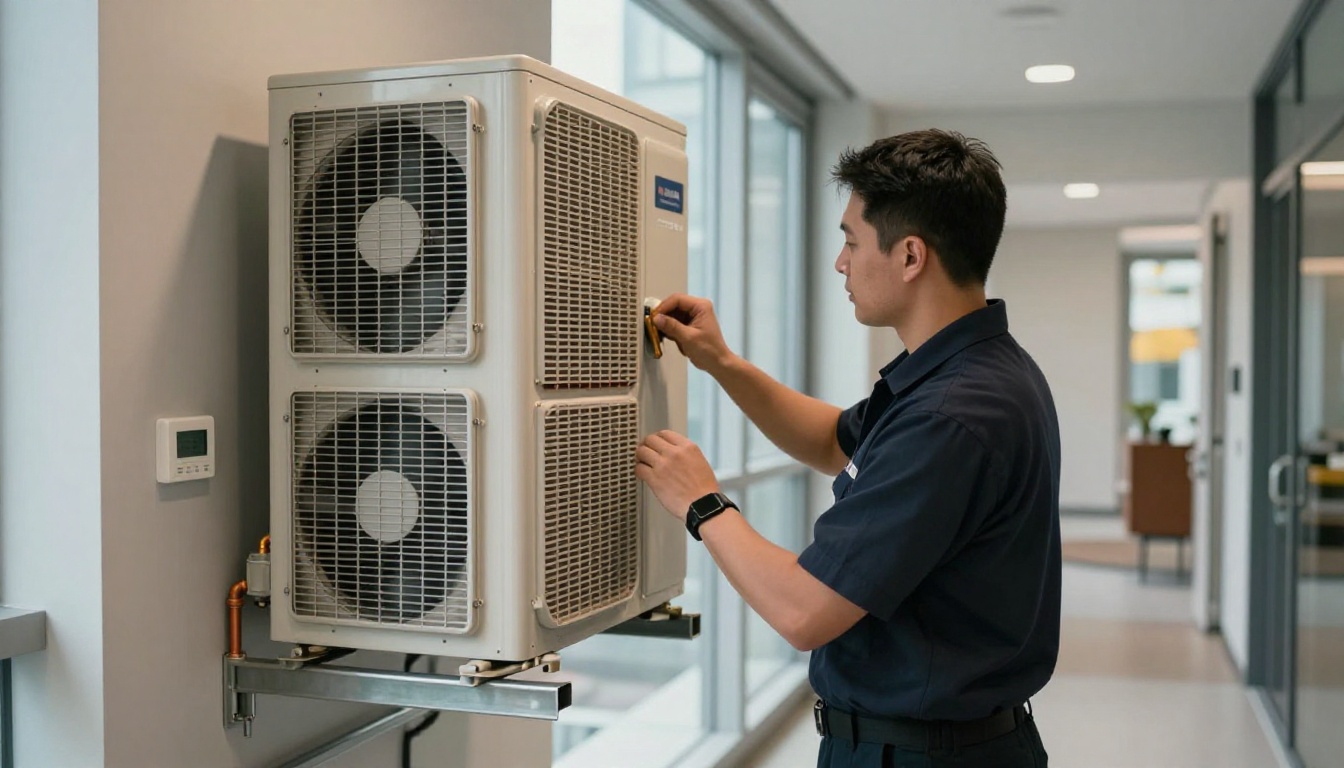
When a simple suite repair is not enough
A condo board should start thinking “systemic issue” when complaints form a pattern.
Red flags that suggest a building-wide problem
- Multiple no-heat calls on the same riser or stack
- Repeated overheating complaints in one vertical line of units
- Cold corridor drafts on lower floors during windy days
- Upper-floor suites that are consistently stuffy or over-dry in winter
- Frequent actuator failures in the same area of the building
- Units responding poorly right after seasonal changeover
At that point, the right next step is not just another suite call. It may be a review of balancing, riser performance, controls, or central equipment. Hudson handles everything from emergency HVAC repair to long-term project planning for boards that need to move from reactive repairs to a capital strategy.
For Toronto-specific support, location pages such as condo HVAC repair Toronto, condo HVAC repair North York, and condo HVAC repair Mississauga can help residents and managers identify the right service path quickly.
What a professional service visit should actually include
One difference between average HVAC service and condo-specialized service is what gets checked beyond the obvious fault.
For a typical in-suite no-heat visit in a high-rise, a proper diagnostic should include:
- Thermostat call verification and setpoint response
- Actuator operation and valve stem movement check
- Supply/return water temperature assessment where accessible
- Blower motor amperage or performance check
- Filter and coil condition review
- Air temperature split measurement across the unit
- Pattern review: same stack, same floor band, same exposure?
A straightforward in-suite diagnosis usually takes 45 to 90 minutes. If parts are on hand, many repairs can be completed on the same visit. More complex issues involving seized valves, inaccessible piping, or building-side controls can push the visit longer.
For building-level reviews, timelines vary more:
- Targeted fall heating readiness review: 1-2 days
- Representative suite sampling program: 1-3 days depending on access
- Building-wide fan coil maintenance program: 4-6 months for a 250- to 350-unit tower
- Fan coil replacement program: often 2-3 hours per suite, staged over months
- Riser or major hydronic retrofit: multi-month capital project with phased shutdowns
In Ontario, building-level work involving boilers and fuel-fired equipment may involve TSSA-regulated equipment, while electrical modifications can trigger ESA requirements. Boards should expect qualified contractors to understand those compliance boundaries rather than improvising in the field.
Cost ranges: what high-rise vs low-rise HVAC usually costs in Toronto
Here are realistic market ranges Hudson sees most often for condo work in Toronto and nearby GTA markets:
| Service | Typical Toronto Range |
|---|---|
| Fan coil maintenance per suite | $180-$320 |
| Heat pump maintenance per suite | $220-$380 |
| Thermostat replacement | $250-$550 |
| Actuator replacement | $350-$600 |
| 3-way valve replacement | $650-$1,050 |
| Blower motor repair/replacement | $450-$950 |
| Drain pan cleaning/repair | $250-$700 |
| Emergency after-hours suite call | $350-$900+ depending on scope |
High-rise buildings usually pay more overall for three reasons:
- Coordination time: security, elevator use, access control, resident scheduling
- System complexity: more diagnostic steps before the true cause is confirmed
- Project logistics: shutdowns and notifications affect many more residents
Capital work differences are even bigger. A low-rise may be able to defer major HVAC renewal longer because the consequences of imbalance are smaller. A high-rise often reaches a tipping point where repeated suite repairs no longer make financial sense, and projects like heat pump replacement, chiller retrofit, cooling tower replacement, or make-up air unit replacement become the smarter reserve-fund decision.
Repair or replace? A simple decision framework for condo boards
If your board is debating whether to keep repairing in-suite equipment or move toward a building program, use this framework.
Keep repairing when:
- Failure rates are still scattered, not clustered
- Most units are under 15-18 years old
- Parts are available without long lead times
- Comfort complaints are not concentrated by stack or floor
- Central plant performance is stable
Start planning replacement when:
- Fan coil or heat pump fleet age is 20+ years
- The same valve, motor, or control failures keep repeating
- Parts are obsolete or back-ordered for months
- Water leaks, mold, or drain pan corrosion are increasing
- The building is spending heavily on reactive service every season
One condo board in Toronto’s west end only moved forward on a retrofit after realizing they had replaced 27 actuators and 11 blower motors in one heating season. That sounds like a parts problem. It was really an aging asset problem.
FAQs
Why do high-rise condo HVAC systems fail differently than low-rise condo systems?
High-rise buildings deal with static pressure, stack effect, longer piping runs, and more complex control sequences than low-rise condos. In a 30- to 50-storey Toronto tower, a comfort complaint on the 42nd floor can be caused by an issue in a mechanical room many floors away, not just by the in-suite unit. Low-rise condos usually have shorter distribution runs and fewer pressure-management challenges, so diagnosis is often more localized and faster.
Are HVAC repair costs usually higher in high-rise buildings?
Often, yes. A simple in-suite repair like an actuator replacement may still fall in the $350-$600 range, but high-rise work often includes extra coordination, after-hours shutdowns, suite access logistics, and elevator transport time. Building-level issues such as riser balancing, make-up air deficiencies, or pump problems can affect dozens of units at once and push project costs into the thousands or, for capital work, hundreds of thousands.
What HVAC equipment is most common in Toronto high-rise condos versus low-rise condos?
In Toronto high-rises, the most common in-suite equipment is the vertical fan coil unit, often paired with central boilers, chillers, cooling towers, and make-up air units. Many low-rise condos and condo townhomes use smaller fan coils, water-source heat pumps, packaged heat pumps, or more decentralized systems. Buildings from the 80s and 90s in North York and Etobicoke frequently use 2-pipe fan coil systems, while newer towers are more likely to have 4-pipe arrangements or advanced DDC controls.
How does stack effect impact comfort in tall condo buildings during winter?
Stack effect is one of the biggest winter issues in tall Toronto buildings: warm air rises, creating negative pressure at lower floors and positive pressure at upper floors. That is why residents on lower levels may complain about cold drafts near corridor doors while upper floors can feel overly dry or stuffy. In our experience, buildings above roughly 20 storeys need tighter control of corridor pressurization, make-up air temperature, and door seals to avoid chronic comfort problems.
What should condo boards do in the fall to prepare a high-rise HVAC system for winter?
Start before the first sustained cold snap, ideally in September or October, by testing boilers, heat exchangers, pumps, freeze stats, actuators, and suite-level heating response. Hudson typically recommends sampling a representative group of suites across low, mid, and high floors because problems rarely show up evenly throughout the stack. Boards should also schedule fan coil maintenance, clean dryer vents where applicable, verify make-up air performance, and review any unresolved comfort complaints from the previous winter.
When does a condo HVAC issue point to a building-wide problem instead of just one suite?
If multiple units on the same line, stack, or exposure report the same symptom, such as no heat, overheating, or weak airflow, the issue is often upstream. Patterns matter: if east-facing units in a Mississauga tower are cold on windy mornings, that may indicate pressure imbalance or make-up air issues rather than multiple failed thermostats. A skilled technician should always look for clustering by floor, riser, orientation, and time of day before treating it as a one-off repair.
Next steps before winter arrives
If your building has been treating every comfort complaint as a separate suite issue, fall is the time to step back and look at the whole system. The difference between a high-rise and a low-rise is not just size; it is how pressure, distribution, controls, and access all combine to create problems that can either stay small or spread quickly.
If your fan coil has not been serviced in over a year, or if your building saw repeated heating complaints last winter, book service before the next cold snap. Hudson provides condo-focused fan coil repair and replacement, heat pump repair and replacement, preventive maintenance, and building-wide planning for Toronto towers and GTA condominiums.
For more condo-specific guidance, visit the Hudson HVAC blog or schedule an assessment through the contact page.
Contact Hudson
- Contact Us
- Phone: +1 (437) 448-0640
- Email: service@hudsonhvac.ca