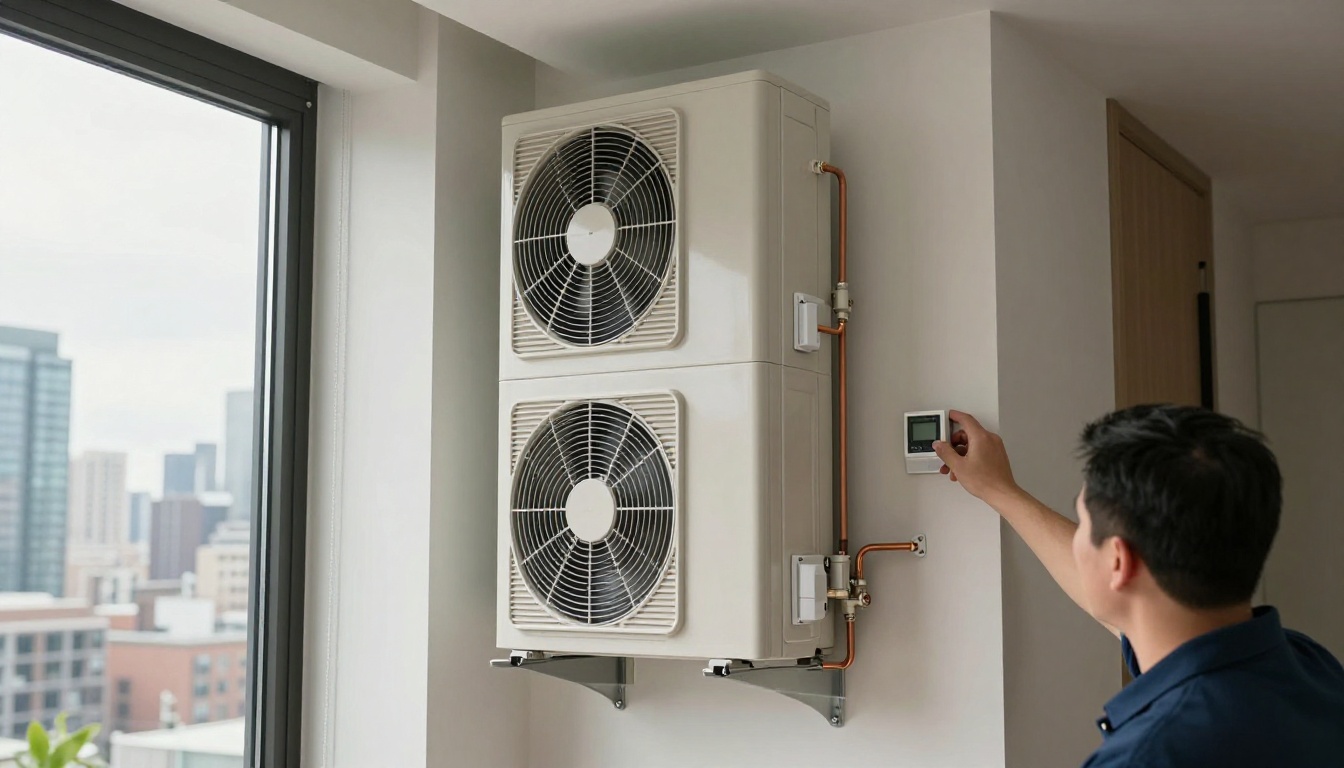
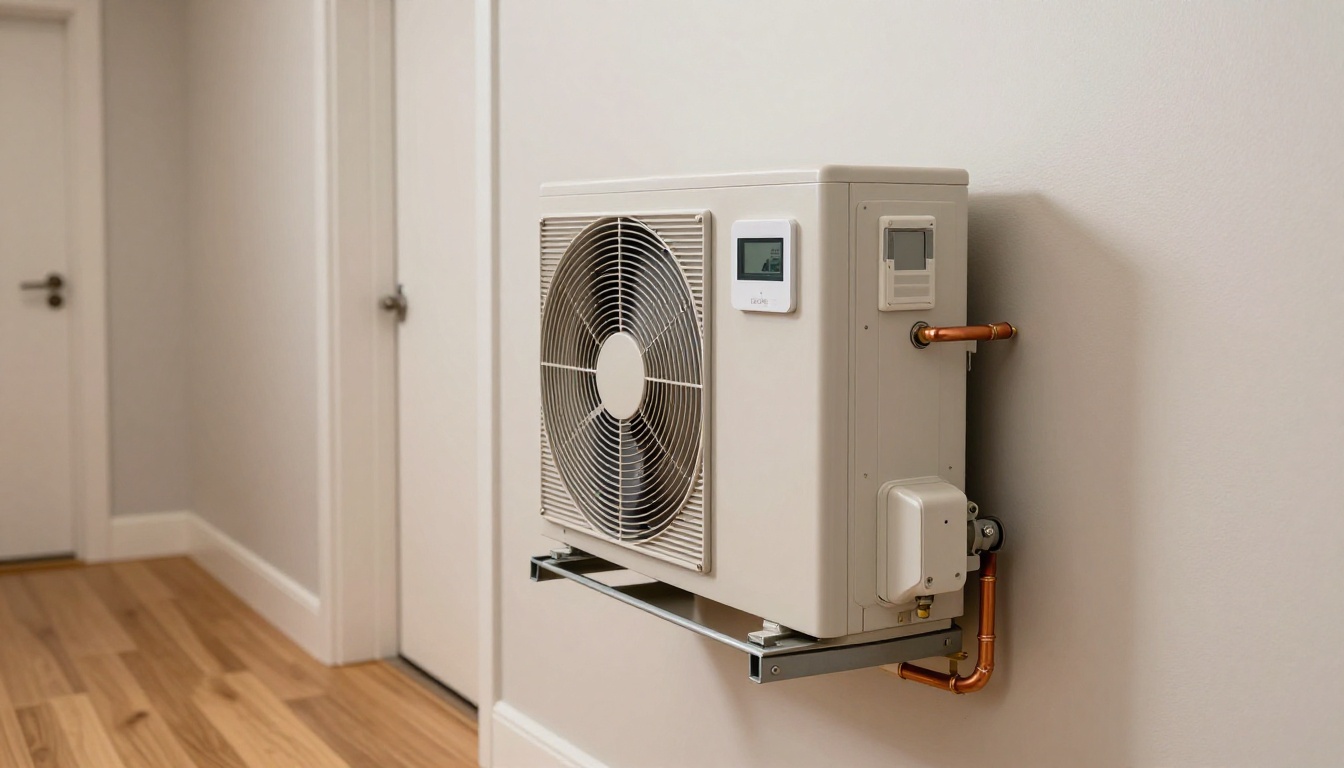
How Occupancy Sensors Enhance Condo HVAC Efficiency in Toronto
Discover how occupancy sensors can optimize HVAC energy savings in Toronto condos, especially during summer heat waves.
- Hudson HVAC
- 4 min read
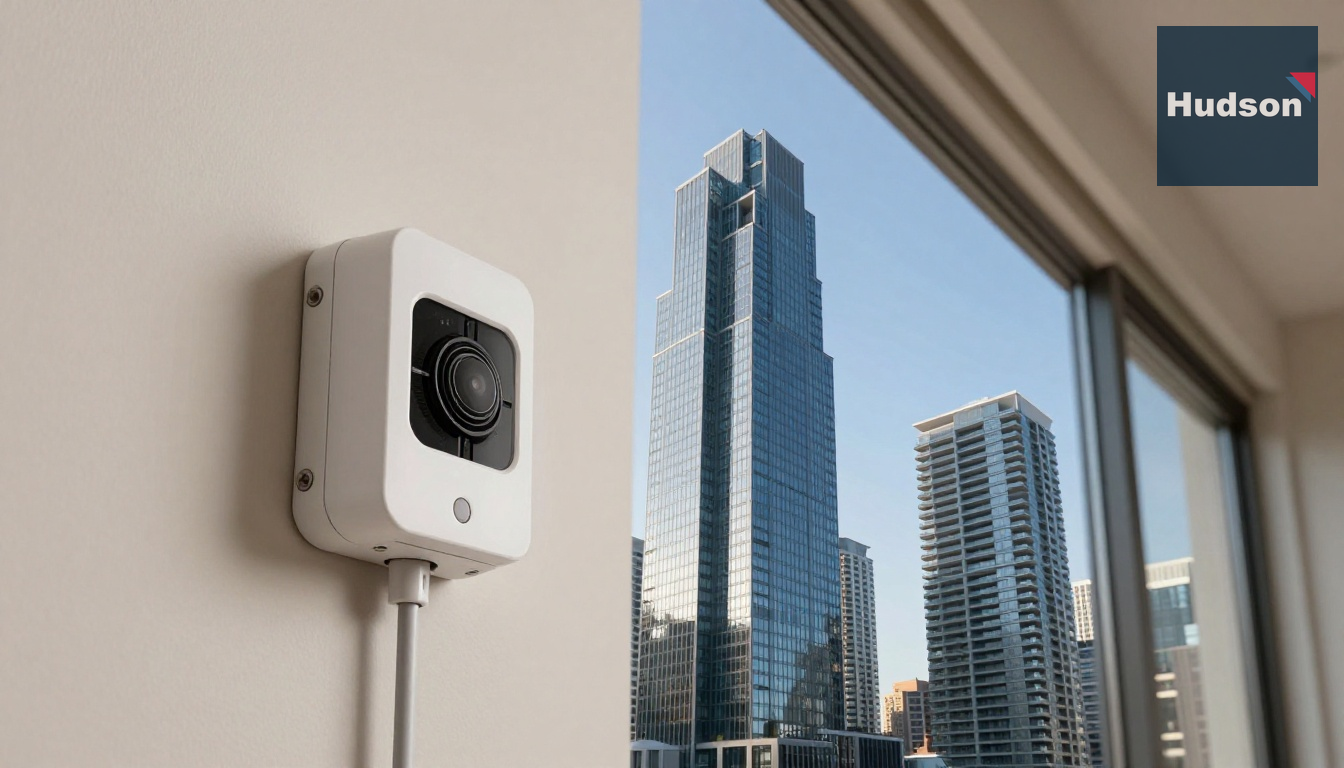
How Occupancy Sensors Enhance Condo HVAC Efficiency in Toronto
Quick summary: Occupancy sensors can significantly boost energy efficiency in Toronto condos by optimizing HVAC usage. These smart devices detect when spaces are unoccupied, ensuring your system only operates when necessary, especially during the city’s hot, humid summers.
What’s Going On: Understanding the Role of Occupancy Sensors
Toronto’s condos, especially during summer, face the challenge of maintaining comfortable temperatures without skyrocketing energy bills. Occupancy sensors offer an intelligent solution by monitoring room occupancy and adjusting HVAC settings accordingly. These sensors ensure that air conditioning is only active when needed, reducing unnecessary energy consumption.
Why This Happens: The Mechanics Behind Occupancy Sensors
Occupancy sensors typically rely on passive infrared (PIR) technology to detect body heat and movement. More advanced sensors might use ultrasonic or microwave technology for improved sensitivity. When these sensors detect that a room is unoccupied, they signal the HVAC system to reduce or stop cooling, thus conserving energy. In our experience servicing condos along Toronto’s waterfront, integrating occupancy sensors with HVAC systems has shown to enhance energy efficiency by 10-30%.
What You Can Do Right Now: DIY Steps to Enhance Efficiency
- Evaluate Your Current System: Check if your existing thermostat is compatible with occupancy sensors. Most modern systems, like the Carrier 42 Series or DaikinDERA, allow for integration.
- Choose the Right Sensor: Select sensors that suit your condo layout. Consider factors like room size and typical occupancy patterns.
- Installation: While DIY installation is possible, it requires technical expertise. Locate the sensor at least 6 feet high on a wall, ensuring it has a clear view of the room.
For those unsure about installation, contact Hudson for professional assistance.
When to Call a Professional
If your HVAC system is over 10 years old or you are unsure about sensor compatibility, it’s advisable to consult a professional. Signs that you need help include difficulty in maintaining room temperature, inconsistent sensor readings, or a significant increase in energy bills despite low occupancy.
What to Expect from a Service Visit
A typical service visit for sensor installation involves:
- Initial Assessment: Evaluating your current system setup.
- Sensor Selection: Recommending suitable sensors based on your condo’s specifications.
- Installation: Expert installation and calibration to ensure optimal performance.
- Testing: Running system checks to confirm efficiency improvements.
Expect the entire process to take about 2-4 hours per unit.
Cost Factors with Real Ranges
The cost of integrating occupancy sensors in a Toronto condo can vary. Basic sensor models start around $100 per unit, while advanced models can go up to $300. Installation and integration services from professionals like Hudson HVAC typically range from $150 to $400, depending on system complexity.
FAQs
What are occupancy sensors used for in condos?
Occupancy sensors are used to detect the presence of people in a room and adjust HVAC systems accordingly, ensuring that heating or cooling is only active when needed. This helps reduce energy consumption, especially in condos where residents may frequently be away.
How much can occupancy sensors save on HVAC costs?
In Toronto condos, occupancy sensors can reduce HVAC energy consumption by 10-30%, depending on usage patterns and system efficiency. This translates to potential savings of $100-$300 annually per unit.
Are occupancy sensors compatible with all HVAC systems?
Most modern HVAC systems can be integrated with occupancy sensors. However, it’s important to verify compatibility with your specific system, such as fan coils or heat pumps, and consult with professionals like Hudson HVAC for seamless integration.
How do occupancy sensors detect presence?
Occupancy sensors use infrared technology to detect body heat and motion within a room. Some advanced models also incorporate ultrasonic or microwave sensors for improved accuracy, ensuring efficient HVAC operation.
Can occupancy sensors be installed in existing condos?
Yes, occupancy sensors can be retrofitted in existing condos. The installation process typically involves integrating the sensors with your current HVAC control system, which professionals like Hudson HVAC can complete efficiently.
Next Steps
If you’re considering upgrading your condo’s HVAC efficiency with occupancy sensors, schedule a consultation with Hudson HVAC. Our team offers expert advice and installation services tailored to Toronto’s unique condo environments. Don’t wait for the next heat wave to realize the benefits of efficient energy management.
Contact Hudson
- Contact Us
- Phone: +1 (437) 448-0640
- Email: service@hudsonhvac.ca