HVAC Chargebacks in Toronto Condos: Who Pays for What?
Learn how HVAC chargebacks work in Toronto condos, who is responsible for repairs, and essential maintenance tips for spring.
- Hudson HVAC
- 5 min read
HVAC Chargebacks in Toronto Condos: Who Pays for What?
Quick summary: In Toronto condominiums, determining who pays for HVAC repairs can be complex. This guide explains how HVAC chargebacks work, which parties are typically responsible for costs, and offers spring maintenance tips to avoid unexpected charges.
Understanding HVAC Chargebacks
In Toronto’s bustling condo market, the distinction between who pays for what when it comes to HVAC systems can be a frequent source of confusion and conflict. A chargeback occurs when the condo corporation invoices a unit owner for a repair or maintenance job that falls under their responsibility. This typically pertains to in-suite equipment like fan coils or heat pumps, which primarily serve the individual unit rather than the entire building.
Common Causes of Chargebacks
Chargebacks often stem from misunderstandings about responsibility or from neglecting regular maintenance. For instance, a common scenario we encounter in older North York high-rises involves clogged fan coil drain lines that lead to water damage. If the clog is due to a lack of routine maintenance—such as failing to clear the drain pan regularly—the cost might rightfully be charged back to the unit owner.
Technical Details:
- Fan Coil Units: Common in buildings from the 80s and 90s. Typically, these require regular filter changes and bi-annual maintenance to avoid clogs and leaks.
- Heat Pumps: Often found in newer buildings. Issues like refrigerant leaks or coil freezes can lead to chargebacks if not addressed promptly.
What You Can Do Right Now
To minimize the risk of chargebacks, spring is an ideal time to conduct thorough maintenance checks. Here are specific steps you can take:
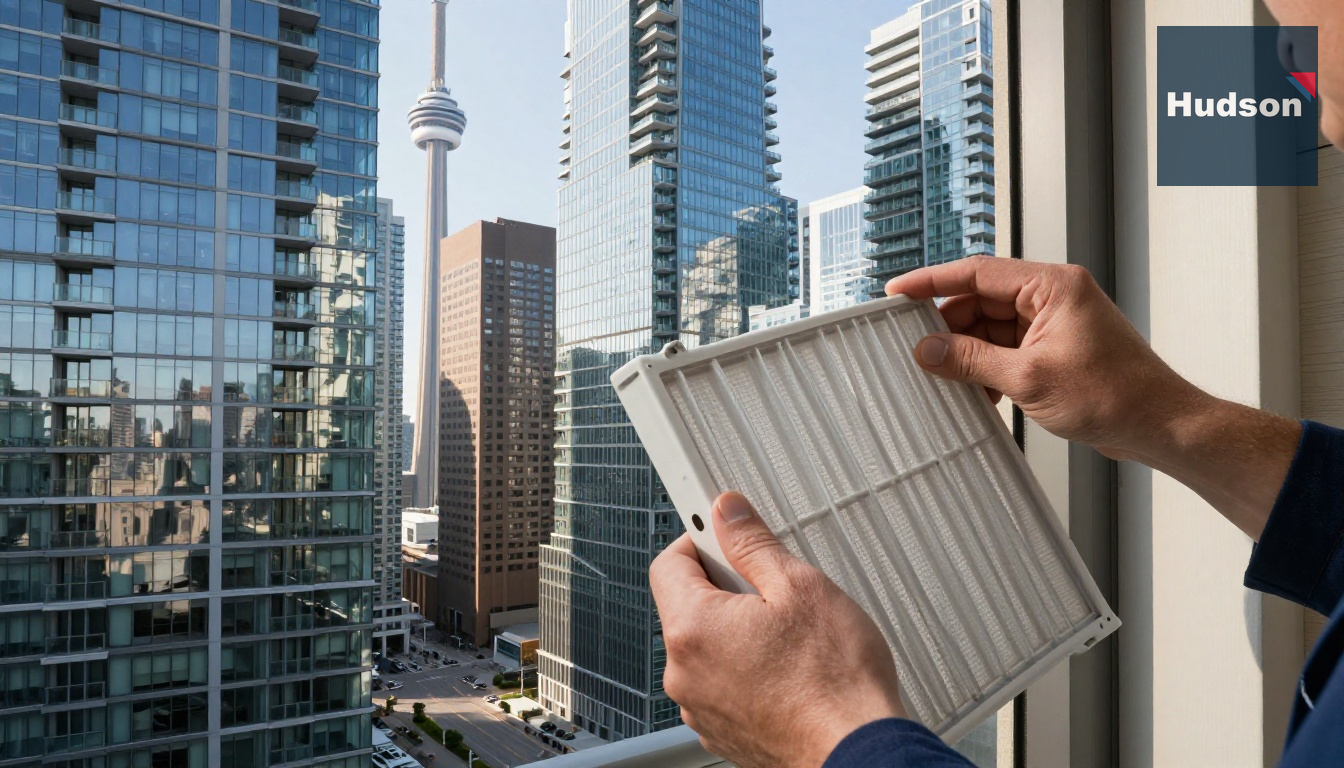
- Inspect Your Fan Coil: Locate the 1-inch or 2-inch pleated filter behind the lower access panel of your fan coil. Slide it out and hold it up to light—if you can’t see through it, it needs replacing.
- Check for Mold: Winter moisture can lead to mold growth inside HVAC units. Check the drain pan and coil for any signs of mold. If you find any, consider professional mold remediation.
- Schedule a Tune-Up: Book a comprehensive in-suite maintenance to ensure all components are in working order for the cooling season.
When to Call a Professional
While some maintenance tasks can be DIY, certain signs indicate the need for professional intervention:
- Persistent water leaks from your fan coil, indicating possible drain pan or pipe issues.
- A high-pitched whining from the blower motor, suggesting worn bearings.
- Insufficient cooling despite the thermostat setting, potentially pointing to refrigerant issues.
What to Expect from a Service Visit
During a professional service visit, technicians will conduct a range of tasks to ensure your system is ready for the spring transition:
- Inspection and Cleaning: Cleaning of coils, filters, and pans to prevent mold and ensure efficient operation.
- Testing and Calibration: Checking the thermostat and controls for proper function.
- Component Checks: Ensuring all components, such as actuators and valves, are operational.
Typical Timeline and Process:
A standard service visit for a single fan coil unit takes approximately 1-2 hours. Building-wide programs can be more extensive, potentially spanning several weeks, depending on the number of units and complexity.
Cost Factors and Realistic Ranges
Understanding the potential costs involved in HVAC maintenance or repair is crucial for budgeting:
- Fan Coil Actuator Replacement: Costs range from $350-$600 including parts and labour.
- Thermostat Replacement: Typically between $150-$300 depending on the model and features.
- Spring Tune-Up: Expect to pay around $100-$250 per unit for a thorough check-up.
FAQs
What is an HVAC chargeback in a condo?
An HVAC chargeback is when a condo corporation bills a unit owner for HVAC repairs or maintenance that are deemed their responsibility. This can occur when the issue originates from components that serve only the individual unit rather than the entire building.
Who typically pays for HVAC repairs in a condo?
In Toronto condos, common area HVAC systems are usually the responsibility of the condo corporation, while in-suite systems are typically the unit owner’s responsibility. However, this can vary depending on the condo’s declaration and bylaws.
Can a condo board charge back costs to a unit owner?
Yes, if the repairs are due to negligence or when the issue stems from components exclusive to the unit, the condo board can charge back costs to the owner. It’s essential to review the condo’s governing documents to understand specific responsibilities.
What steps can condo owners take to avoid HVAC chargebacks?
Regular maintenance such as annual fan coil inspection, changing filters, and ensuring drain pans are clear can help prevent issues that lead to chargebacks. Owners should also keep records of all maintenance work to support their case in disputes.
How does seasonal maintenance impact chargebacks?
Seasonal maintenance helps ensure optimal HVAC performance and can prevent issues that might result in chargebacks. For example, a spring tune-up can address issues like mold growth from condensation, which might otherwise lead to damage and charges.
Next Steps: Preventative Measures
Taking proactive steps now can save you from unexpected charges later. Consider setting up a regular maintenance schedule with a professional service provider like Hudson HVAC. We offer comprehensive maintenance contracts tailored to the unique needs of Toronto condos, ensuring your system is always in top condition.
Contact Hudson
If your HVAC system hasn’t been serviced recently or you’re concerned about potential chargebacks, contact Hudson for a free assessment. We offer 24/7 emergency services and are ready to assist you.
- Phone: +1 (437) 448-0640
- Email: service@hudsonhvac.ca