
HVAC Contactor Guide for Toronto Condo Heat Pumps
Discover everything about heat pump contactors in Toronto condos: function, signs of failure, and replacement tips.
- Hudson HVAC
- 4 min read
HVAC Contactor Guide for Toronto Condo Heat Pumps
Quick summary: A contactor, often referred to as an HVAC relay, is an essential electrical component in a heat pump system, responsible for turning the compressor or blower on and off. This guide provides detailed insights for Toronto condo residents on how to identify, test, and decide on replacing contactors.
What Is a Contactor?
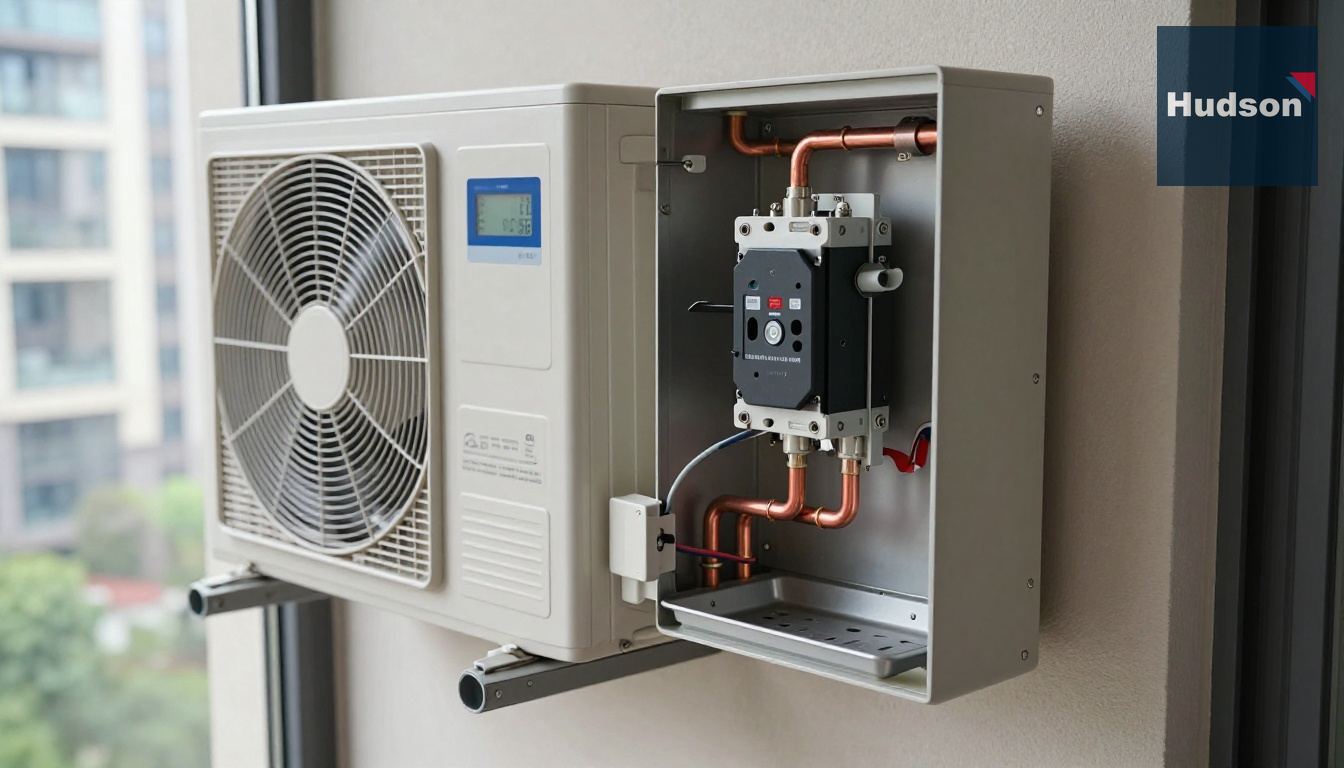
A contactor is essentially an electrical switch that controls power to the critical components of your heat pump, such as the compressor or blower motor. Think of it as a traffic officer for electricity, ensuring that the right amount of power gets to your system’s vital parts only when needed. Located inside the heat pump unit, usually in the electrical compartment, it plays a pivotal role in the heating and cooling cycle by managing the system’s operational commands.
What Does It Look Like?
Physically, a contactor is a small rectangular box, often black or gray, with metal contacts and a coil. It’s usually about the size of a deck of cards. You will find it mounted within the electrical section of the heat pump, with wires connected to it from both the power source and the components it controls.
How Does It Work?
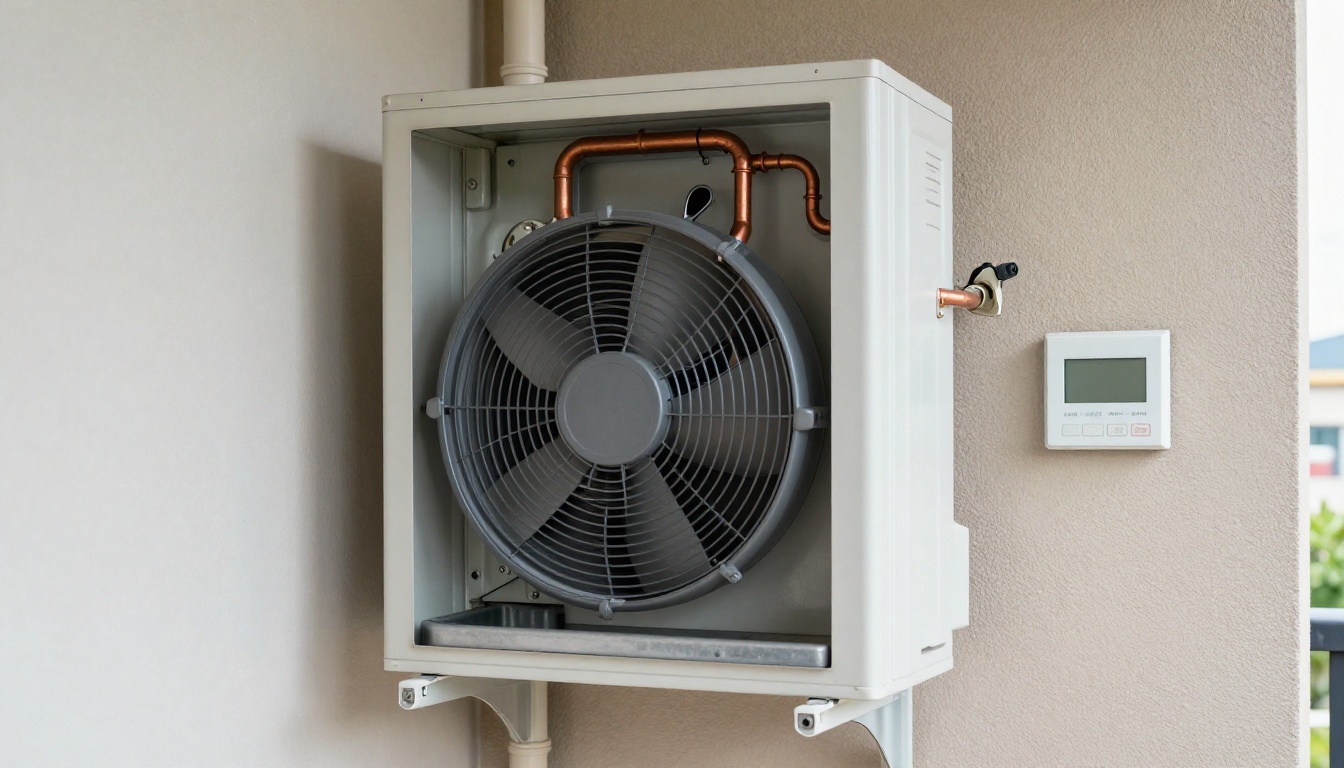
The contactor operates by using a low-voltage control signal (typically from the thermostat) to energize a coil within the contactor. This energization creates a magnetic field, pulling down a set of contacts that close the circuit, allowing high-voltage electricity to flow to the compressor or blower motor. When the thermostat no longer calls for heating or cooling, the coil de-energizes, the contacts open, and the high-voltage power is cut off, halting the operation of the connected components.
Signs It Might Be Failing
Here are specific symptoms indicating that your contactor might be on its last legs:
- The heat pump won’t start: If your system doesn’t turn on at all, the contactor could be burned out.
- Humming noise: A telltale sign of a failing contactor is a continuous low hum even when the system is off.
- Chattering or clicking sounds: An erratic or frequent clicking noise often indicates the contactor is struggling to engage.
- Burnt marks or smell: Visual signs of burning on the contactor or a burnt smell can signal electrical failure.
- Intermittent operation: The system turns on and off erratically, suggesting poor contact within the relay.
Can You Test It Yourself?
While it’s best to leave electrical diagnostics to professionals, here are some safe checks:
- Visual Inspection: Look for burnt marks or melted wires around the contactor.
- Listen for Noises: Pay attention to unusual humming or clicking coming from the heat pump.
- Thermostat Response: Ensure the thermostat is calling for heating or cooling; if the system is unresponsive, the contactor may be at fault.
Do Not Attempt: Avoid touching any wires or terminals without appropriate electrical knowledge and tools.
When to Replace vs Repair
Typical Lifespan and Cost: Contactors in Toronto condos usually last between 5-10 years, depending on system usage and environmental conditions. Replacement costs range from $200-$350, including parts and labor.
General Guidance: If your contactor is nearing the end of its lifespan, replacement is advisable. Persistent mechanical issues, visible damage, or consistent failure to engage are strong indicators for replacement rather than repair.
How Hudson Handles This Repair
When Hudson HVAC handles a contactor replacement, you can expect a professional evaluation and installation process. Typically, a technician will:
- Diagnose the Issue: Perform a thorough system check to confirm the contactor is faulty.
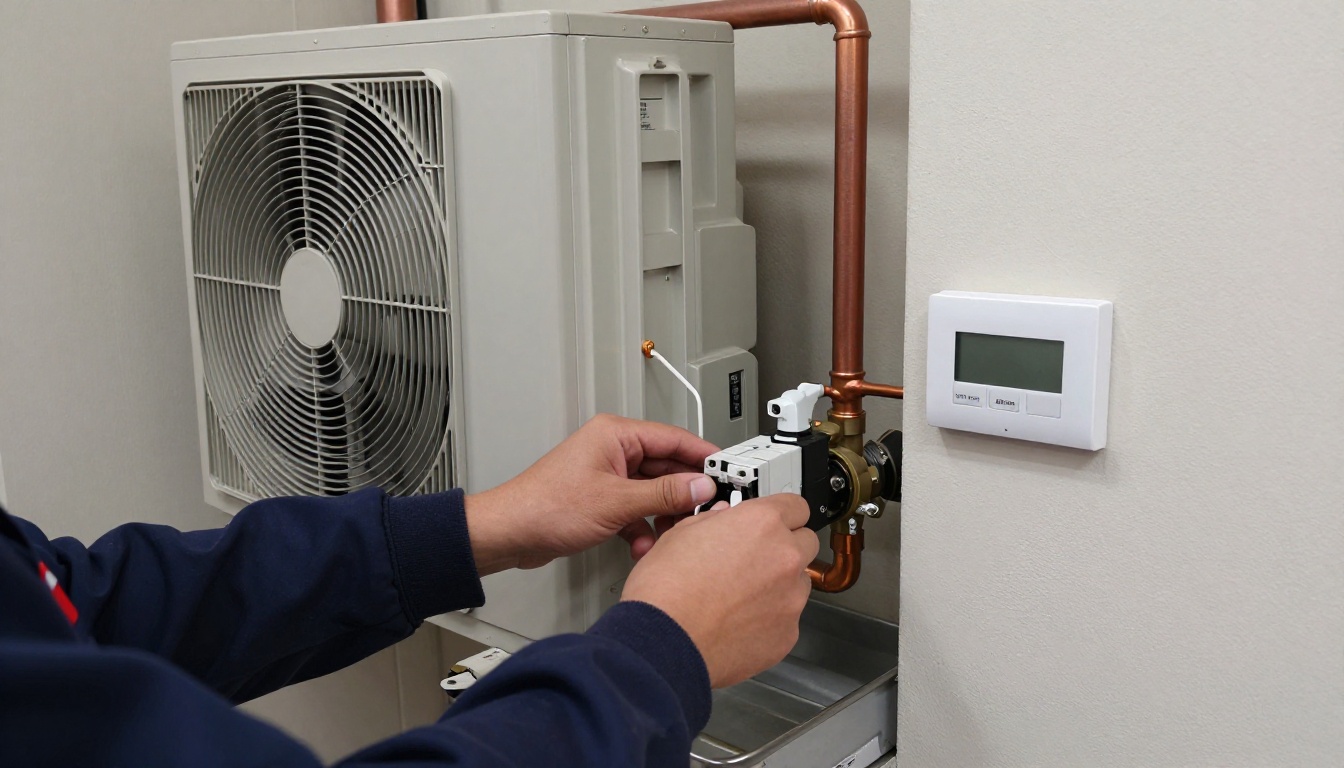
- Replace the Component: Properly disconnect and safely remove the old contactor, installing a new one.
- Test the System: Ensure everything is operational and perform a final safety check.
This process usually takes about 1-2 hours, depending on the complexity of the installation and accessibility of the unit.
FAQs
What is the function of a contactor in a heat pump?
A contactor functions as an electrical switch that controls the power to the compressor or blower motor in your heat pump, allowing it to turn on or off as needed.
How can I identify a failing contactor?
Signs of a failing contactor include the heat pump not starting, a humming or chattering noise, or visible signs of burning or wear on the contactor itself.
What is the typical lifespan of a contactor in a Toronto condo heat pump?
In a Toronto condo heat pump, contactors generally last around 5-10 years, depending on usage and maintenance.
How much does it cost to replace a contactor in Toronto?
Replacing a contactor in a Toronto condo heat pump typically costs between $200-$350, including parts and labor.
Can I replace a contactor myself?
Replacing a contactor involves handling electrical components, making it a task best left to qualified HVAC professionals to ensure safety and proper installation.
Call to Action
If your heat pump isn’t starting or you’ve noticed signs of a failing contactor, don’t wait for the system to break down completely. Contact Hudson for a same-day diagnostic and ensure your condo stays comfortable as Toronto transitions into cooling season.
Contact Hudson
- Contact Us
- Phone: +1 (437) 448-0640
- Email: service@hudsonhvac.ca