
HVAC Mold Remediation in Richmond Hill Condos
Need HVAC mold remediation in Richmond Hill? Learn causes, costs, condo-specific fixes, and when to call Hudson for fast in-suite service.
- Hudson HVAC
- 15 min read
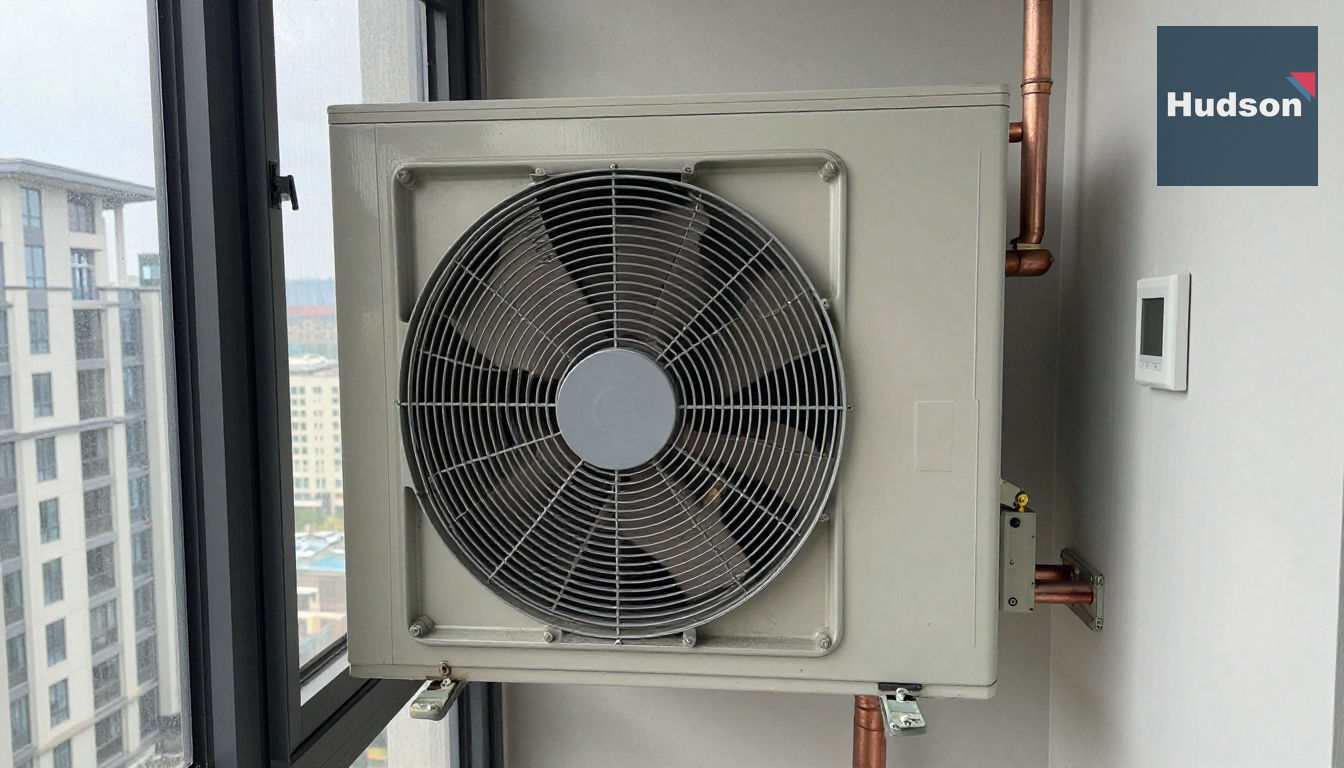
HVAC Mold Remediation for Richmond Hill Condo Residents
Quick summary: If you need HVAC mold remediation in Richmond Hill, the real issue is usually not just the mold itself. In condo suites across Richmond Hill, mold typically starts because of hidden moisture in fan coils, heat pumps, drain pans, or poorly maintained in-suite ventilation equipment, and if the moisture source is not fixed, the smell and growth come back.
Richmond Hill condo residents deal with a different HVAC reality than detached homeowners. The equipment is compact, tucked into closets or hallway cabinets, tied into building rules, and often ignored until the suite starts smelling musty right when fall heating season begins. At Hudson HVAC, we have worked in condo towers near Yonge Street and Highway 7, buildings around Langstaff, newer developments near Richmond Hill Centre, and mid-rises closer to Bayview Avenue, Major Mackenzie Drive, and Elgin Mills. The patterns are consistent, but the causes are not always obvious.
Why HVAC mold is such a common condo problem in Richmond Hill
Richmond Hill has a condo mix that makes hvac mold remediation more common than many residents expect. Newer high-rises near High Tech Road, Bantry Avenue, and the transit-oriented corridor around Yonge and 16th often use in-suite fan coil units or water-source heat pumps with tight mechanical closets. Older mid-rises in Richmond Hill may have aging drain pans, original insulation liners, and blower assemblies that have not been properly cleaned in years. Both setups can develop mold, but for different reasons.
In summer, humidity builds around cold coils and drain pans. By fall, when Richmond Hill buildings begin preparing for heating season, the first few weeks of warm air often make hidden biological growth suddenly noticeable. Residents tell us, “It smells like wet cardboard,” or “The air feels stale every time the fan turns on.” That is often a clue that the mold is not in the room itself but inside the suite equipment.
A big condo-specific issue in Richmond Hill is that residents sometimes assume building management handles everything. In reality, many buildings split responsibilities: the corporation may maintain risers, central pumps, or common-area ventilation, while the owner is responsible for the in-suite fan coil, thermostat, ERV, drain pan, and blower compartment. That grey area delays action, and delayed action is exactly how a small moisture issue becomes a remediation job.
If you are trying to figure out whether your issue needs condo HVAC repair in Richmond Hill or deeper mold work, the answer usually comes down to one question: is there active moisture, or just old contamination? In the field, it is often both.
What actually causes mold inside Richmond Hill condo HVAC systems
1. Dirty drain pans and slow condensate drainage
This is the number one cause we see in Richmond Hill condos. During cooling season, the evaporator coil removes moisture from the air, and that water drains into a pan. If the pan slopes poorly, has biofilm buildup, or the drain line is partially clogged, water sits longer than it should. Once organic dust mixes with moisture, mold growth starts.
In many Richmond Hill buildings constructed during condo booms of the 2000s and 2010s, the original drain pans are still in service. We often find corrosion, slime buildup, or microbial growth around the pan corners and outlet fitting. If the pan is cracked or rusted through, remediation alone is not enough. The pan may need service or replacement through drain pan cleaning and repair.
2. Blower wheels packed with dust and moisture
A blower wheel can hold a surprising amount of debris. In Richmond Hill, we often see suites where the resident is tidy, but the internal blower has a thick film of dust because the cabinet has not been opened in years. When that dust gets damp, it becomes a breeding surface. A contaminated blower does more than smell bad; it reduces airflow, which lowers coil performance and causes longer runtimes.
This is one of those technical details most blogs skip: once blower wheel buildup gets heavy enough, airflow can drop by 15% to 30% in some condo units. That reduced airflow can make the coil colder in summer, increasing condensation and making mold worse. If the motor is also noisy or overheating, we may recommend blower motor repair along with remediation.
3. Wet internal insulation
Some condo fan coils and heat pumps in Richmond Hill include insulation inside the cabinet or around access sections. If that insulation gets wet repeatedly, surface cleaning is not a permanent solution. Porous insulation can hold contamination deep inside the material. In those cases, proper HVAC mold remediation may include removing and replacing contaminated insulation, not just spraying a cleaner and closing the panel.
This matters because shortcut cleaning is one of the biggest reasons residents call us a second time. If the odor disappears for a week and then returns when the fan starts, hidden wet insulation is often the culprit.
4. ERV neglect and stale air complaints
In tighter Richmond Hill condo buildings, especially newer towers with better envelope sealing, stale air complaints are sometimes tied to neglected energy recovery ventilators. If the ERV core, filters, or drain components are dirty, the suite can hold more moisture and odors than expected. We often recommend pairing mold work with ERV maintenance when ventilation performance is part of the problem.
5. Thermostat and valve issues that create odd cycling
This is a less obvious Richmond Hill condo issue. A failing thermostat, sticky actuator, or worn three-way valve can cause improper heating or cooling calls, short cycling, and inconsistent coil temperatures. That can lead to condensation patterns that do not drain normally. The resident thinks the problem is “just smell,” but the root cause is control-related. Hudson regularly finds mold problems tied to mechanical faults that also require actuator replacement, three-way valve replacement, or thermostat installation and replacement.
What HVAC mold remediation should include in a Richmond Hill condo
Real remediation is more than wiping visible dust off a grille. In a condo suite in Richmond Hill, a proper service call should usually include:
- opening the cabinet and inspecting the coil, blower, drain pan, insulation, and controls
- checking for active leaks, standing water, or blocked drainage
- confirming whether the contamination is superficial or embedded in porous material
- cleaning accessible non-porous components with appropriate HVAC-safe methods
- clearing and testing the condensate path
- replacing contaminated insulation when necessary
- verifying airflow, temperature split, and fan operation after cleaning
- documenting any related repair needs
For residents comparing options, this is the difference between a $200 “spray treatment” and actual hvac mold remediation richmond hill condo owners can rely on. In our experience, the cheap treatment is what usually leads to a second invoice.
A lot of Richmond Hill residents also ask whether mold work requires building management approval. Sometimes yes, sometimes no. If the work is limited to in-suite cleaning and minor parts, approval is often straightforward. If there is evidence of building-side drainage issues, shared piping concerns, or repeated leaks affecting adjacent units, management needs to be involved early. Hudson is used to working with concierge teams, property managers, and access rules in condo buildings throughout Richmond Hill.
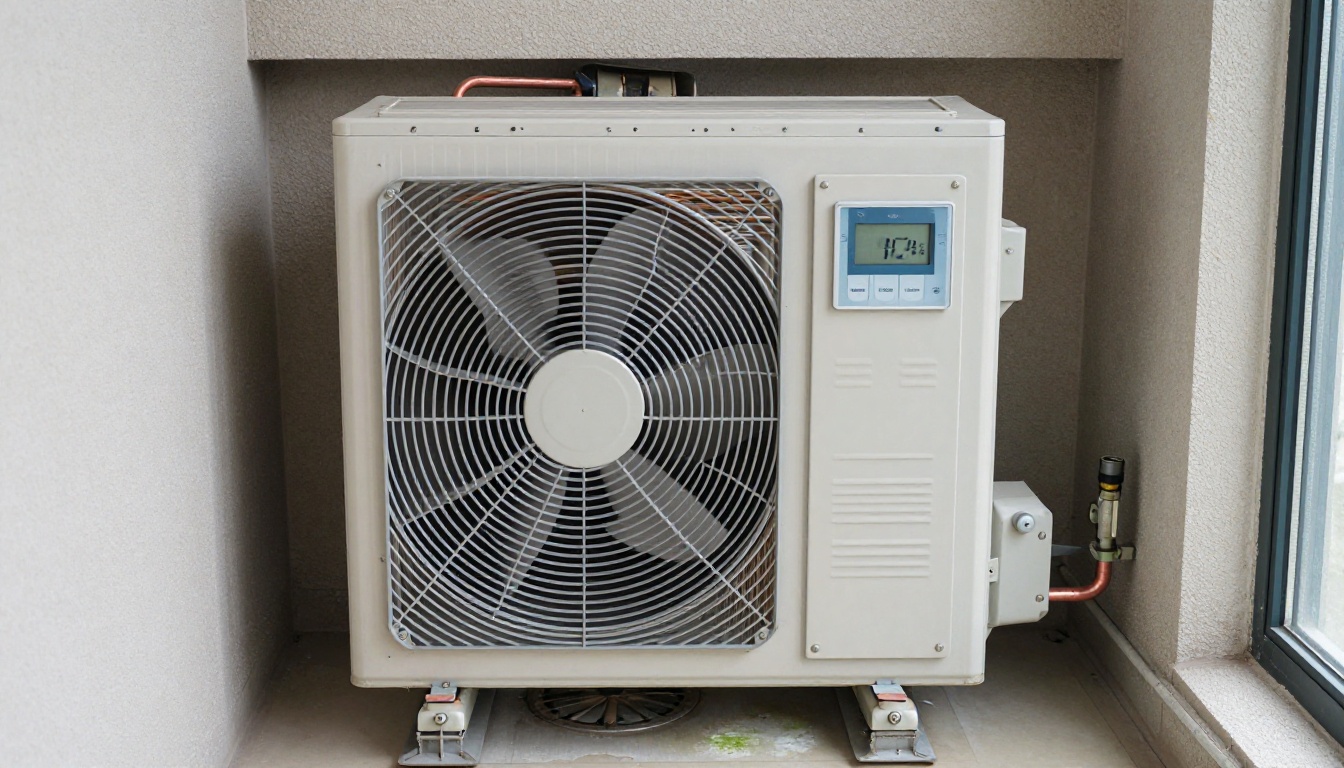
A recent Richmond Hill condo case: what the resident noticed and what we found
This is a fictionalized but realistic example based on the kind of work Hudson handles regularly in Richmond Hill.
In early October, we were called to a 19-storey condo near Yonge Street and Highway 7 in Richmond Hill, a newer tower with in-suite vertical fan coils. The resident on the 14th floor had been noticing a musty smell every morning when the system started, especially after the building shifted into shoulder-season operation. She had already cleaned the return grille and changed the small disposable filter, but the smell kept coming back.
The suite itself looked clean. No visible mold on walls, no obvious plumbing leak, and indoor humidity was not extreme. But when we opened the fan coil cabinet, the source became clear within minutes.
What Hudson found
The 9-year-old vertical fan coil unit had three issues happening at once:
- Heavy biofilm and dark growth in the drain pan near the outlet fitting
- Blower wheel contamination that had reduced airflow enough to keep the coil wetter longer than normal
- A partially restricted condensate line that was draining slowly, but not enough to trigger an obvious overflow
There was also damp insulation on one side of the lower cabinet panel. This is exactly the kind of Richmond Hill condo problem that gets missed during basic seasonal service because the system still technically runs.
How we fixed it
We isolated power, removed access panels, inspected the control section, and documented the moisture pattern. The remediation and repair process included:
- removing buildup from the drain pan and treating accessible non-porous surfaces
- clearing and flushing the condensate line
- pulling and cleaning the blower assembly
- replacing a small section of contaminated internal insulation
- checking fan motor amperage and confirming the motor was still serviceable
- verifying proper drainage with a water test
- confirming post-cleaning airflow and temperature performance
Total time on site was just under 3.5 hours. Because the motor was still good and the pan did not need replacement, the resident avoided a larger repair bill. Her total invoice landed in the $980 to $1,250 range, depending on final disposal and materials. If the blower motor had failed or the drain pan had been cracked, that job could have moved into the $1,600 to $2,300 range.
Why this Richmond Hill case matters
The resident originally thought she needed an air freshener problem solved. What she actually needed was a moisture-management problem corrected before winter. Once heating season starts in Richmond Hill, a contaminated fan coil can keep circulating odor through a closed-up suite for months, especially when windows stay shut. That is why fall is the right time to deal with it.
If your unit smells musty and you are unsure whether it is mold, a blocked drain, or a mechanical issue, start with Richmond Hill HVAC services that understand condo equipment rather than general house furnaces.
Original field insights Richmond Hill residents should know before winter
Condo mold problems often show up after cooling season, not during it
This surprises people. In Richmond Hill, we do a lot of mold-related inspections in October and November, not just in humid summer months. The reason is simple: summer creates the moisture, but fall reveals the odor when systems change operating patterns and suites are less ventilated.
The age of the building changes the likely root cause
In newer Richmond Hill condo towers, we more often find installation-related drainage issues, light maintenance neglect, or oversized runtime assumptions. In older mid-rises, we see more corrosion, aging insulation, and worn control components. The remediation approach is not identical. A 5- to 10-year-old suite unit may need cleaning and drain correction; a 15- to 20-year-old unit may need cleaning plus part replacement or planning for fan coil repair and replacement.
Ontario condo residents should care about electrical and code-safe access
Opening an in-suite HVAC cabinet is not just housekeeping. You are often dealing with line voltage, condensate safety devices, control boards, and sharp metal enclosures. If replacement wiring or controls are disturbed during DIY work, ESA-compliant electrical practices matter. Also, if mold is tied to chronic water damage crossing from common elements into suites, the condo corporation may need to assess broader building conditions. That is another reason proper documentation matters.
Dryer vents can make winter air quality feel worse than it is
This is especially relevant in fall. Many Richmond Hill condo residents notice stale air and assume all of it is coming from the fan coil. But restricted dryer exhaust can add humidity, lint, and odor load inside the suite. Before winter, it is smart to pair HVAC service with dryer vent cleaning, particularly in buildings where laundry closets are tight and airflow is already limited.
What condo residents in Richmond Hill can do themselves
There are useful steps you can take before calling for professional help, but they should stay within safe condo-owner boundaries.
Check for these early warning signs
- Musty smell only when the HVAC fan starts
- Water staining or rust near the lower access panel
- Weak airflow from supply grilles
- More dust than usual around vents
- Allergy symptoms that improve when you leave the suite
- Gurgling or dripping sounds from the unit during or after cooling use
Safe DIY steps
- Inspect the return grille and filter if your unit has a resident-replaceable filter.
- Take photos of any staining or visible growth around the cabinet or grille.
- Run the fan and note when the smell appears: immediately, after 10 minutes, or only in heating/cooling mode.
- Check with property management whether recent seasonal changeovers or water shutdowns have affected the building.
- Book preventive maintenance before winter rather than waiting for a no-heat call in January.
For general suite care, Hudson offers in-suite maintenance as well as targeted fan coil maintenance and heat pump maintenance for condo residents in Richmond Hill.
What not to do
Do not spray household bleach deep into the cabinet. Do not remove electrical panels if you are unsure what they control. Do not assume a scented disinfectant solved the problem if the unit still has moisture. And do not ignore a recurring smell just because the suite still has heating or cooling. Mold problems in condo HVAC rarely stay “small” once winter occupancy and closed windows increase.
When to call Hudson HVAC
Call Hudson if any of the following are true:
- the smell returns every time the system starts
- there is visible growth inside or around the unit
- you have had more than one condensate issue in a season
- your unit has weak airflow, unusual noise, or intermittent heating
- building management has told you the issue appears to be in-suite equipment
- you want the problem solved before Richmond Hill winter really sets in
Hudson handles both the remediation side and the mechanical side, which matters because mold is often the symptom, not the whole repair. Depending on what we find, the fix may involve heat pump repair and replacement, emergency HVAC repair, or planning a larger upgrade such as a fan coil retrofit or heat pump replacement in older Richmond Hill buildings.
For condo boards and property managers in Richmond Hill dealing with repeated suite-level complaints, Hudson also supports larger building needs through mechanical services and mechanical comprehensive maintenance.
If you want to read more condo-specific guidance, Hudson’s blog covers common suite equipment issues we see across the GTA.
FAQs
How do I know if my condo in Richmond Hill has mold inside the HVAC system?
The most common signs are a damp or musty smell when the fan starts, black or grey spotting around supply grilles, repeated allergy symptoms indoors, and water staining near the fan coil or heat pump cabinet. In Richmond Hill condos, we often find mold starting in the drain pan, blower compartment, insulation liner, or inside flex connections where condensation sits too long. A proper diagnosis usually takes 45 to 90 minutes and should include opening the cabinet, checking the coil, pan, blower wheel, and condensate drain rather than just looking at the thermostat.
What does HVAC mold remediation usually cost in a Richmond Hill condo?
For a typical Richmond Hill condo, minor in-suite HVAC mold remediation often starts around $450 to $850 when the issue is limited to surface growth in the cabinet, drain pan, or accessible components. More involved work, such as blower removal, coil cleaning, insulation replacement, drain line clearing, and follow-up moisture correction, commonly falls in the $900 to $1,800 range. If the unit also needs parts like a blower motor, actuator, thermostat, or drain pan repair, total costs can exceed $2,000 depending on equipment type and accessibility.
Can condo residents clean HVAC mold themselves?
Residents can safely replace filters if their suite equipment uses one, keep supply and return grilles dust-free, and report leaks or condensation early, but full mold remediation inside a fan coil or heat pump cabinet is usually not a DIY job. In many Richmond Hill buildings, accessing internal components means removing panels, handling electrical connections, and avoiding damage to condensate sensors, control boards, and insulation. If mold is visible beyond the grille or the smell returns after surface cleaning, it is time for professional service.
Why does HVAC mold show up more often in condos during fall and winter preparation?
In fall, Richmond Hill condo systems often switch from cooling mode to heating, and that seasonal transition exposes moisture problems that built up over summer. We regularly see partially clogged drain pans, dirty blower wheels, and wet insulation that stayed unnoticed while the AC was running. Once heating starts, the system can spread odors through the suite, which is why October and November are ideal months for inspection, coil cleaning, and preventive maintenance before winter arrives.
Does Hudson provide emergency HVAC repair in Richmond Hill if mold is tied to a leak or heating problem?
Yes. If mold is connected to an active leak, no heat condition, failed blower motor, stuck valve, or a drain overflow, Hudson can diagnose both the mold source and the mechanical failure. In Richmond Hill condos, we often pair remediation with repairs such as drain pan service, actuator replacement, thermostat replacement, or fan coil repair so the mold does not return a few weeks later.
Don’t wait until the first real cold snap in Richmond Hill
Fall is the best time to fix mold and moisture issues inside condo HVAC equipment. Once Richmond Hill temperatures drop and windows stay closed, odors become stronger, indoor air feels heavier, and what was a manageable maintenance issue can turn into an urgent heating-season problem.
If your suite smells musty, your fan coil has had drainage problems, or you want a proper inspection before winter, book condo HVAC repair in Richmond Hill now. Early action is almost always cheaper than waiting for a January breakdown, and it is the best way to keep mold from coming back.
Contact Hudson
- Contact Us
- Phone: +1 (437) 448-0640
- Email: service@hudsonhvac.ca