HVAC Reserve Fund Planning for Toronto Condos: Budgeting Insights
Learn how to plan your condo's HVAC reserve fund in Toronto with expert budgeting tips for property managers.
- Hudson HVAC
- 4 min read
HVAC Reserve Fund Planning: How Much Should Your Condo Board Budget?
Quick summary: Planning an HVAC reserve fund for your Toronto condo is crucial for ensuring smooth operation and avoiding unexpected costs. This guide provides detailed insights into budgeting, considering equipment age, climate impacts, and best practices for property managers.
Understanding the Fast Diagnosis
An effective HVAC reserve fund ensures that you have the financial resources readily available to address both routine maintenance and unexpected system failures. As any property manager in Toronto knows, the city’s variable climate — from blistering summer heat to frigid winter cold — demands robust and well-maintained HVAC systems. The stakes are high: an underfunded reserve can lead to emergency calls and costly repairs, while overfunding can unnecessarily strain condo owners’ budgets.
Common Causes of HVAC Budget Shortfalls
Several factors can lead to shortfalls in the HVAC reserve fund:
- Aging Infrastructure: Older buildings, particularly those in areas like North York and Mississauga, often face higher maintenance costs as systems near the end of their lifespan. Systems older than 15 years typically require more frequent attention.
- Inaccurate Lifespan Projections: Misjudging the operational lifespan of components such as fan coils and heat pumps can lead to premature depletion of funds.
- Inflation and Rising Costs: The cost of parts and labor for HVAC repairs and replacements tends to rise over time, often outpacing budget forecasts.
What You Can Do Right Now
For immediate steps, conduct a detailed inventory and condition assessment of your HVAC systems:
- Inspect Equipment Age and Condition: Note the installation dates and current conditions of major systems like boilers and chillers.
- Review Past Maintenance Records: Analyzing historical data helps identify patterns in repair frequency and cost, informing future budget needs.
- Consult with Experts: Engage HVAC professionals to conduct an audit and provide recommendations tailored to your building’s specific needs.
When to Call a Professional
You should consult a professional if:
- Frequent Repairs Are Needed: Regular breakdowns signal that equipment may be nearing the end of its useful life.
- Energy Bills Are Rising: Increasing costs without changes in usage often indicate inefficiencies in your HVAC system.
- Uneven Heating or Cooling: This can suggest underlying issues that require expert assessment.
What to Expect from a Service Visit
A comprehensive service visit typically involves:
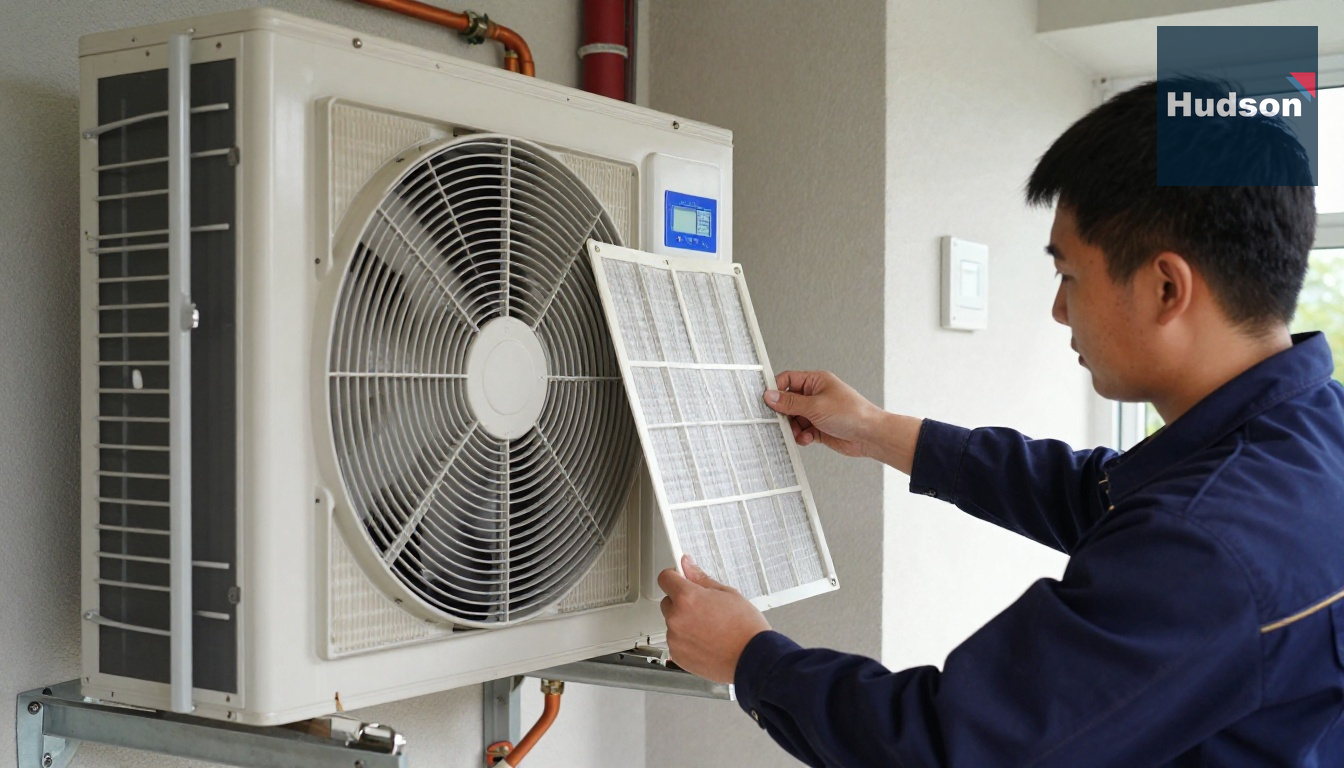
- Inspection and Testing: Checking the operational efficiency of all major components, from fan coils to chillers.
- Detailed Reporting: You’ll receive a report outlining current system conditions, potential issues, and recommended actions.
- Budgeting Advice: Professionals can provide updated cost estimates for repairs and replacements, aiding in accurate reserve fund planning.
Cost Factors with Real Ranges
Understanding the cost landscape is critical for effective budgeting:
- Fan Coil Repairs: Typically range from $350-$600 per unit, depending on parts and labor.
- Heat Pump Replacement: Costs can vary from $2,500 to $5,000 per unit, influenced by system complexity and building layout.
- Boiler Replacement: Generally costs between $15,000 and $40,000, depending on capacity and efficiency requirements.
FAQs
- How often should a condo board review the HVAC reserve fund? A condo board should review the HVAC reserve fund annually to ensure it aligns with projected maintenance and replacement schedules. This review should consider any recent repairs, changes in equipment lifespan, and updated cost estimates.
- What factors influence HVAC reserve fund budgeting? Factors include the age and type of equipment, historical repair data, expected lifespan of systems, local climate impacts, and market trends in HVAC service costs. Toronto’s climate, with cold winters and hot summers, particularly influences HVAC wear and tear.
- How much should be allocated annually to the HVAC reserve fund? A general guideline is to allocate 15-20% of the total annual maintenance budget to the HVAC reserve fund. However, this can vary based on the specific needs of the building, such as equipment age and recent repair history.
- What are the signs that an HVAC system needs replacement rather than repair? Signs include frequent breakdowns, rising energy bills, uneven heating or cooling, and systems that are over 15 years old. A detailed assessment by a professional can provide clarity on the most cost-effective option.
- Can a well-funded HVAC reserve reduce condo fees? Yes, a well-funded HVAC reserve can minimize the need for special assessments or sudden fee increases, providing financial stability and predictability for condo owners.
Next Steps
To best prepare for future HVAC needs, ensure ongoing dialogue with your service providers and remain proactive in your budgeting efforts. As Toronto weather transitions from spring to summer, now is an ideal time to assess your systems and plan for the coming seasons.
For more insights and assistance, consider contacting Hudson for a detailed assessment of your building’s HVAC systems and reserve fund planning.
Contact Hudson
- Contact Us
- Phone: +1 (437) 448-0640
- Email: service@hudsonhvac.ca