
HVAC Rust and Corrosion in Vaughan Condos: What to Do
Learn the causes of HVAC rust and corrosion in Vaughan condos, warning signs, repair costs, and when to call Hudson for fast service.
- Hudson HVAC
- 15 min read
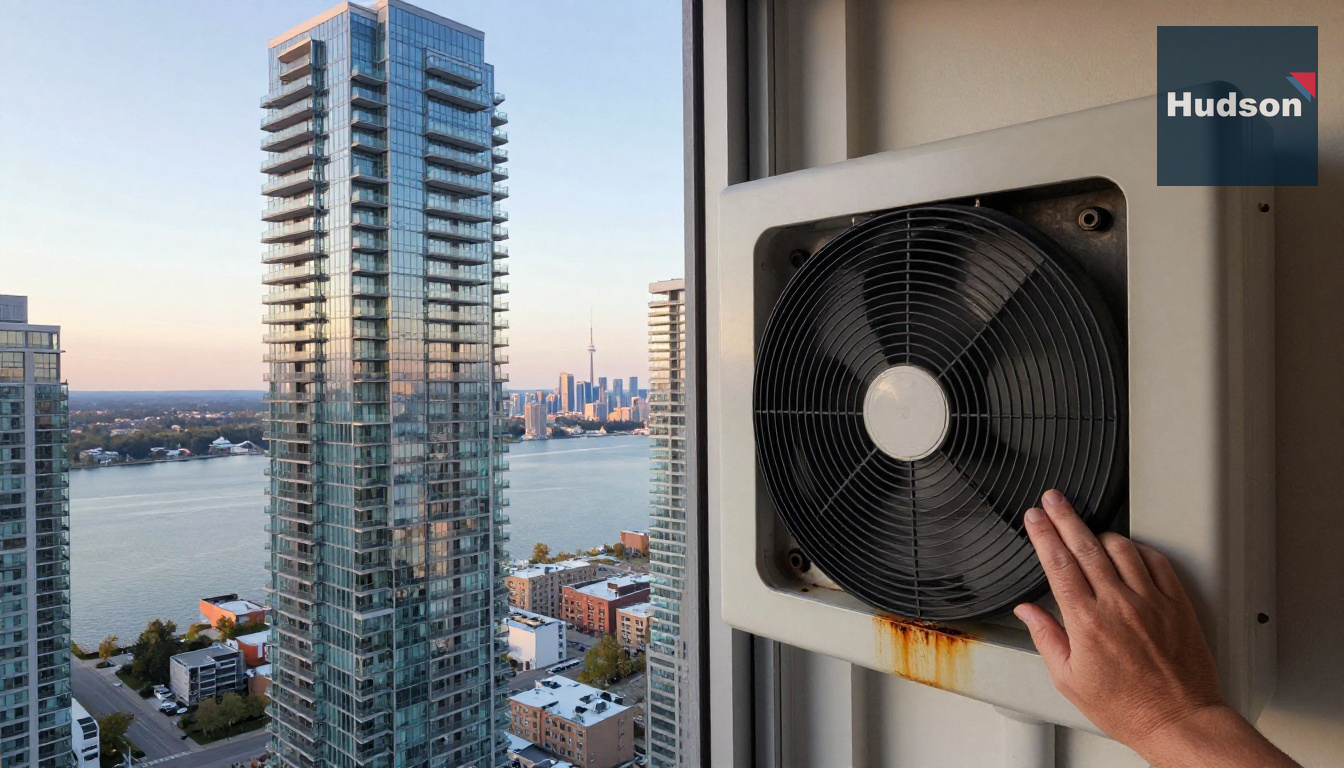
HVAC Rust and Corrosion in Vaughan Condos: What to Do
Quick summary: HVAC rust and corrosion in Vaughan condos usually starts as a moisture problem, not just an old-equipment problem. In towers around Vaughan Metropolitan Centre, Highway 7, Maple, and Woodbridge, we regularly find rust tied to clogged drain pans, poor fall maintenance, humid summer carryover, and tight in-suite mechanical closets that never fully dry out.
If your fan coil or heat pump is showing brown staining, musty smells, leaking, weak airflow, or inconsistent heating, don’t ignore it before winter. In many Vaughan condo units, a repair caught in September or October is far less expensive than an emergency no-heat call in January.
Why rust shows up so often in Vaughan condo HVAC systems
Vaughan has one of the most varied condo landscapes in the GTA. The newer towers around Vaughan Metropolitan Centre, Edgeley Boulevard, and Interchange Way tend to have compact in-suite fan coil or heat pump cabinets tucked into closets with little service clearance. Older mid-rises in Woodbridge, Thornhill Woods-adjacent pockets, and near Weston Road and Major Mackenzie often have aging drain pans, older insulation, and equipment that has gone years without a proper internal cleaning. Those two building types create different corrosion patterns, but both can end the same way: moisture sits where it shouldn’t.
One thing condo residents in Vaughan don’t always realize is that visible rust on the cabinet is often the least important part of the problem. The real concern is what’s happening underneath: corroded blower housings, pitted drain pans, oxidized low-voltage terminals, seized actuator linkages, and rust creeping around coil supports. Once corrosion reaches electrical connections, you can get intermittent thermostat communication, short cycling, or a unit that works in cooling mode but fails when the building switches into heating season.
In fall, we see this constantly in Vaughan condos because summer condensation damage has already happened. Residents only notice once they turn on heat and hear scraping, smell a metallic or musty odour, or see water stains near the base of the unit. That’s why preventive service matters before cold weather arrives.
For building-specific help, our condo HVAC repair in Vaughan page covers the type of in-suite work we do across local high-rises.
What actually causes HVAC rust and corrosion in condo units
1. Condensation that never drains properly
In condo fan coils and heat pumps, rust usually starts with condensate. During air conditioning season, moisture is pulled from the air and directed into a drain pan. If that pan is dirty, sloped poorly, partially cracked, or connected to a blocked drain line, water sits for weeks or months. In Vaughan towers near Jane and Highway 7, where many residents run AC hard all summer because of west-facing glass exposure, we often see more condensate volume than owners expect.
A drain pan replacement or cleanup is one of the most common fixes. If you suspect standing water, this service is often relevant: drain pan cleaning and repair.
2. Dust from condo renovations mixing with moisture
A surprisingly local issue in Vaughan is renovation dust. In newer condo clusters around VMC, turnover and investor-owned units mean frequent flooring, painting, and millwork updates. Fine drywall dust gets pulled into return air openings and settles into wet sections of the fan coil cabinet. Once dust and moisture combine, they form sludge in the pan and around the blower section. That sludge traps water against metal surfaces and speeds up corrosion.
We’ve opened units in Vaughan where the resident thought the “rust problem” was age, but the equipment was only 7 or 8 years old. The real cause was post-renovation contamination and no maintenance afterward.
3. Tight closets and poor drying between seasons
Many condo HVAC closets are built for square footage efficiency, not serviceability. In Vaughan, especially in some high-rise layouts near Portage Parkway and Millway Avenue, the equipment sits behind louvered doors with limited clearance and little airflow around the casing. Even when the condensate drains, the cabinet interior can stay damp for too long. That’s enough to start oxidation on screws, mounting brackets, and sheet metal seams.
This is where annual fan coil maintenance or heat pump maintenance makes a big difference. Cleaning, inspection, and moisture-source correction can stop small rust issues before they spread.
4. Chemical exposure from cleaners and laundry products
Another overlooked factor in Vaughan condo units is chemical vapour exposure. We see this in dens or utility closets near stacked laundry where bleach-based cleaners, detergents, or fragrance products are stored. Airborne chemicals can accelerate corrosion on coils, terminals, and galvanized metal. If the same closet also has a blocked lint route or poor airflow, the problem gets worse.
That’s one reason we often recommend dryer vent cleaning during fall in-suite maintenance visits. It’s not only a fire and efficiency issue; in some condos it also helps reduce warm moist air lingering in the utility area.
5. Neglected valves, actuators, and controls
Rust isn’t just cosmetic. In hydronic fan coil systems common across many Vaughan condos, corrosion can affect moving and control components like valve assemblies and actuators. When those parts begin to seize, the resident may complain that the suite won’t heat evenly, the unit clicks but doesn’t respond, or the fan runs without delivering warm air.
If corrosion has reached control components, we may need targeted repairs such as actuator replacement, three-way valve replacement, or thermostat installation and replacement.
Warning signs Vaughan condo residents should not ignore
If you live in Vaughan, especially in a condo near Vaughan Mills, Concord, Maple GO, or the VMC district, these signs usually mean rust or corrosion is already affecting performance:
- Brown or orange staining at the bottom of the HVAC cabinet
- Musty, metallic, or “wet dust” smells when heat starts up
- Dripping or staining on flooring near the unit
- Weak airflow from a fan coil that used to sound stronger
- A rattling or scraping blower wheel caused by corrosion buildup or imbalance
- Heat that works for a few minutes, then stops
- Thermostat display normal, but poor actual temperature control
- Repeated tripping of safeties due to water or electrical issues
One field detail most blogs miss: if your condo HVAC only makes a rust smell for the first 5 to 10 minutes after startup in fall, that doesn’t mean it’s harmless. In Vaughan suites, we often trace that exact symptom to residue on the electric section, light corrosion on the blower housing, or microbial buildup in the pan area that dried over late summer and reactivated with airflow.
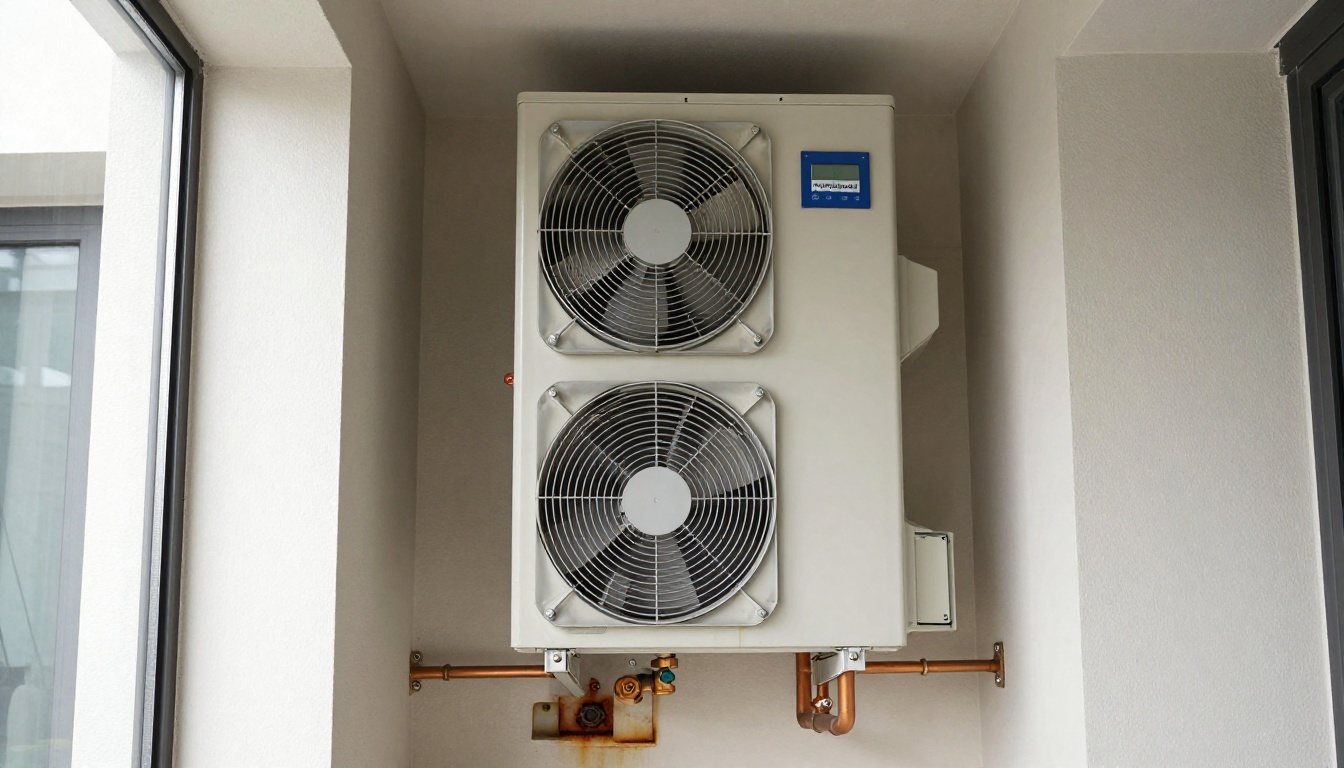
A recent Vaughan condo repair Hudson handled
The most useful way to explain HVAC rust and corrosion in Vaughan is with a real-world style example.
In late October, Hudson was called to a 27-storey condo near Vaughan Metropolitan Centre, a few minutes from Highway 7 and Jane Street. The resident on the 19th floor had a vertical fan coil unit in a hallway closet. The suite owner reported three symptoms: a rusty smell when the heat first came on, occasional dripping at the closet threshold, and weaker airflow in the bedroom than the previous winter.
The building itself was about 9 years old, and the original fan coil had never had a full internal cleaning beyond filter changes. On arrival, we coordinated with concierge because the tower required service elevator booking and protective hallway runner placement—standard condo logistics, but important because rushed contractors often skip steps and lose time.
When we opened the cabinet, the lower drain pan had heavy rust scaling at one corner and a partial blockage at the condensate outlet. The blower wheel had accumulated a film of dust and residue, and the insulation along one interior panel was deteriorating from repeated dampness. More importantly, the valve actuator was still functional, but the linkage showed early corrosion and inconsistent travel. That explained why the resident had periods of weak heating even though the thermostat appeared to be calling correctly.
Our diagnosis was that the unit had spent at least two summers draining poorly. Water had been pooling in the pan, wicking into debris, and keeping the lower cabinet wet. Once heating season started in Vaughan, the dried residue created odour, while the corroded pan edge allowed occasional overflow during shoulder-season humidity events.
What Hudson did
We performed a full internal cleaning, removed corrosion debris, cleared and tested the drain route, and replaced the rusted drain pan assembly. We also cleaned the blower wheel, treated the affected cabinet surfaces, replaced compromised fasteners, and tested the actuator operation under a heating call. Because the actuator was still within acceptable movement range after cleaning and lubrication, we did not replace it that day—but we documented it for future monitoring.
The repair took just under 4.5 hours on site, including condo access procedures and cleanup. The resident’s total invoice landed in the $780 to $980 range depending on final parts configuration, which was far less than a full unit replacement. If the pan had been left another season, there was a strong chance the corrosion would have spread into additional components and pushed the cost well above $1,500.
The resident’s comment afterward was common: they thought rust on the cabinet meant the entire system had to be replaced. In this Vaughan case, that wasn’t true. The key was catching the issue before the blower motor and controls were affected.
For situations where corrosion has already caused operational failure, we also handle fan coil repair and replacement and blower motor repair.
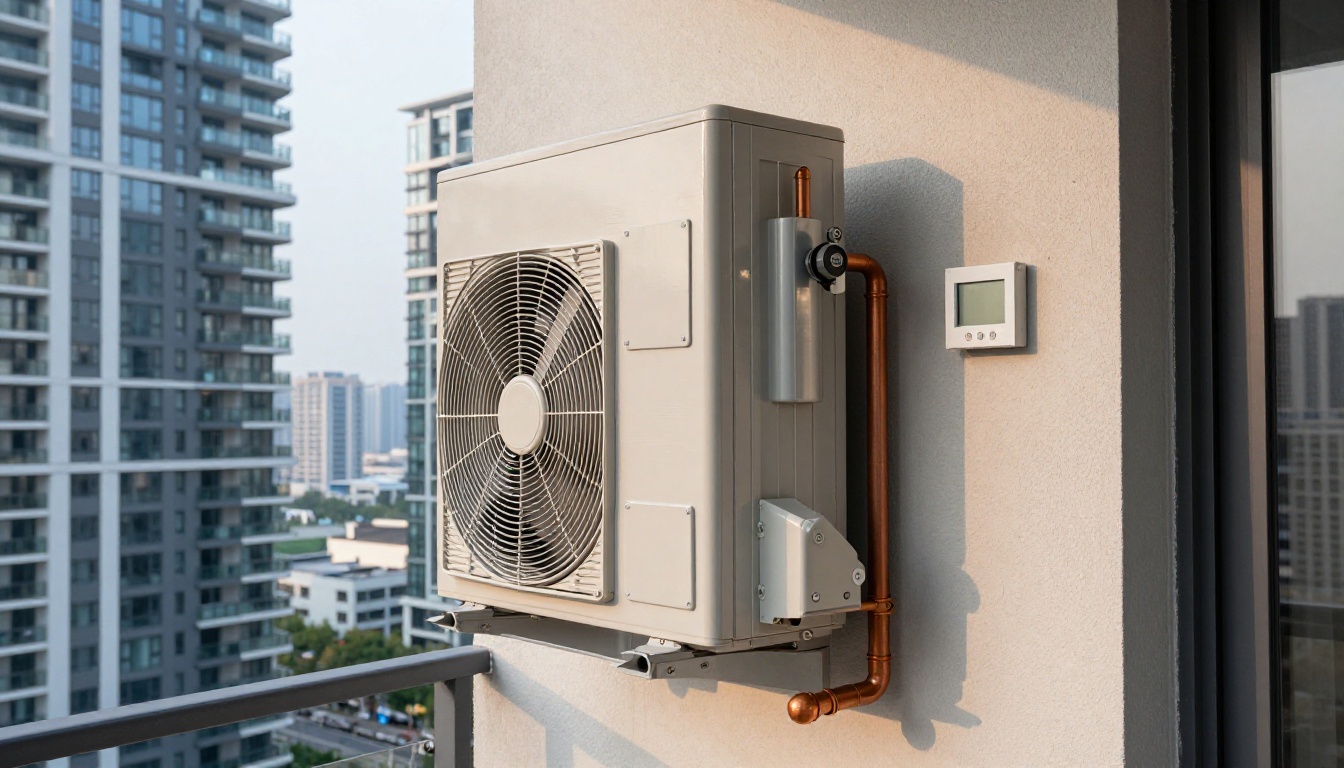
What rust means for different condo HVAC components
Drain pans
Drain pans are often the first part to fail. In condo equipment, they’re low, hidden, and constantly exposed to condensate. Once corrosion starts, pinhole leaks can form. In Vaughan, if you have engineered flooring near the mechanical closet, even a slow pan leak can create flooring edge swelling before you ever see standing water.
Blower sections
Rust on the blower housing or wheel affects balance and airflow. That can make your system louder and less effective. We’ve measured airflow drops of 15% to 30% in neglected condo fan coils where corrosion and debris were both present.
Valves and actuators
In hydronic systems, corrosion here can stop proper hot-water flow. Residents feel this as “the fan runs but there’s no heat.” In fall, this often gets mistaken for a building changeover issue when the real problem is inside the suite.
Thermostat and low-voltage wiring
Corroded terminals can create intermittent signals. That means nuisance behaviour—random shutdowns, delayed starts, or a thermostat that appears normal but isn’t reliably controlling the equipment. If needed, Hudson can address this through thermostat installation and replacement.
Coils and cabinet structure
Once the coil support area or structural cabinet base is badly deteriorated, repair becomes less cost-effective. At that point, replacement planning is usually smarter than repeated patchwork. For aging systems, see heat pump replacement or broader project work if a building is evaluating multiple suites.
What condo residents in Vaughan can do right now
You don’t need to open the equipment cabinet or touch internal components to reduce corrosion risk. Here are the practical steps we recommend for Vaughan condo residents each fall:
Keep the area around the unit dry and clear
Do not store mops, wet shoes, detergent jugs, or bleach products against the HVAC cabinet. In several Vaughan suites we’ve serviced near Rutherford Road and Bathurst-adjacent condo pockets, exterior cabinet rust was made worse by constant contact with damp cleaning items.
Change or clean filters on schedule
A dirty filter doesn’t directly create rust, but it reduces airflow and can contribute to coil icing in cooling season or poor drying afterward. If your building or suite setup includes broader in-suite service needs, our in-suite maintenance program is designed around condo equipment.
Watch for small stains
A faint rust-coloured line on the cabinet lip or floor trim is often your first warning. Don’t wait for an obvious leak. In condos, water damage claims can get complicated fast because responsibility may involve the owner, property management, and neighbouring units.
Book maintenance before true winter arrives
In Vaughan, October and November are ideal for preventive inspection because the equipment can still be serviced before heavy heating demand. Once deep winter hits, corroded components are more likely to fail under continuous operation.
Don’t treat rust spray or paint as a repair
We occasionally see residents or handymen paint over rusted cabinet sections. That hides the symptom but leaves the moisture source untouched. In some cases it also traps debris and makes future diagnosis harder.
If you have an ERV, don’t ignore it
Some condo suites in newer Vaughan buildings include ERVs. If the ERV isn’t maintained, stale air and humidity management can suffer, indirectly affecting the mechanical closet environment. If applicable, consider ERV maintenance as part of fall prep.
When rust is repairable and when replacement makes more sense
This is one of the biggest questions we get in Vaughan: repair or replace?
As a rule, repair usually makes sense when:
- Corrosion is isolated to the drain pan, fasteners, or one control component
- The blower motor is still healthy
- The coil is intact and not leaking
- The cabinet base remains structurally sound
- The equipment is under roughly 12 to 15 years old and parts are still available
Replacement becomes more practical when:
- Multiple components are corroded at once
- The unit has repeat leaks or repeat no-heat calls
- The blower motor, pan, controls, and valve train all show deterioration
- The equipment is older and parts lead times are poor
- The building is planning standardized upgrades across multiple suites
In Vaughan condos, a targeted corrosion-related repair often falls between $450 and $950. A more involved repair with pan, motor, and valve work can reach $1,200 to $1,800. Full in-suite replacement varies much more depending on equipment type, access, and building rules, but residents should expect a significantly larger investment and more coordination time.
A useful local insight: some condo corporations in Vaughan require specific shutoff procedures, insurance documentation, or approved booking windows for mechanical work. That can add days to replacement scheduling even when the repair itself is only a one-day job. Emergency issues should be reported early for that reason.
When to call Hudson HVAC
Call Hudson if you notice any of the following in your Vaughan condo:
- Rust staining plus any sign of leaking
- Weak or uneven heat after summer
- A mechanical closet smell that returns every startup
- Fan noise that sounds rough, scraping, or off-balance
- Thermostat calls with poor actual heating response
- Repeat trips, shutdowns, or intermittent operation
If your unit is already leaking or has stopped heating, don’t wait for building-wide winter demand to increase service delays. We handle emergency HVAC repair for condo situations where immediate diagnosis matters.
For broader building needs, Hudson also supports condo corporations and property managers through mechanical services and mechanical comprehensive maintenance when recurring in-suite issues point to larger maintenance gaps.
If you’re in Vaughan and want city-specific help, visit our Vaughan HVAC services page to book the right type of condo service.
FAQs
How serious is HVAC rust and corrosion in Vaughan condo units?
It depends on where the corrosion is located. Surface rust on a cabinet panel is usually manageable, but corrosion on a drain pan, coil, valve body, electrical terminal, or blower housing can lead to leaks, poor heating, electrical faults, or full equipment failure. In Vaughan condos, we often see corrosion worsen in fall and winter because summer condensation damage shows up just as residents switch their systems back to heating.
Can a rusty fan coil or heat pump be repaired, or does it need replacement?
Many Vaughan condo systems can be repaired if the corrosion is caught early. A rusted drain pan, actuator, thermostat wiring terminal, or three-way valve may be replaced individually, often in the $350 to $1,200 range depending on access and parts. If the coil casing, blower section, and condensate area are all heavily deteriorated—especially on 15- to 25-year-old equipment—a full replacement is usually the better long-term option.
Why do Vaughan condos get HVAC corrosion so often?
A lot of Vaughan condo towers near Highway 7, Jane Street, and the Vaughan Metropolitan Centre were built in phases with tightly enclosed mechanical closets and limited airflow around fan coils or heat pumps. Add summer humidity, clogged drain pans, missed annual maintenance, and occasional drywall dust from renovations, and moisture sits in the unit longer than it should. That creates ideal conditions for oxidation on metal components and corrosion on low-voltage connections.
What does HVAC rust and corrosion repair usually cost in a condo?
In-suite condo HVAC corrosion repairs in the GTA commonly range from about $250 for basic cleaning and minor corrective work up to $1,800 or more for pan, motor, valve, or control-related repairs. In Vaughan specifically, a realistic range for common rust-related service calls is $450 to $950 when the issue is isolated to one or two components. If corrosion has already caused leaking, electrical damage, or repeated shutdowns, costs rise quickly because more than one part is usually involved.
Who should Vaughan residents call for condo HVAC rust and corrosion issues?
You should call a contractor that regularly works inside condo buildings, not just houses. Condo HVAC in Vaughan often means fan coils, water-source heat pumps, ERVs, shared risers, building access rules, and coordination with property management. Hudson HVAC handles condo-specific diagnosis, repair, and maintenance, including drain pans, blower motors, actuators, thermostats, corrosion cleanup, and replacement planning when needed.
Don’t wait until the first real cold snap
Rust and corrosion are the kind of condo HVAC problems that look minor—until they suddenly aren’t. In Vaughan, fall is the best time to catch these issues before your suite depends on steady heating every day. If you’ve noticed odours, rust staining, weak airflow, or any sign of leaking, deal with it now while repair options are still simpler and less expensive.
Hudson works inside condo buildings across Vaughan, from VMC towers to Woodbridge mid-rises and newer buildings near Maple and Concord. We understand access rules, in-suite equipment layouts, and the difference between a cosmetic rust issue and a system that’s about to fail.
You can also explore more condo-specific advice on the Hudson blog.
Contact Hudson
- Contact Us
- Phone: +1 (437) 448-0640
- Email: service@hudsonhvac.ca