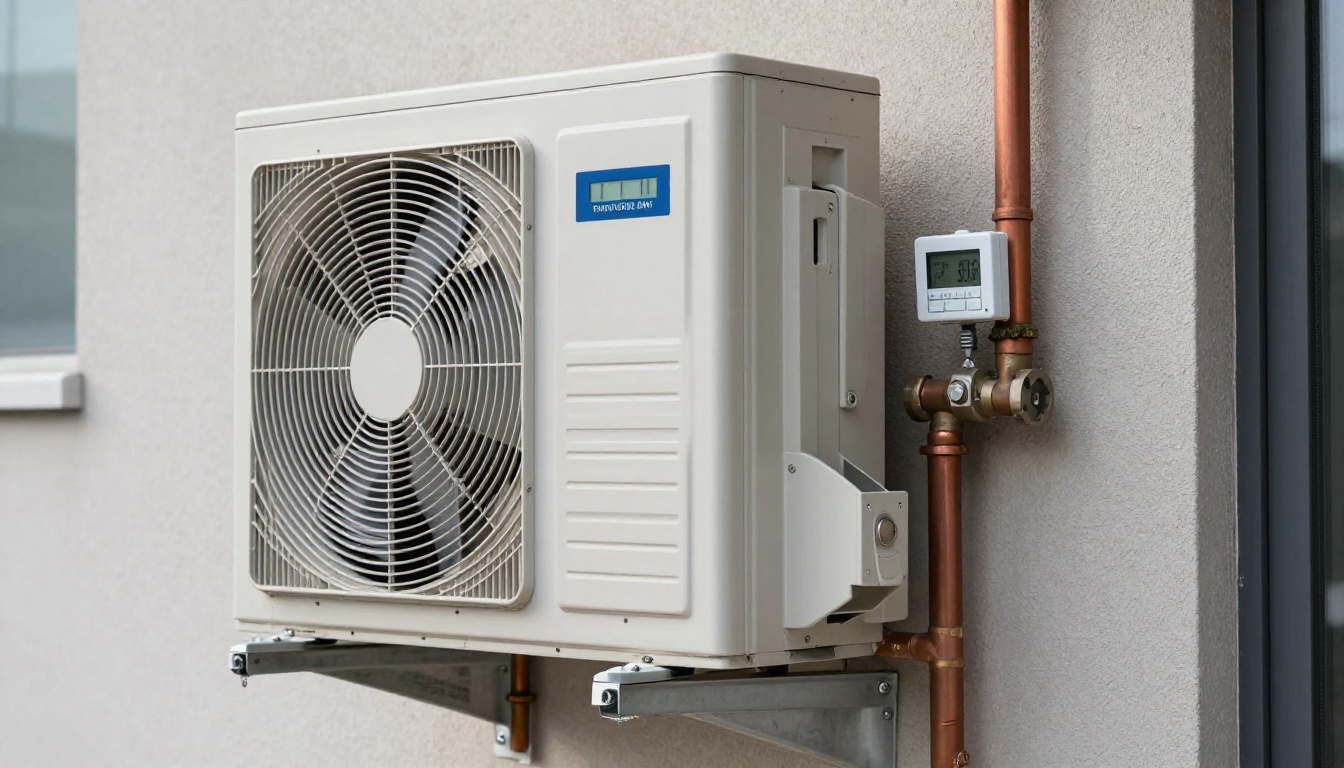
HVAC Transition Spring to Summer in Toronto Condos Explained
Discover how Toronto condos transition HVAC systems from spring to summer, ensuring efficient cooling during hot months.
- Hudson HVAC
- 4 min read
How the Spring-to-Summer HVAC Transition Works in Toronto Condo Buildings
Quick summary
As Toronto transitions from the mild spring to the hot, humid summer, condo buildings undergo critical HVAC changes to ensure efficient cooling. This transition, often dubbed the ‘condo changeover season,’ involves switching from heating to cooling systems, addressing humidity control, and preparing for peak energy use.
The Fast Diagnosis: What’s Going On?
For many Toronto condo residents, the transition from spring to summer involves activating the building’s cooling systems. This shift is essential to combat the rising temperatures, which can easily exceed 30°C during peak summer months. The changeover is not just a switch of a button but a coordinated effort to ensure that all systems are primed for efficient cooling and humidity control.
Common Causes: Why This Happens
Most Toronto condos use centralized HVAC systems, typically involving fan coils, chillers, and sometimes heat pumps. The transition involves shutting down the heating systems and ramping up the cooling systems. Key technical details include:
- Fan Coils: These units must be cleaned and have their filters replaced to prevent dust and debris from obstructing airflow.
- Chillers: These are activated to provide chilled water to fan coils. They often require pre-inspection to ensure refrigerant levels are optimal.
- Humidity Control: The introduction of higher humidity levels requires the HVAC system to dehumidify the air, often necessitating adjustments in system settings or additional equipment like dehumidifiers.
In our experience servicing Toronto condos, particularly in areas like Mississauga and North York, the efficient transition is crucial to avoid sudden breakdowns during heatwaves.
What You Can Do Right Now: DIY Safe Steps
Condo residents can take several proactive steps to ensure their cooling systems are ready:
- Filter Check: Locate the 1-inch or 2-inch pleated filter behind the lower access panel of your fan coil. Slide it out and hold it up to light; if you can’t see through it, replace it.
- Thermostat Test: Set your thermostat to cooling mode and adjust the temperature to ensure it responds correctly.
- Visual Inspection: Check for signs of condensation leaks around your fan coil unit, which could indicate a clogged drain pan needing immediate attention.
For more detailed steps, consider our fan coil maintenance guidelines.
When to Call a Professional: Signs You Need Help
If your thermostat isn’t responding, you hear unusual noises from your fan coil, or there’s a persistent odor, it’s time to call a professional. High-pitched whining from a blower motor often indicates worn bearings, while clicking sounds every 10-15 seconds may point to a failing actuator. At Hudson HVAC, our emergency HVAC repair services are available 24/7 to address these issues promptly.
What to Expect from a Service Visit
A professional service visit typically involves:
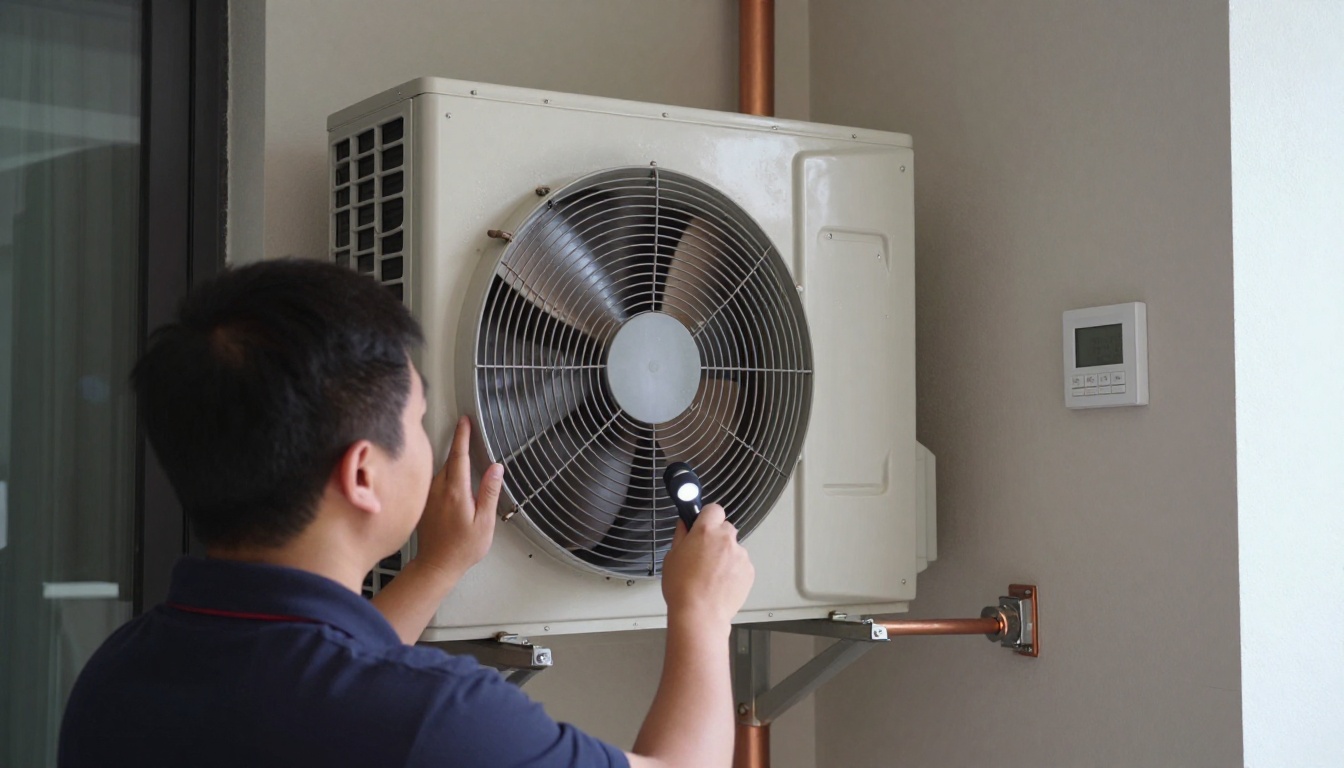
- Inspection: Thorough examination of the fan coil, refrigerant lines, and thermostat functionality.
- Cleaning: Removing any accumulated debris and ensuring that drain pans and filters are clear.
- Testing: Ensuring that the system switches efficiently between heating and cooling.
A typical service visit takes 1-2 hours per unit, depending on the complexity and condition of the existing setup.
Cost Factors with Real Ranges
A comprehensive pre-summer maintenance check ranges from $150 to $300 per fan coil unit, which includes cleaning, filter replacement, and performance checks. More extensive repairs, like actuator replacements, can cost between $350 and $600.
For building-wide projects, especially in older high-rises in Scarborough or Vaughan, costs may vary based on the building’s specific needs and system configurations. Explore our fan coil repair and replacement options for detailed pricing.
FAQs
When does the cooling season typically start in Toronto condos?
The cooling season in Toronto condos often begins in mid to late May, depending on the building’s management decisions and outdoor temperatures. It’s crucial to transition before temperatures consistently exceed 20°C.
What are common issues during the spring-to-summer HVAC transition?
Common issues include condensation leaks from clogged drain pans, malfunctioning fan coils due to winter debris, and insufficient cooling caused by refrigerant issues or dirty filters.
How can condo residents prepare their units for summer cooling?
Residents should ensure their fan coil unit’s filter is clean, check that the thermostat is functioning correctly, and schedule a professional maintenance service for any necessary repairs or cleaning.
What is the cost range for a fan coil tune-up in a Toronto condo?
A fan coil tune-up in a Toronto condo typically costs between $150-$300, which includes cleaning, filter replacement, and operational checks.
How does humidity affect condo cooling systems?
High humidity can strain cooling systems by making it harder to remove moisture from the air, potentially leading to increased energy consumption and discomfort if the system is not properly maintained.
Next Steps: Call to Action
If your fan coil hasn’t been serviced this year, now is the time to book a maintenance visit before the summer heat peaks. Regular maintenance not only enhances comfort but also improves energy efficiency, saving you on long-term utility costs.
Contact Hudson
For expert HVAC services and advice, contact Hudson at:
- Contact Us
- Phone: +1 (437) 448-0640
- Email: service@hudsonhvac.ca