
Is Your Condo Making You Sick? HVAC Mold and Health Risks in Toronto
Explore how HVAC mold in Toronto condos can affect respiratory health and contribute to sick building syndrome, especially during humid summers.
- Hudson HVAC
- 4 min read
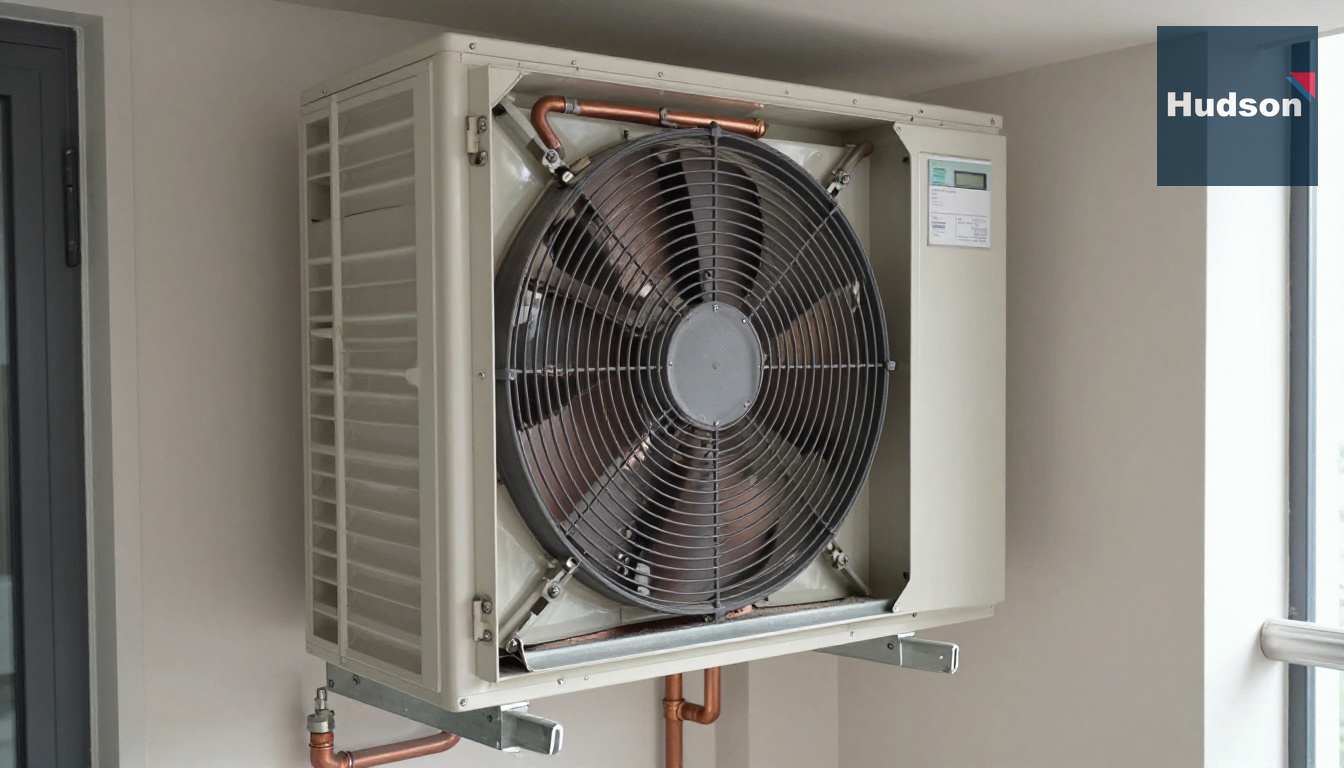
Is Your Condo Making You Sick? HVAC Mold and Health Risks in Toronto
Quick summary: Mold in condo HVAC systems can severely impact respiratory health, contributing to sick building syndrome. During Toronto’s humid summers, mold growth is a significant concern. Understanding the causes and knowing when to seek professional help is key to ensuring a healthy living environment.
The fast diagnosis / What’s going on
If you or your neighbors in a Toronto high-rise are experiencing unexplained respiratory symptoms, your condo’s HVAC system might be harboring mold. Mold spores can circulate through the air, aggravating asthma, allergies, and other respiratory conditions. In our experience servicing condos in Scarborough and Mississauga, these symptoms often intensify during the summer months when humidity levels soar.
Common causes / Why this happens
The primary culprit behind mold growth in HVAC systems is excess moisture. In Toronto’s summer, fan coil units and heat pumps often condense water as they cool the air. Without proper drainage and maintenance, this moisture accumulates, creating an ideal breeding ground for mold. We’ve seen this issue frequently in older North York condos with outdated systems lacking proper drainage or filters.
Technical specifics
- Excess moisture collects in the drain pans and air ducts.
- Inadequate ventilation can exacerbate mold growth.
- Units like the Carrier 42 Series and Daikin DER are especially prone to this if not routinely serviced.
- Mold thrives if humidity levels exceed 60%, common during Toronto’s warm seasons.
What you can do right now / DIY safe steps
- Inspect and change filters: Locate the 1-inch or 2-inch pleated filter behind the lower access panel of your fan coil. Slide it out, and if you can’t see light through it, replace it.
- Check for visible mold: Look around your vents and fan coil units for any signs of mold growth.
- Use a hygrometer: Measure the relative humidity in your condo. Aim to keep it below 50% using a dehumidifier if necessary.
When to call a professional / Signs you need help
If you notice a persistent musty smell, widespread visible mold, or if your symptoms worsen despite taking preventive measures, it’s time to contact a professional. Hudson HVAC offers mold remediation services to safely and effectively remove mold from your HVAC system.
What to expect from a service visit / Typical timeline and process
A professional mold remediation service typically involves:
- Initial assessment: Identification of mold-affected areas, typically within the first hour.
- Containment: Sealing off areas to prevent spore spread during cleaning.
- Cleaning and removal: Using specialized equipment and solutions (2-3 hours depending on severity).
- Post-remediation testing: Ensuring the air quality is safe before completion.
Cost factors with real ranges
In Toronto, mold remediation in a single condo unit can range from $500 to $1,500, depending on the extent of contamination and the specific services required. Larger jobs in buildings with multiple units can exceed $5,000.
FAQs
What is sick building syndrome in condos?
Sick building syndrome refers to a situation where building occupants experience acute health and comfort effects linked directly to time spent in a building, often due to poor indoor air quality, including mold contamination in HVAC systems.
How does HVAC mold affect respiratory health?
HVAC mold releases spores into the air, which can be inhaled by residents, potentially causing respiratory issues such as asthma, allergies, and other breathing problems. Sensitive individuals may experience more severe symptoms.
Why is mold more prevalent in summer?
Toronto’s hot and humid summers create ideal conditions for mold growth in HVAC systems, as moisture from condensation provides a perfect environment for mold spores to thrive, particularly if HVAC systems are not properly maintained.
What are common signs of mold in your condo’s HVAC system?
Signs include a persistent musty odor, visible mold around vents or units, increased allergy symptoms, and unexplained respiratory issues among residents. It’s crucial to address these signs promptly to prevent health risks.
Can I remove HVAC mold myself?
While minor mold issues can sometimes be cleaned with appropriate protective gear and cleaning products, professional removal is recommended for significant mold problems to ensure thorough cleaning and prevention of future growth.
Next steps / Call to action
If you suspect mold in your condo’s HVAC system, don’t wait until it affects your health. Contact Hudson for a free assessment and ensure your air quality is safe for you and your family.
Contact Hudson
- Contact Us
- Phone: +1 (437) 448-0640
- Email: service@hudsonhvac.ca