
Isolation Valve Guide for Toronto Condo HVAC Systems
Learn about isolation valves in Toronto condo HVAC systems. Essential for fan coil and heat pump maintenance.
- Hudson HVAC
- 4 min read
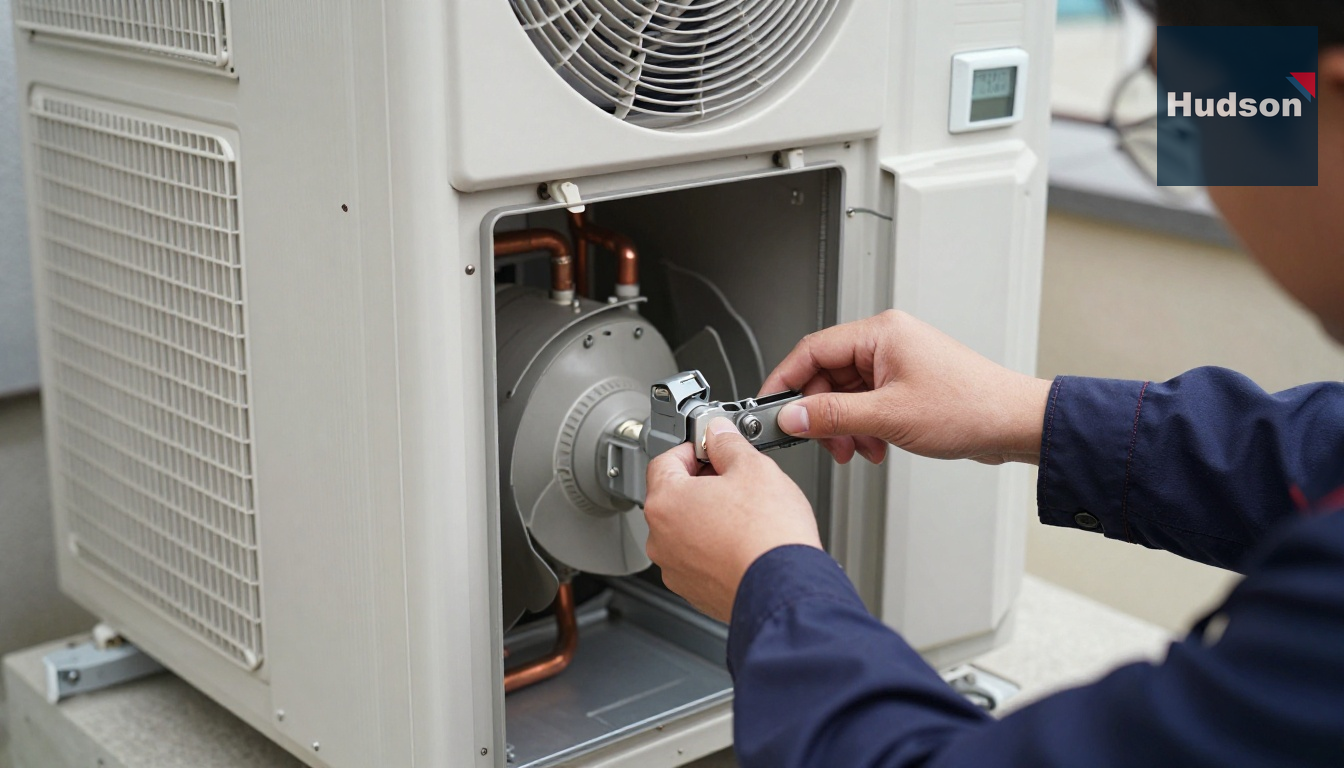
Isolation Valve Guide for Toronto Condo HVAC Systems
Quick summary: Learn all about the isolation valve, a crucial component in Toronto condo HVAC systems. Understand its role, how to identify potential issues, and why regular maintenance is essential for smooth fan coil and heat pump operations.
What Is an Isolation Valve?
Imagine your condo’s HVAC system as a tree with water flowing through its branches. The isolation valve is like a gatekeeper that controls the flow of water to your specific branch (or unit) without affecting others. It allows technicians to perform repairs or maintenance on your fan coil or heat pump without shutting down the entire building’s water supply.
Isolation valves are typically installed on the water supply lines leading to your unit’s HVAC system. They’re crucial for minimizing disruptions during service and ensuring that individual issues don’t escalate into building-wide problems.
What Does It Look Like?
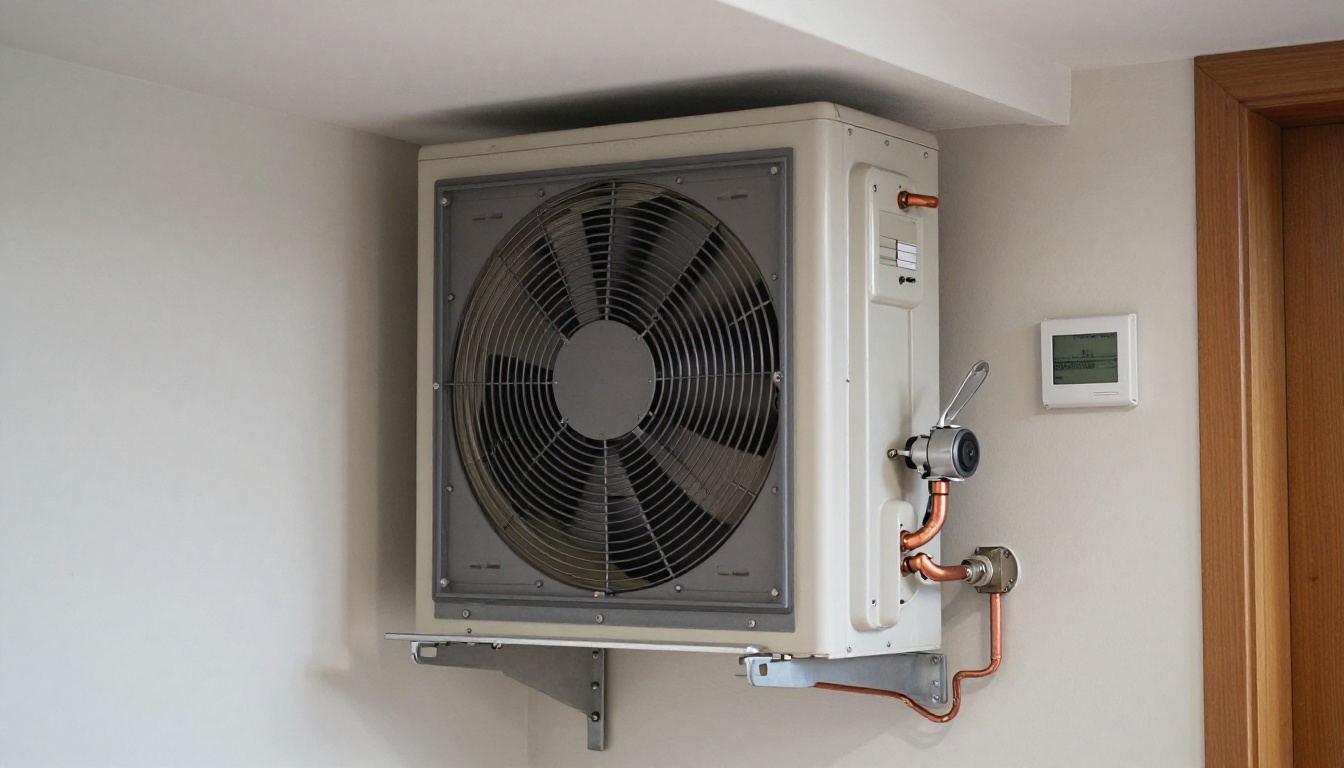
Isolation valves often resemble a sturdy, metallic handle or lever, usually made of brass or stainless steel. They are found near the fan coil or heat pump unit, connected to the water pipes.
- Size: Typically about 3-5 inches in length.
- Color: Generally metallic, with handles that may be colored red or blue for hot and cold water identification.
- Location: Look for them in the HVAC closet or utility area close to the unit.
How Does It Work?
Isolation valves operate by turning a handle or lever to open or close the valve, thus controlling water flow. In a fan coil or heat pump system, these valves are crucial when switching from heating to cooling, especially during spring maintenance. They allow technicians to isolate your unit, enabling precise interventions without affecting the building’s entire HVAC system.
Signs It Might Be Failing
Keep an eye out for these signs that your isolation valve might be on the fritz:
- Water Leaks: Dripping water around the valve.
- Stiff Operation: Difficulty turning the valve handle.
- Noisy Pipes: Banging or whistling noises when the valve is operated.
- Inconsistent Performance: Unpredictable heating or cooling in your unit.
Can You Test It Yourself?
While testing an isolation valve requires caution, here are some steps you can safely take:
- Visual Inspection: Check for visible leaks or corrosion.
- Handle Movement: Gently try turning the valve to see if it moves smoothly.
Do NOT attempt to disassemble the valve or apply excessive force, as this could worsen any existing issues.
When to Replace vs Repair
Isolation valves typically have a lifespan of 10-15 years. Factors such as water quality can affect this, with hard water potentially causing earlier wear.
Repair might be possible if the valve simply needs cleaning or lubrication. However, replacement is often the better option if the valve is leaking or difficult to operate. In Toronto, replacement costs generally range from $250 to $400, including parts and labor.
How Hudson Handles This Repair
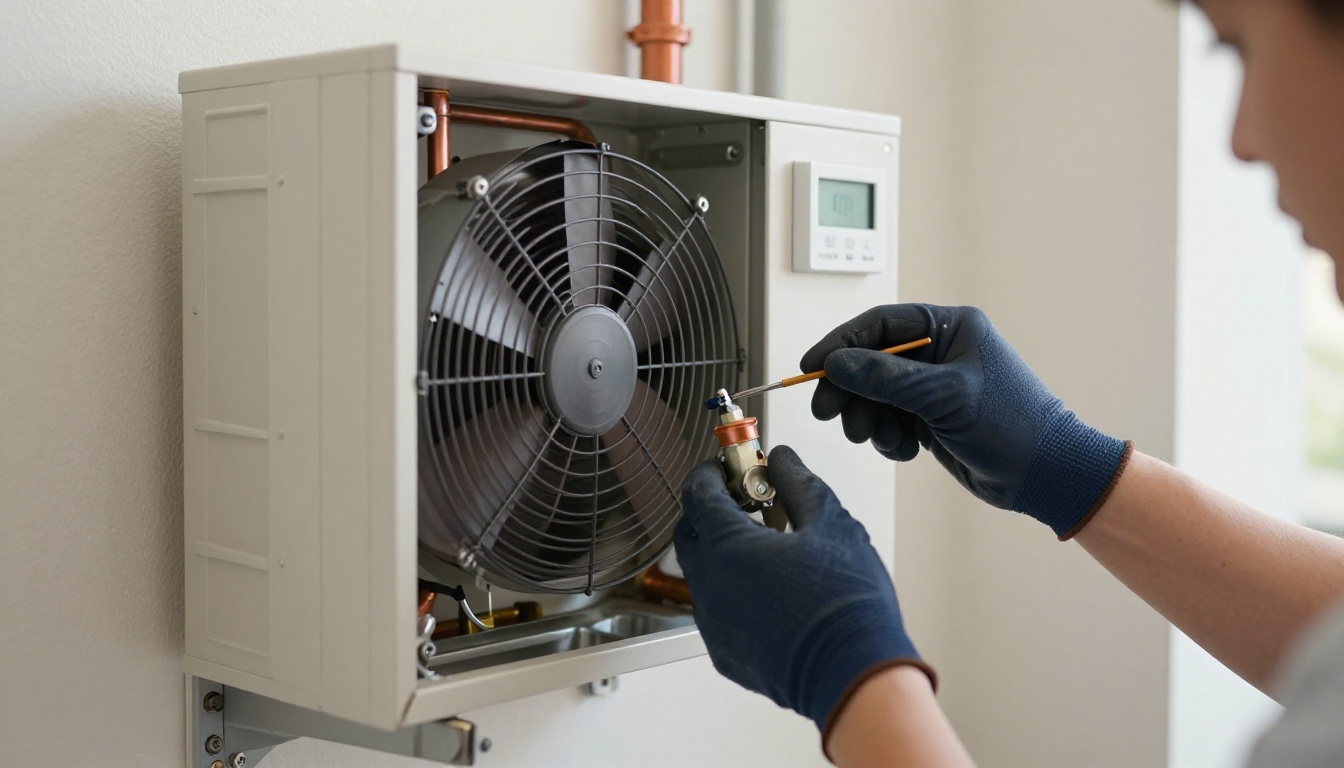
At Hudson HVAC, we ensure a seamless isolation valve replacement process:
- Diagnosis: A thorough inspection to confirm valve failure.
- Preparation: We carefully shut off and drain the system, avoiding unnecessary downtime.
- Replacement: The faulty valve is replaced with a high-quality model, ensuring long-term reliability.
- Testing: Post-installation testing to confirm the smooth operation of the new valve.
This process typically takes 1-2 hours, ensuring minimal disruption to your daily routine.
FAQs
What is the purpose of an isolation valve in a condo HVAC system?
An isolation valve allows you to shut off water flow to an individual condo’s HVAC unit, enabling repairs or maintenance without disrupting the entire building’s system.
How can I tell if my isolation valve is failing?
Signs include water leaks near the valve, difficulty turning the valve, or inconsistent heating/cooling in your unit. These indicate the valve may not be sealing properly.
What is the typical lifespan of an isolation valve in Toronto condos?
Typically, isolation valves last 10-15 years depending on the quality and maintenance. Hard water can shorten this lifespan in some areas.
Can I replace an isolation valve myself?
While you can inspect and identify basic issues, replacement requires draining the system and expertise in plumbing and HVAC. Professional service is recommended.
How much does it cost to replace an isolation valve in Toronto?
Including parts and labor, replacing an isolation valve in a Toronto condo typically costs between $250 and $400.
Call to Action
If you’re experiencing issues with your condo’s HVAC system and suspect the isolation valve, don’t hesitate. Contact Hudson for a thorough assessment and same-day service in Toronto, Mississauga, or Vaughan.
Contact Hudson:
- Contact Us
- Phone: +1 (437) 448-0640
- Email: service@hudsonhvac.ca