Line Voltage vs Low Voltage Thermostats: Which Is Right for Your Toronto Condo?
Discover whether your Toronto condo uses a line voltage or low voltage thermostat and how it impacts your HVAC system. Learn more about thermostat types today.
- Hudson HVAC
- 4 min read
Line Voltage vs Low Voltage Thermostats: Which Is Right for Your Toronto Condo?
Quick summary: Understanding whether your condo uses a line voltage or low voltage thermostat is crucial for optimal HVAC performance and energy efficiency. This guide explores the differences between these thermostats, helping Toronto residents navigate their unique condo HVAC setups.
The Fast Diagnosis: What’s Going On?
In our experience servicing Toronto condos, thermostat issues often arise during the summer months when systems are overworked to maintain cool indoor temperatures. Your thermostat acts as the brain of your HVAC system, so ensuring it’s the right type and functions correctly is essential for both comfort and energy efficiency.
Common Causes: Why This Happens
Line Voltage Thermostats:
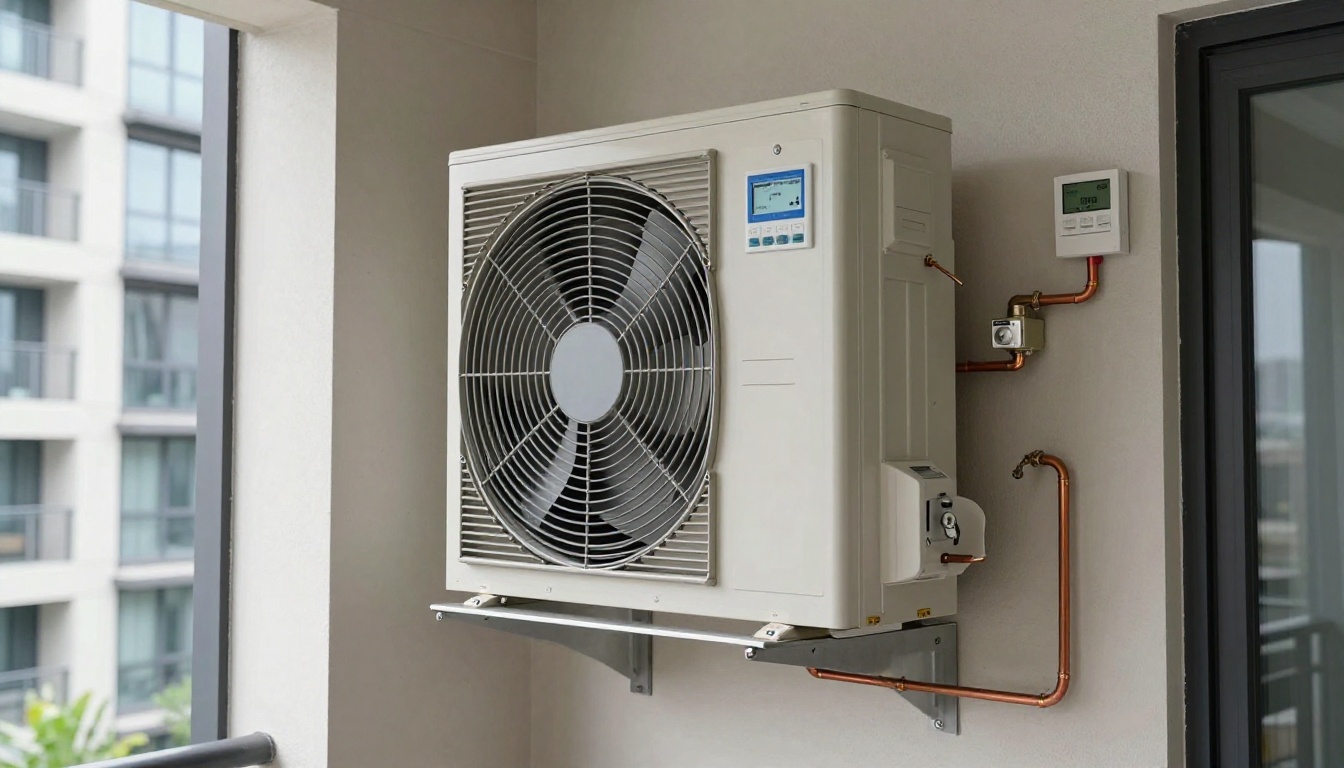
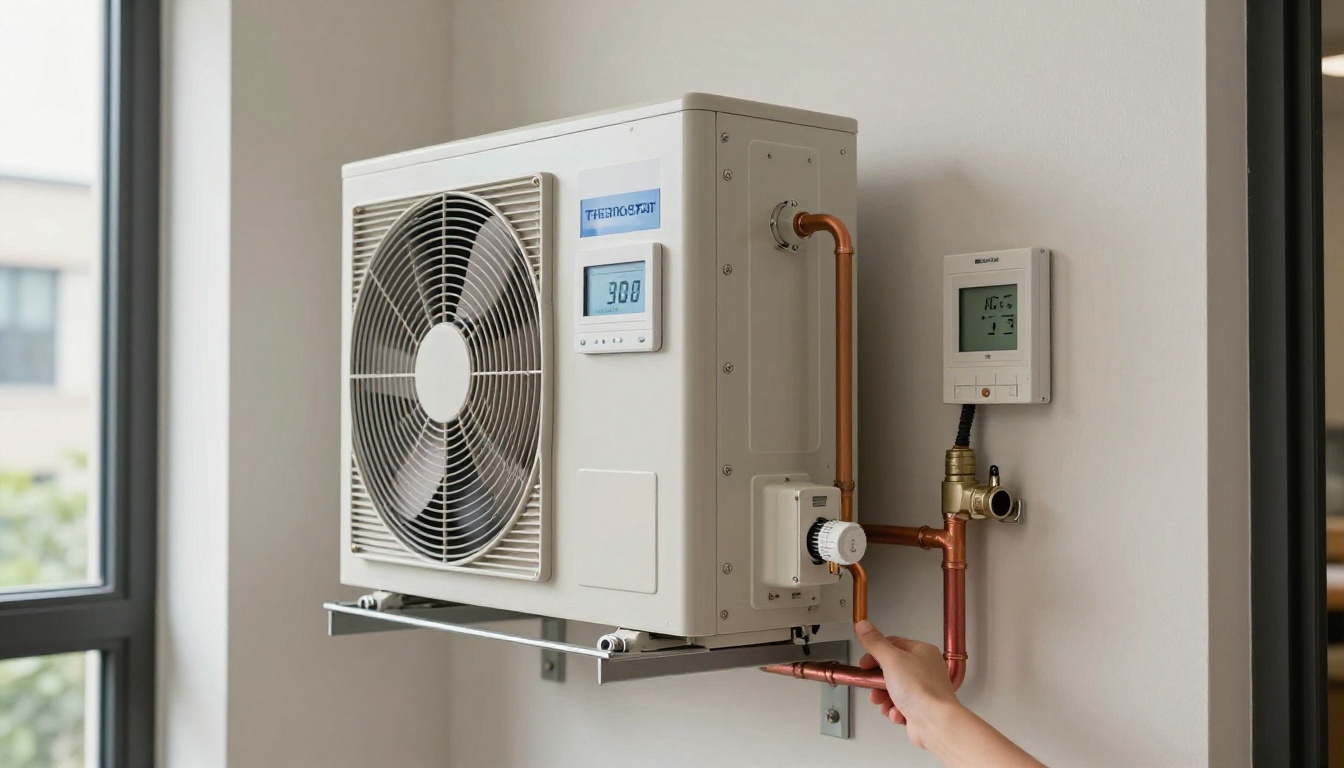
- Typically found in older condo buildings from the 80s and 90s with electric baseboard or radiant heating systems. These thermostats directly control the high voltage of 120-240 volts, making them suitable for systems that require more power.
Low Voltage Thermostats:
- More common in modern condos using fan coil and heat pump systems. They operate on 24 volts and offer precise control over HVAC operations, using a control board to manage system functions. Systems like the Carrier 42 Series and DaikinDERA often rely on such thermostats.
What You Can Do Right Now: DIY Safe Steps
- Identify Your Thermostat Type: Remove the thermostat cover and look for voltage indications. Line voltage thermostats usually have thicker wires, while low voltage thermostats have thinner, multi-strand wires. If you’re unsure, consult the HVAC documentation provided by your condo management.
- Check for Responsive Controls: Adjust the temperature settings and listen for a click indicating operation. If there’s no sound or temperature changes don’t occur, the thermostat might need calibration or replacement.
When to Call a Professional: Signs You Need Help
- Inconsistent Heating or Cooling: If your condo experiences hot and cold spots, it could indicate a thermostat issue.
- Unresponsive Thermostat: A blank display or failure to respond to adjustments is a clear sign of malfunction.
- Frequent HVAC Cycling: Rapid on-off cycling can wear down your HVAC system and increase energy costs.
For professional diagnosis and repair, contact Hudson HVAC. Our thermostat installation and replacement services ensure your system runs efficiently.
What to Expect from a Service Visit: Typical Timeline and Process
A thermostat service visit typically involves:
- Assessment (30-45 minutes): A technician will check the wiring, voltage, and overall functionality of the thermostat.
- Calibration or Replacement (1-2 hours): Depending on the findings, your thermostat may need recalibration or replacement. Hudson HVAC technicians are equipped to handle both line and low voltage systems.
Cost Factors with Real Ranges
- Line Voltage Thermostat Replacement: $150-$300 per unit, including parts and labor.
- Low Voltage Thermostat Installation: Ranges from $200 to $500, considering compatibility with smart features and integration.
These costs reflect typical Toronto market rates and may vary based on specific building conditions and thermostat models.
FAQs
What is the difference between line voltage and low voltage thermostats?
Line voltage thermostats operate on 120-240 volts and are typically used with electric baseboard heating. Low voltage thermostats work on 24 volts and are more common in systems like fan coils and heat pumps.
Can I switch from a line voltage to a low voltage thermostat in my condo?
Switching from a line voltage to a low voltage thermostat typically requires significant electrical work, as it involves changing the wiring and possibly the HVAC system components. Always consult a professional before making such changes.
How do I know if my condo uses a line or low voltage thermostat?
Check the voltage rating listed on your thermostat or consult your condo’s HVAC documentation. If uncertain, a professional assessment by Hudson HVAC can definitively determine your system type.
Are low voltage thermostats more energy-efficient for condos?
Yes, low voltage thermostats can offer more precise control over your HVAC system, often leading to better energy efficiency compared to line voltage thermostats.
What are the signs of a malfunctioning thermostat in a condo?
Signs include inconsistent temperatures, system not turning on/off as scheduled, or a non-responsive interface. These issues can significantly affect your comfort and should be addressed promptly.
Next Steps: Call to Action
If your thermostat hasn’t been serviced this year, or if you’re experiencing any of the issues described, don’t wait for the next heatwave. Contact Hudson for a thorough inspection to ensure your condo remains a cool oasis all summer long.
Contact Hudson
- Contact Us
- Phone: +1 (437) 448-0640
- Email: service@hudsonhvac.ca