
Magic Pak HVAC Condo Repair & Maintenance Toronto
Expert guide to Magic Pak HVAC condo maintenance and repair in Toronto. Learn failure signs, costs, timelines, and when to book service.
- Hudson HVAC
- 16 min read
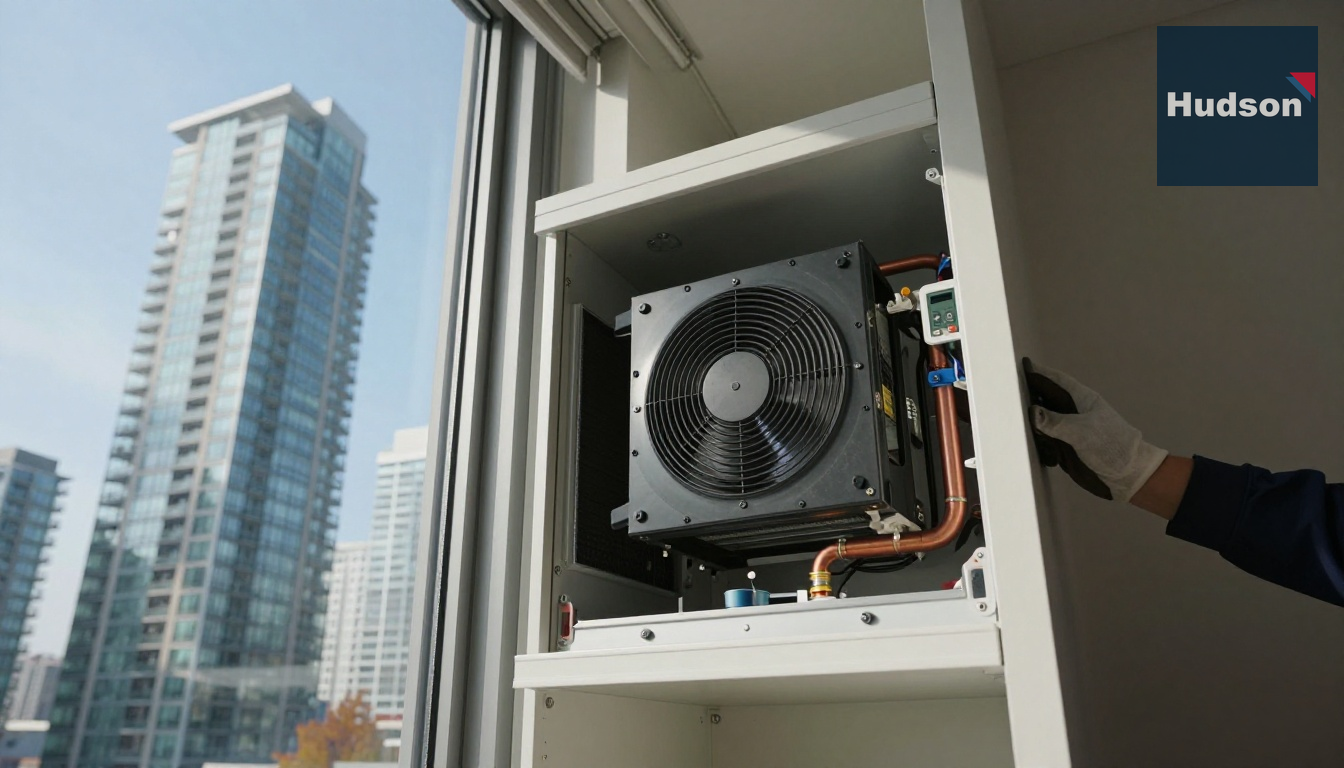
Magic Pak HVAC Condo Repair & Maintenance Toronto
Quick summary: Magic Pak HVAC condo systems are compact, convenient, and common in some Toronto-area condominiums, but they fail in very predictable ways when maintenance is skipped. If your unit is noisy, short-cycling, leaking, or not heating properly as fall turns into winter, the right diagnosis now can prevent a no-heat call during the first deep freeze.
In Hudson HVAC’s experience servicing Toronto condos, Magic Pak units are often misunderstood because they look simple from the suite side but combine multiple systems inside one cabinet: blower, heating section, cooling coil, controls, condensate management, and exterior air path. That means a clogged filter or weak capacitor can trigger a chain reaction that looks like a much bigger failure.
Why Magic Pak units catch condo owners off guard
A Magic Pak is essentially a self-contained vertical packaged unit designed to fit tight condo or apartment closets, usually against an exterior wall. Unlike a typical fan coil that depends on a building boiler/chiller loop, a Magic Pak often has its own heating and cooling components in one cabinet, which is why maintenance needs are closer to a small packaged HVAC system than a basic in-suite air handler.
That distinction matters in Toronto, North York, and Mississauga high-rises where residents assume all suite HVAC equipment works the same. It does not. A neglected fan coil may lose airflow or leak water, but a neglected Magic Pak can also develop combustion, venting, ignition, or pressure-switch problems depending on model configuration. If you are not sure what system your condo has, Hudson’s in-suite HVAC maintenance service is usually the fastest way to identify the equipment type and service requirements correctly.
One common mistake Hudson encounters in older condo buildings is treating a Magic Pak like a “change the filter and forget it” unit. In reality, many failures start 6-10 weeks before residents notice comfort issues. For example, a blower motor that is drawing 1.6 amps above nameplate may still run, but it will overheat on colder nights when the system cycles longer. That is exactly the kind of borderline issue a fall tune-up catches.
Fast diagnosis: what your Magic Pak is probably telling you
Before getting into repairs, it helps to decode the symptom. In condo service, the sound or behavior often points to the failed component faster than the thermostat display does.
If the unit runs but the suite stays cold
This usually means one of five things:
- Restricted airflow from a dirty filter or matted evaporator coil
- Ignition or flame-sensing issue in gas-heating configurations
- Blower speed or capacitor problem causing poor heat delivery
- Thermostat misreading room temperature by 2-4°C
- Exterior intake/exhaust restriction from debris at the wall termination
In Toronto fall weather, this often shows up as “it works during the day but not at night.” That pattern is important. Cooler nighttime temperatures can expose weak pressure switches or marginal ignition systems because draft conditions change at the exterior wall. If the system starts normally at 2 p.m. but locks out at 11 p.m., the problem is often not the thermostat at all. Hudson handles this type of Magic Pak-style heating diagnosis through condo HVAC repair service in Toronto.
If you hear specific noises
Not all noise means the same thing:
- High-pitched whine: often blower motor bearings or a wheel rubbing due to shaft play
- Single click, then nothing: thermostat call received, but relay or ignition sequence is failing
- Repeated clicking every 10-15 seconds: control trying to initiate, then dropping out on safety
- Rattling on startup: loose panel, inducer assembly vibration, or deteriorated mounting grommets
- Boom or delayed ignition sound: urgent issue; possible dirty burners or ignition delay
That last one matters. Delayed ignition is not a “wait and see” problem. In condo buildings, residents sometimes tolerate it for weeks because the unit still heats. That can damage burners and stress the heat exchanger over time.
If there is water around the cabinet
In fall, leaks are often blamed on “leftover AC condensation,” but the real culprit is usually a partially blocked drain, a cracked pan, or a coil that stayed dirty through summer and is now shedding debris into the drain system. In shoulder season weather, intermittent cooling calls can create small amounts of condensate that reveal the problem before winter. Hudson often resolves these issues with targeted drain pan cleaning and leak repair before they become mold or flooring damage problems.
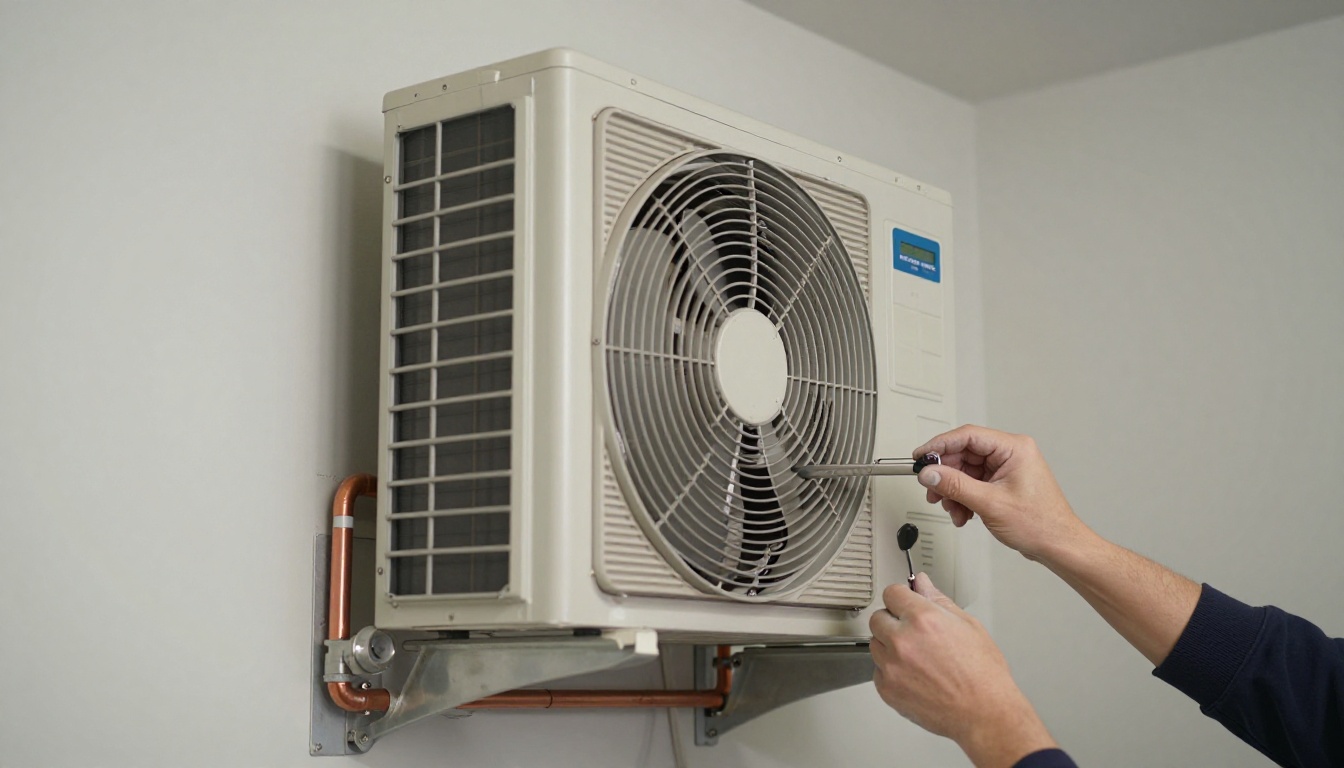
The failures Hudson sees most often in Toronto condo Magic Pak units
Across 200+ condo buildings in the GTA, the same patterns repeat. The exact part numbers vary by generation, but the failure modes are remarkably consistent.
1. Dirty filters causing high static pressure
This is the most common preventable issue. Many Magic Pak units use a 1-inch filter, though some installations vary by cabinet and retrofit history. When the filter loads up, airflow drops, temperature rise increases, and the blower works harder. In practical terms, that means higher amp draw, noisier operation, and premature motor or limit-switch issues.
A non-expert detail that surprises many condo owners: a filter does not need to look black to be restrictive. Fine downtown dust, cooking aerosols, and pet dander in high-rise suites can reduce airflow significantly before the filter looks “dirty.” Hudson sees this constantly in downtown Toronto and North York towers with sealed windows and year-round occupancy. Regular fan coil maintenance principles apply here too, especially around airflow and coil cleanliness.
2. Weak blower capacitors and aging motors
Many blower motors fail gradually, not suddenly. A capacitor that should read 7.5 µF may test at 5.8 µF and still allow the motor to start, but with slower ramp-up and more heat. By the time residents notice weak airflow, the motor windings may already be stressed.
Typical service signs include:
- warm air at the grille but weak volume
- long run times
- intermittent humming before startup
- breaker trips during cold mornings
For condo owners, this is one of the most cost-effective early repairs because a capacitor replacement is far cheaper than a full blower motor repair.
3. Pressure switch and venting faults
On units with combustion heating, pressure switch faults are common in fall because venting conditions change as temperatures drop. Exterior wall terminations in wind-exposed Etobicoke or lakeside Toronto buildings can create nuisance lockouts when debris, lint, or insect nesting partially restricts airflow.
This is one reason Hudson recommends fall inspections before sustained cold weather. A pressure switch issue may only show up under specific draft conditions, which is why some residents report “the technician came in September and it was fine, but now it won’t heat.” The system may genuinely have tested fine under different ambient conditions.
4. Ignition and flame-sensing problems
Flame sensors accumulate oxidation. Igniters weaken. Burners collect residue. The unit may light once, fail the next cycle, then work again after reset. That intermittent pattern leads many residents to think the problem is electrical or random.
It usually is not random. In our experience servicing Toronto condos, intermittent ignition faults become much more common after long summer periods when the heating section sits unused. The first 20-30 heating cycles of fall are when these problems show themselves. If your unit starts and stops repeatedly, or if the thermostat calls for heat but the fan never delivers warm air, emergency HVAC repair may be warranted before overnight temperatures drop further.
5. Thermostat and control mismatch
Magic Pak units in condos are often paired with replacement thermostats over the years, and not every thermostat is configured correctly. A thermostat may be physically compatible but set for the wrong fan operation, heat staging, or cycle rate.
Hudson sees this after renovations in Vaughan and Mississauga condos where a cosmetic thermostat upgrade caused poor system behavior. A thermostat placed near a sunny window or kitchen corridor can also read 1.5-3°C off actual living-area temperature. If needed, proper thermostat installation and replacement can solve comfort complaints that are wrongly blamed on the main unit.
What you can safely do right now before booking service
There are a few steps condo residents can take without opening sealed gas components or touching live electrical parts.
Step 1: Check the filter properly
Locate the filter behind the return grille or lower/front access area, depending on your cabinet configuration. Slide it out and hold it up to a bright light. If you cannot clearly see light through most of the media, replace it. Do not vacuum and reuse a disposable pleated filter.
A useful field rule: if the filter has been in place through most of summer and early fall, replace it before heating season even if it “looks okay.” In condos with pets, candles, frequent cooking, or nearby construction, a 60-90 day interval is often more realistic than the 6-month guess many residents rely on.
Step 2: Inspect the thermostat settings
Set the mode to heat and raise the setpoint at least 2-3°C above room temperature. Wait through a full startup cycle. Some units have a delay before blower operation, so immediate airflow is not always expected. If the thermostat screen goes blank, flickers, or loses settings, the issue may be power or thermostat related rather than a major equipment failure.
Step 3: Look for visible water or rust trails
A small rust mark at the cabinet base is often an early warning that the drain has been backing up for some time. That matters because fall is the best time to address moisture issues before winter humidity drops and everyone forgets about them until mold odor appears next spring. If you see staining, schedule HVAC mold remediation or drain service before the problem spreads inside the cabinet.
Step 4: Keep the exterior path clear if accessible
In some low-rise or accessible wall-termination setups, leaves, lint, and debris can collect around the exterior intake/exhaust area. Residents should only do a visual check from a safe, accessible location. Do not remove covers or attempt venting repairs yourself. In Ontario, gas appliance venting work is not a DIY task.
Step 5: Book preventive service before the first real freeze
October and early November are ideal in Toronto. Once overnight temperatures consistently approach 0°C, emergency call volume rises sharply. If your unit has not been serviced in over a year, booking general in-suite maintenance now is usually cheaper and less disruptive than an emergency no-heat visit later.
When a professional should be called immediately
Some symptoms are not maintenance items anymore; they are repair calls.
Call for professional service if you notice:
- the unit attempts to start but shuts down within 30-90 seconds
- a burning smell that lasts beyond the first seasonal startup
- repeated breaker trips
- water leaking onto flooring or into adjacent walls
- delayed ignition, popping, or boom sounds
- no heat when the blower runs continuously
- visible soot, scorch marks, or unusual cabinet discoloration
For suite owners in Toronto, North York, or Mississauga, the bigger issue is often coordination with property management. Some condos require service booking windows, liability documentation, or notice to concierge before in-suite work. Hudson is used to working within those condo protocols, whether it is a single Magic Pak repair call or a broader building maintenance program.
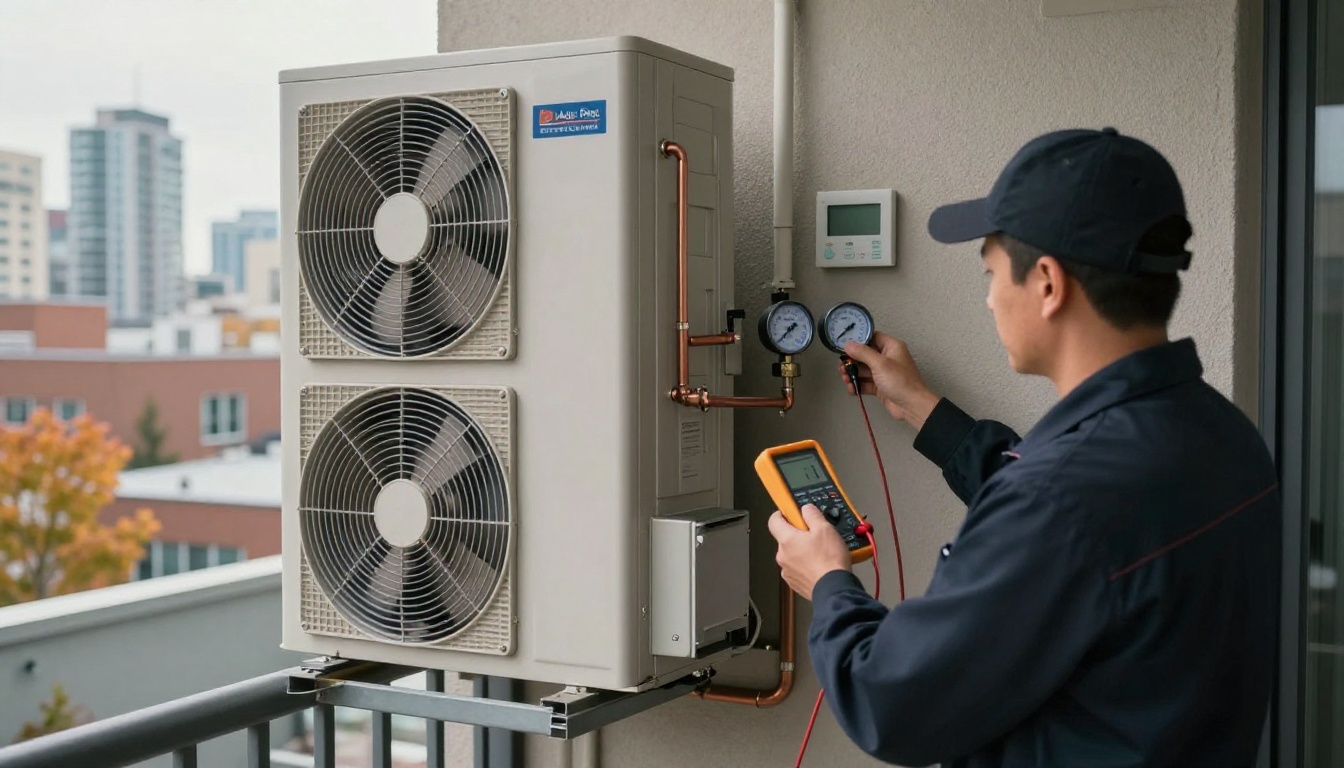
What a proper Magic Pak service visit should include
A real diagnostic visit is more than changing a filter and listening for noise. For condo boards and residents comparing vendors, this is where quality varies a lot.
A typical Hudson fall service visit for a Magic Pak unit generally includes:
- verification of thermostat operation and call sequence
- filter inspection and airflow assessment
- blower motor amp draw check against nameplate
- capacitor testing under load where applicable
- inspection of wheel cleanliness and shaft play
- heating section startup and safety verification
- inspection of ignition components and flame-sensing condition
- condensate drain and pan inspection
- exterior vent/intake assessment where accessible
- temperature rise or supply/return differential check
Typical in-suite timeline: 60-90 minutes for maintenance, 90-150 minutes for diagnosis and minor repair, assuming normal condo access and no hidden wiring or venting issues. More complex part replacements can extend to 2-3 hours, especially when cabinetry or tight closet clearances slow access.
For buildings with many similar units, Hudson sometimes recommends combining suite visits with a building-level review of related systems. If a condo corporation has recurring in-suite HVAC complaints, it may be time for preventive mechanical maintenance or a broader comprehensive maintenance program, especially where ventilation, make-up air, or stack effects are contributing to comfort problems.
Repair costs in Toronto: realistic ranges for condo owners
Pricing varies by model, access, and part availability, but these are realistic GTA ranges for 2026.
Common Magic Pak maintenance and repair ranges
| Service or Repair | Typical Toronto Range | Notes |
|---|---|---|
| Diagnostic/service call | $180-$320 | Higher after hours or with difficult condo access |
| Annual maintenance visit | $220-$450 | Depends on scope and filter/drain work |
| Capacitor replacement | $250-$400 | Often same-day if stock is available |
| Thermostat replacement | $300-$650 | Depends on control type and wiring |
| Pressure switch/ignition repair | $400-$750 | Can vary by model generation |
| Drain cleaning/minor leak repair | $275-$550 | More if pan is cracked or access is limited |
| Blower motor repair/replacement | $650-$1,100 | ECM-style motors can be higher |
| Control board replacement | $700-$1,400 | Part availability is a major factor |
| Major heating section repair | $900-$1,800+ | Depends on combustion components |
| Full unit replacement | $6,500-$11,000+ | Condo logistics and venting matter |
A detail many blogs leave out: condo logistics affect price. Elevator booking, parking, concierge coordination, after-hours access, and working in tight mechanical closets all add time. In some downtown Toronto towers, just moving tools, protecting finishes, and complying with move/material protocols adds 20-30 minutes to a simple service call.
If a unit is beyond economical repair, Hudson can help evaluate heat pump replacement projects or other in-suite equipment upgrades, depending on what the building was designed to support.
Repair or replace? A practical condo decision framework
Residents and boards often ask the wrong question: “Can it be repaired?” Almost anything can be repaired if parts exist. The better question is whether it should be.
Repair is usually the better choice when:
- the unit is under 12-15 years old
- the cabinet is structurally sound
- the failure is isolated to controls, motors, capacitors, thermostat, or drainage
- prior repair history is light
- parts are available within days, not weeks
Replacement deserves serious consideration when:
- the unit is 18+ years old
- corrosion is visible at the base pan or heat section
- repeated no-heat calls happen every winter
- multiple major components are failing in sequence
- parts are obsolete or backordered for weeks
- the condo corporation is considering suite-wide capital planning
For condo boards, the reserve fund angle matters. A building-wide replacement strategy may align better with long-term planning than repeated one-off emergency repairs. Hudson often supports these reviews through project planning for condo HVAC retrofits, especially where unit standardization reduces future service complexity.
What condo boards and property managers should pay attention to
Magic Pak issues are not always isolated to one suite. If a building starts seeing repeated blower failures, drain complaints, or winter no-heat calls across similar stack lines, there may be a pattern tied to installation age, airflow design, or deferred maintenance.
Three building-level insights from Hudson’s field experience:
- Units in upper floors and corner exposures fail differently. Stack effect and wind exposure can alter draft behavior, especially in Toronto and North York high-rises.
- Renovated suites often hide serviceability problems. Custom millwork installed too close to the access panel can turn a 90-minute repair into a 3-hour job.
- Dryer vent and ventilation neglect can worsen suite air quality complaints that residents blame on the HVAC unit. In fall, pairing Magic Pak service with dryer vent cleaning and ERV maintenance often solves comfort and odor complaints more completely than HVAC service alone.
For buildings with aging in-suite equipment portfolios, Hudson also helps boards compare targeted repairs versus phased fan coil retrofit programs, even when the existing equipment mix includes more than one suite HVAC type.
FAQs
How often should a Magic Pak unit in a condo be serviced?
A Magic Pak in a Toronto condo should be professionally serviced at least once per year, and twice per year is better if the unit provides both heating and cooling year-round. In Hudson HVAC’s experience, annual fall service catches the most expensive winter failures early: weak inducer motors, dirty flame sensors, cracked drain pans, and blower capacitors that are still testing borderline but will fail during the first real cold snap. For buildings near the waterfront or in wind-exposed areas of Etobicoke and downtown Toronto, corrosion and intake contamination can justify more frequent checks.
What are the most common Magic Pak problems in condo buildings?
The most common issues are dirty evaporator or heating sections, failed blower motors, weak run capacitors, pressure switch faults, blocked condensate drains, ignition failures, and thermostat communication problems. In older condo buildings from the late 1990s and early 2000s, Hudson often sees neglected filters causing high static pressure, which overheats the heat exchanger and shortens motor life. Another condo-specific issue is restricted exterior louvers, where lint, leaves, or wind-driven debris reduce combustion air or airflow and create intermittent faults that are hard to diagnose without testing.
How much does Magic Pak repair cost in Toronto?
Most Magic Pak repairs in Toronto fall between $350 and $1,250 depending on the failed part, access, and whether the issue is electrical, airflow-related, or combustion-related. Typical examples include capacitor replacement at about $250-$400, blower motor repairs around $650-$1,100, pressure switch or ignition-related repairs around $400-$750, and more extensive control or heat exchanger-related work that can exceed $1,500. Emergency after-hours service usually adds a premium, especially during the first major cold stretch in November or December when demand spikes across Toronto and Mississauga.
Can condo residents do any Magic Pak maintenance themselves?
Yes, but only a few tasks are safe and worthwhile for residents: replacing or cleaning the correct filter, keeping the return air grille unobstructed, checking the thermostat batteries if applicable, and looking for visible water around the drain area. If your unit has a front access panel, you can also inspect for excessive dust buildup, but combustion components, gas valves, pressure switches, and electrical testing should be left to a qualified technician. In Ontario, any gas-related repair work must be done by properly licensed personnel, and condo corporations may also require approved vendors for in-suite HVAC service.
When should a Magic Pak be repaired versus replaced?
Repair usually makes sense when the unit is under about 12-15 years old, the heat exchanger is sound, and the repair is limited to serviceable components like motors, capacitors, igniters, thermostats, or valves. Replacement becomes the better long-term decision when the cabinet is heavily corroded, parts are obsolete, repeated repairs are adding up, or the heat exchanger or major control section has failed. In Toronto condos, Hudson often recommends a replacement review once repair costs exceed roughly 30-40% of the installed replacement cost, especially if the building is planning a broader suite equipment upgrade program.
Next steps before winter arrives
If your magic pak hvac condo system has not been serviced since last heating season, fall is the right time to act. Waiting until the first January cold snap usually means fewer appointment options, higher emergency risk, and a greater chance that a small issue becomes a no-heat breakdown.
For condo residents in Toronto, North York, or Mississauga, Hudson can inspect the unit, identify whether the problem is filter-related, control-related, drainage-related, or a true component failure, and recommend the most practical next step. If you are comparing providers, review Hudson’s local condo HVAC repair service in North York, condo HVAC repair in Mississauga, and additional resources on the Hudson blog.
If your unit is noisy, leaking, short-cycling, or not heating consistently, book service before outdoor temperatures drop further. And if your building is seeing repeated in-suite HVAC complaints across multiple suites, ask about a preventive maintenance review or building-wide assessment rather than treating every breakdown as a one-off.
Contact Hudson
For magic pak maintenance, magic pak repair Toronto, or a condo HVAC assessment, Hudson HVAC is available to help with in-suite service, emergency calls, and building-wide planning.
- Contact Us
- Phone: +1 (437) 448-0640
- Email: service@hudsonhvac.ca