Managing Multi-Vendor HVAC Systems in Older Toronto Condos
Explore effective strategies for managing multi-vendor HVAC systems in older Toronto condo buildings. Tips for property managers.
- Hudson HVAC
- 4 min read
Managing Multi-Vendor HVAC Systems in Older Toronto Condos
Quick summary: Managing multi-vendor HVAC systems in older Toronto condos requires careful coordination and expert knowledge. This post outlines strategies for effective management, from diagnosing issues to scheduling maintenance and controlling costs.
The Fast Diagnosis: What’s Going On
Older condo buildings in Toronto, like those in North York and Scarborough, often feature multi-vendor HVAC systems. These systems are the result of phased installations over the years, frequent retrofits, or repairs that introduced components from various manufacturers. In our experience, this can lead to a complex web of equipment that requires precise management, especially during the transition from heating to cooling in spring.
Common Causes: Why This Happens
Multi-vendor systems usually emerge from several historical decisions:
- Phased Installations: Buildings constructed in stages often adopted different HVAC solutions over time, resulting in a mix of systems.
- Retrofits and Repairs: Upgrades or repairs that replace old parts with new, often from different manufacturers, add to the mix.
- Vendor Changes: Over the building’s lifespan, changes in preferred vendors for maintenance or repairs introduce further variability.
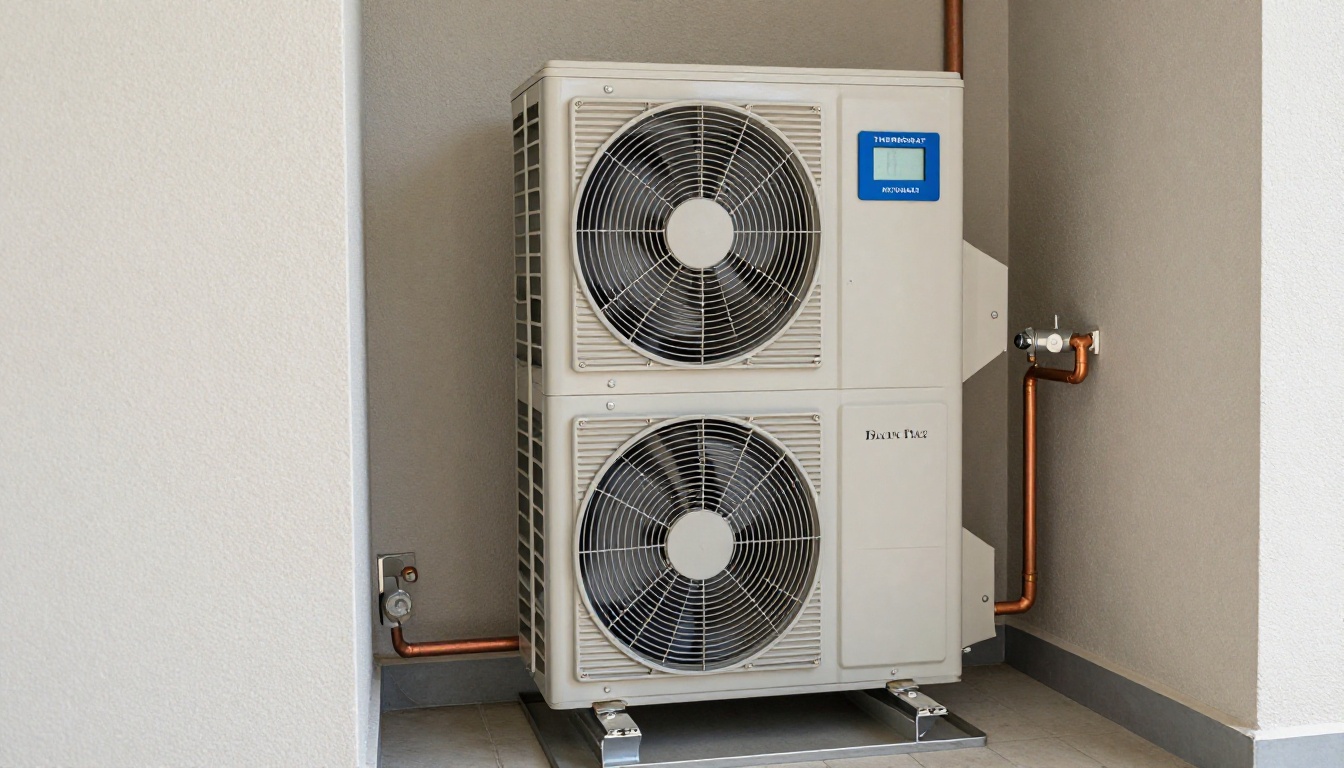
In older Toronto condos, it’s not uncommon to find a combination of Carrier 42 Series fan coils alongside Daikin heat pumps, all serviced by different vendors.
What You Can Do Right Now: DIY Safe Steps
Property managers can take several steps to better handle these systems:
- Audit Equipment: Regularly inspect all HVAC units to document manufacturer details and model numbers. This helps in tracking maintenance needs and sourcing parts.
- Review Maintenance Logs: Keep a detailed record of past services, repairs, and part replacements. This historical data is invaluable for anticipating future issues.
- Schedule Consistent Inspections: Ensure all systems are checked at least biannually to catch issues early, especially before switching to cooling.
When to Call a Professional: Signs You Need Help
Some signs indicate it’s time to consult HVAC professionals:
- Inconsistent Cooling: If some units fail to cool effectively during the first warm days of spring.
- Frequent Breakdowns: Regular HVAC issues despite recent repairs suggest systemic problems.
- Noise and Odors: Unusual sounds or smells from units often signal mechanical or mold issues that need professional attention.
For emergency services, Hudson HVAC offers 24/7 support.
What to Expect from a Service Visit: Typical Timeline and Process
When you call in the experts, expect a thorough process:
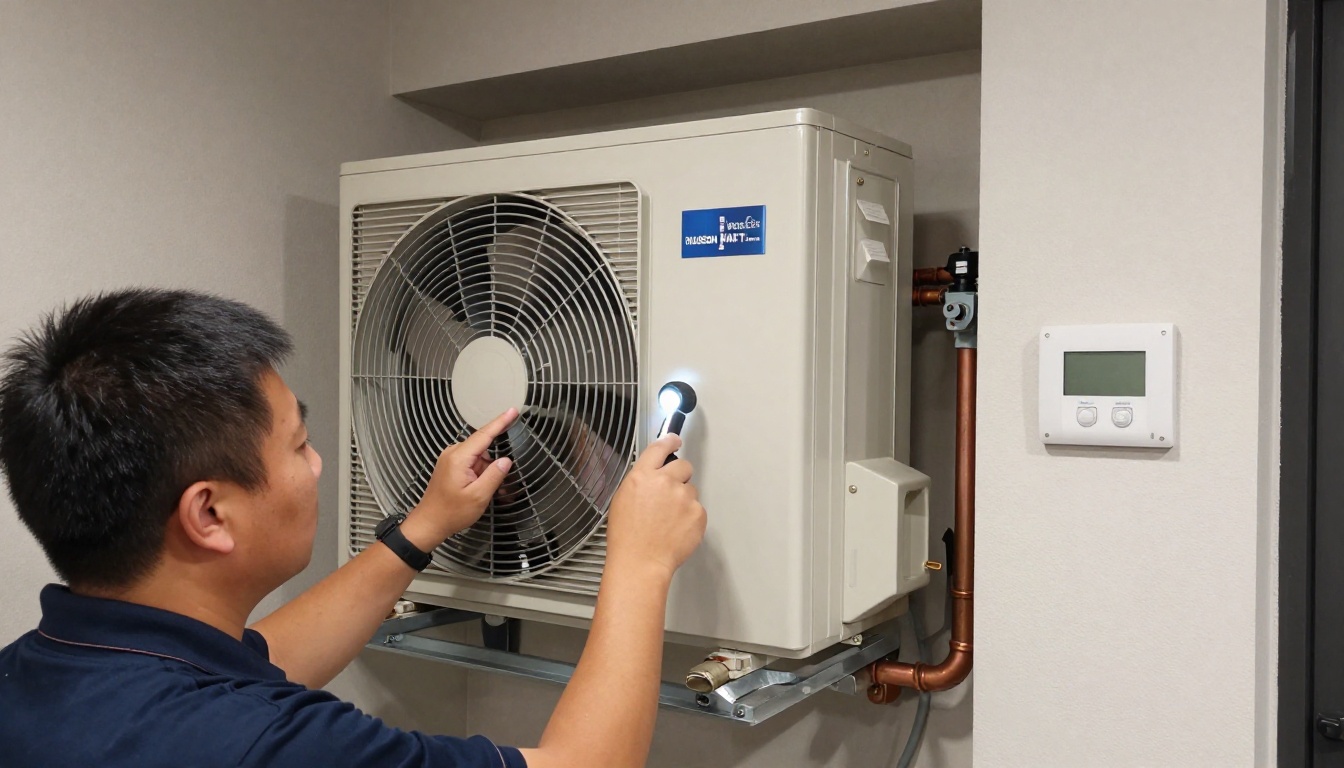
- Initial Assessment (1-2 Hours): Technicians will inspect the entire system, identifying each unit’s manufacturer and current condition.
- System Diagnostics (2-3 Hours): Detailed testing of system performance, refrigerant levels, and airflow.
- Maintenance and Repairs (Varies): Depending on findings, immediate repairs or adjustments may be made, or scheduled for a later date.
- Follow-Up Reporting: A comprehensive report detailing findings, actions taken, and recommendations for future maintenance.
Cost Factors with Real Ranges
Managing these systems can be costly, but understanding the breakdown helps:
- Basic Inspection and Tune-Up: Typically $500-$1,000 per unit.
- Complex Repairs: Can range from $1,500 to $3,000 if part replacements from different vendors are needed.
- System Overhaul: In some cases, retrofitting or replacing entire systems might be more cost-effective long-term, typically ranging from $10,000 to $20,000 for a building-wide update.
FAQs
Why do older condos have multi-vendor HVAC systems?
Older condos often have multi-vendor HVAC systems due to phased installations, retrofits, and previous repairs that introduced components from different manufacturers. These systems can be challenging to manage due to variations in part compatibility and maintenance requirements.
How can property managers identify HVAC system vendors in a building?
Property managers can identify HVAC system vendors by reviewing maintenance logs, inspecting equipment labels for manufacturer names and model numbers, and consulting historical documentation or previous vendor contracts. Regular audits of the systems can also help maintain an up-to-date equipment inventory.
What are the challenges of managing multi-vendor HVAC systems?
Managing multi-vendor HVAC systems involves coordinating different service schedules, sourcing compatible parts from various vendors, and dealing with inconsistent system performance. Property managers must also ensure that any upgrades or replacements do not disrupt the overall system compatibility.
How often should multi-vendor HVAC systems be serviced?
Multi-vendor HVAC systems in older condos should be serviced at least twice a year—once in the spring before switching to cooling, and once in the fall before heating season. Regular maintenance helps ensure efficiency and reduces the risk of unexpected breakdowns.
What is the cost implication of managing multi-vendor HVAC systems?
Managing multi-vendor HVAC systems may incur higher costs due to the need for specialized technicians, varied parts, and more frequent maintenance visits. Costs can range from $1,000 to $3,000 annually per unit, depending on system complexity and condition.
Next Steps / Call to Action
If your older condo building’s HVAC system is a patchwork of vendors, now is the perfect time to schedule a comprehensive assessment. Contact Hudson for a detailed evaluation and customized maintenance plan to ensure your systems run smoothly this spring.
Contact Hudson
- Contact Us
- Phone: +1 (437) 448-0640
- Email: service@hudsonhvac.ca