Net Zero Condos in Toronto: Essential HVAC Upgrades
Explore the HVAC changes needed for net zero condos in Toronto, focusing on efficiency, sustainability, and specific upgrades.
- Hudson HVAC
- 4 min read
Net Zero Condos in Toronto: Essential HVAC Upgrades
Quick summary
Transforming Toronto condos into net zero buildings requires substantial HVAC upgrades, focusing on energy efficiency and sustainability. By integrating high-efficiency systems and smart technologies, condos can reduce their carbon footprint and enhance comfort.
The Fast Diagnosis: Understanding Net Zero Goals
Achieving net zero status means that a building produces as much energy as it consumes, effectively balancing its energy usage. This is particularly challenging in Toronto’s condo sector, where diverse building ages and designs complicate upgrades. The push towards net zero is driven by a combination of governmental policy, rising energy costs, and increasing demand for sustainable living options. In our experience servicing Toronto condos, we’ve found that the most impactful HVAC changes involve both technology upgrades and strategic building management.
Common Causes: Why Traditional HVAC Systems Fall Short
Traditional HVAC systems in older Toronto condos often lack the efficiency needed for net zero performance. For instance, many buildings constructed before 2005 rely on outdated 2-pipe fan coil systems, which are less efficient than modern alternatives like 4-pipe systems. These older systems struggle with simultaneous heating and cooling, leading to energy wastage. Furthermore, poor insulation, outdated thermostats, and lack of ventilation control contribute to inefficiencies that increase a building’s carbon footprint.
What You Can Do Right Now: Initial Steps Towards Net Zero
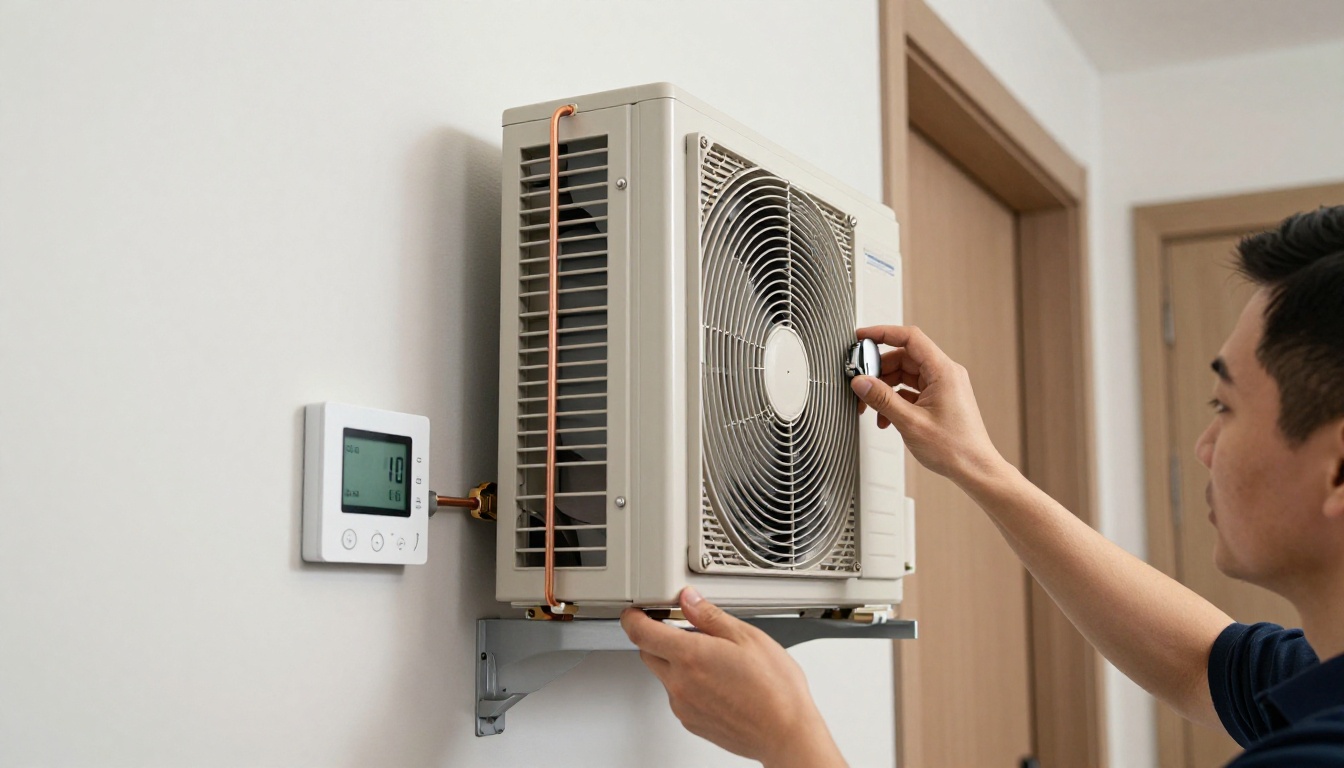
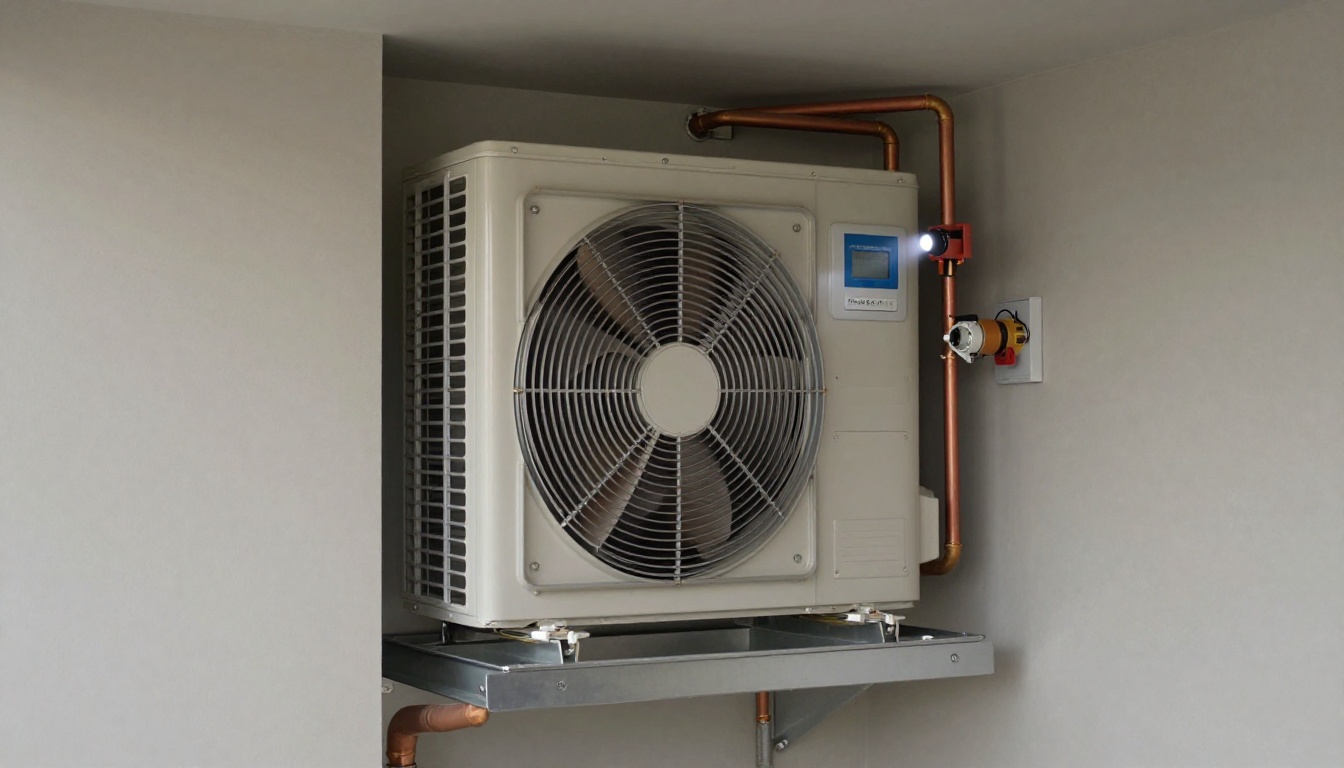
Start by evaluating your current HVAC system. Check if your unit uses a high-efficiency heat pump, such as a Daikin DERU or Mitsubishi City Multi, which offer superior energy performance. Conduct an insulation audit; sealing leaks and improving window efficiency can drastically reduce energy consumption. Additionally, consider installing smart thermostats. Locate your existing thermostat, typically mounted on a wall in your living area, and replace it with a programmable model like a Honeywell T9, which adapts to your schedule and optimizes energy use.
When to Call a Professional: Signs You Need Expert Help
If you’re noticing uneven cooling, increased energy bills, or frequent HVAC system cycling, it’s time to consult a professional. These issues often indicate that your system is overburdened or inefficient. A local expert from Hudson can conduct a comprehensive assessment, identifying areas where efficiency can be improved. Additionally, if your building’s management is considering a transition to net zero, professional guidance is essential to navigate the complexities of such upgrades.
What to Expect from a Service Visit: Typical Timeline and Process
During a service visit, a technician will perform a detailed energy audit, including thermal imaging to detect heat loss areas and airflow measurements to ensure adequate ventilation. Expect the visit to last 2-4 hours per unit. For building-wide assessments, the process may extend over several days. Post-assessment, you’ll receive a report detailing recommended upgrades, potential energy savings, and an implementation timeline.
Cost Factors with Real Ranges
Investing in net zero HVAC systems involves significant upfront costs but offers long-term benefits. High-efficiency heat pumps can cost $5,000-$8,000 per unit, while installing energy recovery ventilators (ERVs) typically costs $2,000-$5,000. For building-wide projects, retrofitting costs can range from $100,000 to $500,000, depending on the building’s size and existing infrastructure. However, these investments often reduce energy bills by 20-30% annually, offering a substantial return on investment over time.
Comparison of HVAC Systems for Net Zero
| Upgrade Option | Pros | Cons |
|---|---|---|
| High-Efficiency Heat Pumps | Energy-saving, environmentally friendly | Higher upfront cost |
| Smart Thermostats | Optimizes energy usage, user-friendly | Requires initial setup |
| Energy Recovery Ventilators (ERVs) | Improves air quality, reduces energy loss | Maintenance required |
FAQs
What are the key HVAC changes for net zero condos?
Upgrading to high-efficiency heat pumps, integrating smart thermostats, and improving building insulation are critical. Considering energy recovery ventilators (ERVs) to enhance indoor air quality and reduce energy loss is also important.
How much can HVAC upgrades cost for a net zero conversion?
Costs can vary widely, but expect to invest $5,000-$15,000 per unit for high-efficiency systems and ERVs. Building-wide upgrades can range from $100,000 to $500,000 depending on the scope and size of the building.
How long does it take to retrofit a condo for net zero HVAC?
The timeline can range from 6 to 12 months for comprehensive retrofits, including planning, design, and installation. Building-wide projects may extend longer, depending on the scale and existing infrastructure.
What is the role of smart thermostats in net zero condos?
Smart thermostats optimize energy usage by learning occupancy patterns and adjusting temperatures automatically. They can reduce energy consumption by 10-15%, contributing to a building’s net zero goals.
Are there financial incentives for net zero HVAC upgrades in Toronto?
Yes, there are several incentives available, including rebates from Enbridge Gas and the Canada Greener Homes Grant, offering financial support for energy-efficient upgrades.
Next Steps / Call to Action
Transitioning your condo to net zero requires careful planning and expert execution. If your building is considering this upgrade, consult Hudson for a comprehensive energy audit and tailored recommendations. By investing in these changes, you’ll enhance your building’s sustainability while reducing energy costs.
Contact Hudson
For expert guidance on net zero HVAC upgrades in Toronto, contact Hudson:
- Phone: +1 (437) 448-0640
- Email: service@hudsonhvac.ca