
Ontario Condo Act HVAC Responsibility in Toronto Condos
Understand owner vs corporation HVAC responsibility under the Ontario Condo Act for Toronto condos, with real examples, costs, and maintenance guidance.
- Hudson HVAC
- 18 min read
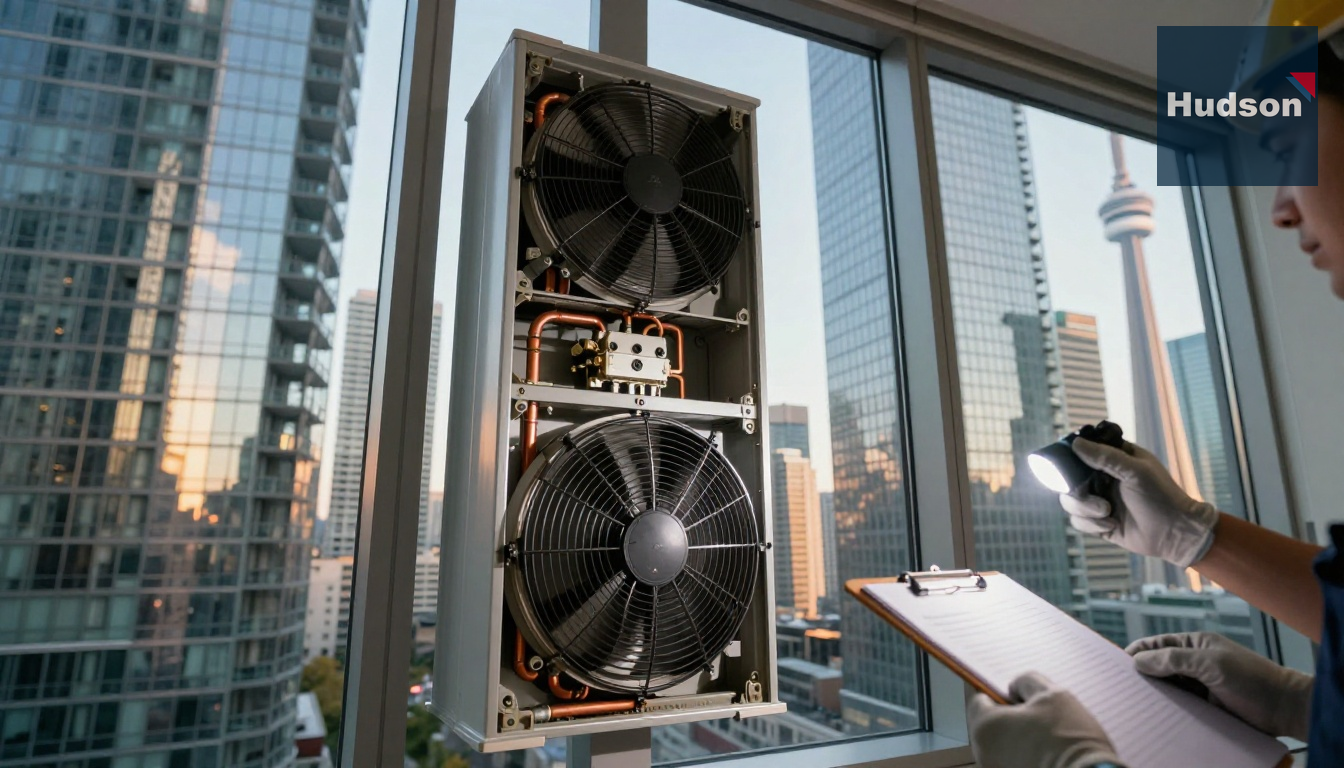
Ontario Condo Act HVAC Responsibility in Toronto Condos
Quick summary: If you live in a Toronto condo, HVAC responsibility is not determined by guesswork or by what happened in your friend’s building. Under the Ontario condo framework, the real answer usually sits in the declaration, description, bylaws, and any alteration agreements—and getting it wrong can turn a routine fan coil issue into a dispute over thousands of dollars in repairs, chargebacks, and access delays.
Every fall, Hudson HVAC gets the same urgent question from owners, boards, and managers in Toronto, North York, and Mississauga: “Is this our problem, or the corporation’s?” The answer matters most right before winter, when neglected fan coils, failing actuators, stuck 3-way valves, dirty ERVs, and blocked dryer vents start causing no-heat complaints and water leaks just as buildings are trying to stabilize for cold weather.
The biggest misconception: the Ontario Condo Act does not give one simple HVAC answer
A lot of owners assume the Ontario Condo Act maintenance rules must say something like “the corporation handles HVAC.” In practice, that is not how condo HVAC disputes are resolved. The Act sets the framework for maintenance and repair obligations, but the building-specific answer usually comes from the condo corporation’s governing documents—especially the declaration and description—which define what is a unit and what is a common element.
That is why two high-rise condos on the same block in downtown Toronto can have completely different outcomes for the same issue. In one building, a leaking fan coil drain pan may be the owner’s cost. In the next building, the corporation may cover part of the piping but not the in-suite cabinet or blower assembly. If you need a practical baseline before digging into documents, Hudson’s team often starts with whether the problem is tied to in-suite equipment or shared building infrastructure. For owners trying to understand how suite equipment is maintained in practice, Hudson’s in-suite HVAC maintenance services give a good picture of what usually falls inside the unit boundary.
One common mistake we encounter in older North York high-rises is relying on a property manager’s old spreadsheet instead of the registered documents. That becomes a problem when a blower motor fails, the corporation pays once out of convenience, and owners then assume the same precedent applies forever. It usually does not. A single past payment is not a legal reclassification of the component.
What usually belongs to the owner vs the corporation
There are exceptions in every building, but after servicing 200+ condo buildings across the GTA, Hudson sees some repeating patterns.
Items often treated as owner responsibility
In many Toronto, Mississauga, and North York condos, owners are commonly responsible for:
- The fan coil unit cabinet inside the suite closet
- Blower motor and squirrel cage assembly
- Actuator and sometimes the in-suite control valve assembly
- Drain pan and short condensate drain connection
- Thermostat and low-voltage wiring inside the suite
- In-suite ERV cores/filters or local ventilation accessories
- Damage caused by poor maintenance, delayed reporting, or unauthorized modifications
These are the components Hudson most often addresses during fan coil repair and replacement, blower motor repair, actuator replacement, and thermostat installation and replacement. In practical terms, if the equipment is physically inside your suite and serves only your suite, there is a strong chance the owner has at least some responsibility—but not always full responsibility.
Items often treated as corporation responsibility
The corporation is more commonly responsible for building-wide systems and shared assets such as:
- Boilers and hydronic heating plant
- Chillers and condenser water systems
- Cooling towers
- Make-up air units serving corridors or common areas
- Main riser piping, loop pumps, and major valves serving multiple suites
- Common electrical/mechanical infrastructure in mechanical rooms
- Building-wide seasonal switchover of heating/cooling where applicable
That is why reserve fund planning often includes projects such as boiler replacement, chiller retrofit, cooling tower replacement, or make-up air unit replacement. In our experience servicing Toronto condos, boards often underestimate how much owner-side neglect shows up later as a corporation-side cost because dirty in-suite coils and failed valves can throw off balancing, increase pump run time, and trigger comfort complaints that look like central plant issues.
The gray zone: where disputes usually happen
The most disputed items are usually:
- Branch piping entering the suite
- Isolation valves near the unit
- 2-way or 3-way valves on fan coil systems
- Condensate drain connections tied into shared stacks
- Sleeve penetrations and firestopping
- Heat pump loop piping in water-source systems
This is where building age matters. Buildings constructed before roughly 2005 in Toronto often have 2-pipe fan coil systems, which means the building switches seasonally between heating and cooling. Newer buildings are more likely to have 4-pipe systems or water-source heat pumps that allow more flexibility. That design difference affects responsibility because the corporation controls the central water conditions, but the owner may still own the terminal unit that uses that water.
A field-tested way to diagnose responsibility fast
When a no-heat or leak call comes in during fall, Hudson’s technicians and coordinators usually ask five questions before anyone starts assigning blame.
- What exactly failed? A thermostat, actuator, blower motor, valve body, drain pan, riser elbow, or central loop issue are all treated differently.
- Where is it located? Inside the suite closet, above the ceiling, inside a bulkhead, or in a common mechanical chase matters.
- Who does it serve? One suite only, a vertical stack, or the whole building?
- What do the documents call it? Unit component, standard unit item, or common element?
- Was there prior alteration work? Section 98 agreements often transfer future maintenance obligations.
This sounds administrative, but it saves time. We have seen Etobicoke and North York buildings lose two to five business days in winter-prep season because no one could confirm whether a leaking in-suite valve was owner work or corporation work. During that delay, water kept dripping into a lower unit and the final bill grew from a likely $450-$700 valve repair to more than $4,000 once drywall, painting, and emergency drying were added.
If your issue involves water around the unit, the most urgent service page to review is drain pan cleaning and leak repair, because responsibility fights should never delay leak containment.
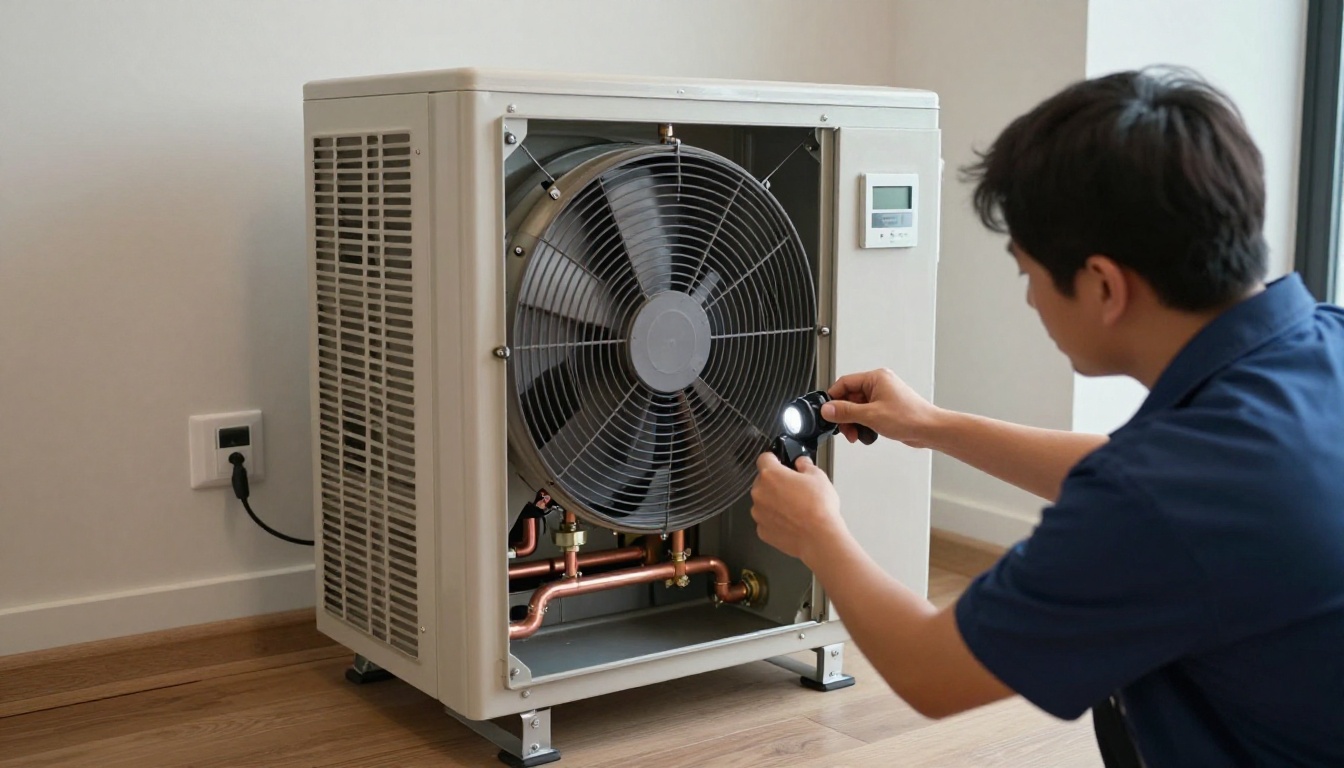
The HVAC failures that create the most owner-vs-corporation disputes
1. Actuator failures mistaken for “building heat problems”
A failed actuator is one of the most common reasons a condo owner says, “The building turned the heat on, but my unit is still cold.” In many fan coil systems, the actuator opens the valve when the thermostat calls for heat. When it fails, the blower may run normally but no hot water enters the coil. The giveaway is often a clicking sound every 10-15 seconds as the actuator tries and fails to seat, or a pipe that stays lukewarm while neighboring suites heat properly.
In Toronto condos, an actuator replacement typically runs $350-$600 including labour, depending on access and model. Some older buildings still use Honeywell or Erie-style heads on aging valve bodies, and parts availability can add days if the exact stroke length or voltage is unusual. That is one reason fall inspections matter: once the first cold snap hits, backordered actuators become a building-wide problem.
2. 3-way valve problems that look like thermostat issues
A thermostat gets blamed far more often than it should. In many 1980s and 1990s high-rises in North York and Mississauga, the real issue is a sticking 3-way valve or a worn cartridge that no longer diverts flow correctly. The symptom pattern is specific: the unit may overheat when it should be off, stay cool during heat calls, or cycle unpredictably because the valve is bypassing water even when the actuator responds.
A typical 3-way valve replacement in a condo unit often falls in the $650-$1,200 range because it may require hydronic isolation, draining a small section, and coordination with building staff. In some buildings, the repair also requires scheduled shutdown windows, which is exactly why responsibility should be clarified before winter—not during a Friday night no-heat complaint.
3. Drain pan and condensate issues that become legal issues
Owners often assume leaks are always a corporation matter because “pipes are building-related.” That assumption is expensive. In-suite drain pans corrode from the inside out, especially where dust, biofilm, and standing condensate sit against thin-gauge metal. Hudson has opened fan coil cabinets in waterfront Toronto buildings and found pans with pinholes that were invisible until the cooling season ended and rust staining appeared on the cabinet base.
A basic fan coil maintenance program usually catches this early. Typical drain pan cleaning and minor repair costs run $250-$500; replacing a badly corroded pan or modifying drain components can be $700-$1,500 depending on unit configuration. Compare that with a downstairs insurance claim, which can easily exceed $5,000-$15,000 once flooring, drywall, and dehumidification are involved.
4. Blower motor failure during heating season startup
In fall, a lot of fan coils fail not because the heating water is unavailable, but because the blower motor sat idle or dirty through shoulder season and then seized when finally called into regular operation. A high-pitched whine usually points to worn bearings; a humming motor with no wheel movement often means the capacitor or motor is failing; and a burnt electrical smell near the lower panel is a stop-using-it-now situation.
Typical blower motor repair in Toronto condos ranges from $450-$900, while full motor-and-wheel replacement can run $900-$1,600 depending on unit age and access. In our experience, one overlooked factor is dust loading from clogged dryer vents and poor suite ventilation, which accelerates lint accumulation around return air pathways and blower wheels. That is why fall is also the right time to schedule dryer vent cleaning and ERV maintenance where applicable.
What owners can do right now before winter—and what they should not do
If you are trying to avoid both a breakdown and an argument about owner vs corporation HVAC, here are the safe, practical steps Hudson recommends every fall.
Safe owner steps
- Remove the lower or front access panel of the fan coil if your building allows it.
- Locate the 1-inch or 2-inch filter and hold it up to light. If you cannot see light through much of the media, replace it.
- Check the thermostat mode and setpoint. In 2-pipe buildings, “cool” mode on the thermostat does not create cooling if the building has switched to heating water.
- Look for rust staining, water marks, or white mineral deposits near the valve assembly or drain pan.
- Listen for specific sounds: clicking actuator, whining blower bearings, or water trickling after the unit shuts off.
- Photograph the equipment label and any visible issue before calling management or a contractor.
If the unit has not been serviced in the last 12 months, booking annual in-suite maintenance is usually the smartest preventive step. In buildings with water-source heat pumps rather than fan coils, the equivalent service is heat pump maintenance.
What not to do
- Do not force a manual valve open unless building management or a licensed technician instructs you.
- Do not pour bleach or drain opener into a condensate line; it can damage components and create fumes inside the suite.
- Do not replace thermostats with smart models unless compatibility with the building’s control voltage and sequence has been confirmed.
- Do not ignore a small leak because “it only happens in summer.” Many fall service calls reveal year-round corrosion created by summer condensate.
One common mistake in older Toronto towers is owners replacing a basic thermostat with a retail smart thermostat that needs a common wire or different relay logic. The result can be a fan that runs continuously, an actuator that never closes, or a transformer that burns out. If a thermostat upgrade is needed, use a contractor familiar with condo controls and thermostat replacement in condo HVAC systems.
What condo boards and property managers should do before cold weather hits
The board’s job is not just to approve repairs—it is to reduce ambiguity before failures happen. The most organized corporations in Toronto usually do three things every fall.
1. Publish an HVAC responsibility matrix
This should be a one-page chart in plain English listing common items such as fan coil cabinet, blower motor, thermostat, actuator, in-suite valve, branch piping, riser, drain pan, common loop, and seasonal switchover. It should cite the declaration/description basis for each item. Hudson has seen service authorization times drop from 48-72 hours to same-day approval once this matrix exists.
2. Schedule preventive inspections, not just reactive calls
Buildings that rely only on emergency service pay more over time. A structured mechanical maintenance program or comprehensive mechanical maintenance plan helps separate suite-level wear items from corporation-level capital issues. That distinction matters for reserve fund studies, because replacing 250 owner-responsible fan coils is a very different budget conversation from replacing a central boiler or chiller.
3. Identify end-of-life equipment before winter
For fan coils, practical end-of-life in GTA condos is often around 18-25 years, though some limp along longer with repeated repairs. Once cabinets are rusting, motors are obsolete, and valves are seizing regularly, a building-wide fan coil retrofit program may be more cost-effective than endless one-off repairs. For central plant issues, boards should evaluate projects and capital upgrades before emergency season begins.
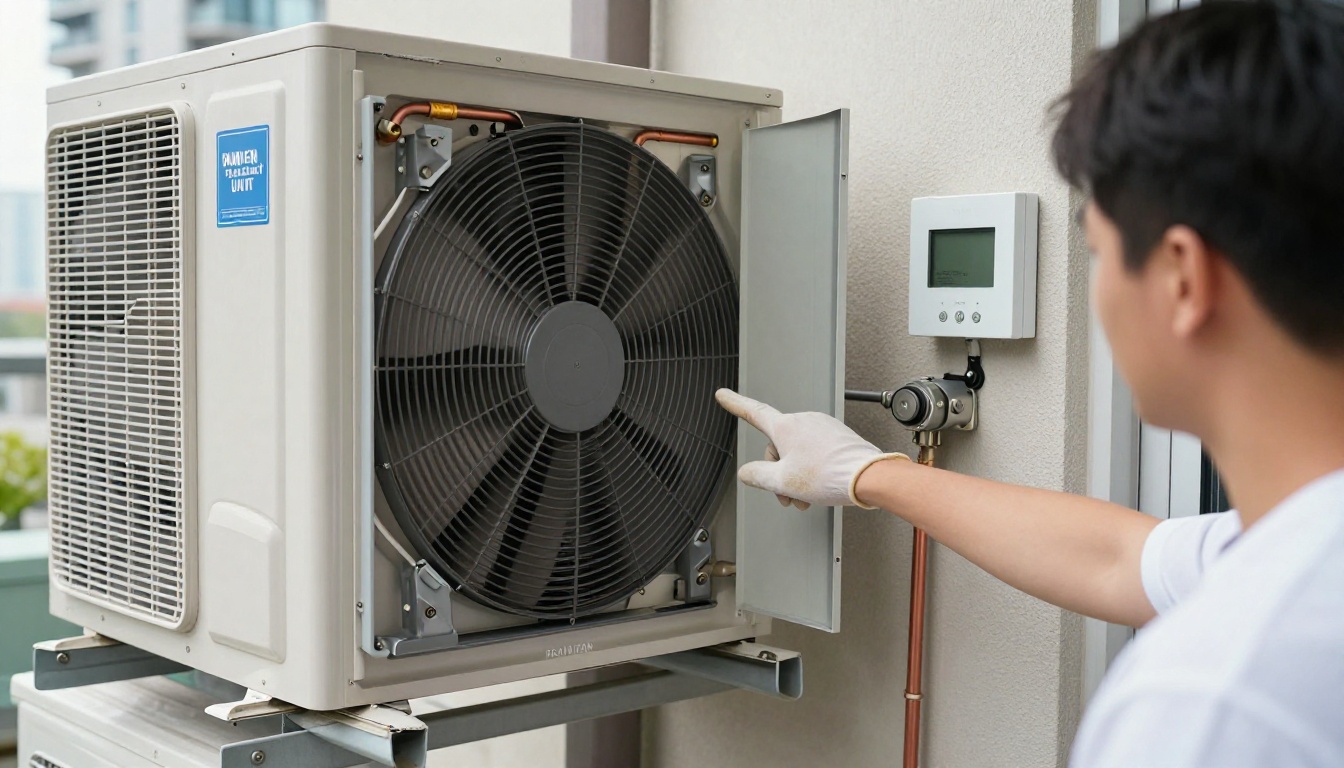
What a service visit usually looks like when responsibility is unclear
When Hudson is called into a responsibility dispute, the most efficient visits are the ones where the technician is asked to do two separate jobs: diagnose the mechanical failure and document the equipment boundary. Those are not always the same thing.
A typical in-suite diagnostic visit takes 45-90 minutes and includes:
- Visual inspection of the fan coil or heat pump
- Thermostat call testing
- Temperature readings across the coil
- Verification of actuator or valve operation
- Inspection of drain pan, trap, and condensate route
- Photos of the equipment, labels, and nearby piping
- Written notes identifying likely owner-side vs shared-side components
If there is no heat building-wide, the issue may not be inside the suite at all. That is when the building should escalate to Toronto condo HVAC repair support, or location-specific support in North York or Mississauga, depending on where the property is located.
For emergency no-heat, active leaks, or electrical burning smells, skip the debate and call 24/7 emergency HVAC repair. The Ontario reality is simple: stabilize the condition first, allocate cost second.
Real Toronto condo cost ranges: owner issue, corporation issue, or both?
Below is a field-based framework Hudson uses with property managers. Exact pricing varies by access, equipment brand, after-hours timing, and whether hydronic isolation is required.
| Issue | Usually falls to | Typical Toronto cost | Notes |
|---|---|---|---|
| Filter replacement/service visit | Owner | $180-$350 | Often cheapest preventive step |
| Thermostat replacement | Owner | $250-$550 | Smart thermostat compatibility can increase cost |
| Actuator replacement | Owner or gray zone | $350-$600 | Depends whether valve assembly is owner or corp responsibility |
| Blower motor repair | Owner | $450-$900 | Obsolete motors can push cost higher |
| 3-way valve replacement | Gray zone | $650-$1,200 | Often needs coordination with building staff |
| Drain pan cleaning/minor repair | Owner | $250-$500 | Delay often causes larger damage claims |
| Fan coil replacement | Owner in many buildings | $3,500-$6,500 per unit | Access, asbestos history, and controls affect price |
| Riser or shared loop repair | Corporation | $1,500-$10,000+ | Depends on shutdowns, drywall access, and extent |
| Boiler/chiller issue affecting many suites | Corporation | Varies widely | Often reserve fund or capital budget item |
A useful rule of thumb: if the repair serves one suite only, it is more likely to be owner-side; if it serves multiple suites or a whole system, it is more likely corporation-side. But “more likely” is not the same as “guaranteed.” That is why written documentation matters.
Repair vs replace: a decision framework boards and owners can actually use
When responsibility is clear, the next question is whether the equipment should be repaired or replaced.
Repair usually makes sense when:
- The unit is under 15 years old
- The cabinet is structurally sound
- Parts are readily available
- The issue is isolated to thermostat, actuator, capacitor, or a single motor
- The unit has had fewer than 2 major repairs in 24 months
Replacement deserves serious consideration when:
- The unit is 18-25+ years old
- There is recurring corrosion or drain pan failure
- Multiple components are failing together
- The blower wheel/housing is heavily rusted
- The building is seeing repeated same-model failures across many suites
For owner-responsible equipment, a single repair of $500-$900 is often reasonable. But once an owner spends $1,500-$2,000 within two heating/cooling seasons, replacement usually becomes the better financial decision. For corporations managing aging stock, a phased fan coil retrofit or heat pump replacement project can reduce emergency calls, insurance events, and access friction.
Compliance, records, and why documentation matters more than people think
In condo HVAC, the mechanical issue is often easier than the paper trail. Boards should keep:
- A responsibility matrix tied to governing documents
- Annual maintenance records for in-suite and common equipment
- Access logs for missed suite entries
- Photos and reports for leak events
- A list of altered suites with Section 98 agreements
- Reserve planning notes for end-of-life HVAC assets
This matters for insurers and for future disputes. If a corporation requires annual service and an owner refuses access for two consecutive years, the building has a stronger basis to enforce compliance or recover some costs after a preventable failure. Hudson has seen this in Toronto waterfront towers where clogged coils and unmaintained drain pans were linked to repeated nuisance leaks in the same vertical stack.
For ventilation-related compliance and indoor air concerns, fall is also the right time to address HVAC mold remediation, especially in suites with musty odours after summer humidity.
FAQs
Who is responsible for a fan coil unit in an Ontario condo: the owner or the corporation?
There is no one-size-fits-all answer under the Ontario Condo Act. In most Toronto condo buildings, the answer depends on the declaration, description, bylaws, and rules—especially whether the fan coil is defined as part of the unit, an exclusive-use common element, or a standard/common element component. In Hudson HVAC’s experience, many 1990s and early-2000s high-rises make the owner responsible for in-suite equipment like the fan coil cabinet, blower motor, thermostat, and drain pan, while the corporation may remain responsible for central boilers, chillers, risers, and building water loops.
Does the condo corporation have to pay if my HVAC leak damages another unit?
Not automatically. Liability and repair responsibility are different issues: the corporation may repair certain common-element piping, but chargebacks can still occur if the leak was worsened by lack of owner maintenance, ignored warning signs, or unauthorized alterations. A clogged condensate drain, a rusted drain pan, or a fan coil that has not been serviced for several years is one of the most common scenarios where unit owners in Toronto end up facing at least some costs for in-suite damage and remediation.
Can a condo board require annual HVAC maintenance inside my suite?
Yes, in many cases it can, provided the requirement is supported by the condo’s governing documents and implemented reasonably. This is especially common in Toronto, North York, and Mississauga buildings with vertical fan coils or water-source heat pumps, because one neglected unit can create leaks, mold, airflow complaints, and freeze risks that affect multiple suites. Hudson often sees corporations adopt mandatory annual service programs because a $180-$350 maintenance visit is far cheaper than a $3,000-$12,000 leak event.
What documents should an owner review before arguing about HVAC responsibility?
Start with the declaration and description, then review the corporation’s bylaws, rules, and any published owner maintenance matrix. The description often matters more than owners expect, because it may specify boundaries such as the interior face of drywall, the fan coil cabinet, balancing dampers, branch piping, or thermostat wiring. If there has been a Section 98 agreement for alterations, review that too, because it can shift maintenance and future replacement responsibility onto the owner.
What HVAC items are usually corporation responsibility in a condo building?
In many Ontario condo buildings, the corporation is usually responsible for central equipment and shared infrastructure: boilers, chillers, cooling towers, make-up air units, pumps, common duct systems, and main risers or loop piping that serve multiple units. In newer 4-pipe buildings, the corporation also typically controls the seasonal availability of heating and cooling water, which is why a unit can have a perfectly functional fan coil and still not deliver cooling in October if the building has already switched modes. The exact allocation still depends on the condo’s documents, not assumptions.
What should a condo board do if HVAC responsibility language is unclear?
The board should not rely on verbal tradition or what the last property manager believed. The practical approach is to have legal counsel interpret the declaration and description, then create a plain-language responsibility chart for owners, management, and service contractors so there is less confusion during leaks, no-heat calls, and reserve fund planning. From the field side, Hudson finds that buildings with a written HVAC matrix approve repairs faster, reduce disputes, and avoid the costly mistake of replacing owner-responsible parts with common-element funds.
Next steps if you want fewer HVAC disputes this winter
If you are an owner, do not wait until the first cold week in Toronto to find out whether your fan coil is your responsibility. Pull your status certificate package, review the declaration and description, and book a preventive inspection if the unit has not been serviced in the last year.
If you are a property manager or board member, fall is the right time to do three things before winter arrives:
- Confirm the legal responsibility breakdown for common HVAC scenarios.
- Schedule building-wide preventive service for in-suite and mechanical equipment.
- Create a plain-language owner handout so no one is guessing during a leak or no-heat call.
Hudson HVAC specializes in condominium HVAC systems, not detached houses. That means the team understands the real-world complications of access scheduling, shared risers, suite boundaries, reserve fund timing, and owner-versus-corporation approvals. If your building needs help sorting out maintenance responsibilities, no-heat diagnostics, or a preventive program before winter, review more condo-specific resources on the Hudson HVAC blog or book service directly.
Contact Hudson
For condo HVAC responsibility questions, preventive maintenance, emergency repairs, or building-wide planning support, Hudson HVAC can help.
- Contact Us
- Phone: +1 (437) 448-0640
- Email: service@hudsonhvac.ca