
Pet Owners and Condo HVAC in Toronto: Fur, Filters & Fan Coils
Learn how pet hair and dander affect condo HVAC in Toronto, from clogged fan coil filters to maintenance costs and winter prep tips.
- Hudson HVAC
- 17 min read
Pet Owners and Condo HVAC in Toronto: Fur, Filters & Fan Coils
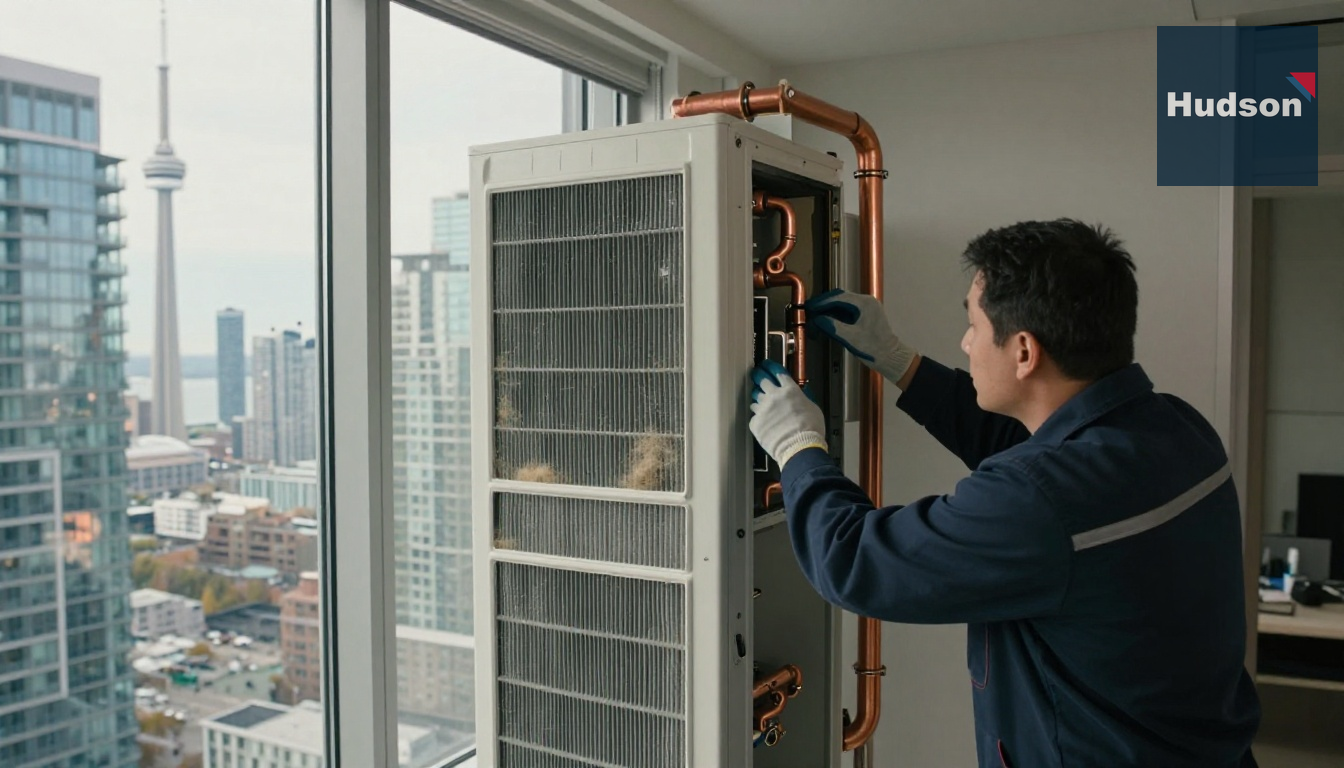
Quick summary: If you live with pets in a Toronto condo, your HVAC system works harder than most people realize. Pet hair and dander don’t just sit on furniture—they load up fan coil filters, stick to blower wheels, reduce heat transfer at the coil, and can trigger odours, leaks, and winter comfort complaints if maintenance is delayed.
In Hudson HVAC’s experience servicing Toronto condos, pet-related HVAC issues are some of the most underdiagnosed suite-level problems in the fall. The fix is usually not complicated, but timing matters: September through November is the best window to clean, inspect, and tune up your in-suite system before the first real cold snap hits Toronto, North York, or Mississauga.
The condo pet problem most owners miss
In detached houses, pet hair often ends up in long duct runs and large return grilles. In condos, the problem is different. Most high-rise and mid-rise suites in Toronto use compact fan coil units or in-suite heat pumps with short ductwork, tighter return paths, and smaller filters—often 1-inch filters that clog faster than owners expect. That means a single shedding dog in a 650-square-foot suite can have a bigger effect on airflow than the same dog in a 2,000-square-foot house.
Hudson sees this constantly in older North York and Mississauga buildings from the late 80s through early 2000s, where the original fan coil cabinet might be tucked into a hallway closet with minimal return clearance. Once fur starts collecting at the lower intake or behind the access panel, the blower has to pull harder to move the same cubic feet per minute. On a typical condo fan coil moving roughly 250-450 CFM, even a partially blocked filter can cut effective airflow by 15-30%, which is enough to create hot-and-cold complaints between rooms.
A second issue is particle size. Pet hair is obvious, but dander is finer and more troublesome because it combines with dust and humidity to form a felt-like layer on the coil face. In waterfront Toronto buildings and some Etobicoke towers near the lake, shoulder-season humidity can make that layer cling to fins much faster. That reduces heat transfer efficiency long before the resident notices a major problem. If your suite takes longer to warm up in October than it did last year, the culprit may be airflow restriction rather than a failed thermostat.
For condos where the system hasn’t been serviced in over a year, booking in-suite HVAC maintenance or targeted fan coil maintenance before winter usually prevents the more expensive repairs that show up in December and January.
What fur and dander actually do inside a fan coil
The phrase “dirty filter” is too vague to be useful. Here’s what Hudson typically finds when opening pet-occupied condo units in Toronto:
- Filter bypass: The filter may be present, but undersized by 1/4 to 1/2 inch, allowing hair to go around the frame instead of through the media.
- Blower wheel loading: Fine hair wraps around the forward-curved blower wheel blades, reducing air throw and creating imbalance.
- Coil matting: Dander sticks to wet coil fins during cooling season, then dries into a dense layer that blocks airflow in fall.
- Drain pan contamination: Hair reaches the pan and combines with condensate slime, raising the chance of odours and overflow.
- Actuator overcycling: Reduced airflow causes longer runtimes, which means more valve and actuator cycling over the season.
In practical terms, a pet-heavy suite can cause a blower motor to run 20-40% longer to satisfy the same thermostat call. That matters because many condo fan coil motors are PSC or ECM motors in the 1/8 to 1/3 HP range—not oversized equipment with lots of spare capacity. Once hair builds up on the wheel, amperage rises and bearings wear faster. A high-pitched whine usually points to motor bearing wear, while a rhythmic ticking every 10-15 seconds often signals an actuator trying—and failing—to fully seat a valve.
Hudson technicians also see a recurring issue in older 2-pipe buildings: residents assume poor fall heating is a building-side switchover problem, but the actual suite issue is a clogged filter plus a dirty coil. In a 2-pipe building, you only get whichever mode the building is currently supplying. If heating water is available but your suite airflow is weak, the room still feels cold even though the mechanical room is doing its job. That’s one reason fan coil repair and replacement calls spike right after seasonal changeover.
Another overlooked effect is thermostat location. In many condo layouts, the thermostat sits near the kitchen or hallway while pet hair accumulates at the return near the unit closet. The thermostat can read 22°C while the bedroom sits at 19°C because the fan can’t deliver enough air volume to the perimeter rooms. Residents often blame the thermostat first, but the real fix may be cleaning the blower and coil, not jumping straight to thermostat installation or replacement.
Fast diagnosis: signs your pet is affecting your condo HVAC
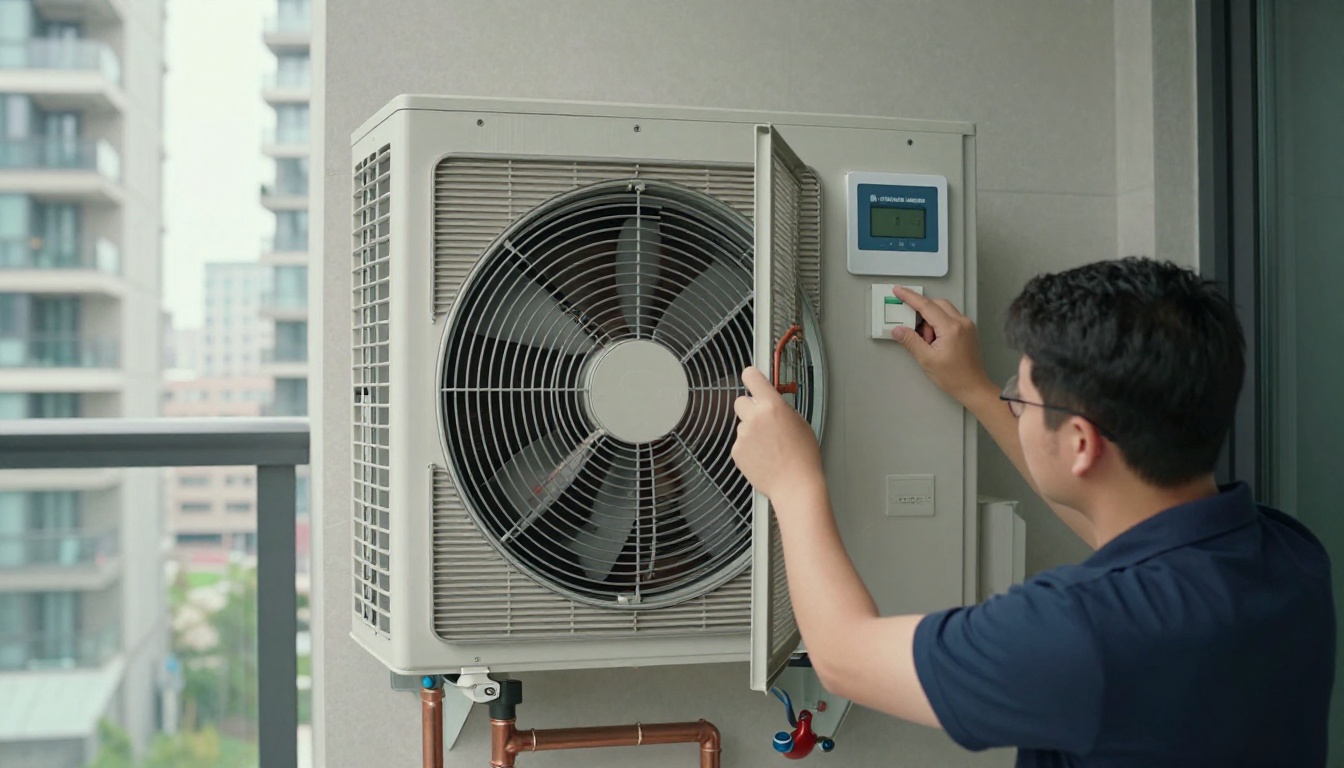
The good news is that pet-related HVAC problems usually leave clues before a full breakdown. In Toronto condos, these are the patterns Hudson pays attention to first:
1. The suite gets stuffy even when the fan is running
If air is coming out of the supply grille but feels weak, the issue is often static pressure from a loaded filter or dirty blower wheel. In pet suites, that drop in airflow can happen in as little as 4-8 weeks during heavy shedding seasons, especially with long-haired cats, huskies, golden retrievers, or multiple pets.
2. There’s a dusty or “warm pet” smell when heating starts
This is common in fall. Summer condensation leaves a slight tackiness on internal surfaces, and when the building switches to heating, those deposits warm up and release odours. If the smell appears only when the fan starts, it’s a strong sign the contamination is inside the unit rather than in carpets or furniture. Units with recurring odour issues often benefit from drain pan cleaning and repair or, if microbial growth is present, HVAC mold remediation.
3. More dust settles near supply grilles and on dark furniture
That fine film is often dander being recirculated because the filter isn’t catching enough of it or air is bypassing the frame. In newer Toronto and Vaughan condos with sleek finishes and darker flooring, people notice it faster because the dust is more visible than in older beige-carpet suites.
4. The unit is noisier than last year
A blower wheel coated in hair often makes a soft rushing or imbalance sound before the motor fails. If the noise becomes a metallic chirp or high-pitched whine, the motor may already be under strain and should be checked through blower motor repair before winter demand increases.
5. The unit leaks during cooling season, then smells in fall
This is a classic pet-hair sequence. Fur gets past the filter, reaches the wet coil and pan, then contributes to a partial drain blockage. By autumn, the active leak may be gone, but the residue remains and creates odour or mold risk. Hudson sees this frequently in pet-friendly towers across Toronto where annual maintenance has been skipped for two or three years.
For suite owners dealing with any of the above in Toronto, Hudson’s condo HVAC repair service in Toronto is built around condo equipment—not detached-home furnaces that behave completely differently.
What you can safely do yourself this fall
There are a few DIY steps that are genuinely useful and safe for condo residents. The key is staying within suite-level maintenance and not interfering with central building systems.
Step 1: Check the filter properly, not casually
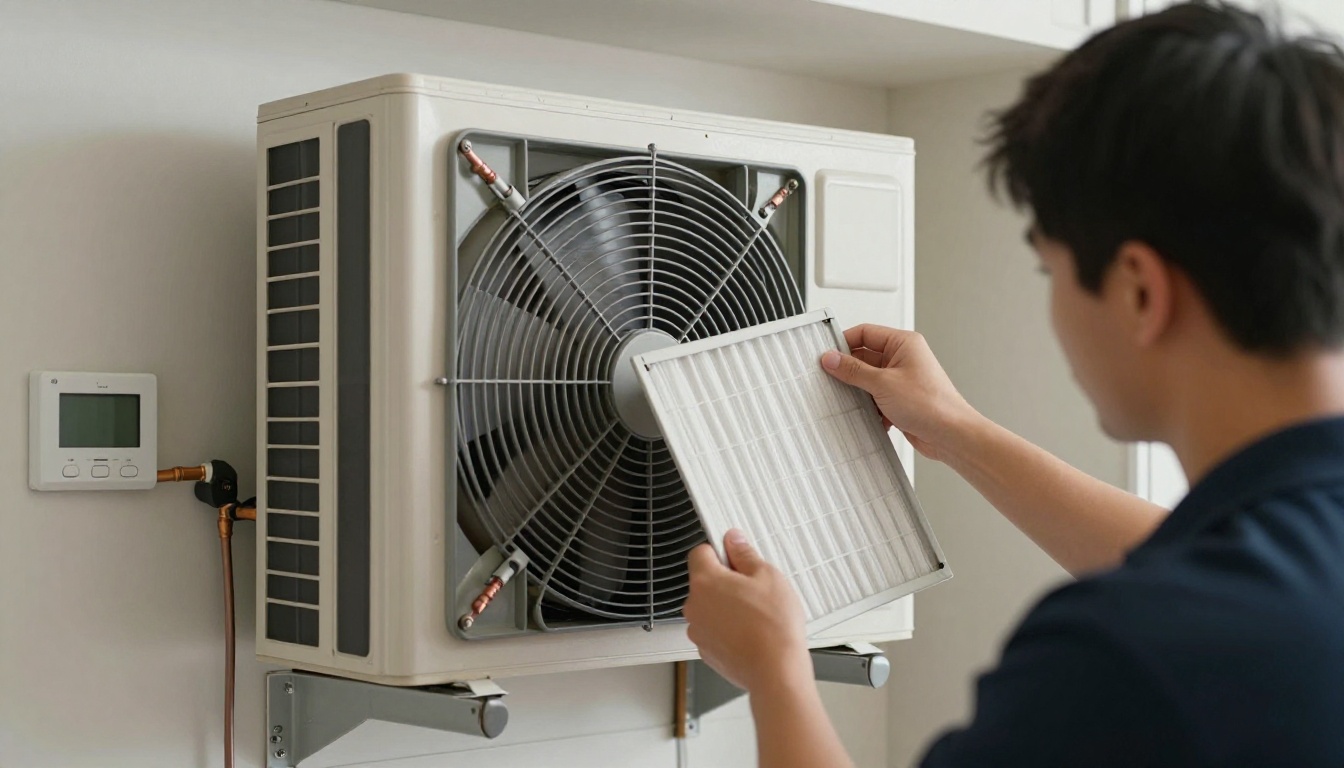
Open the lower or front access panel on your fan coil closet. In many condo units, the filter sits directly in front of the coil or blower section. Pull it out and hold it up to a bright light. If large areas look opaque, replace it. If it’s washable, rinse thoroughly, let it dry completely, and reinstall it with the airflow arrow pointing the correct direction.
A useful field rule: if you vacuum weekly and still have visible pet hair collecting near the return grille, your filter interval is probably too long. Most pet owners should inspect monthly, not seasonally. For scheduled upkeep, annual fan coil maintenance is far more effective than waiting for a no-heat call in January.
Step 2: Vacuum the return area and cabinet surroundings
Use a crevice tool around the return grille, closet floor, door undercut, and any visible lint or fur near the intake. This matters because condo fan coils often pull air from tight closet spaces, and the debris sitting outside the cabinet is the debris most likely to be sucked in next.
Step 3: Check thermostat operation before the building gets busy
Set the thermostat 2-3°C above room temperature and confirm that the fan starts and warm air begins moving within a reasonable time. In a central hydronic fan coil building, the exact heating response depends on whether the building has completed seasonal switchover, but the fan itself should still react normally. If the display is blank, erratic, or obviously inaccurate, it may be time for thermostat replacement in your condo.
Step 4: Look for signs of bypass and poor filter fit
If the filter edges are furry but the centre looks relatively clean, air may be sneaking around the frame. That’s common in condos where residents buy generic filters that are close—but not exact—to the required size. Even a small gap matters in compact systems.
Step 5: Don’t forget the dryer vent
Pet owners often focus on the fan coil and ignore the dryer. In condo suites, lint and pet hair frequently combine into dense buildup that restricts airflow, increases drying times, and adds unnecessary heat and moisture to the suite. Fall is the ideal time to schedule dryer vent cleaning, especially before windows stay closed all winter.
What not to do: don’t spray coil cleaner into the cabinet unless you know exactly where the electronics, motor, and condensate pan are; don’t bend fins with a brush; and don’t remove or disturb any hydronic piping, control valves, or electrical components. Condo systems may look simple, but one damaged actuator wire or one cracked drain connection can turn a $0 inspection into a several-hundred-dollar repair.
When the problem is no longer DIY
Some pet-related issues require tools, disassembly, and condo-specific experience. Hudson usually recommends professional service when any of these are happening:
- The filter gets dirty again within 2-4 weeks
- You smell mustiness from the unit even after replacing the filter
- Airflow is weak from some vents but not others
- The fan runs, but the suite doesn’t heat evenly
- The unit clicks repeatedly during heating calls
- There’s visible staining, rust, or past leak evidence in the cabinet
- The blower noise has changed in the last season
One common mistake Hudson encounters in older North York high-rises is replacing the thermostat three times when the real issue is a sticky zone valve or failing actuator. In pet-heavy suites, reduced airflow means the thermostat keeps calling longer, which exposes weak control components faster. If your unit has a Honeywell or Unilux control setup and the actuator is cycling but the coil never gets properly warm, actuator replacement or 3-way valve replacement may be the correct repair—not another filter change.
For residents in North York or Mississauga, local condo-specific support matters because access, parking, concierge sign-in, and building policies can add time if the contractor isn’t used to high-rise work. Hudson maintains dedicated service coverage for North York condo HVAC repair and Mississauga condo HVAC service, where pet ownership is especially common in newer towers.
What a professional service visit should include
A proper condo HVAC visit for a pet owner should go well beyond “changed filter, all good.” Hudson’s typical in-suite service process for a fan coil or heat pump takes about 45 to 90 minutes, depending on access, contamination level, and whether repairs are needed.
A thorough visit usually includes:
- Removing access panels and visually inspecting the coil face
- Checking filter size, condition, and fitment
- Inspecting the blower wheel for hair buildup and imbalance
- Verifying motor operation and listening for bearing noise
- Checking the drain pan and condensate path for debris or slime
- Confirming thermostat response and fan control sequence
- Inspecting actuator/valve operation on hydronic fan coils
- Measuring discharge air temperature and basic airflow performance
In buildings with many pet-owning residents, Hudson often recommends pairing suite-level service with comprehensive mechanical maintenance or broader preventive mechanical maintenance. The reason is simple: if dozens of suites are struggling with airflow and indoor air complaints, building-level ventilation and make-up air performance may also be part of the comfort picture.
For newer condo buildings with in-suite ERVs, pet dander can also affect ventilation cores and filters. If your suite feels stale even after fan coil service, ERV maintenance may be just as important as fan coil cleaning.
Real Toronto condo cost ranges: maintenance vs repair
Here are realistic 2026 GTA price ranges Hudson commonly sees for condo HVAC work related to pet hair, dander, and deferred fall maintenance. Exact pricing varies by building access, equipment type, and whether the unit is a fan coil or in-suite heat pump.
Typical service costs
| Service | Typical Toronto condo range | Notes |
|---|---|---|
| In-suite HVAC maintenance visit | $180-$320 | Usually 45-90 minutes; filter, inspection, light cleaning |
| Fan coil deep cleaning | $250-$450 | More disassembly, blower and coil cleaning |
| Drain pan cleaning/repair | $250-$450 | Higher if access is tight or pan is corroded |
| Blower motor repair/replacement | $350-$650 | Depends on motor type, horsepower, and wheel condition |
| Actuator replacement | $325-$575 | Common in older hydronic fan coils |
| 3-way valve replacement | $550-$950 | Requires more labour, isolation, and testing |
| Thermostat replacement | $250-$500 | Varies by model and wiring compatibility |
| Emergency after-hours service | $250-$450 call-out plus repair | Best avoided with fall maintenance |
The hidden cost most condo owners miss is runtime inefficiency. A dirty, pet-loaded fan coil may still “work,” but if it runs 30% longer all winter, the building-side heating loop and your suite fan are doing unnecessary work. In individually metered electric fan systems or heat pump suites, that often shows up as higher hydro bills before it shows up as a breakdown.
Repair vs maintenance decision framework
| Situation | Maintenance is usually enough | Repair is more likely needed |
|---|---|---|
| Dirty filter, mild odour, normal fan sound | Yes | No |
| Weak airflow, visible hair on blower, no major noise | Often | Sometimes |
| Clicking actuator, uneven heating, repeated thermostat calls | Unlikely | Yes |
| Whining motor, vibration, overheated smell | No | Yes |
| Recurring leaks or musty cabinet | Sometimes | Often |
If your building is seeing widespread age-related issues—especially in 80s/90s towers with original equipment—it may be worth discussing a fan coil retrofit program rather than handling one reactive repair at a time. In Hudson’s experience, building-wide suite equipment programs often take 4-6 months to plan and execute in 150-300 unit properties, but they reduce emergency calls dramatically once complete.
What condo boards and property managers should know about pet-heavy buildings
This isn’t only a resident issue. In pet-friendly Toronto condos, suite HVAC contamination becomes a building operations issue faster than many boards expect. Why? Because recurring no-heat complaints, leak calls, and air quality concerns increase concierge workload, service coordination, and resident frustration.
Buildings in Toronto, Mississauga, and North York with high pet ownership often benefit from:
- Annual or semi-annual suite filter education
- Standardized filter sizing by unit type
- Coordinated in-suite maintenance campaigns each fall
- Dryer vent cleaning reminders tied to HVAC notices
- Tracking of repeat suites with actuator, valve, or blower issues
Hudson has seen boards save meaningful money simply by standardizing maintenance timing. A 220-unit high-rise that services fan coils in September and October will usually experience fewer emergency calls during the first January freeze than a similar building that waits for complaints. That matters for reserve planning too, because repeated blower and valve failures can distort the true lifecycle picture of aging equipment.
If your board is evaluating broader equipment condition, Hudson’s project planning and retrofit services can help determine whether repeated suite issues are maintenance-related or signs of end-of-life equipment.
FAQs
How often should condo pet owners change or clean their fan coil filter?
In most Toronto condos with one cat or dog, Hudson recommends checking the filter every 30 days and replacing or cleaning it every 60-90 days, depending on the filter type and shedding level. In units with two pets, long-haired breeds, or frequent vacuuming issues, the interval often drops to 30-60 days. A simple test is to hold the removed filter up to light: if you can’t see light through large portions of the media, airflow is already being restricted. Restricted airflow doesn’t just reduce comfort—it can raise blower motor amperage, increase noise, and accelerate dirt buildup on the coil.
Can pet hair actually damage a condo fan coil or heat pump, or does it just make it dirty?
Yes, pet hair can do more than make the unit dirty. In fan coils and in-suite heat pumps, fur often bypasses a poorly fitted filter and mats onto the evaporator or heating coil, reducing heat transfer and forcing the blower to run longer for the same room temperature. Hudson has seen blower wheels become so imbalanced from hair buildup that motors overheat or bearings start whining, especially in older 80s and 90s condo buildings. Over time, that can lead to repair calls for blower motors, actuators that cycle excessively, and even condensate problems because the coil runs colder during cooling season.
Why does my condo smell dusty or “pet-like” when the heat turns on in the fall?
That first fall heating smell is usually a mix of summer dust, pet dander, and hair sitting on the coil, blower housing, or electric heater section if your suite has one. In Toronto shoulder season, many buildings switch from cooling to heating with very little warning, so contaminants that sat undisturbed for months suddenly get warmed and circulated through the suite. If the smell lasts more than a day or two, or gets stronger when the fan starts, the unit likely needs a proper internal cleaning rather than just a filter change. Persistent odours can also point to biofilm in the drain pan or mold growth in the cabinet, especially in humid waterfront buildings.
Is duct cleaning the main solution for pet dander in a condo?
Not usually. Many condo suites in Toronto, North York, and Mississauga use vertical fan coil units with very short duct runs, so the main contamination point is often the fan coil cabinet itself—not long ductwork like in a detached house. Hudson typically finds the biggest gains come from the right filter fit, coil cleaning, blower cleaning, drain pan service, and thermostat/fan setting adjustments. If your building has an ERV or dedicated fresh air system, that equipment also needs maintenance or it will keep redistributing fine dust and dander.
What does pet-related HVAC maintenance usually cost in a Toronto condo?
A routine in-suite maintenance visit for a condo fan coil or heat pump in Toronto typically runs about $180-$320, depending on access, filter type, and how much internal cleaning is required. If pet hair has contributed to a deeper issue, costs can rise to roughly $250-$450 for drain pan cleaning, $350-$650 for blower motor service, $325-$575 for actuator replacement, or $450-$900 for a more intensive coil cleaning and partial disassembly. For boards planning building-wide programs, per-unit pricing usually improves when access is coordinated across dozens or hundreds of suites. The biggest cost driver is not the pet itself—it’s how long the buildup has been left untreated.
Do pet owners need different HVAC maintenance before winter in a condo building?
Yes. Fall is the right time to service pet-occupied suites because winter in Toronto means windows stay closed, indoor air gets drier, and any dander trapped in the system circulates more consistently. Hudson usually recommends a pre-winter inspection that includes filter replacement, blower and coil inspection, condensate pan check, thermostat verification, and in many suites, dryer vent cleaning because lint and pet hair often accumulate together. In older high-rises, this is also the best time to catch weak actuators or sticky 3-way valves before the first real cold snap. Waiting until January often means paying emergency rates for a problem that was quietly building in October.
The smart next step before winter
If you own pets and your condo HVAC system hasn’t been serviced in the last 12 months, fall is the time to act—not the first week Toronto drops below freezing. A clogged filter is cheap. A strained blower motor, failed actuator, or winter no-heat call is not.
Hudson HVAC specializes in condominium HVAC systems across Toronto and the GTA, including high-rise condos, mid-rise buildings, and older towers with aging fan coils and hydronic controls. If your suite has pet odours, weak airflow, uneven heating, or a filter that gets dirty unusually fast, book a maintenance visit now so the system is ready before winter demand ramps up.
For urgent problems, Hudson also provides emergency HVAC repair. For more condo-specific guidance, visit the Hudson blog.
Contact Hudson
- Contact Us
- Phone: +1 (437) 448-0640
- Email: service@hudsonhvac.ca