Preventing HVAC Floods in Toronto High-Rise Condos: Essential Tips
Learn how to prevent catastrophic HVAC floods in Toronto high-rise condos with expert tips on maintenance and flood protection.
- Hudson HVAC
- 4 min read
Preventing HVAC Floods in Toronto High-Rise Condos: Essential Tips
Quick summary: HVAC floods can be a nightmare for condo residents, causing extensive water damage and costly repairs. This guide delves into the causes of HVAC flooding, preventive measures you can take, and when to call a professional to ensure your Toronto high-rise condo remains flood-free during the hot and humid summer.
The Fast Diagnosis: What’s Going On
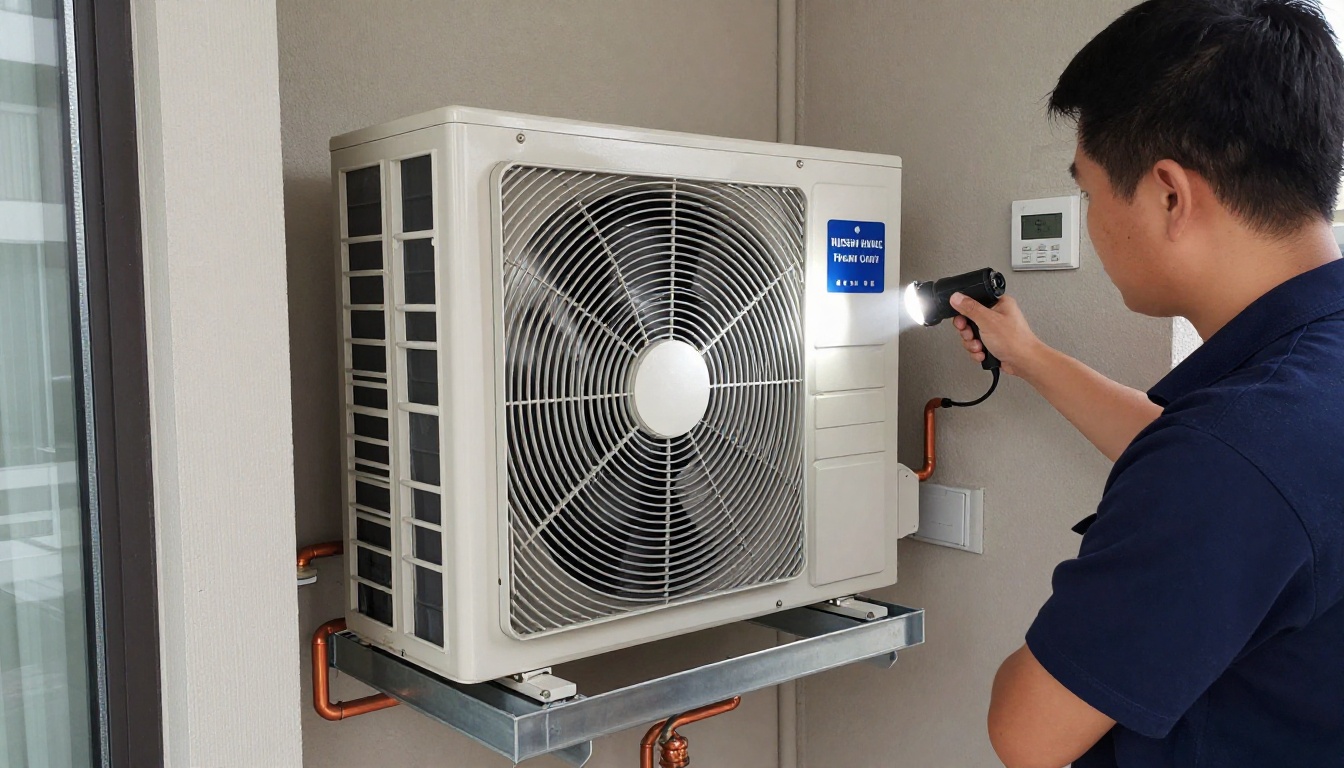
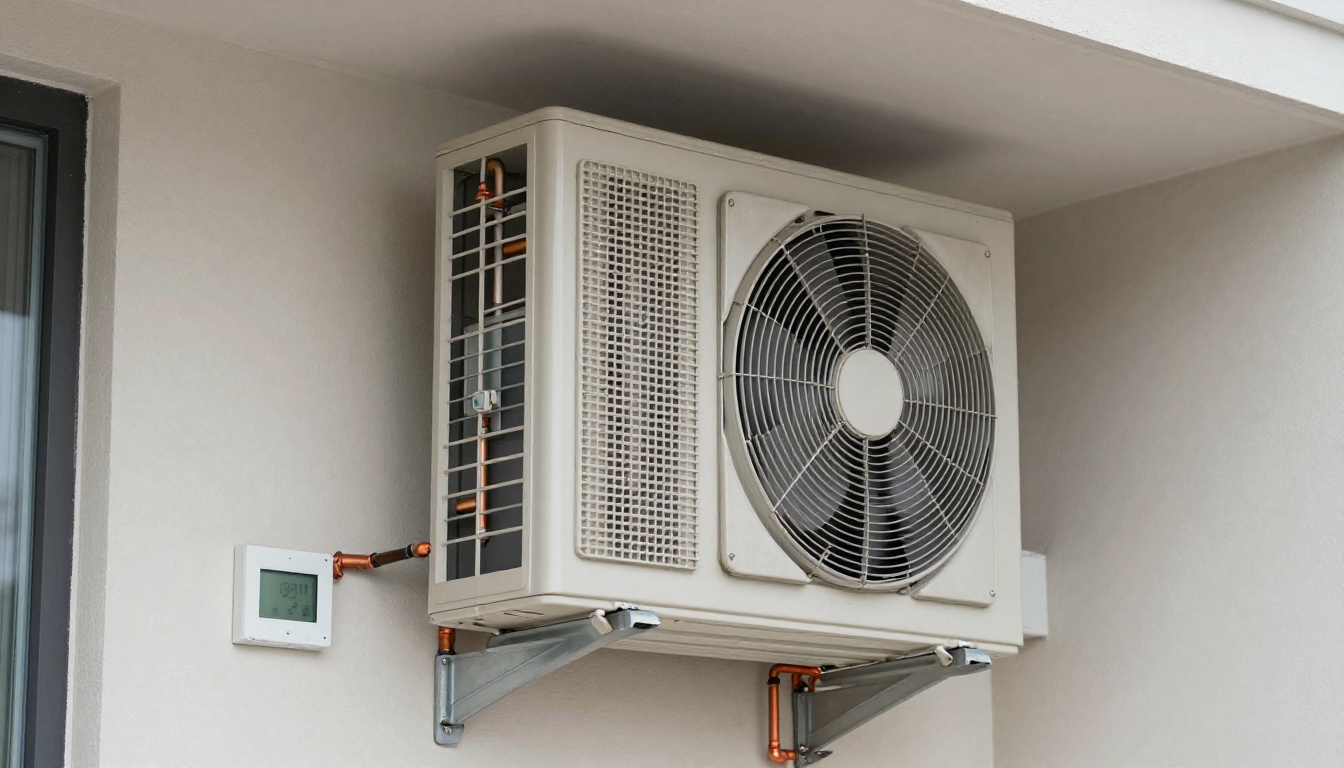
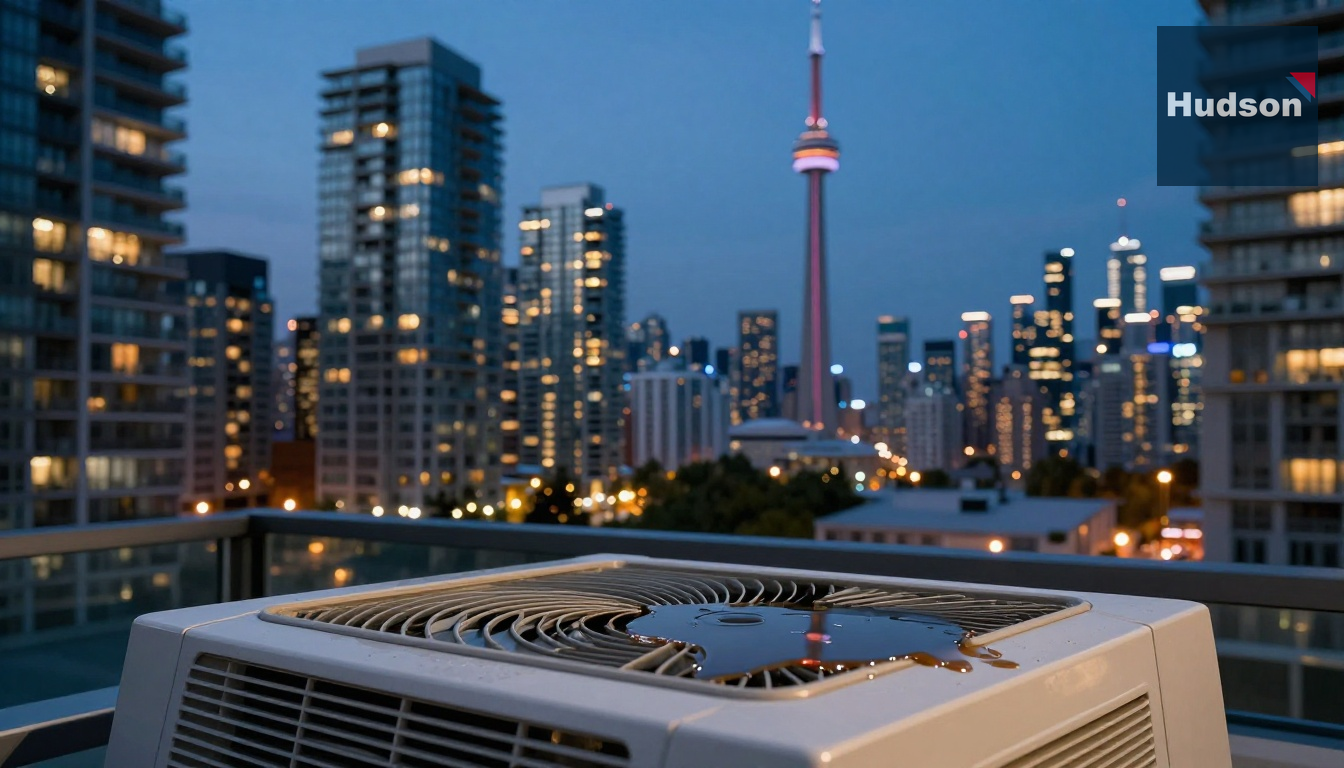
The first sign of trouble usually comes as water pooling around your HVAC unit. This can result from a clogged condensate drain line, malfunctioning condensate pump, or an overflowing drain pan. In Toronto’s high-rise condos, units are often tucked into closets without room for error, making them particularly susceptible to flooding if not properly maintained.
Common Causes: Why This Happens
- Clogged Drain Lines: Over time, dirt, dust, and mold can block the drain line, preventing condensation from draining properly. The most frequent offenders are the flexible vinyl or PVC pipes running from your unit to the building’s drainage system.
- Faulty Condensate Pumps: These pumps are responsible for moving water out of the unit. If they fail, water can quickly overflow. Pumps such as the Little Giant VCMA-15ULS, common in Toronto condos, are prone to wear and tear.
- Cracked or Overflowing Drain Pans: Drain pans, typically made of metal or plastic, can crack or rust over time, especially in older North York high-rises where components may be original to the building.
What You Can Do Right Now: DIY Safe Steps
- Inspect the Drain Line: Locate the condensate drain pipe near your fan coil or heat pump unit. Using a wet-dry vacuum, you can often clear simple blockages. For more stubborn clogs, a pipe cleaner or flexible brush can be effective.
- Test the Condensate Pump: Pour a small amount of water into the pump reservoir to ensure it activates. Unusual noises or no activation at all are signs it might need replacing.
- Check the Drain Pan: Slide out the pan from under your unit. If you notice any cracks or standing water, it might be time for a replacement. Consider installing an overflow shutoff switch, which automatically turns off the unit if a flood is detected.
When to Call a Professional: Signs You Need Help
If DIY steps don’t resolve the issue, or if you notice persistent water pooling, strange noises from your fan coil unit, or suspect you have mold growing from a previous leak, it’s time to call an expert. Hudson offers comprehensive maintenance services to address these concerns before they escalate.
What to Expect from a Service Visit: Typical Timeline and Process
During a service visit, a technician will inspect your entire fan coil or heat pump system, including the condensate pump and drain lines. A thorough cleaning and inspection typically take 1-2 hours per unit. If parts require replacement, this can extend to 3-4 hours, ensuring all components are functioning optimally.
Cost Factors with Real Ranges
Preventive maintenance costs in the Toronto area range from $150-$300 per unit, covering inspection, cleaning, and minor repairs. If flooding has occurred, emergency repairs can exceed $1000, not including water damage restoration. Hudson’s emergency repair services are available 24/7 for urgent needs.
FAQs
What are the main causes of HVAC floods in condos?
HVAC floods in condos are often caused by clogged drain lines, malfunctioning condensate pumps, and cracked drain pans. These issues lead to water buildup and potential flooding, especially during Toronto’s humid summers.
How can I tell if my HVAC system is at risk of flooding?
Signs of potential flooding include water pooling around your HVAC unit, strange noises indicating pump failure, and a musty odor suggesting mold growth. During summer, check for increased condensation that could exacerbate these issues.
What are some DIY steps to prevent HVAC floods?
Regularly inspect the condensate drain line for clogs, ensure the condensate pump is functioning, and clear any debris from around the unit. Use a wet-dry vacuum to clear blockages and check the drain pan for cracks or overflow.
When should I call a professional for HVAC maintenance?
Contact a professional if you notice persistent water leaks, suspect mold, or hear unusual noises from your HVAC system. Regular maintenance, especially before the peak summer cooling season, is crucial to prevent floods.
What are the costs associated with HVAC flood prevention?
Preventive maintenance costs in Toronto can range from $150-$300 per unit. Emergency repairs following a flood can exceed $1000, not including potential costs for water damage restoration.
Next Steps: Call to Action
If your condo’s HVAC hasn’t been serviced this year, especially during the humid summer season, book a maintenance visit with Hudson before a small issue turns into a major flood. It’s the best way to protect your home and keep repair costs down.
Contact Hudson
- Contact Us
- Phone: +1 (437) 448-0640
- Email: service@hudsonhvac.ca