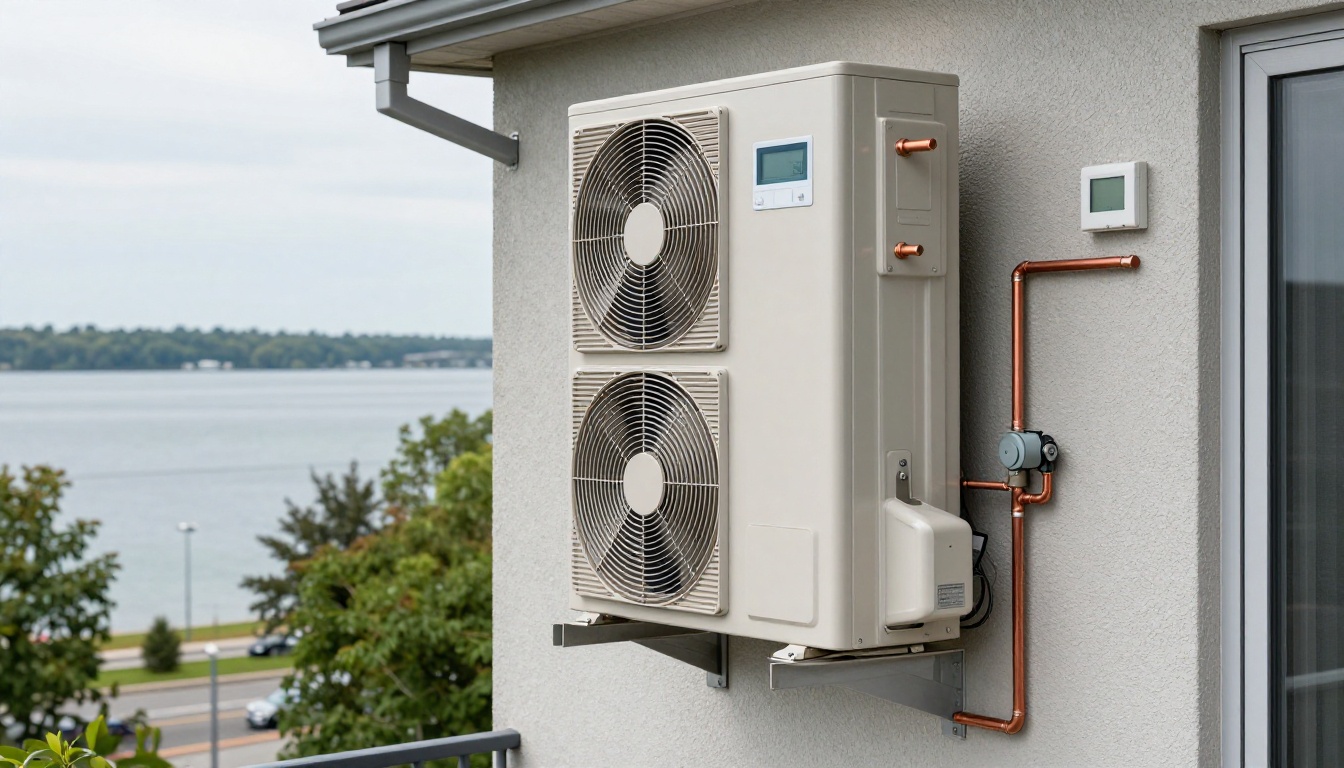
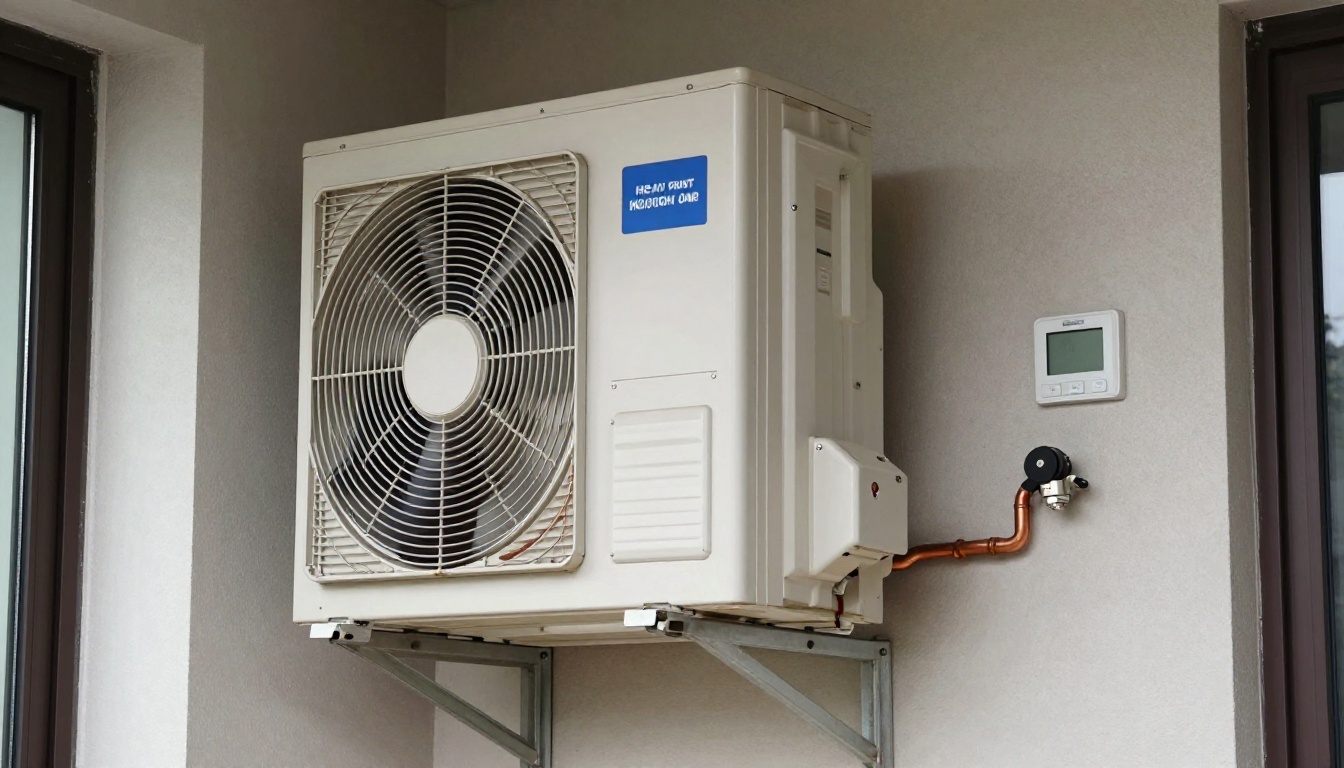
Preventing HVAC Rust and Corrosion in Etobicoke Condos
Learn how to handle HVAC rust and corrosion in Etobicoke condos with expert tips and solutions from Hudson HVAC.
- Hudson HVAC
- 4 min read
Preventing HVAC Rust and Corrosion in Etobicoke Condos
Quick summary: As spring arrives in Etobicoke, condo residents should be vigilant about HVAC rust and corrosion. Learn how local climate factors and building characteristics contribute to these issues, and discover effective strategies to prevent costly damage.
Understanding HVAC Challenges in Etobicoke Condos
Etobicoke, with its unique blend of waterfront condos and burgeoning urban developments, presents distinct challenges for HVAC systems, particularly rust and corrosion. The proximity to Lake Ontario means that buildings, especially along the Humber Bay Shores, are more susceptible to salt air exposure, accelerating the corrosion process. High-rise condos such as those in the Park Lawn Road area often have centralized HVAC systems that require regular maintenance to combat these elements.
In addition to the environmental factors, the age of many Etobicoke buildings can contribute to rust issues. Older condos, like those in the Queensway neighborhood, may have legacy HVAC systems that are more prone to corrosion due to outdated materials and designs.
Common Causes of HVAC Rust and Corrosion
Environmental Factors
The coastal climate in Etobicoke contributes significantly to HVAC rust. Salt from the lake, combined with high humidity levels, accelerates the oxidation process. This is especially problematic in buildings near major intersections like Lake Shore and Park Lawn.
Lack of Regular Maintenance
Without regular HVAC maintenance (https://hudsonhvac.ca/in-suite-maintenance), trapped moisture from the winter months can lead to rust in components like fan coil units and blower motors. In buildings such as those near Sherway Gardens, preventive maintenance is crucial to catch early signs of corrosion.
Poor Ventilation
Improper ventilation can exacerbate rust issues by trapping moisture within HVAC units. This scenario is common in mid-rise buildings in neighborhoods like Islington Village, where compact designs can limit airflow.
How Hudson Solved This in Etobicoke
In a recent call, Hudson HVAC was tasked with addressing a severe corrosion issue in a 15th-floor unit of a 20-storey condo on The Queensway. The unit’s heat pump was over 10 years old, and the resident noticed a decrease in heating efficiency and rising energy bills. Upon inspection, our team found extensive rust on the heat exchanger and coils, likely caused by inadequate venting and high humidity from the unit’s proximity to the indoor pool area.
Diagnosis and Solution:
- Inspection: Using a boroscope, we identified rust buildup on internal components.
- Solution: We replaced the corroded heat exchanger and applied a protective anti-corrosion coating.
- Timeline and Cost: The repair was completed in two days at a cost of approximately $2,500, including parts and labor.
This successful intervention not only restored the system’s efficiency but also extended its lifespan, emphasizing the importance of regular maintenance (https://hudsonhvac.ca/heat-pump-maintenance) and timely repairs.
DIY Steps for Condo Residents
Condo residents in Etobicoke can take proactive steps to mitigate rust:
- Regular Cleaning: Clean and dust your HVAC unit regularly to prevent moisture buildup.
- Ventilation: Ensure adequate ventilation around HVAC units. Use dehumidifiers in areas prone to humidity.
- Inspect for Leaks: Regularly check for any signs of leaks or excess moisture around your unit.
When to Call Hudson
If you encounter persistent HVAC issues like decreased efficiency or visible rust, it’s crucial to consult professionals. Hudson offers comprehensive HVAC repair services in Etobicoke (https://hudsonhvac.ca/condo-hvac-repair-etobicoke), ensuring your system is ready for the cooling demands of spring and summer.
FAQs
How does HVAC rust affect condos in Etobicoke?
In Etobicoke condos, HVAC rust can lead to decreased efficiency, costly repairs, and potential system failures, especially prevalent in older buildings near the waterfront.
What causes HVAC corrosion in condo units?
HVAC corrosion is often caused by trapped moisture, lack of maintenance, and exposure to salty air, particularly in buildings near Etobicoke’s shoreline.
How can Etobicoke condo residents prevent HVAC rust?
Regular maintenance, proper ventilation, and using anti-corrosion coatings can help Etobicoke condo residents prevent HVAC rust and prolong their system’s lifespan.
When should I call Hudson for HVAC rust repair in Etobicoke?
Call Hudson if you notice unusual noises, reduced airflow, or visible rust on your HVAC system to prevent further damage and ensure efficient operation.
What are common HVAC issues in Etobicoke condos during spring?
In Etobicoke condos, common spring HVAC issues include transitioning to cooling systems, mold growth from winter moisture, and rust formation due to humidity.
Call to Action
Don’t let rust compromise your condo’s HVAC system. With spring in full swing, now is the perfect time to schedule a maintenance check (https://hudsonhvac.ca/condo-hvac-repair-etobicoke) with Hudson and ensure your system operates at peak efficiency.
Contact Hudson
- Contact Us
- Phone: +1 (437) 448-0640
- Email: service@hudsonhvac.ca