
Preventive Maintenance for North York Condo HVAC
Preventive maintenance in North York condos helps avoid winter breakdowns, leaks, and poor airflow. Hudson shares local HVAC tips and repair advice.
- Hudson HVAC
- 16 min read
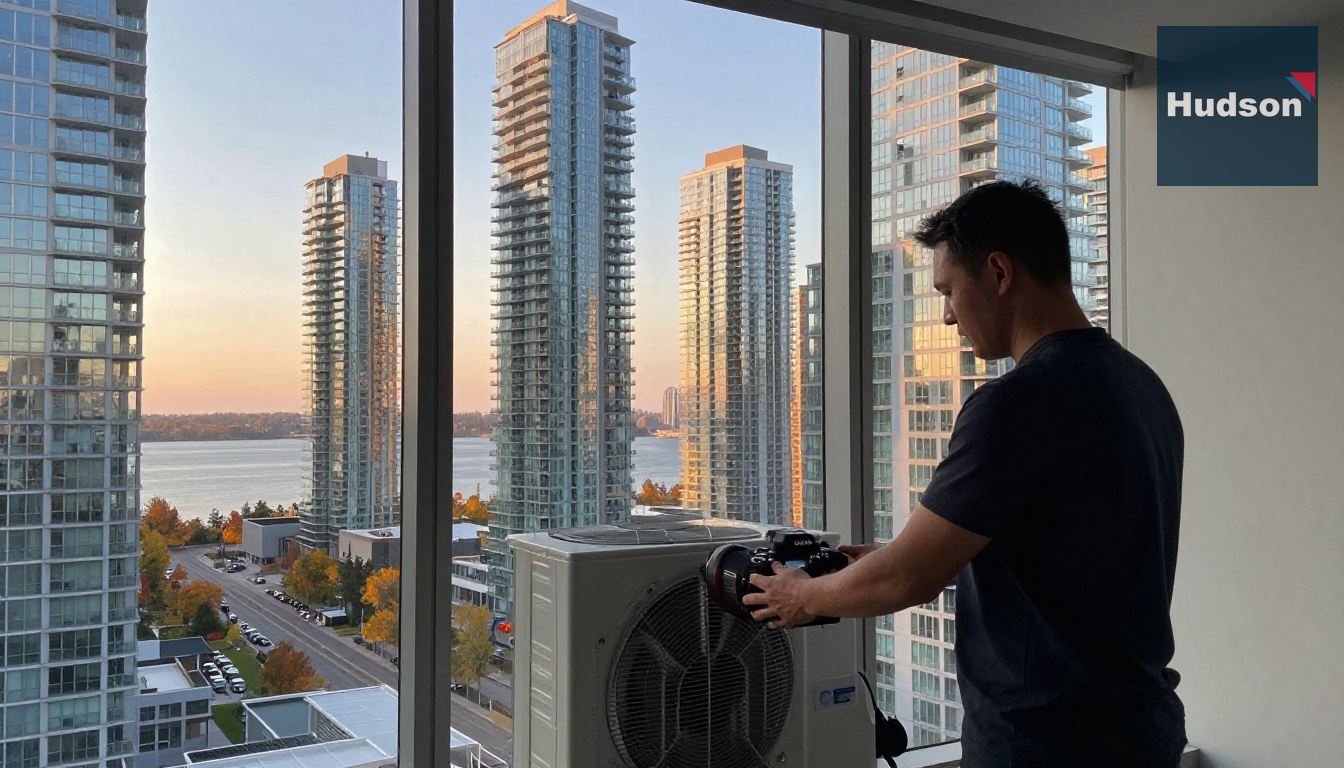
Preventive Maintenance for Condo Residents in North York
Quick summary: In North York, preventive maintenance is the difference between a routine fall tune-up and a no-heat emergency in January. For condo residents, especially in older high-rises around Yonge and Sheppard, Don Mills, Bayview Village, and North York Centre, small HVAC issues like weak actuators, dirty fan coils, and clogged drain pans become major winter problems fast.
North York has one of the most varied condo HVAC landscapes in the GTA. You have older towers near Yonge and Finch with original fan coil layouts, newer glass high-rises around North York Centre, luxury buildings near Bayview Village, and dense condo clusters around Sheppard-Yonge, Don Mills and Lawrence, and Yorkdale. From a service standpoint, that matters. Preventive maintenance in North York is not one-size-fits-all because suite equipment age, riser configuration, building water quality, and even corridor pressurization differ from one building to the next.
At Hudson HVAC, we have worked in condo buildings across North York for years, and the same pattern repeats every fall: residents wait until the first cold week, then discover the suite is blowing cool air, the thermostat is unresponsive, or the unit starts making a grinding noise it did not make in spring. By then, what could have been a planned maintenance call becomes a time-sensitive repair. If you are looking for condo HVAC repair in North York, the best first step is often to stop the issue before it becomes a repair at all.
Why preventive maintenance matters more in North York condos
North York condos tend to have more shared-system complexity than residents realize. In many buildings, your in-suite fan coil or heat pump depends on central building loops, seasonal changeovers, control valves, and corridor or make-up air conditions that you do not directly control. That means a suite can feel uncomfortable even when the problem is partly local and partly building-wide.
In practical terms, fall is the ideal time to inspect fan coil units, heat pumps, ERVs, thermostats, actuators, and drain pans before winter demand starts. A neglected suite unit in North York often shows the same sequence: dust buildup reduces airflow, the blower works harder, heating feels weak, the resident turns the thermostat higher, the valve or actuator cycles more often, and then the first truly cold week exposes a failure. We see this a lot in 15- to 25-year-old towers near Willowdale, Bathurst and Sheppard, and Don Mills, where original components are still hanging on but no longer forgiving neglect.
There is also a cost reality unique to condo living. In a house, one HVAC problem usually affects one household. In a condo, a blocked condensate line or rusted drain pan can damage the suite below, involve property management, and create insurance headaches. A failed control valve can leave a resident without heat while the building is already handling a flood of similar seasonal calls. Preventive service is not just about comfort in North York; it is about avoiding avoidable coordination problems with management and neighbours.
For residents who want a broader look at local support, Hudson’s North York HVAC services page covers the condo-specific repair environment in this part of Toronto.
What we usually find during fall preventive maintenance in North York
1. Dirty fan coils and restricted airflow
The most common issue in North York condo HVAC systems is still basic airflow restriction. In-suite fan coil maintenance gets overlooked because the unit is hidden in a closet, bulkhead, or front hall cabinet. Yet when we open these cabinets in North York buildings, especially along Yonge Street and near Fairview Mall, we regularly find filters loaded with dust, pet hair, drywall dust from past renovations, and lint that has bypassed the filter edge.
A dirty coil does more than reduce comfort. It raises static pressure, increases blower strain, and can create uneven discharge temperatures that residents mistake for a valve or thermostat issue. On a maintenance visit, we often determine whether the unit only needs cleaning or whether it is already at the stage where fan coil repair or replacement should be considered.
Typical North York cost insight: a standard preventive visit is usually $180 to $350, but once heavy coil cleaning and deeper cabinet disassembly are needed, the job can move into the $350 to $550 range. That is still much less than an emergency blower failure in January.
2. Failing actuators and sticky three-way valves
In North York, one of the least understood condo heating issues is actuator failure. Residents hear the blower running and assume the fan coil is “working,” but the hot water valve may not actually be opening. In many older and mid-generation condos, especially towers built in the late 1990s to mid-2000s, we see aging Honeywell, Belimo, and similar actuator assemblies that have become slow, noisy, or completely seized.
When we do preventive maintenance, we test whether the actuator is receiving a signal, whether the valve stem is moving correctly, and whether the supply pipe is actually heating as expected. This is where maintenance has real value: catching a weak actuator in October is easier than doing a no-heat call in February. If needed, Hudson handles actuator replacement and three-way valve replacement for condo suite systems.
A realistic North York repair range for this type of issue is often $350 to $750, depending on access, part type, and whether the valve body itself is also failing.
3. Drain pan rust and hidden leak risk
Fall is not only about heating. After a humid summer, North York condo units frequently show drain pan and condensate issues that residents never noticed because the cooling still “seemed fine.” By September and October, we often find rusted pans, algae buildup, sludge in the trap area, or signs of past overflow under the cabinet.
This matters because once the heating season starts, residents stop thinking about condensation and assume the leak risk is gone. But a damaged pan stays damaged. In condo buildings around Bayview and Sheppard and York Mills, where some suites have seen multiple ownership changes, we sometimes find years of deferred cleaning that property managers were never told about. Hudson performs drain pan cleaning and repair when preventive maintenance reveals a leak risk.
Original insight from field work: in North York, roughly 1 in 5 older fan coil units we inspect in fall shows some level of pan corrosion or improper drainage, even when the resident has not reported active leaking.
4. Thermostat drift and control mismatch
Not every comfort complaint is a mechanical failure. In North York condos, especially renovated suites, we often find thermostat issues caused by older controls, poor placement, dead batteries on compatible units, or mismatched replacement thermostats installed during a past sale or renovation. A thermostat that reads even 2°C off can make a suite feel chronically underheated.
Preventive maintenance is when we test calibration, response, and communication with the suite equipment. If the control is unreliable, Hudson can advise on thermostat installation and replacement that matches the actual condo system instead of guessing.
5. Dryer vent and ventilation neglect
Fall in North York is also when we start seeing longer dryer cycles, stale air, and window condensation in tighter condo suites. Residents often do not connect these symptoms to ventilation. In reality, a restricted dryer exhaust or neglected ERV can add humidity and dust to the suite, making heating feel less effective and indoor air feel heavier.
In many North York condo stacks, dryer vent runs are longer than residents expect, especially in larger towers around Avondale Avenue, Emerald Park area, and Park Lawn-style layouts transplanted into North York tower designs with deeper floorplates. That means lint buildup matters. Hudson offers dryer vent cleaning and ERV maintenance as part of condo-focused preventive care.
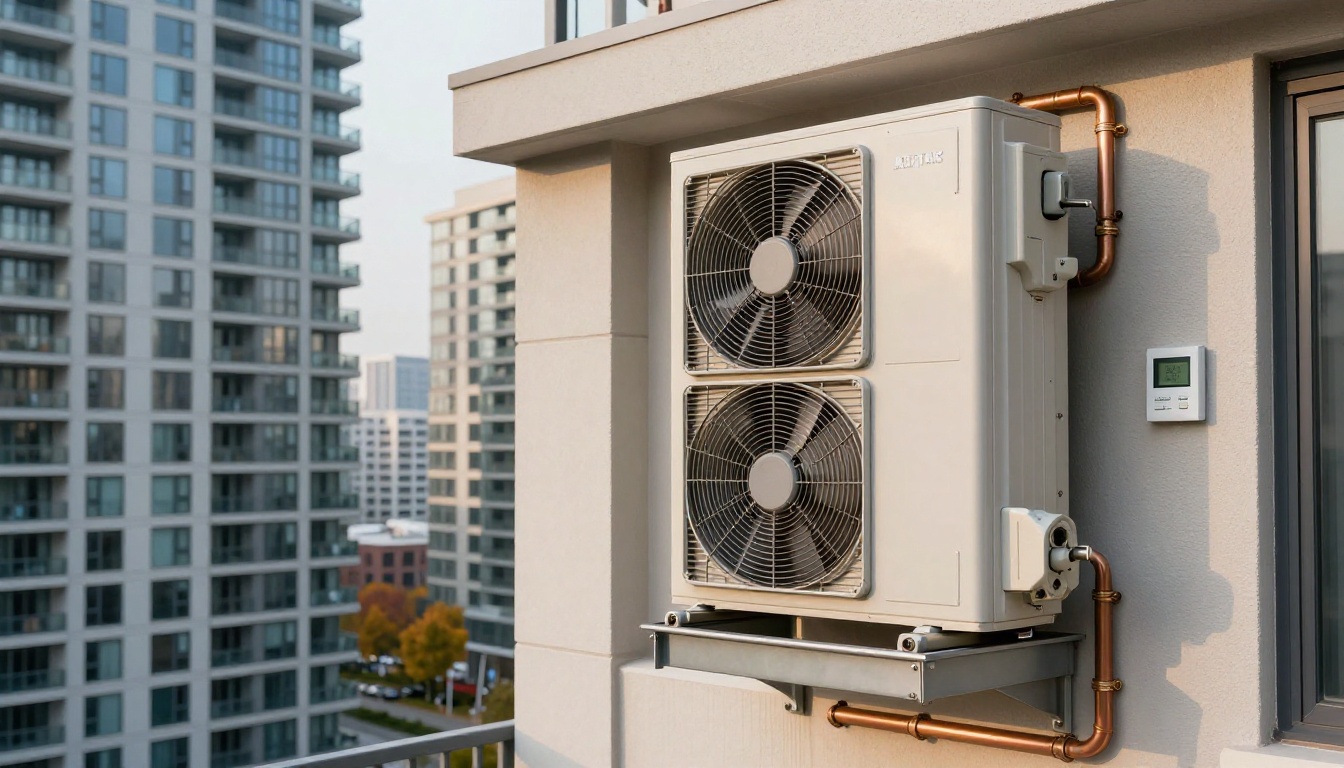
A recent North York condo maintenance case Hudson handled
The most useful way to explain preventive maintenance is with a real-world scenario. Earlier last fall, Hudson was called to a 27-storey condo near Yonge and Sheppard, in a suite on the 19th floor. The resident had noticed three things over about two weeks: the bedroom felt colder than the living room, the unit made a soft clicking sound every few minutes, and the heat seemed to run for long periods without ever making the suite comfortable.
The building itself was typical of many North York towers from the early 2000s: central hydronic loop, in-suite vertical fan coil, builder-original controls in many units, and a maintenance history that depended heavily on each owner rather than a building-wide in-suite schedule. The resident had not had the fan coil serviced in about three years.
When our technician opened the cabinet, the first problem was obvious: the filter was heavily loaded and the blower wheel had enough dust on the blades to reduce airflow significantly. But that was not the whole story. We tested the control circuit and found the actuator was intermittently failing to open fully. The blower would start, but hot water flow through the coil was inconsistent. That explained the clicking noise and the “it runs but does not warm up” complaint.
We also noted moderate corrosion beginning in the drain pan and a thermostat reading that was about 1.5°C lower than actual room temperature. In other words, this North York suite did not have one dramatic failure. It had three smaller issues that together created a major comfort problem—exactly the kind of situation preventive maintenance is meant to catch.
Hudson completed the work in one visit over roughly 2 hours and 20 minutes. We cleaned accessible buildup from the assembly, replaced the failed actuator, tested valve operation, checked blower amp draw, verified warmer discharge air, and documented the drain pan condition so the resident could plan a non-emergency repair later. We also recommended thermostat replacement within the next season.
The cost breakdown was realistic for North York condo work:
- Preventive maintenance and diagnostic labour: about $240 to $320
- Actuator replacement installed: about $260 to $420
- Recommended future drain pan repair: about $300 to $600, depending on access and pan condition
Total same-day invoice landed in the mid-$600s, which is well within the range we see for suites where maintenance was delayed but the system had not yet suffered motor failure or major leak damage. If the resident had waited until January, there was a good chance the call would have become an urgent emergency HVAC repair situation with less scheduling flexibility and more discomfort.
This is a very North York example. We see it repeatedly in condos near Willowdale, North York Centre, and Bayview Village: what feels like “weak heat” is usually a combination of airflow neglect and aging control parts, not just one obvious broken component.
What condo residents in North York can do themselves
There are safe, useful steps condo residents can take before calling for service.
Keep the return area clear
Do not block the intake grille or cabinet area with shoes, storage bins, or furniture. In North York condos with narrow front hall closets, this happens all the time. Restricted intake airflow reduces performance and increases noise.
Check the filter if it is accessible
If your unit has an accessible filter and your building or equipment type allows resident replacement, inspect it at least every few months. If it is grey, packed with dust, or bent out of shape, it is overdue. If you are unsure of the size or orientation, do not force it in backward.
Listen for changes
A clicking actuator, humming motor, rattling blower wheel, or delayed fan start are all worth noting. In North York, residents often ignore these sounds until the first cold snap. Those sounds are often early warnings, not harmless quirks.
Watch for moisture and rust
Even in fall, look around the base of the cabinet for staining, rust, or musty odours. If you see any of that, it may be time for HVAC mold remediation or drain-related service before winter closes in.
Clean the easy areas, not the dangerous ones
You can vacuum around grilles and wipe dust from the outside cabinet. Do not open live electrical compartments or try to free a stuck valve manually. Condo suite equipment may look simple, but forcing parts can turn a maintenance call into a bigger repair.
For residents who want a more complete suite-level service, Hudson also provides in-suite maintenance for condo HVAC systems across North York and the GTA.
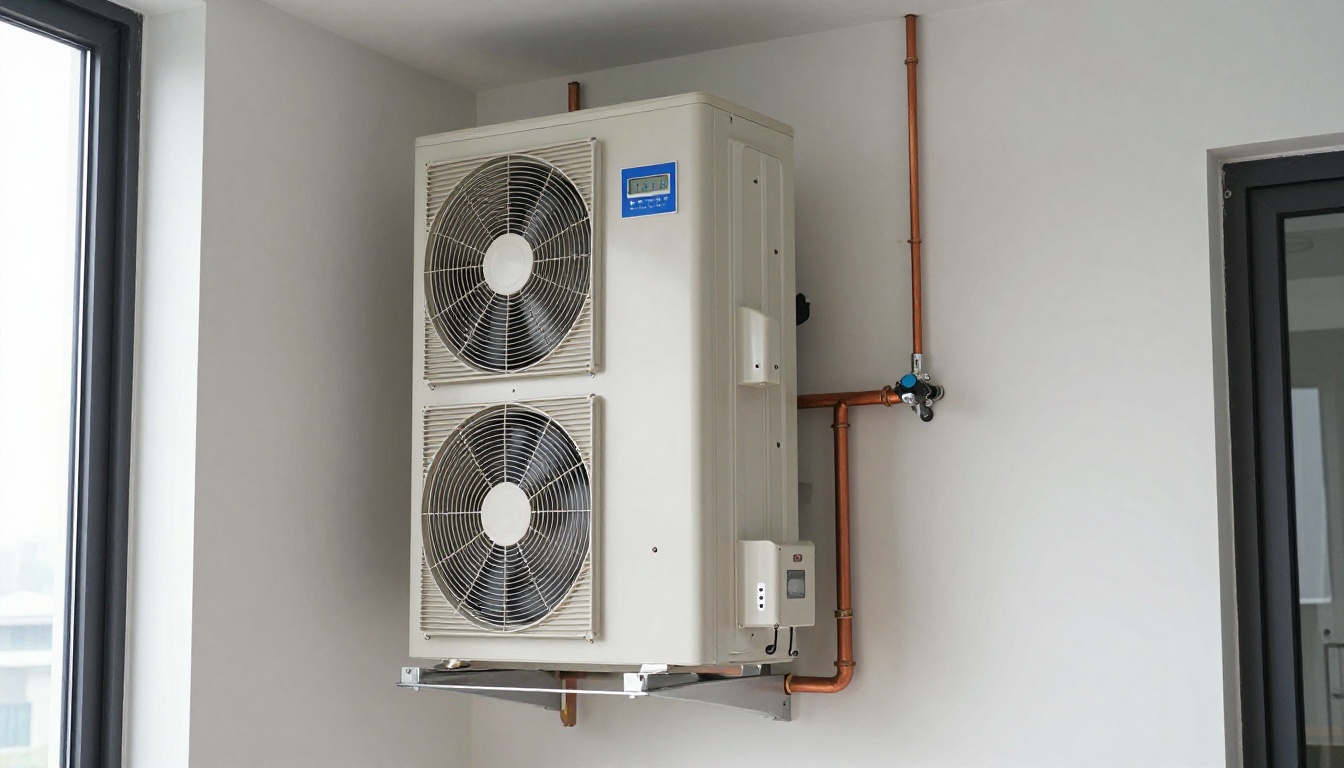
When preventive maintenance becomes a repair call
There is a point where maintenance is no longer enough. In North York, you should stop troubleshooting and call Hudson if you notice any of the following:
- The fan runs but there is no warm air after the building has switched to heating
- The thermostat screen is blank or the setpoint does not change equipment operation
- You hear repetitive clicking from the valve/actuator area
- Water is visible around the cabinet or ceiling below the unit
- Airflow is very weak even with a clean filter
- The unit smells musty, burnt, or “wet dust” strong enough to notice across the room
- The blower starts and stops unpredictably
At that stage, a technician may need to move beyond maintenance into blower motor repair, heat pump repair or replacement, or more involved fan coil work. If the unit is older and repair costs are stacking up, we may also discuss heat pump replacement or fan coil retrofit options, particularly in North York buildings where original equipment is reaching end of life.
One technical point many residents do not hear elsewhere: if your condo building’s suite equipment is connected to a hydronic system, replacing a valve or actuator may involve coordination with building staff for isolation procedures. That is one reason condo HVAC work is different from house HVAC work. In some North York towers, access windows for shutoffs are limited, so planning ahead in fall is far easier than reacting during peak winter demand.
Building-age advice specific to North York condos
This is where local experience matters.
Older towers from the 1980s and 1990s
In parts of North York near Bathurst, York Mills, and older stretches of Yonge, many condo buildings have original or second-generation fan coil infrastructure. Expect more valve wear, older insulation inside cabinets, and higher odds of rusted pans. Preventive maintenance here is not optional. It is the main way to avoid no-heat calls and leak claims.
Early-2000s high-rises around Yonge-Sheppard and North York Centre
These buildings often have more compact cabinets and builder-standard components that are now aging at the same time. We frequently see actuator failures, blower wheel imbalance, and thermostats that have been changed without matching the equipment properly.
Newer condos near Bayview Village and Downsview-area redevelopment zones
Newer does not mean maintenance-free. In newer North York buildings, the issues are often finer dust from occupancy turnover, renovation debris, and residents assuming the system is “too new” to service. We also see more ventilation complaints in tighter building envelopes, which is why heat pump maintenance and ventilation checks matter even in relatively new suites.
Another original insight: in North York condos undergoing frequent investor turnover, we often find no maintenance records at all for in-suite equipment. That means a unit can be 6 or 7 years old and already performing like a neglected 12-year-old system.
A few condo-specific rules residents should know
Condo HVAC work in North York is not only mechanical—it also intersects with building rules and Ontario safety requirements.
First, if electrical components are being replaced or wiring conditions are questionable, work must be done properly with safety in mind under Ontario electrical standards. Second, if your building uses hydronic heating or water-source equipment, management may need to approve access or coordinate shutoffs. Third, replacement equipment in a condo must fit existing clearances, drainage, and service access requirements; not every “similar looking” unit is an acceptable swap.
This is why Hudson’s condo work often includes coordination with site staff, supers, and property management teams. For larger building-wide support, Hudson also provides mechanical services and mechanical comprehensive maintenance for condo properties throughout Toronto, including North York.
FAQs
How often should condo HVAC preventive maintenance be done in North York?
For most North York condo suites, preventive maintenance should be done once a year at minimum, ideally in early fall before heating season starts. In buildings with older fan coils or vertical stack heat pumps—common around Yonge and Sheppard, Don Mills, and parts of Willowdale—we often recommend service every 6 to 8 months because dust loading, actuator wear, and drain issues show up faster. A typical in-suite visit takes 60 to 90 minutes, while neglected units can take 2 hours or more if the blower wheel, drain pan, and valves need deeper work.
What does preventive maintenance include for a North York condo fan coil or heat pump?
A proper condo maintenance visit should include filter inspection or replacement, blower motor amp draw check, coil cleaning assessment, condensate drain and drain pan inspection, thermostat testing, actuator operation check, and heating/cooling changeover verification where applicable. In North York high-rises, we also pay close attention to three-way valves, aging Honeywell or Belimo actuators, and signs of building water quality affecting coils and valves. If the suite has an ERV or dryer exhaust issue, those systems should be checked too because poor ventilation often gets mistaken for a heating problem.
Why do so many North York condo residents lose heat in late fall or early winter?
In North York, we see a spike in no-heat calls right after seasonal changeover because small problems that were hidden in summer become obvious as soon as hot water starts circulating. The most common causes are failed actuators, stuck zone valves, dirty blower assemblies, weak thermostats, and air trapped in some suite-level hydronic sections after building work. In many condos near Yonge-Eglinton, Bayview Village, and North York Centre, the equipment is now old enough that deferred maintenance from even 2 to 3 years can turn a simple tune-up into a same-day repair costing several hundred dollars more.
Can condo residents do any HVAC preventive maintenance themselves?
Yes, but only the safe parts. Residents can replace or clean accessible filters if the manufacturer allows it, keep return grilles clear, vacuum dust from around the cabinet, test thermostat batteries if applicable, and report unusual noises, odours, or water around the unit early. They should not open sealed electrical compartments, force valves, or pour harsh chemicals into drain pans, because in North York condos that can create ESA-safety issues, damage finishes, or trigger leaks into the suite below.
What does preventive maintenance cost in North York condos?
In North York, a straightforward preventive maintenance visit for a condo fan coil or heat pump commonly ranges from about $180 to $350 depending on equipment type, access, filter arrangement, and whether deeper cleaning is required. If we find issues like a failed actuator, thermostat fault, blower motor capacitor problem, or clogged drain pan, total same-visit repair costs often land between $350 and $900. Larger items such as blower motor replacement or major heat pump repair can exceed $1,000, which is exactly why preventive maintenance in North York is usually cheaper than waiting for a winter breakdown.
Don’t wait for the first freezing week in North York
Every fall, North York condo residents tell us some version of the same thing: “It was working well enough last year.” That is exactly how preventive maintenance gets skipped. Condo HVAC systems usually do not fail all at once. They decline in small, easy-to-miss ways until the weather turns and the suite finally cannot keep up.
If your condo is in North York, this is the right time to schedule service—not after the first serious cold front, not when the blower starts screaming at 10 p.m., and not after water appears around the cabinet. Whether you are in Willowdale, Bayview Village, Don Mills, York Mills, or near Yonge and Finch, Hudson can inspect the system, identify weak points, and help you avoid emergency downtime.
If you need local help now, start with Hudson’s condo HVAC repair in North York page, or browse more condo-specific advice on the Hudson blog.
Contact Hudson
- Contact Us
- Phone: +1 (437) 448-0640
- Email: service@hudsonhvac.ca