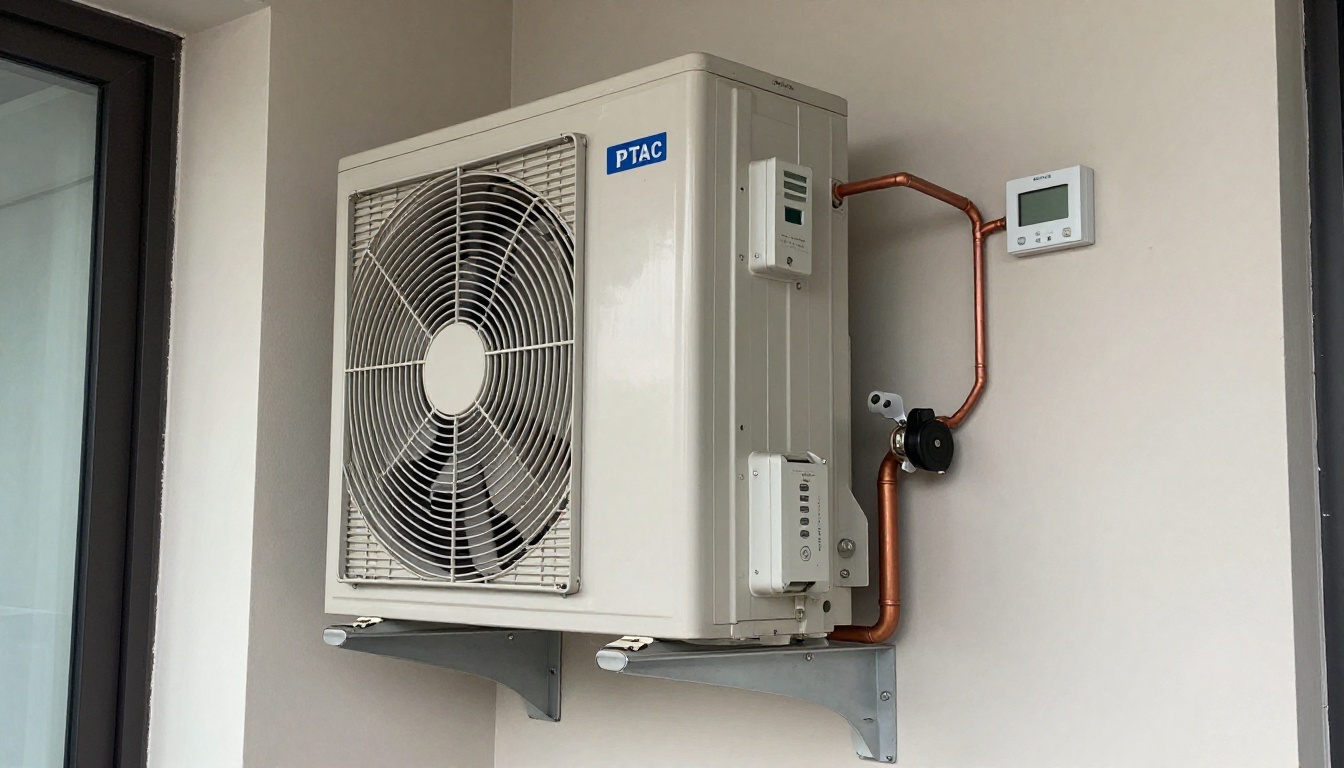
PTAC Units in Toronto Condos: Comprehensive Maintenance & Replacement Guide
Explore expert insights on PTAC unit maintenance and replacement in Toronto condos. Essential for efficient cooling this spring.
- Hudson HVAC
- 4 min read
PTAC Units in Toronto Condos: Comprehensive Maintenance & Replacement Guide
Quick summary: PTAC (Packaged Terminal Air Conditioner) units are a common choice for climate control in Toronto condos, offering both heating and cooling capabilities. This guide covers the essentials of maintaining and replacing PTAC units, ensuring optimal performance as the city transitions from winter to spring.
Understanding PTAC Units in Condos
Packaged Terminal Air Conditioner units are versatile systems widely used in Toronto condos due to their efficiency and space-saving design. Unlike central systems, PTACs are self-contained units installed through the wall, offering individual control over heating and cooling within each condo unit.
Condo buildings in areas like Etobicoke and North York often feature PTAC units due to their ease of installation and maintenance. Typically, these units are found in buildings constructed in the last two decades, where individual suite control is a priority.
The Fast Diagnosis: What’s Going On
As spring unfolds in Toronto, transitioning your PTAC unit from heating to cooling is crucial. If you’ve noticed your unit struggling to maintain temperatures or producing unusual noises, it’s time for a thorough check. Common issues include clogged filters, refrigerant leaks, and coil damage.
Common Causes: Why This Happens
- Clogged Filters: Dust and debris often accumulate over winter, restricting airflow. This can lead to inefficient cooling and increased energy bills.
- Refrigerant Leaks: Over time, seals can degrade, causing refrigerant loss and reducing the cooling efficiency.
- Coil Damage: Both evaporator and condenser coils can suffer damage from debris or corrosion, leading to poor performance.
- Electrical Issues: Loose connections or faulty wiring can disrupt the unit’s operation, causing intermittent functionality or complete failure.
What You Can Do Right Now: DIY Safe Steps
- Clean the Filter: Locate the accessible front panel of the PTAC unit. Remove the cover and slide out the filter. Rinse with warm water and let it dry completely before reinserting.
- Inspect for Obstructions: Ensure that the unit’s exterior vents are clear of debris and obstructions, as these can impede airflow and reduce efficiency.
- Test the Thermostat: Ensure your thermostat is set to the correct mode. If it’s a programmable thermostat, consider updating settings to match the seasonal transition.
When to Call a Professional: Signs You Need Help
If your PTAC unit continues to underperform despite cleaning and basic checks, or if you notice unusual noises like grinding or banging, it’s time to contact a professional. Additionally, frequent cycling on and off, or if the unit is over 10-15 years old, typically indicates it might be approaching the end of its service life.
Hudson HVAC offers comprehensive maintenance services that can diagnose and resolve these issues efficiently.
What to Expect from a Service Visit
During a service visit, a Hudson HVAC technician will perform a detailed inspection, including checking refrigerant levels, inspecting electrical components, and cleaning or replacing filters. Typically, a service visit can take 1-2 hours, ensuring your PTAC unit operates at peak efficiency.
Cost Factors with Real Ranges
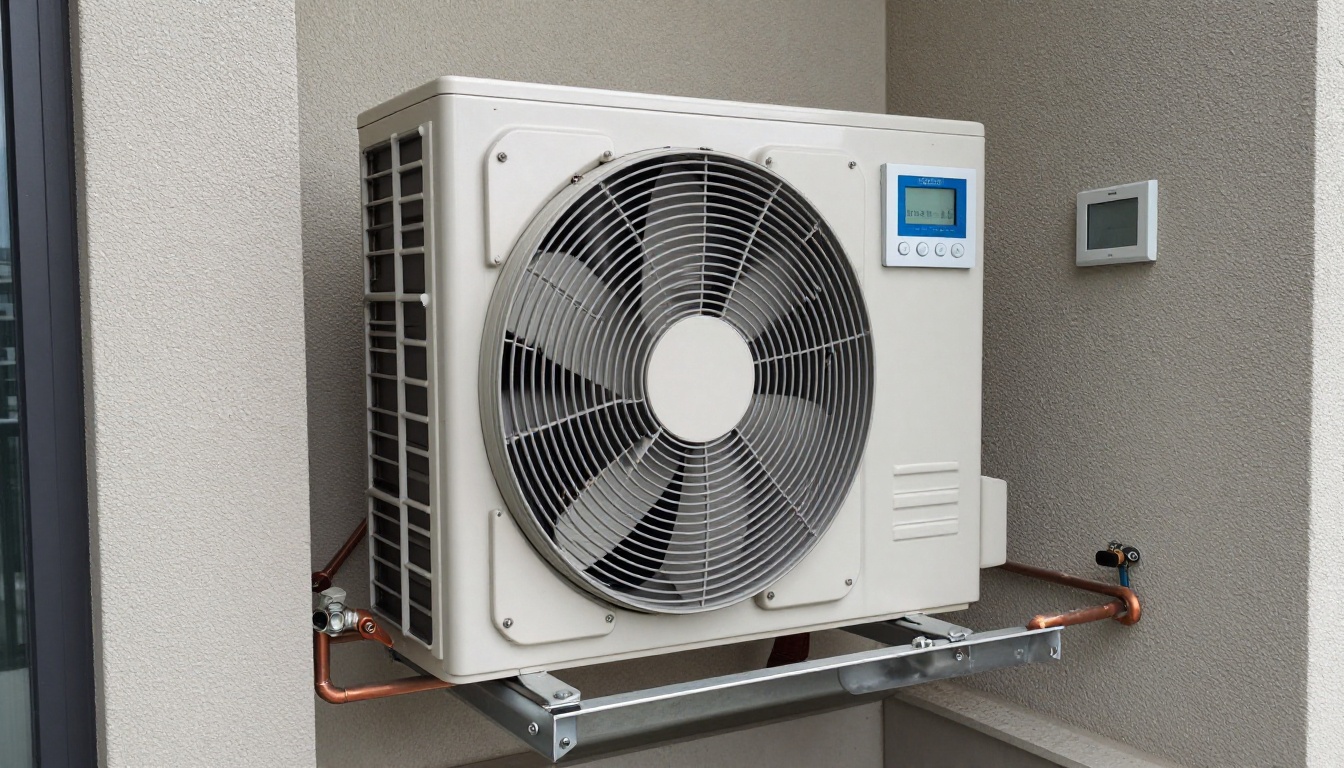
Replacing a PTAC unit can be a significant investment. Here’s what influences the cost:
- Unit Type and Size: Larger or more efficient units can cost more upfront but save in long-term energy costs.
- Installation Complexity: Units in older buildings may require additional work to retrofit walls or electrical systems.
- Brand and Model: High-end brands may offer better warranties and efficiency but at a higher initial cost.
In Toronto, the complete replacement typically ranges from $1,500 to $3,000 including installation.
Explore Hudson’s Replacement Options for tailored solutions.
FAQs
What is a PTAC unit in a condo?
A PTAC (Packaged Terminal Air Conditioner) unit is a self-contained heating and cooling system typically found in condo units. These units are mounted through the wall and are often used in high-rise condos in Toronto for individual suite climate control.
How often should PTAC units be serviced?
PTAC units in Toronto condos should undergo maintenance at least once a year, ideally in the spring before the cooling season begins, to ensure efficiency and prevent unexpected breakdowns.
What are the signs that a PTAC unit needs replacing?
Signs include frequent repairs, unusual noises like grinding or banging, reduced efficiency, uneven cooling, and if the unit is over 10-15 years old. Replacing can be more cost-effective if these issues persist.
How much does it cost to replace a PTAC unit in Toronto?
Replacing a PTAC unit in a Toronto condo typically ranges from $1,500 to $3,000, including parts and installation. Costs vary based on unit size, brand, and installation complexity.
Can I replace a PTAC unit myself?
While basic maintenance tasks can be DIY, replacing a PTAC unit involves electrical work, mounting, and insulation, which should be handled by professionals to ensure safety and compliance with local codes.
Next Steps / Call to Action
If your PTAC unit hasn’t been serviced in over a year, book a maintenance visit with Hudson before the cooling season kicks into high gear. For replacement assessments, our experts provide consultations tailored to your condo’s needs.
Contact Hudson
Phone: +1 (437) 448-0640
Email: service@hudsonhvac.ca