Spring HVAC Startup Guide for Toronto Condo Residents
Prepare your Toronto condo's cooling system for summer with our expert spring HVAC startup guide. Ensure efficiency and prevent issues.
- Hudson HVAC
- 4 min read

Spring HVAC Startup Guide for Toronto Condo Residents
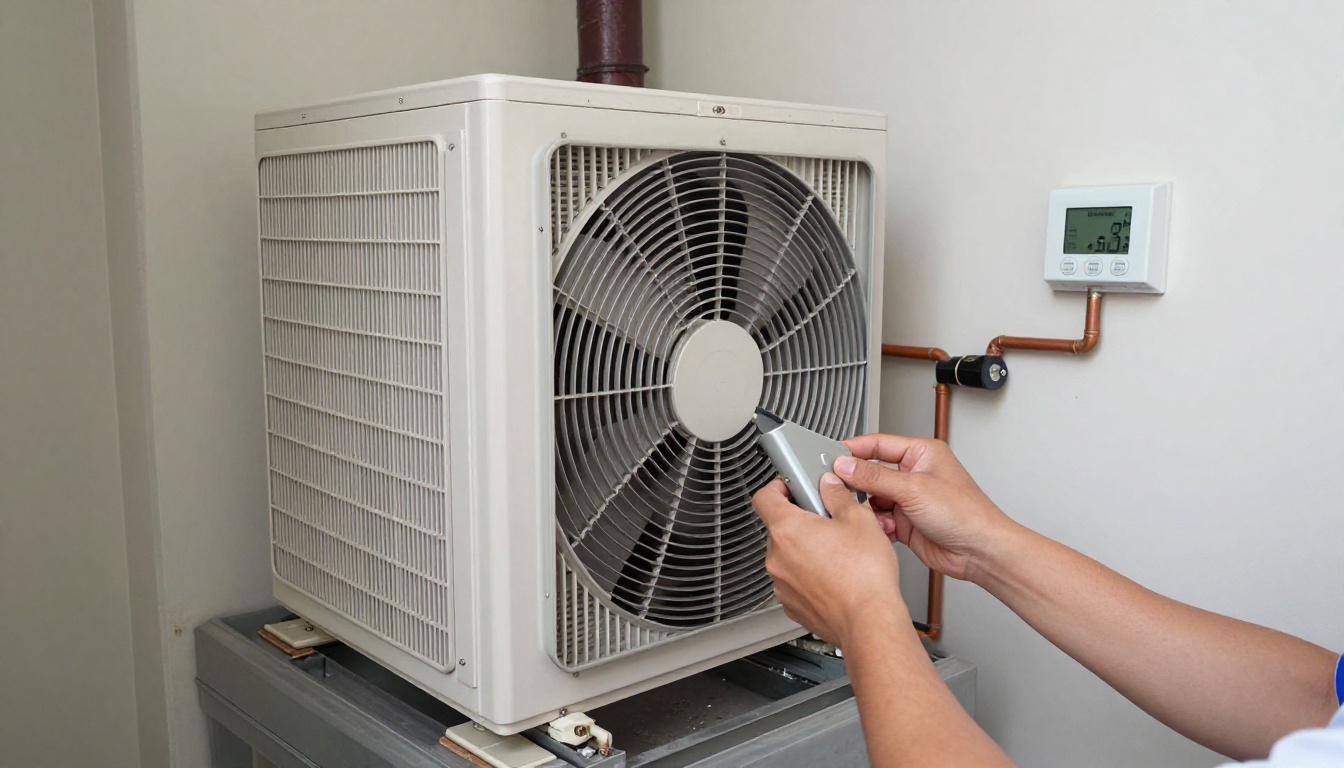
Quick summary: As Toronto transitions from the chilly winds of winter to the warmth of spring, condo residents need to prepare their HVAC systems for the upcoming cooling demands. A proactive spring HVAC startup ensures that your air conditioning system functions efficiently, minimizing energy costs and preventing breakdowns during the hot summer months.
The Fast Diagnosis: Assessing Your Condo’s HVAC Needs
Before the summer heat hits Toronto, it’s crucial to evaluate your condo’s HVAC system. In our experience servicing condos in North York and Mississauga, we find that many issues can be caught early with a quick inspection. Look for changes in airflow, unusual noises, or any visible signs of wear and tear that could hinder performance.
Common Causes: Why HVAC Systems Falter in Spring
During spring, systems that have been dormant or have functioned at reduced capacity over the winter can encounter issues like:
- Clogged Filters: Accumulated dust and debris from winter can block airflow, reducing efficiency.
- Refrigerant Leaks: Fluctuating temperatures can cause seals to contract and expand, leading to leaks.
- Worn Belts and Bearings: After a season of inactivity, belts may become brittle and bearings may require lubrication.
These issues are prevalent in older condo buildings from the 80s and 90s in areas like Etobicoke and Scarborough, where systems may not have been updated to modern standards.
What You Can Do Right Now: DIY Safe Steps
Residents can take a few preventive measures:
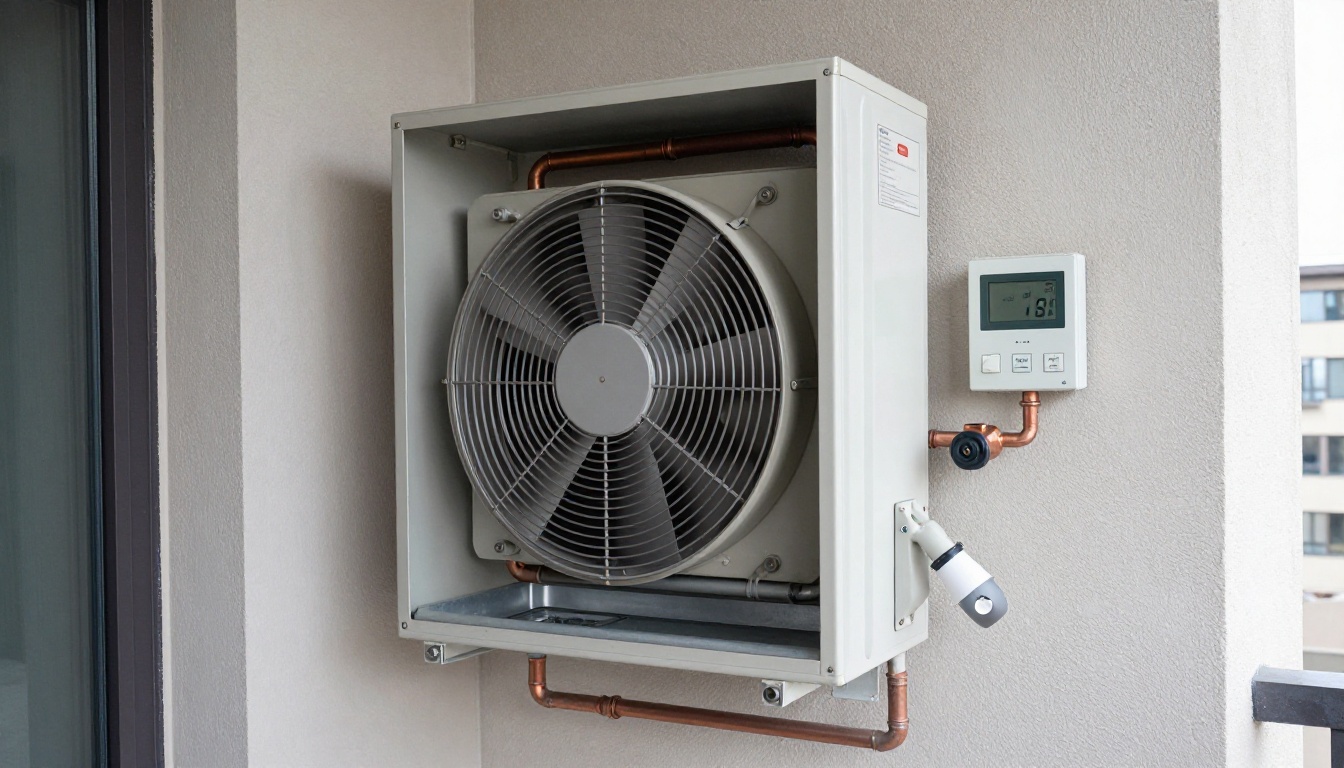
- Replace Air Filters: Locate the 1-inch or 2-inch pleated filter behind your fan coil’s lower access panel. If you can’t see through it when held up to light, it’s time for a replacement.
- Check Thermostat Settings: Ensure your thermostat is set to cooling mode and adjust the temperature to your comfort level.
- Inspect Visible Ducts and Vents: Ensure all vents are open and unobstructed to facilitate efficient airflow throughout your condo.
When to Call a Professional: Signs You Need Help
If you notice:
- Persistent Warm Air: Even after setting your thermostat to cool, your system blows warm air.
- Water Leaks or Condensation: Puddles near your fan coil or air handler can indicate drain pan issues.
- Unusual Noises: Clicking, whining, or rattling sounds from your unit suggest mechanical issues.
These signs necessitate professional intervention. Hudson HVAC offers emergency HVAC repair services across Toronto.
What to Expect from a Service Visit: Typical Timeline and Process
A professional spring HVAC service visit involves:
- Comprehensive Inspection: Technicians assess the fan coil, heat pump, or entire HVAC system for wear and damage.
- Cleaning and Replacing Parts: Filters, belts, and other components are cleaned or replaced as needed.
- System Testing: The system is run to ensure it operates smoothly without any issues.
This process typically takes 1-2 hours per unit, ensuring you’re prepared for the summer.
Cost Factors with Real Ranges
- Fan Coil Maintenance: Typically $150-$300 per unit, including filter changes and basic cleaning.
- Refrigerant Leak Repairs: Depending on the severity, costs range from $250-$750.
- Thermostat Replacement: Installing a new digital thermostat can cost $200-$400, enhancing control over your system.
FAQs
Why is spring the best time for an HVAC startup in Toronto condos?
Spring offers moderate temperatures, making it ideal to transition HVAC systems from heating to cooling. This proactive approach ensures efficiency and prevents unexpected breakdowns during Toronto’s hot summer months.
What common issues should I look for during a spring HVAC startup?
Key issues include clogged filters, refrigerant leaks, and worn fan belts. Checking for these can prevent system inefficiencies and high energy costs as temperatures rise.
How often should condo fan coils be serviced in Toronto?
Fan coils should be serviced annually, ideally during spring, to ensure optimal performance and energy efficiency. Hudson HVAC offers comprehensive fan coil maintenance services.
What are the signs of refrigerant leaks in my condo HVAC system?
Signs include reduced cooling efficiency, hissing noises from the unit, and ice formation on coils. If you notice these issues, contacting a professional for repair is essential.
Can I perform any HVAC maintenance myself in my condo?
While some tasks like changing filters can be done by residents, complex issues such as refrigerant handling should be left to professionals. Always consult your building’s management before undertaking any HVAC work.
Next Steps: Preparing for Summer
If your fan coil hasn’t been serviced in over a year, book a maintenance visit with Hudson before the next heat wave. This proactive approach can save you from emergency repairs and high energy bills.
Contact Hudson
For personalized service and expert advice, Contact Us:
- Phone: +1 (437) 448-0640
- Email: service@hudsonhvac.ca