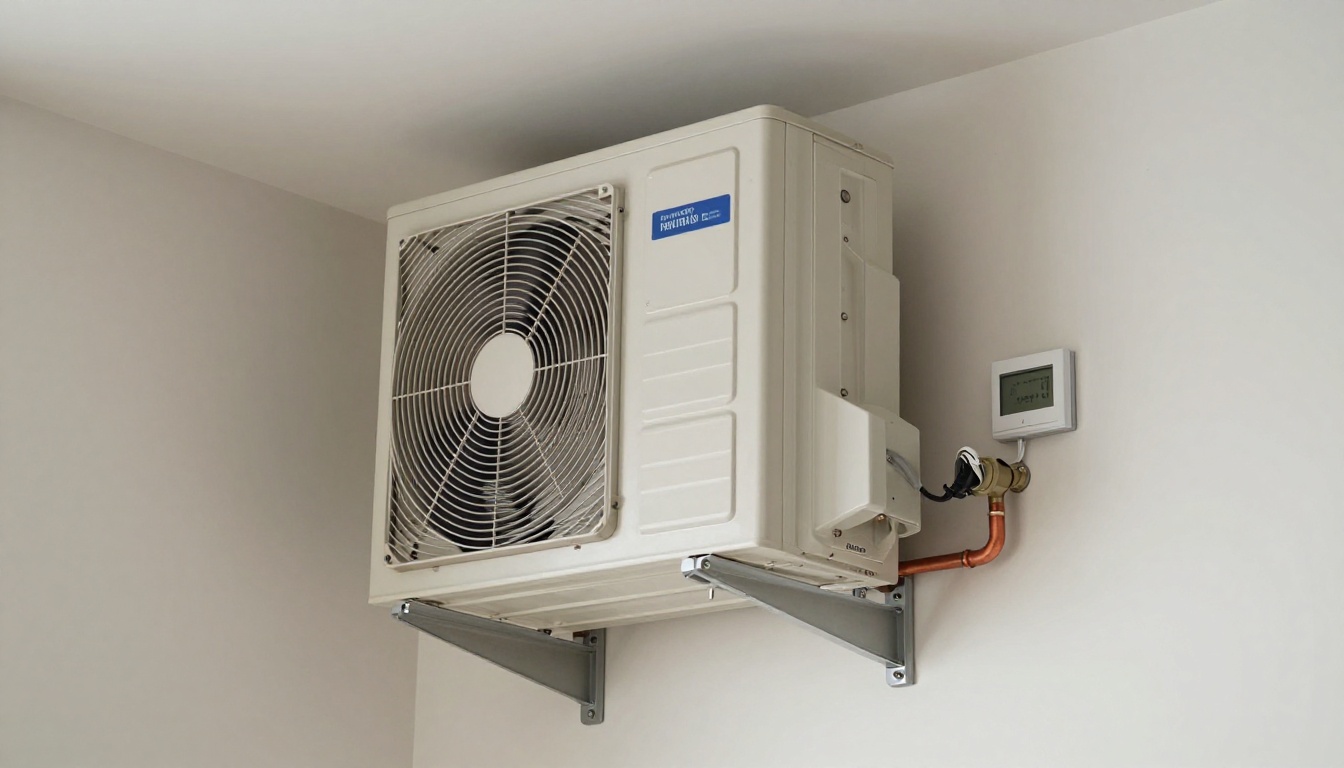
Top 5 Reasons Your Condo AC Isn't Working This July in Toronto
Discover why your condo AC might not be cooling effectively this July in Toronto. Learn the top issues and solutions for optimal comfort.
- Hudson HVAC
- 4 min read

Top 5 Reasons Your Condo AC Isn’t Working This July in Toronto
Quick summary
As Toronto sizzles this July, a malfunctioning condo AC unit can make life unbearable. Common issues like refrigerant leaks, clogged filters, and thermostat malfunctions can all hinder your cooling system’s efficiency. Understanding these problems can help you stay cool and comfortable during the hottest months.
The Fast Diagnosis: What’s Going On?
In the heart of summer, Toronto’s soaring temperatures push condo AC units to their limits. When your air conditioning fails, the initial step is to diagnose the problem quickly. Units in high-rise condos, particularly those along the waterfront in areas like Mississauga and North York, are susceptible to distinct challenges due to their constant exposure to the sun and potential for salt corrosion.
Common Causes: Why This Happens
Refrigerant Leaks: Low refrigerant levels, often due to leaks in the system, are a frequent cause of cooling issues. These leaks can reduce the unit’s ability to absorb heat, leading to inadequate cooling. In our experience servicing high-rise condos in Richmond Hill, leaks are often found in older systems that haven’t been regularly maintained.
Dirty Filters: A clogged air filter can impede airflow, causing the evaporator coils to freeze and the system to overwork. Condo units, especially in city centers like Toronto and Vaughan, accumulate dust quickly due to urban pollution.
Thermostat Issues: An incorrectly calibrated or malfunctioning thermostat can prevent your AC from turning on or off at the right times, causing inefficiency. We’ve seen many outdated thermostats in Scarborough condos that need replacement or recalibration.
Blocked Condensate Drains: High humidity can lead to condensate drain clogs, resulting in water leaks and moisture buildup. In Oshawa, where humidity levels can spike during summer, this is a common issue.
Electrical Failures: Faulty wiring or circuit breaker issues can prevent the AC from receiving power. This is particularly prevalent in older buildings where electrical infrastructure hasn’t been updated.
What You Can Do Right Now: DIY Safe Steps
- Inspect the Air Filter: Locate the 1-inch or 2-inch pleated filter behind your fan coil’s lower access panel. Slide it out and hold it to the light—if light doesn’t pass through, it’s time for a replacement.
- Check the Thermostat Settings: Ensure that the thermostat is set to ‘cool’ and the temperature is lower than the ambient room temperature. If it’s battery-operated, replace the batteries.
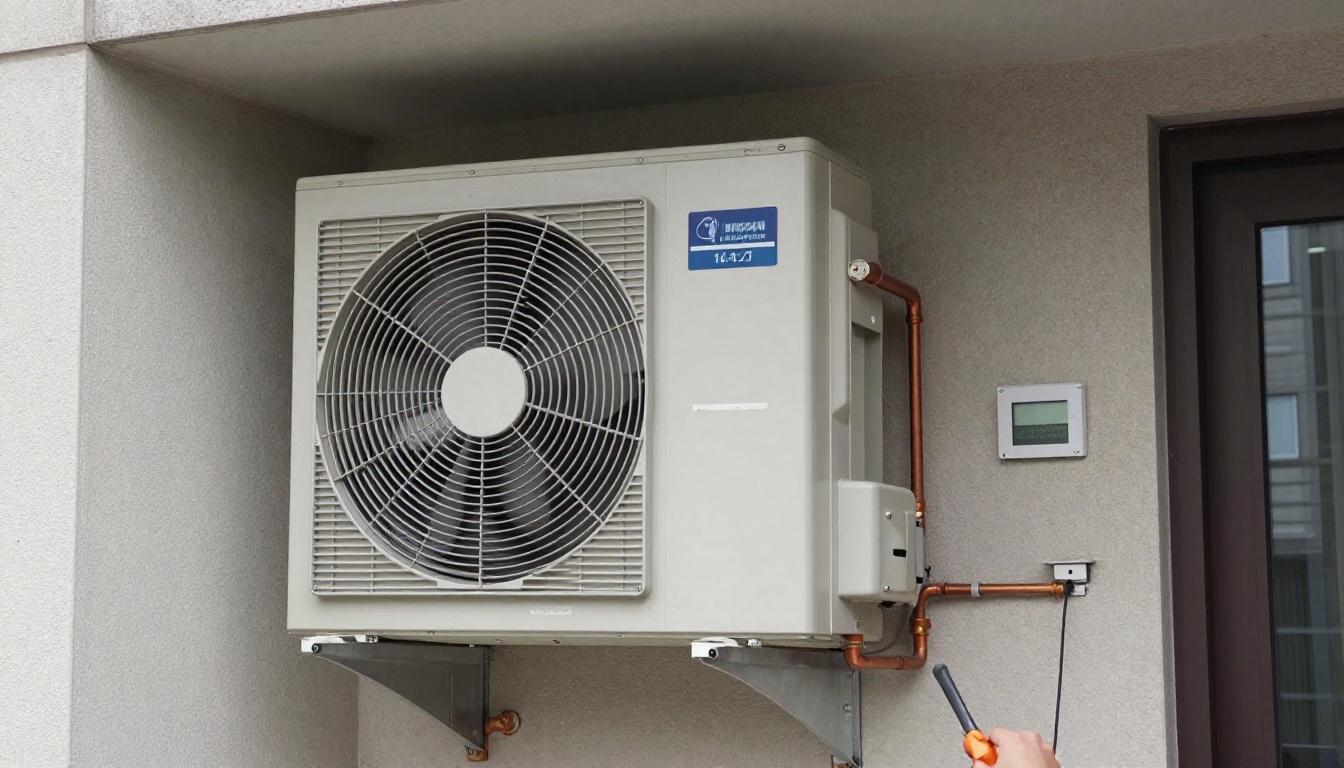
- Clear the Area Around the HVAC Unit: Ensure that the area around your AC unit is free from obstructions that could impede airflow.
When to Call a Professional: Signs You Need Help
If after performing these checks your AC still isn’t functioning properly, it’s time to contact a professional. Should you notice persistent warm air, water pooling around the unit, or a high-pitched noise from the blower motor, these could indicate more serious issues needing expert attention.
What to Expect from a Service Visit
A typical service visit will involve a thorough inspection of your AC unit. Technicians will check refrigerant levels, clean evaporator coils, inspect electrical connections, and ensure the thermostat is functioning correctly. Depending on the complexity of the issue, a visit can last from 1 to 3 hours.
Cost Factors with Real Ranges
- Air Filter Replacement: Typically ranges from $40-$100, depending on the filter type.
- Thermostat Replacement: Costs between $150-$400, including installation, depending on whether you choose a smart thermostat.
- Refrigerant Leak Repair: This can range from $200-$1,000 based on the severity and location of the leak.
FAQs
Why is my condo AC blowing warm air?
Warm air from your condo AC can result from refrigerant leaks, dirty evaporator coils, or a malfunctioning compressor. Each issue requires specific solutions, usually involving professional inspection and repair.
How often should condo AC units be serviced?
Condo AC units, such as fan coils or heat pumps, should be serviced annually to ensure optimal performance, reduce the risk of breakdowns, and maintain energy efficiency throughout the summer.
What are common signs that my AC needs repair?
Common signs include unusual noises, frequent cycling, increased humidity in the unit, water leaks, and rising energy bills. Early detection of these issues can prevent more costly repairs.
Can high humidity affect my AC’s performance?
Yes, high humidity can strain your AC, making it work harder to cool the space. Excess moisture can also lead to mold growth in the system, affecting air quality and efficiency.
What should I do if my AC isn’t working during a heatwave?
Check if the thermostat is set correctly, ensure the circuit breaker hasn’t tripped, and see if the air filter is clean. If these basic checks don’t solve the issue, contact a professional immediately to avoid health risks associated with extreme heat.
Next Steps: Call to Action
If your condo AC hasn’t been serviced yet this summer, don’t wait for a heatwave to strike. Book a maintenance visit to ensure your system is running efficiently. Contact Hudson today to schedule an appointment.
Contact Hudson
- Contact Us
- Phone: +1 (437) 448-0640
- Email: service@hudsonhvac.ca